


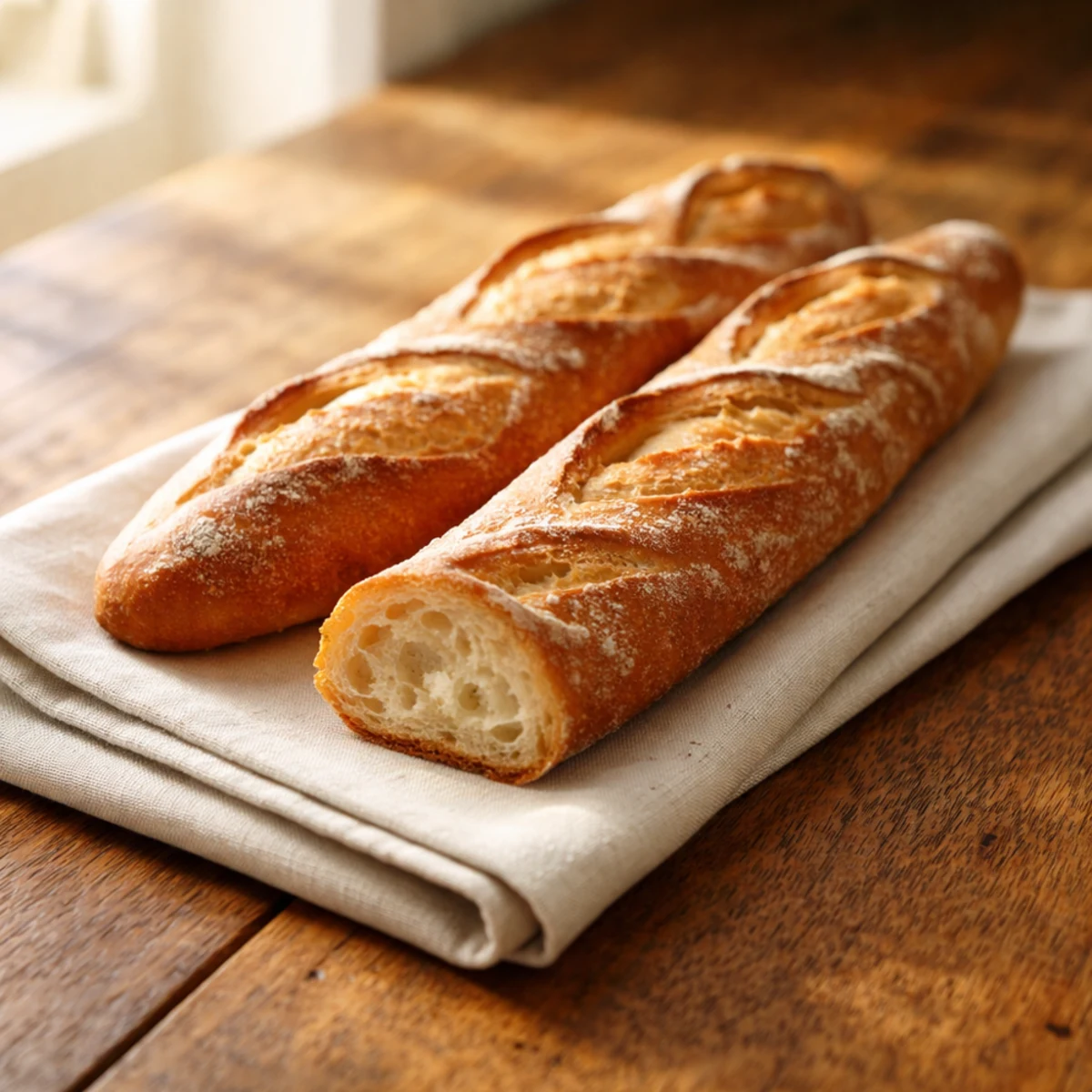
Baguette Wine Pairing: The Best Wines for This French Classic
Introduction
Few foods feel as universally comforting—and quietly luxurious—as a freshly baked baguette. With its crackling golden crust, airy interior, and subtle malty-salty flavor, it’s the kind of bread that can turn a simple meal into something memorable. In the United States, where home cooks love both approachable recipes and thoughtful wine pairing ideas, baguette is a natural fit for everything from weeknight cheese boards to elegant dinner parties.
What makes a baguette especially exciting is how versatile it is at the table. It can be served warm with butter, sliced alongside soup, used for sandwiches, or simply torn apart and shared. And because its flavor is restrained but distinctive, it becomes an excellent canvas for wine pairing. The right bottle can bring out the bread’s toasted notes, balance its saltiness, and elevate every bite.
If you’ve ever wondered about the best wine for Baguette, this guide will walk you through the recipe, the flavor profile, and the smartest wine recommendation options for the U.S. market. Whether you’re shopping at Total Wine, Trader Joe’s, BevMo, or your favorite local wine shop, you’ll find plenty of accessible, value-driven choices.
About This Dish
Baguette is one of the most recognizable symbols of French baking, but its appeal is much broader than its origin story. At its heart, this long, slender loaf is a study in simplicity: flour, water, yeast, and salt come together through time, technique, and heat to create something far greater than the sum of its parts. That simplicity is exactly why baguette has endured for generations. It doesn’t rely on rich add-ins or heavy seasoning; instead, it celebrates texture, fermentation, and balance.
In French food culture, baguette is more than a side dish. It’s part of daily life—bought fresh, carried home under the arm, and shared at the table with cheese, charcuterie, soup, jam, or olive oil. In American kitchens, it has become equally beloved because it bridges casual and refined eating so easily. A sliced baguette can anchor a party platter, but it can also make a Tuesday night dinner feel special.
From a wine pairing perspective, baguette is fascinating because of its neutral but flavorful profile. The crisp crust offers a lightly toasted, almost nutty quality, while the interior stays soft and mildly sweet. That makes it a perfect match for wines with freshness, subtle fruit, or gentle structure. The bread won’t overpower the wine, and the wine won’t overwhelm the bread—one of the reasons baguette is such a reliable “perfect match” for so many bottles.
Key Ingredients & Their Role
A great baguette starts with just a few ingredients, but each one matters. Wheat flour provides the structure, starch, and mild grain flavor that define the loaf. The flour’s protein content helps develop gluten, which gives the baguette its signature chew and open crumb. In a good baguette, the flour isn’t just a base—it’s the backbone of the entire bread.
Water may seem simple, but it plays a major role in hydration, dough development, and texture. It activates the flour, helps gluten form, and allows the dough to ferment properly. The amount of water affects everything from crust crispness to interior lightness. A well-hydrated baguette tends to have a more open, airy structure and a more complex mouthfeel.
Yeast is the engine of flavor and rise. As it ferments, it produces carbon dioxide that lifts the dough, but it also contributes subtle aromatic depth. That slightly malty, bready character people love in fresh baguette comes in part from fermentation. It’s one of the reasons a properly made loaf tastes more layered than plain white bread.
Salt is implied in the dish’s key taste profile—malty, salty—and even when used sparingly, it sharpens flavor and keeps the bread from tasting flat. Salt also strengthens gluten and regulates fermentation, helping create a more balanced loaf.
For wine pairing, these ingredients matter because they create a bread that is flavorful but not dominant. The mild sweetness of wheat, the toasted crust, and the salty finish invite wines with crisp acidity, light to medium body, and clean fruit. That’s why a well-chosen wine recommendation can make baguette feel unexpectedly elegant.
Recipe
Baguette Recipe
Prep Time: 20 minutes
Cook Time: 25 minutes
Resting Time: 3 hours 30 minutes
Total Time: 4 hours 15 minutes
Servings: 2 baguettes
Difficulty: Intermediate
Ingredients
- 500 g wheat flour
- 350 ml water, lukewarm
- 7 g active dry yeast
- 10 g salt
Instructions
- Activate the yeast. In a large bowl, combine the lukewarm water and yeast. Let stand for 5–10 minutes until foamy.
- Mix the dough. Add the flour and salt. Stir until a shaggy dough forms.
- Knead. Turn the dough onto a lightly floured surface and knead for 8–10 minutes until smooth and elastic.
- First rise. Place the dough in a lightly oiled bowl, cover, and let rise for about 1.5 hours, or until doubled in size.
- Shape. Gently deflate the dough, divide into two equal pieces, and shape each into a long baguette.
- Second rise. Place the shaped loaves on a parchment-lined baking sheet or baguette tray. Cover and let rise for 1 hour.
- Preheat the oven. Heat to 230°C / 450°F. Place a metal pan on the bottom rack if you want steam.
- Score the loaves. Make several diagonal slashes across the top of each baguette with a sharp blade.
- Bake. Bake for 20–25 minutes until deeply golden and crisp. Add a little hot water to the metal pan at the start of baking for extra steam if desired.
- Cool. Transfer to a wire rack and cool for at least 20 minutes before slicing.
Nutrition Facts per Serving
- Calories: 410
- Protein: 12 g
- Carbohydrates: 82 g
- Fat: 1.5 g
- Fiber: 3 g
- Sodium: 490 mg
Dietary Information
- Vegetarian
- Dairy-free
- Nut-free
- Vegan
Perfect Wine Pairings
When it comes to wine pairing with baguette, the best choices are wines that respect the bread’s simplicity while enhancing its texture and flavor. Because baguette is crisp, lightly salty, and subtly malty, you want wines with freshness, moderate alcohol, and enough character to stay interesting without overpowering the palate.
1. California Chardonnay, lightly oaked or unoaked
A well-balanced California Chardonnay from Sonoma or Napa can be a wonderful wine recommendation if you’re serving baguette with butter, roast chicken, or soft cheese. Look for bottles with bright acidity, restrained oak, and notes of apple, pear, citrus, or toasted almond. The wine’s round texture mirrors the bread’s soft interior, while acidity keeps the pairing lively. In the U.S., you can often find excellent options at Total Wine, Trader Joe’s, or local wine shops in the $15–30 range.
2. Oregon Pinot Noir
If you’re pairing baguette with mushroom dishes, pâté, tuna, or charcuterie, Oregon Pinot Noir is a smart and elegant choice. Its red berry fruit, earthy undertones, and silky tannins make it a flexible partner. The wine’s subtle structure won’t clash with the bread, and its acidity helps refresh the palate. This is one of the most versatile answers to the question, “what wine goes with baguette?”
3. French Sauvignon Blanc or Muscadet
For a classic, food-friendly pairing, French white wines are hard to beat. Sauvignon Blanc from the Loire Valley brings citrus, herb, and mineral notes, while Muscadet offers saline freshness that plays beautifully with the baguette’s salty edge. These wines are especially good if you’re serving the bread with oysters, goat cheese, or simple appetizers. They’re widely available in U.S. wine stores and offer excellent value.
4. Spanish Cava or Crémant-style sparkling wine
If you want a more festive perfect match, sparkling wine is a great move. Cava from Spain or Crémant from France offers bright acidity, fine bubbles, and a clean finish that cuts through the bread’s richness when served with cheese or charcuterie. Sparkling wine also makes baguette feel instantly celebratory. Many retailers, including BevMo and Trader Joe’s, carry strong budget-friendly options.
In general, the best wine for Baguette should have freshness, enough acidity to lift the palate, and a flavor profile that complements rather than competes. Think crisp whites, elegant sparklers, and light-bodied reds. If you’re using Vinomat, you can quickly compare styles and discover a wine recommendation that fits your menu, your budget, and your local availability.
Cooking Tips & Techniques
The secret to a memorable baguette is patience and precision. First, pay attention to hydration. A slightly sticky dough is normal and often necessary for a lighter crumb. Resist the urge to add too much flour during kneading, or the loaf may turn dense. The dough should feel supple, not dry.
Second, don’t rush fermentation. The long rise develops flavor, and that subtle malty depth is part of what makes baguette such a strong candidate for wine pairing. If you cut the proofing short, the bread may taste flat and the texture may suffer.
Steam is another crucial detail. A burst of steam at the beginning of baking helps the crust expand before it sets, creating that signature crackly shell. If you don’t have a steam oven, a metal pan with hot water in the bottom of the oven can help.
Finally, score the dough confidently. Clean, angled slashes allow the baguette to expand properly and create the classic look. A dull knife will drag and deflate the loaf, so use a sharp blade or lame. And always let the bread cool before slicing—cutting too early can compress the crumb and release steam too quickly.
Serving Suggestions
Baguette shines when served simply and beautifully. For a casual meal, present it warm with salted butter, olive oil, or a small dish of flaky sea salt. For entertaining, slice it on a wooden board and pair it with cheese, cured meats, olives, roasted vegetables, or a silky dip. Its crisp crust and tender interior make it ideal for building a relaxed but polished spread.
If you’re hosting a wine night, baguette works especially well as the anchor for a French-inspired board. Try it with Brie, Comté, chèvre, prosciutto, cornichons, and a bottle of sparkling wine or Sauvignon Blanc. The bread’s mild flavor also makes it a smart companion for soups like tomato bisque or onion soup, where it can soak up broth without falling apart.
For a more elevated dinner, serve baguette alongside roast chicken, seared fish, or a salad with a bright vinaigrette. Its versatility makes it a quiet star at the table—never flashy, always useful, and often the first thing to disappear.
Conclusion
Baguette proves that the simplest foods can create the most memorable experiences. With its crisp crust, soft crumb, and subtle malty-salty flavor, it’s a recipe that invites sharing, pairing, and slowing down at the table. Whether you’re baking it at home or picking up a fresh loaf, the right wine pairing can transform baguette into something truly special.
From California Chardonnay to Oregon Pinot Noir and crisp French whites, there’s a perfect match for every occasion and budget. If you want a smarter, easier way to explore the best wine for Baguette, Vinomat can help you discover a wine recommendation that fits your taste and your table. Bake the loaf, pour the glass, and enjoy the moment.