


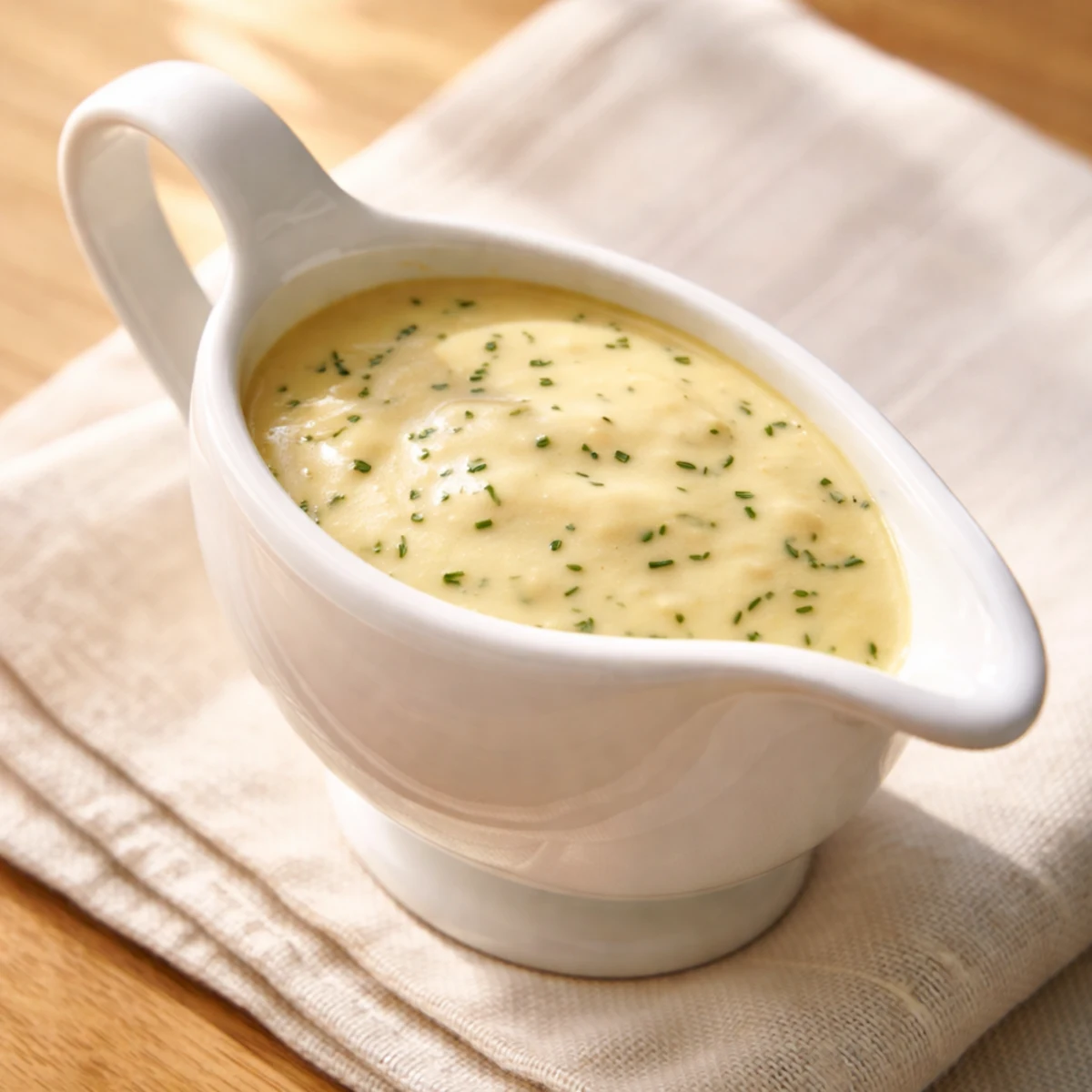
Béarnaise Sauce Wine Pairing: The Perfect Match for Steak
Introduction
Béarnaise sauce is one of those classic kitchen luxuries that instantly makes a meal feel special. Silky, buttery, and bright with tarragon, it has a way of turning a simple steak, piece of fish, or plate of vegetables into something restaurant-worthy. For home cooks in the United States, it’s also a dish that invites exploration: a little French technique, a lot of flavor, and endless opportunities for a thoughtful wine pairing.
If you’ve ever wondered what wine goes with Béarnaise sauce, you’re not alone. Its rich texture and herbal lift create a delicious challenge for wine lovers. The best wine for Béarnaise Sauce needs enough acidity to cut through the butter, enough freshness to echo the herbs, and enough structure to stand up to the sauce’s luxurious feel. That’s where the fun begins. Whether you’re serving it with steak for date night or spooning it over asparagus for a spring dinner, this Béarnaise Sauce recipe is a perfect match for discovering wines that elevate every bite.
About This Dish
Béarnaise sauce is a close cousin of hollandaise, but it has a personality all its own. Where hollandaise leans purely rich and lemony, Béarnaise brings a more savory, aromatic profile thanks to shallots, tarragon, chervil, white wine vinegar, and white wine. The result is a sauce that feels both classic and lively: creamy on the palate, yet lifted by a distinctly herbal finish.
This sauce is deeply tied to French culinary tradition, and it remains one of the great benchmark sauces in classical cooking. In many kitchens, mastering Béarnaise is a sign of confidence and control. It requires patience, steady whisking, and a feel for temperature, but the payoff is enormous. In American food culture, where steakhouse dining, backyard grilling, and elevated home cooking all have a place at the table, Béarnaise fits beautifully. It feels refined without being fussy.
What makes Béarnaise so special is the balance. The butter provides body, the egg yolks create silkiness, and the tarragon adds that unmistakable anise-like fragrance that lingers after each bite. It’s rich, but not heavy in the same way a cream sauce can be. That balance is exactly why Béarnaise sauce and wine pairing is such a rewarding topic: the sauce has enough complexity to meet a wide range of wines, from bright white wines to elegant reds.
Key Ingredients & Their Role
A great Béarnaise sauce recipe depends on a handful of ingredients working in harmony. Each one plays a distinct role, and understanding that balance makes it easier to choose the right wine for Béarnaise Sauce later on.
Clarified butter is the backbone of the sauce. Because the milk solids have been removed, clarified butter gives you a cleaner, smoother emulsion and a more refined finish. It brings the lush, velvety texture that makes Béarnaise feel indulgent. In wine pairing terms, that richness means you want wines with enough acidity to refresh the palate between bites.
Egg yolks are the emulsifying agent. They thicken the sauce and create that luxurious, spoon-coating consistency. Yolks also add a subtle savory depth, which is why Béarnaise can handle wines with more character than you might expect.
Tarragon is the signature flavor. Its grassy, slightly licorice-like aroma gives Béarnaise its unmistakable identity. This herb is a big clue for wine recommendation choices: wines with herbal notes, bright acidity, or subtle spice often make a natural pair.
Shallots add sweetness and a gentle allium bite, while white wine vinegar and dry white wine provide acidity and lift. That tart backbone keeps the sauce from feeling overly rich. A good wine pairing should complement that acidity rather than fight it.
Chervil adds a delicate, parsley-like freshness that softens the sauce’s edges. Meanwhile, black pepper gives a little warmth and complexity. Together, these ingredients create a sauce that is rich, herby, and surprisingly versatile. It’s why the perfect match can be found in both crisp whites and elegant reds, especially wines with freshness, finesse, and a clean finish.
Recipe
Béarnaise Sauce
Prep Time: 25 minutes Cook Time: 10 minutes Total Time: 35 minutes Servings: 4 Difficulty: Advanced
Ingredients
- 200 g Clarified unsalted butter, warm
- 3 Egg yolks
- 2 tbsp Shallots, finely minced
- 3 tbsp Fresh tarragon stems and leaves, separated
- 1 tbsp Fresh chervil leaves, finely chopped
- 45 ml White wine vinegar
- 45 ml Dry white wine
- 1/2 tsp Black pepper, freshly ground
- 1 tbsp Cold water
- 1/4 tsp Fine salt
Instructions
- Prepare the mise en place. Finely mince the shallots. Strip the tarragon leaves from the stems. Finely chop enough tarragon leaves to make 2 tbsp, and reserve the stems separately. Finely chop the chervil. Keep the clarified butter warm but not hot.
- Make the reduction. In a small saucepan, combine the shallots, tarragon stems, white wine vinegar, white wine, and black pepper. Bring to a gentle simmer over medium heat and reduce until about 2 tbsp liquid remains, 5 to 7 minutes.
- Strain the reduction through a fine sieve into a heatproof bowl, pressing lightly on the shallots and herbs to extract flavor. Discard the solids. Let the liquid cool for 1 minute.
- Add the egg yolks and cold water to the bowl with the reduction. Set the bowl over a saucepan of barely simmering water, making sure the base does not touch the water.
- Whisk constantly over gentle heat until the yolks become pale, thick, and foamy, and the mixture forms ribbons, about 2 to 4 minutes. If it starts to get too hot, lift the bowl off the heat briefly while whisking.
- Slowly emulsify the warm clarified butter into the yolk mixture, first drop by drop, then in a thin steady stream, whisking constantly until the sauce is thick, smooth, and glossy.
- Remove from the heat and fold in the chopped tarragon leaves and chopped chervil. Add the fine salt sparingly. If needed, loosen the sauce with 1 tsp warm water to reach a spoonable consistency.
- Taste and season to taste with salt and pepper. The sauce should be warm, not hot, and should coat the back of a spoon.
- Pour the sauce into a warm sauce boat for serving. Garnish with a few extra finely chopped tarragon leaves and serve immediately with steak, roast fish, or steamed vegetables.
Nutrition Facts (per serving)
- Calories: 420 kcal
- Protein: 3.2g
- Fat: 45.2g
- Carbohydrates: 1.8g
- Salt: 0.4g
Dietary Information
Gluten-free, Dairy-free, Nut-free
Perfect Wine Pairings
When it comes to Béarnaise sauce wine pairing, the goal is balance. This sauce is rich and buttery, but it also has a bright, herbal edge. That means the best wine for Béarnaise Sauce should have lively acidity, moderate body, and enough aromatic complexity to play nicely with tarragon and shallots.
1. Oregon Pinot Noir
This is one of the most reliable red wine choices for Béarnaise Sauce, especially if you’re serving it with steak, salmon, or mushrooms. Oregon Pinot Noir often brings red cherry fruit, earthy undertones, and a silky texture that complements the sauce without overpowering it. Look for bottles with fresh acidity and restrained oak. In the U.S., this style is easy to find at Trader Joe’s, Total Wine, and local wine shops, often in the $20–30 range.
2. California Chardonnay with Fresh Acidity
A lightly oaked or balanced California Chardonnay can be a beautiful wine recommendation here, particularly with Béarnaise over fish, chicken, or vegetables. The wine’s creamy texture mirrors the sauce, while bright acidity keeps the pairing from feeling too heavy. Napa and Sonoma producers often offer excellent options that sit comfortably in the $15–30 range and are widely available at grocery stores and BevMo.
3. White Bordeaux or French Sauvignon Blanc Blend
Because Béarnaise has French roots, a French white can feel especially natural. A white Bordeaux or Sauvignon Blanc-based blend brings citrus, herbal notes, and crisp acidity that echo the tarragon and cut through the butter. This is a smart perfect match if you want something elegant, food-friendly, and not too expensive. These wines are commonly stocked by Total Wine and specialty wine shops.
4. Dry Spanish White or Italian Vermentino
If you’re looking for something a little different, dry Spanish whites or Italian Vermentino can be excellent with Béarnaise. They tend to offer saline freshness, citrus, and herbal lift, all of which work well with the sauce’s savory profile. These are great value picks for adventurous drinkers who want a wine pairing that feels bright and modern.
If you’re unsure where to start, Vinomat can help narrow the field based on your dish, your budget, and what’s actually on the shelf nearby. For a sauce this rich, the best wine for Béarnaise Sauce is one that refreshes the palate while still feeling polished and complete.
Cooking Tips & Techniques
Béarnaise sauce rewards precision, but it doesn’t have to be intimidating. The biggest secret is temperature control. If the bowl gets too hot, the egg yolks can scramble; if the butter is too cool, the sauce may not emulsify smoothly. Aim for warm butter and gentle heat, not aggression.
Another key tip is to reduce the vinegar, wine, shallots, and tarragon stems properly. This reduction concentrates flavor and gives the sauce its signature depth. Don’t rush it. You want a small, potent amount of liquid, not a watery base.
Whisking matters, too. Keep the mixture moving constantly when the bowl is over the simmering water. That steady motion is what gives the sauce its pale, airy texture. If the sauce starts to tighten too much, a teaspoon of warm water can bring it back to a silky, spoonable consistency.
Finally, season carefully. Tarragon and chervil are delicate, and too much salt can flatten their brightness. Taste at the end and adjust gently. If you’re serving Béarnaise with a steak dinner, make sure the rest of the plate isn’t overly salty, so the sauce can shine.
Serving Suggestions
Béarnaise sauce is at its best when served warm and fresh, ideally in a warmed sauce boat or small pitcher so it stays glossy at the table. It’s the kind of finishing touch that makes a meal feel deliberate and celebratory. Classic steak is the obvious partner, but don’t stop there. Try it over roast salmon, grilled asparagus, steamed green beans, new potatoes, or even poached eggs for a luxurious brunch.
For a well-rounded dinner, pair Béarnaise with a simple side salad dressed lightly in vinaigrette or some roasted baby potatoes to echo the sauce’s richness. If you’re planning a wine pairing dinner, keep the plate balanced and not overly complicated. The sauce should be the star.
Set the mood with a relaxed, elegant table: linen napkins, candles, and a bottle opened ahead of time. Whether you choose a crisp white or a graceful Pinot Noir, the right wine recommendation can turn this classic sauce into a memorable experience.
Conclusion
Béarnaise sauce is proof that a few well-chosen ingredients can create something unforgettable. Rich, herby, and deeply satisfying, it’s a recipe that invites both cooking skill and wine curiosity. Whether you’re making it for steak night or a special dinner at home, the right wine pairing can make every bite sing.
Use Vinomat to explore the perfect match for your table, compare styles, and discover the best wine for Béarnaise Sauce with confidence. Once you’ve tried this classic, you may find yourself reaching for it again and again.