


Béchamel Sauce Wine Pairing: The Perfect Match for Creamy Classics
Introduction
Béchamel sauce is one of those quiet kitchen essentials that can transform an ordinary dish into something memorable. Silky, creamy, and gently rich, it’s the kind of sauce that slips into lasagna, mac and cheese, gratins, croquettes, and casseroles without stealing the spotlight. Instead, it brings everything together with a smooth, comforting finish that feels both familiar and refined. For home cooks in the United States, béchamel is also a perfect gateway into better wine pairing, because its mild flavor and creamy texture create a beautiful canvas for a wide range of wines.
If you’ve ever wondered what wine goes with creamy pasta, baked vegetables, or a white-sauce casserole, this is where the conversation starts. Béchamel sauce may be simple at heart, but the wine for Béchamel Sauce can make the whole meal feel more polished. Whether you’re reaching for a bright California Chardonnay, a crisp Oregon Pinot Gris, or a classic French white, the right wine recommendation can turn comfort food into a true dining experience. And with Vinomat, finding that perfect match becomes easy, approachable, and fun.
About This Dish
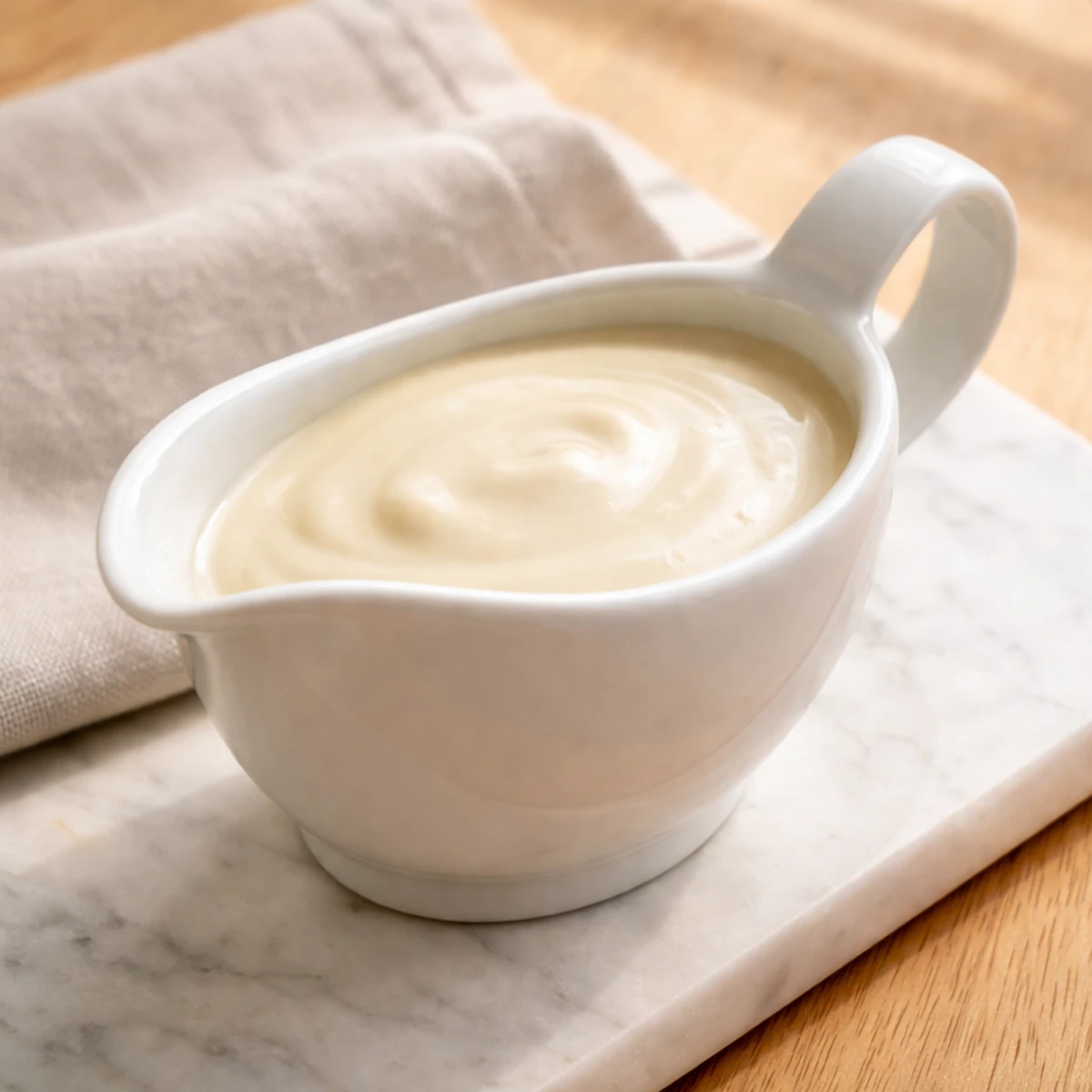
Béchamel sauce is one of the foundational sauces in classic French cooking, often described as a “mother sauce” because so many other sauces and dishes are built from it. At its core, it’s a simple combination of butter, flour, and milk, but the technique matters as much as the ingredients. When done well, béchamel becomes smooth, luxurious, and subtly flavorful, with just enough richness to coat a spoon without feeling heavy.
Its roots trace back to French culinary tradition, where precision and restraint are celebrated. Over time, béchamel became a staple far beyond France, finding a permanent place in kitchens around the world, including American home cooking. In the United States, it shows up in beloved comfort dishes like macaroni and cheese, scalloped potatoes, creamy vegetable bakes, and lasagna. It’s also a key component in dishes like croque monsieur and moussaka-inspired casseroles, making it a truly multicultural kitchen workhorse.
What makes béchamel special is its versatility. It can be kept delicate and neutral, or it can be seasoned with nutmeg, pepper, cheese, herbs, or mustard to suit the dish it supports. That mild profile is exactly why béchamel sauce wine pairing works so well: the sauce doesn’t overpower the wine, and the wine can either echo the creaminess or cut through it with refreshing acidity. For cooks and wine lovers alike, béchamel is a reminder that simple recipes can create elegant results.
Key Ingredients & Their Role
The beauty of béchamel sauce lies in the harmony of just three main ingredients: milk, butter, and flour. Each one plays a distinct role, and when handled properly, they create a sauce that is silky, balanced, and endlessly adaptable.
Butter is the flavor base. It brings richness, a gentle sweetness, and a round mouthfeel that gives the sauce its comforting character. Using good-quality butter makes a noticeable difference, especially in a sauce with so few ingredients. Because butter adds fat, it also softens the edges of the dish, which is one reason creamy recipes often call for wines with bright acidity to keep the palate fresh.
Flour thickens the sauce. When cooked with butter, it forms a roux, which is the structure that gives béchamel its body. The roux should be cooked long enough to lose any raw flour taste, but not so long that it darkens significantly. For a classic white sauce, you want a pale roux that lets the milk shine. From a wine pairing perspective, that smooth, starchy texture can make a wine feel softer and more generous on the palate.
Milk provides volume, silkiness, and the mild flavor that defines the sauce. Whole milk creates the most luxurious texture, but lower-fat milk can work if you want a lighter result. The key is to whisk gradually so the sauce stays smooth. Milk’s gentle sweetness also opens the door to a wide range of wine styles, from crisp whites to light, low-oak reds in certain dishes.
Seasoning is where béchamel becomes personal. A pinch of salt, white pepper, and nutmeg can add warmth and depth without overwhelming the sauce. If you’re using béchamel as part of a richer dish, think about the overall flavor profile before choosing a wine recommendation. Creamy sauces pair best with wines that have enough acidity to refresh the palate, enough body to stand up to the texture, and minimal aggressive tannins. That’s why a thoughtful wine pairing can make béchamel-based dishes feel balanced instead of heavy.
Recipe
Classic Béchamel Sauce Recipe
Prep Time: 5 minutes Cook Time: 10 minutes Total Time: 15 minutes Servings: About 2 cups Difficulty: Easy
Ingredients
- 2 tablespoons unsalted butter
- 2 tablespoons all-purpose flour
- 2 cups whole milk, warmed
- 1/4 teaspoon fine salt, or to taste
- 1/8 teaspoon white pepper, or black pepper if preferred
- Pinch of ground nutmeg, optional
Instructions
- In a medium saucepan over medium heat, melt the butter until foamy but not browned.
- Add the flour and whisk constantly for 1 to 2 minutes to form a smooth roux. The mixture should stay pale and smell slightly nutty, not raw.
- Slowly pour in the warm milk a little at a time, whisking continuously to prevent lumps.
- Continue whisking as the sauce thickens, about 5 to 7 minutes.
- Once the sauce coats the back of a spoon, reduce the heat to low.
- Season with salt, white pepper, and nutmeg if using.
- Taste and adjust seasoning as needed.
- Use immediately, or cover with plastic wrap pressed directly onto the surface to prevent a skin from forming.
Nutrition Facts
Per serving, approximate:
- Calories: 120
- Fat: 8g
- Saturated Fat: 5g
- Carbohydrates: 8g
- Protein: 3g
- Sodium: 180mg
- Sugar: 4g
Dietary Information
- Vegetarian: Yes
- Vegan: No
- Gluten-Free: No
- Dairy-Free: No
Perfect Wine Pairings
Béchamel sauce is mild, creamy, and quietly rich, which makes wine pairing surprisingly flexible. The best wine for Béchamel Sauce usually has enough acidity to lift the sauce, moderate body to match the texture, and a clean finish so the palate doesn’t feel weighed down. Because béchamel often appears in baked dishes, pasta, and vegetable gratins, the surrounding ingredients matter too. Still, there are a few wine styles that consistently work beautifully.
1. California Chardonnay
A well-balanced California Chardonnay is one of the most reliable wine pairing choices for béchamel-based dishes. Look for bottles from Sonoma or cooler parts of Napa that offer ripe apple, pear, and citrus notes with restrained oak. Too much butteriness can make the pairing feel heavy, but a fresh, medium-bodied Chardonnay is a perfect match for creamy pasta, chicken bakes, or vegetable gratins. In the U.S., this style is widely available at Total Wine, Trader Joe’s, BevMo, and grocery stores, often in the $15-30 range.
2. Oregon Pinot Gris
If you want something lighter and more refreshing, Oregon Pinot Gris is a smart wine recommendation. It usually brings crisp acidity, white peach, green apple, and a clean mineral edge that cuts through the richness of béchamel. This is especially good with dishes where the sauce supports vegetables, seafood, or lighter poultry. For many American home cooks, it’s an easy, food-friendly white that feels approachable without being boring.
3. French White Burgundy or Loire White
For a more classic European approach, French whites can be a lovely wine for Béchamel Sauce. White Burgundy offers elegance, subtle oak, and layered texture, while a Loire Valley white such as Chenin Blanc can bring freshness and gentle fruit. These wines work well when you want the pairing to feel refined and balanced rather than flashy. They’re excellent with lasagna, chicken pot pie, or baked dishes where the sauce is part of a larger, savory whole.
4. Spanish Albariño or Italian Soave
If the dish leans lighter, a bright Albariño or crisp Soave can be a wonderful perfect match. Both wines offer lively acidity and a clean, refreshing profile that keeps creamy sauces from feeling too dense. Albariño is especially nice with seafood-based béchamel dishes, while Soave works well with vegetable-forward recipes. These are easy to find at many local wine shops and larger retailers, and they often deliver excellent value.
When choosing wine for Béchamel Sauce, focus less on power and more on balance. Creamy sauces love freshness. If the dish is richer, choose a fuller white; if it’s lighter, go for something zippy and mineral-driven. Vinomat can help you compare these styles and find the perfect match based on what’s in your glass and what’s on your plate.
Cooking Tips & Techniques
The biggest secret to a great béchamel sauce is patience. Start with medium heat and whisk often, because rushing the roux or adding milk too quickly is the fastest way to end up with lumps. Warm milk helps the sauce come together more smoothly, so don’t pour it in cold if you can avoid it. If lumps do form, keep whisking vigorously; in many cases, they’ll smooth out as the sauce cooks.
Another common mistake is undercooking the flour. A raw flour taste can ruin the elegance of the sauce, so give the roux at least a minute or two before adding milk. On the other hand, don’t let it brown if you want a classic white sauce. Color changes the flavor and moves you away from traditional béchamel.
Seasoning matters more than many cooks realize. A little salt, white pepper, and nutmeg can make the sauce taste complete without turning it into something heavy or overly spiced. If you’re using béchamel as the base for another recipe, season lightly at first, then adjust after adding cheese, herbs, or other ingredients. For wine pairing, that restraint pays off: the cleaner the sauce, the easier it is to find a wine that feels like a natural extension of the dish.
Serving Suggestions
Béchamel sauce shines in dishes that invite layering, baking, and bubbling. Spoon it over pasta before baking, fold it into vegetable gratins, or use it as the creamy backbone of a lasagna. It’s also excellent with cauliflower, broccoli, spinach, chicken, and potatoes. For a more elegant presentation, finish the dish with a little grated cheese, fresh herbs, or a light dusting of nutmeg.
When serving a béchamel-based meal, think in terms of contrast. A crisp green salad with a sharp vinaigrette can balance the richness, while roasted vegetables add depth and color. For the table, choose simple white plates that let the creamy sauce stand out visually. If you’re hosting, serve the wine slightly chilled so the acidity stays lively alongside the dish. The result is a relaxed but polished dinner that feels restaurant-worthy at home.
Conclusion
Béchamel sauce proves that the simplest recipes can be the most rewarding. With just milk, butter, and flour, you get a creamy foundation that works across countless dishes and opens the door to thoughtful wine pairing. Whether you prefer a bright California Chardonnay, a crisp Oregon Pinot Gris, or a classic French white, there’s a wine for Béchamel Sauce that can elevate the whole meal.
The next time you make this comforting classic, use Vinomat to explore your options and find the perfect match. A great sauce deserves a great glass, and with the right wine recommendation, even a humble white sauce can feel special.