


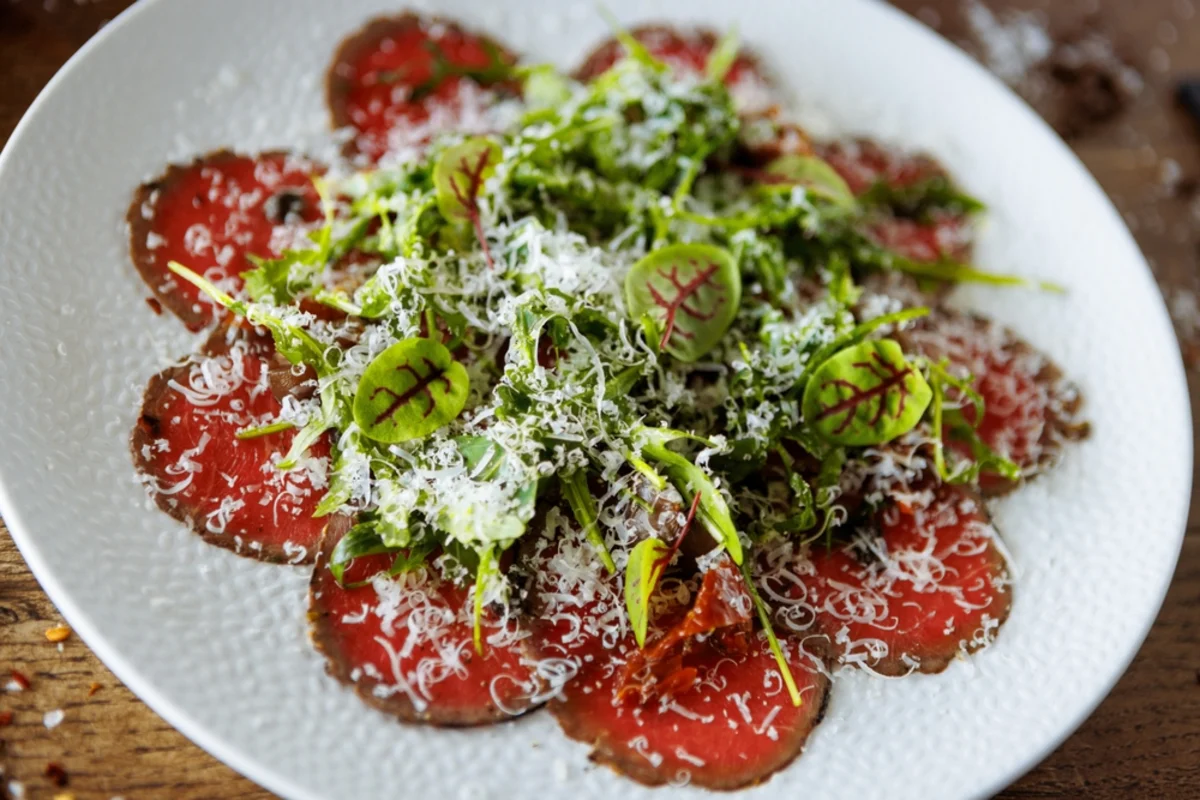
Beef Carpaccio & Wine Pairing: An Elegant Yet Easy Classic
Beef Carpaccio & Wine Pairing: An Elegant Yet Easy Classic
There’s something undeniably luxurious about Beef Carpaccio: translucent slices of beef, peppery arugula, salty Parmesan, a glossy drizzle of truffle dressing. It looks like it came straight out of a fine-dining kitchen, yet it’s surprisingly approachable for the confident home cook.
What makes this dish so special is how effortlessly it sets the stage for a memorable wine pairing. Those salty, umami-rich toppings and the melt-in-your-mouth beef practically beg for a glass of something delicious—maybe a silky Pinot Noir from Oregon, a fresh Italian Barbera, or even a crisp, minerally white.
In this post, you’ll learn how to make Beef Carpaccio at home, understand what makes its flavors tick, and get clear, practical guidance on choosing the perfect match in your glass. Whether you’re shopping at Total Wine, Trader Joe’s, BevMo, or your local wine shop, you’ll find a wine for Beef Carpaccio that fits your taste and budget.
Vinomat can then be your smart sidekick, helping you dial in the best bottle for your specific ingredients and preferences in just a few taps.
About This Dish
Beef Carpaccio is a classic Italian appetizer, traditionally made with paper-thin slices of raw beef tenderloin dressed simply with olive oil, lemon, and Parmesan. It originated in Venice in the mid-20th century and quickly became a symbol of refined, minimalist Italian cooking. The idea is to showcase the pure flavor of high-quality beef—no heavy sauces, no long cooking times, just great ingredients in balance.
Today, you’ll find Beef Carpaccio on menus across the United States, from sleek steakhouses to modern wine bars. American chefs often add their own twists—truffle dressings, pickled onions, fried capers, or shaved vegetables—but the heart of the dish remains the same: ultra-tender beef, bright acidity, and savory, salty accents.
This version leans into that luxurious feel with:
- Beef tenderloin or sirloin for a buttery, delicate texture
- Arugula (rocket) for peppery freshness
- Parmesan for deep, nutty umami
- Borettane onions in sweet vinegar and sun-dried tomatoes in oil for sweet-tangy complexity
- Truffle dressing for an aromatic, earthy note that screams special occasion
Because the flavors are layered—salty, umami, slightly sweet, gently bitter—it’s a dream playground for wine lovers. Matching the right body, acidity, and tannin level transforms the dish from "nice starter" into a restaurant-worthy food-and-wine experience at home.
Whether you’re hosting a date night, a holiday gathering, or just treating yourself on a Tuesday, Beef Carpaccio is a dish that delivers big on elegance with relatively little effort.
Key Ingredients & Their Role
Beef Tenderloin (or Sirloin)
The star of the show is beef tenderloin (or a very high-quality sirloin), chosen for its tenderness and lean profile. Because you’re serving it raw, texture matters: you want meat that slices cleanly and almost melts on the tongue.
Flavor-wise, the beef brings gentle savoriness rather than a heavy, stewy richness. That’s important for wine pairing: you don’t need a huge, high-tannin red like a big Napa Cabernet. Instead, look for wines with:
- Medium body
- Fresh acidity
- Smooth, moderate tannins
Pinot Noir, Barbera, and some Chianti-classico style wines hit this sweet spot beautifully.
Arugula (Rocket)
Arugula adds a peppery, slightly bitter snap that cuts through the richness of the beef and truffle dressing. Its fresh, green character highlights herbal notes in many wines.
Good choices are reds or whites with:
- Lively acidity
- Herbal or floral notes
- Not too much oak
Think Oregon Pinot Noir, Loire-style Sauvignon Blanc, or a crisp Italian white like Soave.
Parmesan Cheese
Parmesan brings concentrated umami and salt, plus a nutty depth that amplifies the savory character of the dish. Umami can make tannins feel more pronounced, so aggressively tannic wines can come off harsh.
For a smart wine recommendation, focus on:
- Reds with softer tannins (Pinot Noir, Barbera, Grenache)
- Whites with good acidity and some texture (Chardonnay with moderate oak, Vermentino)
Borettane Onions in Sweet Vinegar
These gently sweet, tangy onions act like built-in pickles. They brighten the plate, refresh your palate, and subtly echo the acidity you often find in well-balanced wines.
Because of this sweet-sour element, lean toward wines with:
- Fresh, food-friendly acidity
- Not too much residual sugar
Italian reds from cooler regions (like Barbera d’Asti) or Spanish Tempranillo with bright fruit can be seamless partners.
Sun-Dried Tomatoes in Oil
Sun-dried tomatoes contribute concentrated tomato flavor, gentle sweetness, and a bit of chew. Their intensity adds complexity and works well with wines that show red-fruit notes—cherry, raspberry, strawberry.
This is one reason why Pinot Noir, Sangiovese, and Grenache are such a perfect match: their juicy red fruit plays beautifully with the tomato’s sweetness.
Truffle Dressing & Olive Oil
The truffle dressing adds heady, earthy aromas that make the dish feel decadent. Combined with good olive oil, it gives a silky mouthfeel.
Earthy, mushroomy notes in wine (common in Pinot Noir and some aged European reds) are a natural echo here. The oil and dressing also soften acidity, so you can comfortably pour wines that are bright without feeling sharp.
Altogether, these ingredients create a salty, umami-driven, gently tangy dish that thrives with balanced, food-friendly wines rather than bold, aggressive bottles.
Recipe
| Prep Time | 25 minutes |
|---|---|
| Cook Time | 10 minutes |
| Total Time | 35 minutes |
| Servings | 4 |
| Difficulty | Moderate |
Ingredients:
- 400 g Beef tenderloin (or sirloin)
- 100 g Arugula (rocket)
- 50 g Parmesan cheese
- 8 pieces Borettane onions (in sweet vinegar)
- 8 pieces Sun-dried tomatoes (in oil)
- 4 tbsp Truffle dressing
- 2 tbsp Olive oil
- To taste Salt
- To taste Black pepper (freshly ground)
Instructions:
- Wrap the beef tenderloin tightly in plastic wrap to form a firm cylinder. Freeze for 1-2 hours until firm but not frozen solid. This makes it easier to slice thinly.
- While the beef chills, finely grate the Parmesan cheese using a microplane. Set aside for garnishing later.
- Slice the Borettane onions into halves and pat the sun-dried tomatoes dry with a paper towel. Cut the tomatoes into thin strips.
- Once the beef is firm, use a very sharp knife to slice it into wafer-thin pieces. Arrange the slices on four chilled plates, overlapping slightly to form circles.
- Season the beef slices lightly with salt and freshly ground black pepper. Drizzle 1/2 tbsp of olive oil over each plate of beef slices.
- Toss the arugula gently with 2 tbsp of the truffle dressing in a mixing bowl. Place a handful of dressed arugula on top of the beef on each plate.
- Distribute the halved Borettane onions and strips of sun-dried tomatoes around the arugula on each plate.
- Drizzle the remaining truffle dressing (approximately 1 tbsp per plate) over the arugula and toppings. Garnish with the finely grated Parmesan cheese.
- Serve immediately as an elegant appetizer or light main course.
Nutrition Facts (per serving):
- Calories: 240 kcal
- Protein: 22.0g
- Fat: 18.0g
- Carbohydrates: 4.0g
- Salt: 1.5g
Dietary Information: Gluten-free, Contains dairy, Nut-free
Perfect Wine Pairings
When you think about wine pairing for Beef Carpaccio, focus less on power and more on finesse. The dish is delicate yet savory, with salty Parmesan, truffle notes, and tangy onions. You want wines that are:
- Light to medium-bodied
- Brightly acidic
- Low to medium in tannins
- Aromatic enough to stand up to truffle and Parmesan
Here are some reliable styles and regions, with a United States–focused lens and easy shopping options.
1. Pinot Noir (Oregon, Sonoma, Carneros)
Pinot Noir is one of the best all-around wines for Beef Carpaccio. Its red cherry, strawberry, and subtle earth notes mirror the beef and truffle beautifully.
Look for:
- Oregon Pinot Noir: typically bright acidity, red fruit, and forest-floor aromatics. A $20–$30 bottle from the Willamette Valley is an excellent perfect match.
- California Pinot Noir (Sonoma Coast, Russian River, Carneros): often a bit riper, with plush red fruit and soft tannins.
You can find solid options at Total Wine, BevMo, and even Trader Joe’s in the $15–$30 range.
2. Chianti Classico or Sangiovese (Italy)
The savory herbs and cherry notes in Chianti Classico or other Sangiovese-based wines are classic with Italian antipasti and work wonderfully here.
Choose bottles that are:
- Medium-bodied
- Fresh and slightly tart, with red cherry and tomato-leaf notes
- Not overly oaky
The tomato-like acidity in Sangiovese echoes the sun-dried tomatoes in the dish and enhances the salty Parmesan. Look for dependable DOCG-level Chianti Classico or a good Tuscan Sangiovese in the $15–$25 range from your local wine shop or Total Wine.
3. Barbera (Piedmont, Italy)
Barbera d’Asti or Barbera d’Alba is another excellent wine for Beef Carpaccio. Barbera brings juicy red and black fruit, vibrant acidity, and very soft tannins—perfect with raw beef and salty cheese.
Why it works:
- High acidity cuts through olive oil and truffle dressing
- Low tannins keep the pairing smooth and friendly
- Red-fruit notes play nicely with sun-dried tomatoes and sweet onions
You’ll often see Barbera in the $15–$20 range, making it a great value wine recommendation.
4. Elegant Spanish Tempranillo (Rioja Crianza / Reserva)
If you prefer something with a touch more structure but still food-friendly, look to Rioja Crianza or Reserva made from Tempranillo.
Look for:
- Medium body
- Red cherry, dried herbs, and subtle vanilla from oak
- Gentle, polished tannins
The savory profile and hints of leather or spice match beautifully with the umami-rich beef and Parmesan. Many great bottles land comfortably in the $15–$25 range at BevMo or Total Wine.
5. A White Option: Chardonnay or Sauvignon Blanc
If you lean white, choose something with good acidity and some texture.
- Unoaked or lightly oaked Chardonnay from Sonoma Coast or Carneros: its citrus, apple, and subtle creaminess pair well with the beef’s texture and the truffle dressing.
- Sauvignon Blanc (California or Loire-style): zippy acidity and herbal notes echo the arugula and cut through the richness.
Stay in the $15–$25 range and look for descriptions like "crisp," "food-friendly," or "minerally" on the label.
When in doubt, open Vinomat, plug in Beef Carpaccio, and let it suggest the perfect match based on what you’re cooking and what’s available near you.
Cooking Tips & Techniques
Beef Carpaccio feels cheffy, but success comes down to a few smart techniques.
Choose the Right Beef
- Use beef tenderloin or center-cut sirloin from a trusted butcher.
- Ask for the freshest piece available; because it’s served raw, quality and handling matter.
Chill for Easy Slicing
- Freezing the wrapped tenderloin for 1–2 hours firms it up so you can slice paper-thin without tearing.
- Use your sharpest knife and slice against the grain for the most tender texture.
Plate on Chilled Dishes
- Chilled plates help keep the beef fresh and cool while you garnish.
- Arrange slices slightly overlapping in circles—it looks restaurant-level with minimal effort.
Season Lightly, but Well
- Because the beef is delicate, use fine salt and freshly ground black pepper.
- Season just before serving so the salt doesn’t draw out too much moisture.
Balance the Toppings
- Don’t overload the plate. The goal is harmony: a layer of beef with an elegant tuft of arugula, a few onions, and scattered tomato strips.
- Go easy on the truffle dressing; it’s aromatic and can dominate if you’re heavy-handed.
Food Safety Notes
- Keep the beef cold at all times.
- Work quickly, and serve immediately after assembling.
- This dish is not recommended for those who should avoid raw meat (pregnant people, immunocompromised, etc.).
Nail these basics and your Beef Carpaccio will be silky, flavorful, and more than worthy of a great bottle of wine.
Serving Suggestions
Beef Carpaccio shines as an elegant appetizer or a light main course, especially when you build a simple, thoughtful menu around it.
How to Present
- Use large, flat white plates to showcase the vivid red beef and green arugula.
- Arrange the beef in overlapping circles, then gently mound the arugula in the center.
- Scatter Borettane onions and sun-dried tomatoes around the greens, then shower with a snowfall of finely grated Parmesan.
- Finish with a final gloss of truffle dressing and a light grind of black pepper.
What to Serve Alongside
- Bread: Thin slices of lightly toasted baguette or ciabatta, brushed with olive oil.
- Salad: A simple side of mixed greens with lemon and olive oil works well if you’re serving Carpaccio as a starter to a larger meal.
- Main Course Ideas: If Carpaccio is your opener, follow with a simple pasta, grilled fish, or roast chicken.
Setting the Scene
Pour your chosen wine into proper stemware, serve it slightly cooler than room temperature for reds (around 60–65°F) and nicely chilled but not icy for whites.
Turn on some music, dim the lights a little, and you’ve just transformed your dining room into your own wine bar—complete with a dish that tastes like it came from a professional kitchen.
Conclusion
Beef Carpaccio is one of those dishes that makes any evening feel special—yet once you’ve tried it, it becomes surprisingly achievable for a home cook. With tender slices of beef, peppery arugula, salty Parmesan, and truffle-scented dressing, it’s practically designed for a great wine pairing.
Use Vinomat to explore which wine for Beef Carpaccio suits your mood—maybe an Oregon Pinot, a sleek Barbera, or a Chianti from your local Total Wine, Trader Joe’s, or BevMo. As you experiment, you’ll start to recognize your own perfect match, turning a simple plate of raw beef into a signature dish you’ll be proud to serve again and again.