


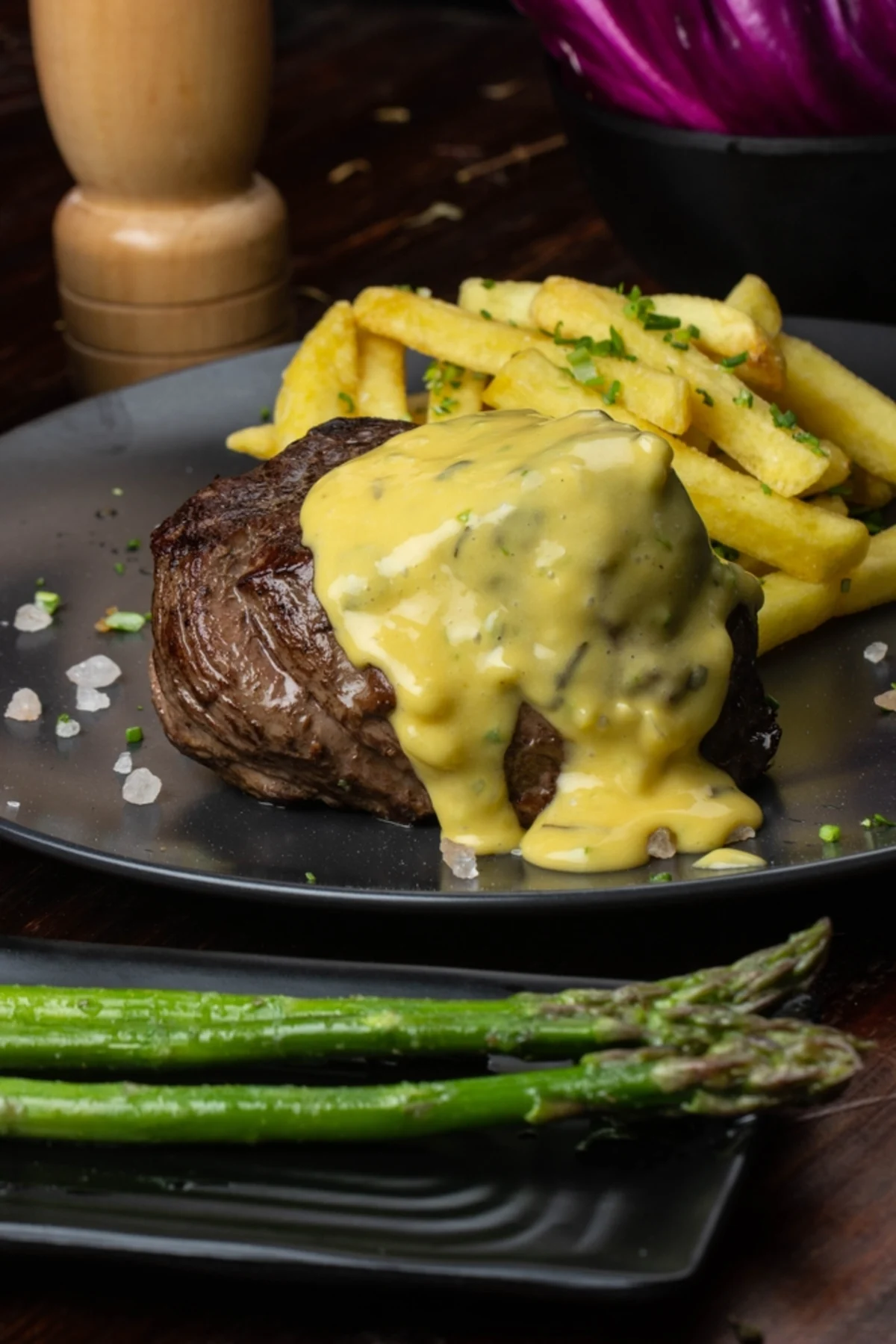
Beef Tenderloin with Béarnaise Sauce: Recipe, Wine Pairing & Tips
Beef Tenderloin with Béarnaise Sauce: The Ultimate Recipe & Wine Pairing Guide
Few dishes capture the spirit of celebration like beef tenderloin paired with luxurious Béarnaise sauce. This combination, served with crisp French fries and vibrant asparagus, transforms any dinner into an elegant experience. Whether you're hosting a holiday feast, a special occasion, or simply craving an elevated meal at home, this beef tenderloin recipe is your ticket to restaurant-quality dining. And with the right wine pairing, you’ll unlock a world of flavor that elevates every bite. Ready to become the hero of your own kitchen?
About This Dish
Beef tenderloin with Béarnaise sauce is a classic that’s long been the centerpiece of fine dining across the United States and Europe. The tenderloin, prized for its buttery texture and mild, beefy flavor, is considered the most tender cut of beef. When cooked with care and paired with the rich, tarragon-laced Béarnaise sauce, it delivers a harmony of umami, salt, and butter that food lovers dream about.
Rooted in French culinary tradition, Béarnaise sauce is a cousin of Hollandaise, made distinctive by the addition of tarragon and shallots. Its creamy, aromatic profile was designed to complement beef, and few sauces highlight a perfectly cooked tenderloin quite like Béarnaise. In the U.S., this dish is often associated with festive gatherings, steakhouse menus, and memorable home-cooked meals.
What makes beef tenderloin recipes stand out is their adaptability—the cut is just as at home in casual family dinners as it is at formal celebrations. The addition of Béarnaise sauce and classic French fries (pommes frites) nods to both French bistro culture and American comfort food, bridging global influences in one unforgettable plate. The combination of crisp fries, tender beef, and silky sauce is pure magic—especially when brought together with a thoughtfully chosen wine.
Key Ingredients & Their Role
Let’s break down what makes this beef tenderloin recipe so special, and why each ingredient matters—not just for flavor, but for wine pairing, too:
- Beef Tenderloin: The star of the show. Its delicate flavor and melt-in-your-mouth texture provide a canvas for bold sauces and full-bodied wines. Because it’s lean yet tender, it loves both red wines with good structure and those with elegant, restrained tannins.
- Salt & Black Pepper: Seasoning is critical. Salt enhances the natural beefiness, while freshly ground pepper adds a subtle bite that stands up to the richness of the sauce.
- Butter & Vegetable Oil: Butter sears the beef and finishes the sauce, infusing everything with a deep, creamy mouthfeel—an important consideration when choosing a wine that can cut through or complement this richness.
- Asparagus & Olive Oil: The green, earthy flavors of asparagus add freshness and contrast, balancing the heaviness of the beef and sauce.
- French Fries (Pommes Frites): Their crisp texture and salty bite are the perfect foil for tender beef and creamy Béarnaise. They also introduce a casual, festive touch that’s beloved in American and French food cultures alike.
- Egg Yolks, White Wine Vinegar, Shallots, Tarragon, Lemon Juice (for Béarnaise Sauce): The sauce’s silky base, aromatic herbs, and bright acidity are crucial. Tarragon’s anise flavor is classic, while vinegar and lemon juice add the acidity needed to balance butter and beef. These elements also inform your wine selection—a wine with some acidity is ideal to match the sauce’s tang and cut through its richness.
- Chives (Garnish): These add a fresh, oniony lift at the finish.
When pairing wine with beef tenderloin in oven or on the stove, consider the interplay of beef’s umami, the sauce’s tang, and the overall buttery richness. Wines with vibrant acidity, moderate tannins, and expressive fruit or herbal notes will shine—think Bordeaux, Napa Cabernet, or Oregon Pinot Noir.
Recipe
| Prep Time | 40 minutes |
|---|---|
| Cook Time | 20 minutes |
| Total Time | 60 minutes |
| Servings | 4 |
| Difficulty | Moderate |
Ingredients:
- 4 pieces (200 g each) Beef fillet (alternatively sirloin or ribeye)
- to taste Salt
- to taste Black pepper (freshly ground)
- 4 tbsp Butter (unsalted)
- 2 tbsp Vegetable oil
- 12 spears Asparagus (green)
- 2 tbsp Olive oil
- 4 cups (prepared or frozen) French fries
- 3 Egg yolks
- 2 tbsp White wine vinegar
- 2 small shallots Shallots (finely chopped)
- 2 tbsp (fresh and finely chopped, or 1 tbsp dried) Tarragon (fresh or dried)
- 1 tbsp Water
- 1 cup Butter (unsalted, melted)
- 1 tsp Lemon juice
- 2 tbsp Chives (finely chopped, for garnish)
Instructions:
- Preheat the oven to 200°C (390°F) for the French fries. Prepare a baking tray and spread the prepared or frozen fries evenly for baking. Season lightly with salt and bake for 20-25 minutes or until crispy.
- Rinse the asparagus, trim the tough ends, and set aside. Drizzle with olive oil and season with salt and pepper.
- Season the beef fillets on both sides with salt and freshly ground black pepper. Let the meat rest at room temperature for 10-15 minutes.
- In a saucepan, combine white wine vinegar, shallots, tarragon, and water. Simmer until reduced by half. Strain the liquid and discard the solids.
- In a heatproof bowl, whisk the egg yolks with the reduced vinegar mixture. Place the bowl over a pot of simmering water (double boiler) and whisk constantly until the mixture thickens and becomes creamy. Gradually drizzle in the melted butter while continuing to whisk. Season with lemon juice, salt, and additional tarragon. Remove from heat and keep warm.
- Heat a large skillet over medium-high heat. Add vegetable oil and 2 tbsp of butter. When the butter foams, add the beef fillets. Sear each side for 2-3 minutes until a brown crust forms, then reduce the heat and cook to desired doneness: Rare (2-3 minutes per side, internal temp 50°C/120°F), Medium-rare (4-5 minutes per side, 57°C/135°F), Medium (6-8 minutes per side, 63°C/145°F), or Medium-well (9-10 minutes per side, 68°C/155°F). Allow the fillets to rest for 5 minutes after cooking.
- Using the same skillet, melt 2 tbsp of butter and sauté the asparagus over medium heat for 3-4 minutes until tender but crisp.
- Plate each dish by placing a beef fillet in the center. Drizzle Bearnaise sauce generously over the beef. Arrange a portion of French fries beside the beef and the asparagus spears nearby. Garnish with chopped chives and serve immediately.
Nutrition Facts (per serving):
- Calories: 700 kcal
- Protein: 35.0g
- Fat: 45.0g
- Carbohydrates: 40.0g
- Salt: 2.5g
Dietary Information: Gluten-free, Contains dairy, Nut-free
Perfect Wine Pairings
An iconic dish like beef tenderloin with Béarnaise sauce deserves a thoughtfully chosen wine. The right wine pairing not only complements the flavors of the meat and sauce but brings out the best in both. Here’s how to choose the perfect bottle and where to find it, whether you’re shopping at Total Wine, Trader Joe’s, BevMo, or your favorite local wine shop.
What to Look for in a Wine Pairing
- Body: Beef tenderloin is lean but rich, so a medium to full-bodied red stands up to the dish without overwhelming it.
- Acidity: The Béarnaise sauce brings bright, tangy acidity. Wines with good acidity—think Pinot Noir or Bordeaux—cut through the richness and refresh the palate.
- Tannins: Too much tannin can clash with the sauce’s acidity and creamy texture. Look for reds with moderate tannins or smooth, well-integrated structure.
- Aroma & Flavor: Herbal or earthy notes in the wine echo the tarragon and shallot in the sauce, while ripe fruit can complement the umami of the beef.
Top Wine Recommendations
- California Cabernet Sauvignon (Napa/Sonoma)
- Why it works: Classic pairing for beef loin recipes. The rich, dark fruit and velvety tannins of Napa or Sonoma Cabernets harmonize with the beef. The sauce’s acidity balances the wine’s structure.
- Where to find: Widely available at Total Wine, BevMo, and many grocery stores. Look for bottles in the $20–$30 range for excellent quality and value.
- Oregon Pinot Noir
- Why it works: Pinot’s lively acidity, silky tannins, and red fruit flavors are a dream with both tenderloin and Béarnaise. Earthy undertones mirror the sauce’s herbal notes.
- Where to find: Trader Joe’s, local wine shops, and national retailers often carry Willamette Valley Pinots for $18–$30.
- Left Bank Bordeaux (France)
- Why it works: Cabernet-Merlot blends from Bordeaux offer blackcurrant, graphite, and herbal complexity. Their freshness and moderate tannins pair beautifully with the sauce and fries.
- Where to find: Total Wine, BevMo, and specialty shops, with solid bottles in the $20–$28 range.
- Spanish Tempranillo (Ribera del Duero or Rioja Reserva)
- Why it works: Spanish reds bring savory spice, juicy fruit, and a touch of earth—perfect for beef tenderloin in oven or skillet.
- Where to find: Look for Ribera del Duero or Rioja at grocery stores, Trader Joe’s, and Total Wine from $15–$25.
Bonus: American Merlot or Italian Barbera
- For a softer, plush option, try a Washington State Merlot or a lively Barbera d’Asti from Italy. Both offer bright fruit and enough acidity to handle the sauce.
With Vinomat, you can discover even more pairing options tailored to your taste, budget, and local wine selection—making wine pairing easy and fun for everyone.
Cooking Tips & Techniques
Mastering how to cook beef tenderloin is about attention to detail, from seasoning to doneness. Here are some pro tips for success:
- Bring Beef to Room Temperature: Letting meat rest before cooking ensures even heat distribution and a perfect crust.
- Season Generously: Don’t skimp on salt and pepper—season both sides of each fillet just before cooking.
- Sear, Then Finish: Searing creates a flavorful crust. For even cooking, finish the beef in the oven or lower the skillet heat to reach your desired doneness.
- Check Temperature: Use a meat thermometer. For rare, aim for 120°F; medium-rare, 135°F; medium, 145°F; medium-well, 155°F.
- Rest Before Serving: Letting the beef rest after cooking allows juices to redistribute, keeping it juicy.
- Sauce Wisdom: Béarnaise can be tricky. Whisk constantly and add butter slowly for a silky, lump-free sauce. If the sauce splits, whisk in a splash of warm water to bring it back together.
- French Fries & Asparagus: Bake fries until deep golden for maximum crunch. Sauté asparagus until just tender to preserve color and bite.
Serving Suggestions
Presentation is everything when serving beef tenderloin with Béarnaise sauce. Here’s how to create a restaurant-worthy plate at home:
- Plating: Place the beef fillet center-stage on a warm plate. Spoon Béarnaise sauce generously over the top, letting it cascade down the sides.
- Sides: Arrange a portion of crispy French fries alongside the beef for texture and a playful touch. Nestle sautéed asparagus spears next to the fries for color and freshness.
- Garnish: Sprinkle with chopped chives for a pop of green and a hint of oniony brightness.
- Wine Service: Pour your chosen wine in large glasses to highlight its aroma. For a full experience, offer a selection so guests can explore different pairings.
- Setting: Dim the lights, set the table with cloth napkins, and play soft music for a bistro-inspired atmosphere. Add candles for extra charm.
This dish is perfect for date nights, holiday gatherings, or any special meal where food and wine take center stage.
Conclusion
Beef tenderloin with Béarnaise sauce is more than a meal—it’s an invitation to slow down, savor, and celebrate. With its perfect balance of flavors and textures, this beef tenderloin recipe will impress even the most discerning guests. Pair it with a thoughtfully selected wine—using Vinomat to discover the best match for your taste and budget—and you’ll create a dining memory that lingers long after the last bite. Ready to elevate your next dinner? Gather your ingredients, uncork a great bottle, and enjoy the magic of food and wine pairing at home.