


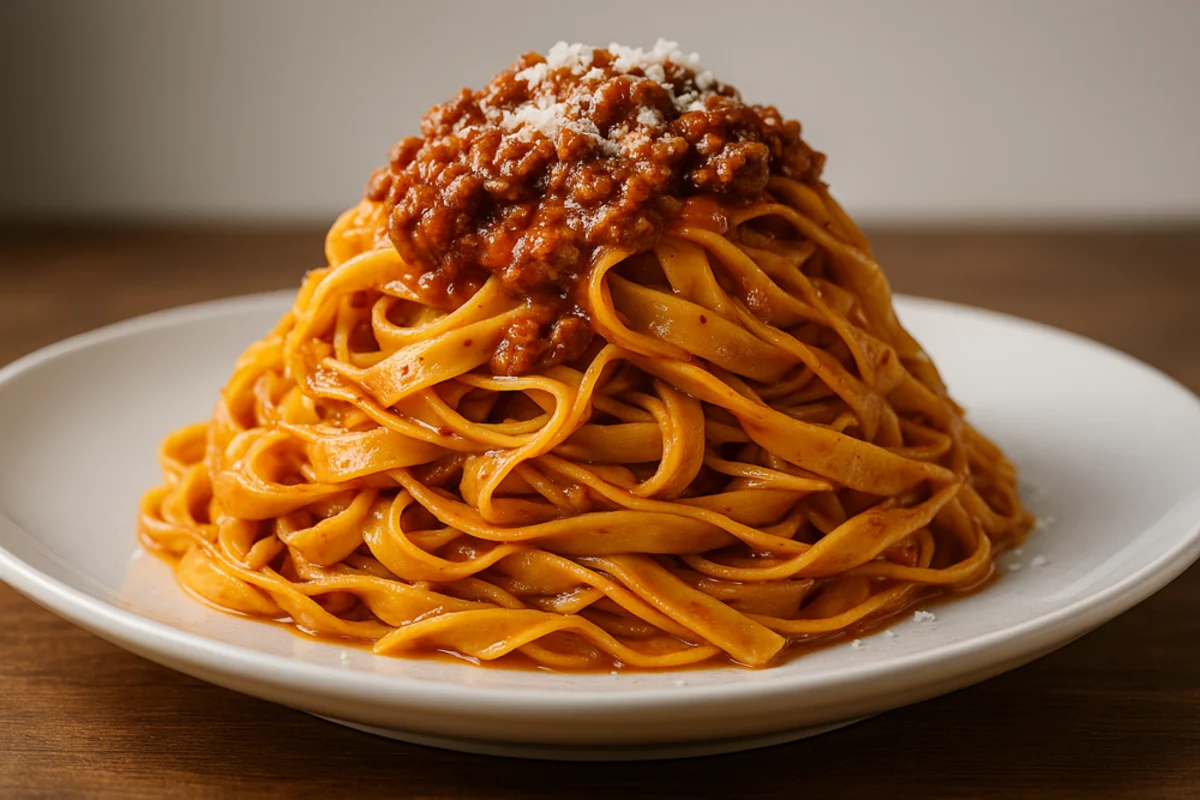
Ragu Bolognese with Tagliatelle: Classic Comfort & Wine Pairing
Ragu Bolognese with Tagliatelle: A Slow-Simmered Classic for Wine Lovers
Few dishes say slow comfort like a deeply simmered ragu bolognese wrapped around silky tagliatelle. The sauce is rich with mixed minced meat, sweet onion, and velvety tomato passata, cooked low and slow until every bite is savory, tender, and packed with umami. It’s exactly the kind of dish that makes you want to open a good bottle of wine, call a few friends, and linger at the table.
In this guide, we’ll walk through a truly satisfying, easy ragu bolognese recipe for home cooks, then explore the best wine pairings—from affordable California reds to Italian imports you can grab at Total Wine, Trader Joe’s, BevMo, or your favorite local shop. Vinomat can then help you fine‑tune the perfect bottle for your taste and budget.
About This Dish: From Bologna to Your Weeknight Table
Ragù alla Bolognese originates in Bologna, the food‑loving capital of Italy’s Emilia‑Romagna region, a place famous for Parmigiano Reggiano, prosciutto di Parma, and deeply flavored meat sauces. Traditionally, this sauce isn’t the heavy tomato-forward “spaghetti Bolognese” many Americans grew up with—it’s a slow-cooked meat ragù, gently enriched with tomato, wine, and sometimes milk, designed to cling to fresh egg pasta.
The ragu alla bolognese official recipe registered with the Accademia Italiana della Cucina calls for coarsely ground beef, pancetta, soffritto (onion, carrot, celery), tomato, wine, and a long, gentle simmer. Our version stays true to that spirit while leaning into ingredients that are easy to find in U.S. grocery stores: mixed minced meat, tomato passata, onion, and a few pantry staples.
Why tagliatelle? In Bologna, this ragù is classically paired with wide ribbons of fresh egg pasta, whose rough surface catches every bit of sauce. The result is a perfect balance: rich but not heavy, comforting but still elegant enough for date night.
This dish is also a dream for wine pairing. The sauce’s umami depth, light sweetness from slow‑cooked onion and tomato, and gentle fattiness from the meat all invite medium- to full-bodied reds with good acidity and moderate tannins. That makes ragu bolognese a fantastic canvas for exploring wines from both the Old World (Italy, France, Spain) and New World regions like California, Oregon, and Washington.
Key Ingredients & Their Role in Ragu Bolognese
At its heart, ragu bolognese is about layering flavor slowly. Each key ingredient plays a specific role—and understanding that also helps you dial in better wine pairings.
Mixed Minced Meat
Using mixed minced meat (typically beef plus pork) adds complexity and mouthfeel.
- Beef brings deep, savory, almost brothy notes.
- Pork adds gentle sweetness, fat, and a rounder texture.
That richness calls for wines with enough structure and acidity to cut through the fat without overpowering the dish—think Sangiovese-based reds, Barbera, or a balanced California Cabernet.
Onion (and the Soffritto)
Onion is the aromatic backbone here, often joined by carrot and celery in a traditional soffritto. Slow cooking the onion until it softens and sweetens builds a subtle natural sweetness that balances the acidity of the tomato passata.
This sweetness is important for pairing: wines that are too tannic and austere can taste harsh against it, while wines with lively acidity and ripe fruit feel harmonious. That’s why a juicy Oregon Pinot Noir or a Spanish Tempranillo can be so good with ragu bolognese.
Tomato Passata
Tomato passata (smooth, sieved tomatoes) gives the sauce its gentle tang, gloss, and beautiful brick-red color. Unlike chunky tomato sauces, passata melts into the meat, creating a velvety, cohesive ragù.
Tomatoes bring acidity, so wines should match or exceed that acidity to avoid tasting flat. Italian reds from cooler regions (like Chianti) or domestic wines with fresh, bright fruit are ideal partners.
Wine in the Sauce
Adding a splash of wine to the pan does two things:
- It deglazes browned bits from the meat, adding depth.
- It layers in subtle fruit and acidity that echo the wine you’ll serve at the table.
You can use either red or white wine for cooking; red emphasizes savory notes, while white keeps the sauce a bit lighter. Whichever you use, keep it dry and something you’d drink.
Tagliatelle
Tagliatelle is the traditional partner for ragu alla bolognese recipe: flat, wide ribbons that trap sauce in every fold. Fresh egg pasta in particular adds a rich, silky texture that stands up to the robust ragù.
Because the pasta itself has flavor (not just a neutral starch), you can comfortably lean into more complex, structured wines without overwhelming the dish.
Ragu Bolognese with Tagliatelle Recipe
At a Glance
- Servings: 4–6
- Prep Time: 20 minutes
- Cook Time: 2½–3 hours (mostly unattended)
- Total Time: 3 hours 15 minutes
- Difficulty: Moderate (mostly about patience, not technique)
Ingredients
For the ragu bolognese:
- 2 tbsp olive oil
- 2 tbsp unsalted butter
- 1 large onion, finely chopped
- 1 medium carrot, finely chopped (optional but recommended)
- 1 celery stalk, finely chopped (optional but recommended)
- 1 lb (450 g) mixed minced meat (about 60% ground beef, 40% ground pork)
- 2 oz (60 g) pancetta or bacon, finely diced (optional but flavorful)
- 1 cup (240 ml) tomato passata
- 2 tbsp tomato paste
- ½ cup (120 ml) dry red or white wine
- 1 cup (240 ml) beef or chicken stock, plus more as needed
- ½ cup (120 ml) whole milk or half‑and‑half
- 1 bay leaf (optional)
- Salt and freshly ground black pepper
- Pinch of nutmeg (optional, traditional in some versions)
For the tagliatelle:
- 12–16 oz (340–450 g) fresh or dried tagliatelle
- Salt for the pasta water
To serve:
- Freshly grated Parmigiano Reggiano
- Extra virgin olive oil (optional)
Step-by-Step Instructions
- Make the soffritto base
In a heavy Dutch oven or large pot, heat the olive oil and butter over medium heat. Add the onion (plus carrot and celery, if using) with a pinch of salt. Cook slowly, stirring often, until very soft and lightly golden, 8–10 minutes. You want sweetness, not browning.
- Brown the pancetta and meat
Add the pancetta or bacon (if using) and cook until some fat renders and it begins to brown. Add the mixed minced meat, breaking it up with a wooden spoon. Cook over medium-high heat until the meat loses its raw color and starts to brown in spots, 8–10 minutes. Take your time—this browning builds flavor.
- Deglaze with wine
Pour in the wine and stir, scraping up any browned bits from the bottom of the pot. Let it simmer until most of the liquid has evaporated and the pan is nearly dry.
- Add tomato and seasonings
Stir in the tomato paste and cook for 1–2 minutes to caramelize it slightly. Add the tomato passata, bay leaf (if using), a pinch of nutmeg, and a good pinch of salt and pepper. Add about ½ cup of stock and stir to combine.
- Slow simmer
Lower the heat to very gentle (you want an occasional lazy bubble). Partially cover and simmer for about 1½ hours, stirring every 15–20 minutes. Add a splash of stock as needed to keep the ragù moist but not soupy. The sauce should gradually thicken and become glossy.
- Enrich with milk
Stir in the milk, then continue cooking over low heat for another 30–45 minutes. The sauce should be thick, rich, and cling to a spoon. Taste and adjust seasoning with more salt and pepper.
- Cook the tagliatelle
Bring a large pot of well-salted water to a boil. Cook the tagliatelle until just al dente according to package directions (fresh pasta will cook quickly). Reserve ½ cup of the pasta water, then drain.
- Combine pasta and ragù
Return the tagliatelle to the pot or a large skillet. Add enough ragu bolognese to generously coat the pasta (you may not need all of it) along with a splash of reserved pasta water if needed to loosen. Toss over low heat for 1–2 minutes so the pasta absorbs the sauce.
- Serve
Plate the tagliatelle, top with more ragù if desired, and finish with a generous shower of freshly grated Parmigiano Reggiano. Drizzle with a touch of good olive oil if you like.
Nutrition & Dietary Notes (Approximate per Serving, 1 of 6)
- Calories: ~600–700
- Protein: 30–35 g
- Carbohydrates: 55–65 g
- Fat: 25–30 g
- Fiber: 3–4 g
Dietary information:
- Contains gluten (tagliatelle) and dairy (butter, milk, cheese).
- To make it gluten-free, use gluten-free tagliatelle or another GF pasta.
- To make it lighter, reduce pancetta and butter, and use leaner meat—but some fat is key to the best texture and flavor.
Perfect Wine Pairings for Ragu Bolognese
A great wine pairing can turn your best ragu bolognese recipe into a restaurant-level experience at home. With a rich, meaty sauce like this, you want a wine that checks a few boxes:
- Medium to full body to stand up to the richness
- Good acidity to cut through fat and match the tomato’s brightness
- Moderate tannins (firm, but not mouth-drying)
- Savory or earthy notes to echo the umami depth
Here are some stellar options you can usually find at Total Wine, Trader Joe’s, BevMo, or a well-stocked local wine shop in the $15–$30 range.
1. Sangiovese & Chianti (Italy)
For anything close to a ragu alla bolognese official recipe, Sangiovese is a natural match.
- Why it works: High acidity, red cherry fruit, and herbal, earthy notes that mirror the sauce’s tomato and savory flavors.
- What to look for: Chianti Classico or Rosso di Montalcino with 12.5–14% ABV, not overly oaked.
You’ll find solid options around $15–$25 at Total Wine and many grocery stores.
2. Barbera (Piedmont, Italy)
Barbera is a fantastic, often under‑$20 wine recommendation for ragu bolognese.
- Why it works: Juicy red and black fruit, bright acidity, and softer tannins that play beautifully with the sauce’s sweetness from onion and tomato.
- What to look for: Barbera d’Asti or Barbera d’Alba, labeled “Superiore” if you want a bit more body.
Trader Joe’s frequently stocks approachable Barbera in the $12–$18 range.
3. Oregon Pinot Noir (United States)
If you prefer New World wines, Oregon Pinot Noir is an elegant partner for this best bolognese ragu recipe.
- Why it works: Silky texture, bright red berry fruit, and foresty, earthy notes that echo the ragù’s depth without overwhelming it.
- What to look for: Willamette Valley Pinot Noir, 13–14% ABV, with balanced oak.
Expect good bottles between $20–$30 at Total Wine, BevMo, and local wine shops.
4. California Cabernet Sauvignon & Blends
For a bolder American take, a medium-bodied California Cabernet or Bordeaux-style blend can shine with ragu bolognese, especially if you went heavy on the beef and pancetta.
- Why it works: Dark fruit, structured tannins, and subtle oak spice complement the sauce’s richness and umami.
- What to look for: Napa or Sonoma Cabs with good acidity and moderate oak, or red blends labeled “Bordeaux blend” or “Meritage.” Aim for $18–$30.
If the sauce is very delicate, Cabernet might be too big; in that case, lean back toward Sangiovese or Pinot.
5. Spanish Tempranillo (Rioja or Ribera del Duero)
For something different but very food‑friendly, Spanish Tempranillo offers a great wine match.
- Why it works: Red and dark fruits, leather, and spice notes mesh nicely with long-simmered meat and tomato.
- What to look for: Crianza or Reserva Rioja for a balance of fruit and oak, usually $15–$25.
Cooking Tips & Techniques for the Best Ragu Bolognese
If you’re chasing the best ragu bolognese recipe, it’s less about secret ingredients and more about mindful technique.
Take Your Time with Browning
Don’t rush the meat. Proper browning, not just “gray and cooked,” builds deep flavor. Use medium-high heat, avoid crowding the pan too much, and stir occasionally so you get some caramelization without burning.
Keep the Heat Gentle
Once liquid is added, the sauce should gently simmer, not boil vigorously. A rolling boil can make the meat tough and reduce the sauce too quickly. You’re looking for a few slow bubbles, not an active boil.
Layer Liquids, Don’t Dump
Add wine, let it reduce. Then add tomato and a bit of stock, and later the milk. This staged approach develops complexity. It’s a principle used in many traditional ragu alla bolognese recipe versions.
Season Gradually
Salt at each stage—soffritto, meat, then the final sauce. This builds balanced seasoning rather than a salty finish.
Make Ahead for Better Flavor
Ragù tastes even better the next day as flavors meld. Make a double batch of ragu bolognese, chill, and gently rewarm with a splash of stock or water. It also freezes beautifully for up to 3 months.
Taste with Your Wine
If you already have your bottle open, taste a small spoonful of sauce and a sip of wine together while cooking. Adjust salt and richness (a splash more stock, an extra grating of cheese) to find a better harmony.
Serving Suggestions: Bringing It All Together
To showcase this ragu bolognese with tagliatelle, think simple, warm, and inviting.
- Portioning: Serve generous nests of tagliatelle in warm, shallow bowls. Twirl the pasta before plating so the ragù clings and doesn’t pool at the bottom.
- Cheese: Offer a small bowl of freshly grated Parmigiano Reggiano at the table for guests to add as they like.
- Sides: A crisp green salad with a light vinaigrette and a loaf of crusty bread are all you need. Their freshness balances the richness of the sauce and pairs nicely with your chosen wine.
- Temperature: Serve the pasta hot, and your red wine slightly cooler than room temperature (around 60–65°F). That small detail makes both the food and wine taste more refined.
- Atmosphere: Dim the lights, put on some music, and let the meal be the main event. This is comfort food that deserves to be savored slowly.
For a fun twist, you could even offer a mini “wine flight”—a small pour of an Italian Sangiovese next to an Oregon Pinot Noir—and let guests decide which pairing they like best.
Conclusion: Cook Once, Savor Often
A pot of ragu bolognese simmering on the stove transforms your kitchen into an Italian trattoria, and pairing it with the right bottle turns dinner into an experience. Whether you lean into an authentic ragu alla bolognese recipe with Italian Sangiovese or explore New World pairings like Oregon Pinot or California Cabernet, there’s no single “right” answer—just delicious possibilities.
Use this guide as your starting point, then let Vinomat help you discover new bottles, compare options available at Total Wine, Trader Joe’s, BevMo, or your neighborhood shop, and fine‑tune your perfect match. Cook the sauce, boil the tagliatelle, pour the wine—and enjoy how a simple ragu bolognese can turn an ordinary night into something special.