


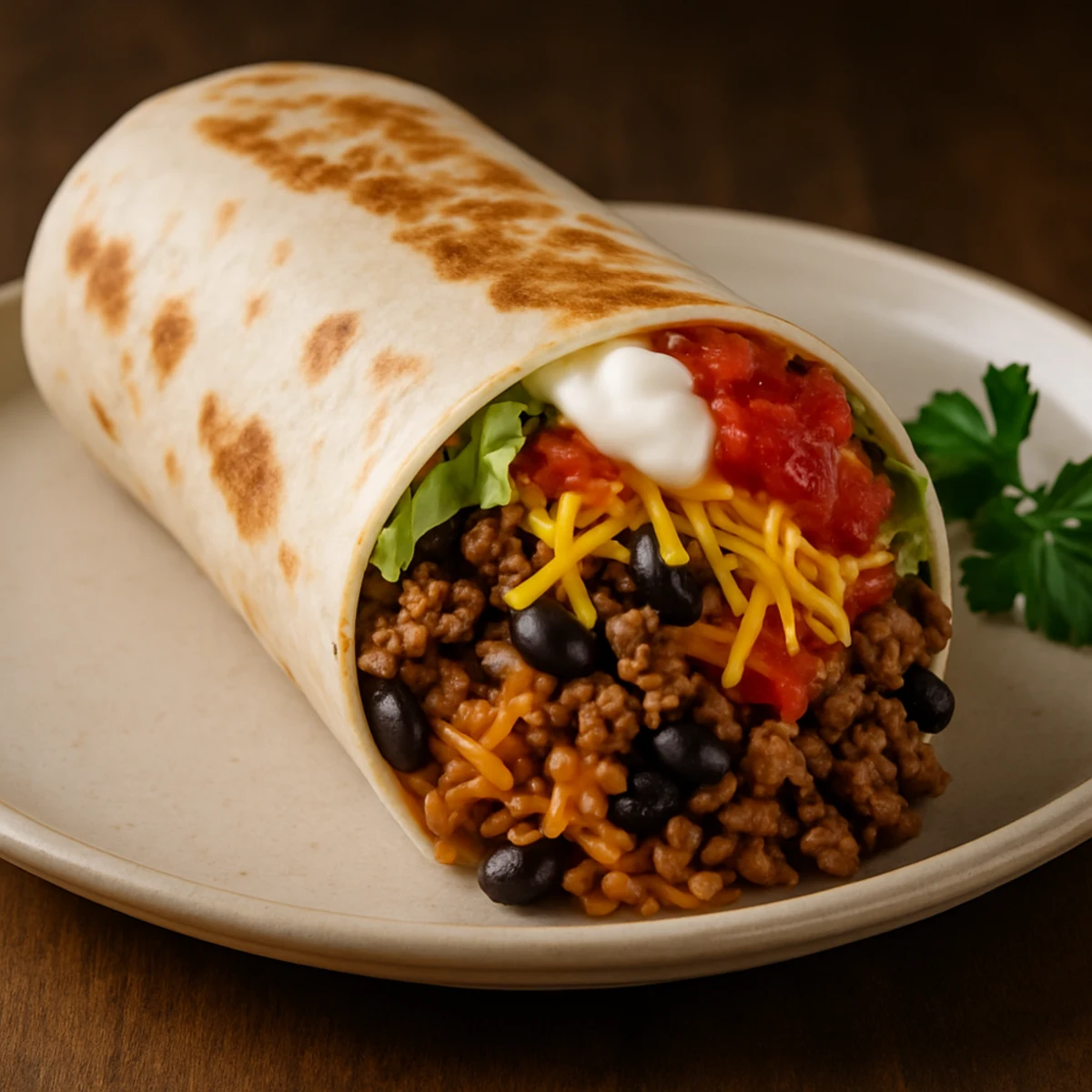
Breakfast Burrito Recipe: A Complete Guide to Making Perfect Burritos at Home
The Ultimate Breakfast Burrito Recipe Guide: Master This Beloved Comfort Food at Home
There's something deeply satisfying about biting into a warm, perfectly rolled breakfast burrito recipe that's been carefully crafted in your own kitchen. Whether you're looking for a quick weeknight dinner or planning a casual brunch gathering, a well-executed burrito recipe delivers comfort, flavor, and versatility that appeals to everyone at the table. The beauty of mastering a breakfast burrito recipe lies not just in the technique, but in understanding how to balance bold, savory flavors with complementary beverages—yes, including wine.
Burritos have become a cornerstone of American casual dining, yet many home cooks still reach for takeout rather than attempting to make them from scratch. This guide will change that. We'll walk you through everything you need to know to create restaurant-quality burritos in your own kitchen, complete with insider tips and wine pairing suggestions that will elevate your dining experience. Whether you're preparing a simple weeknight meal or impressing guests, this breakfast burrito recipe will become your go-to reference.
About This Dish: The Rich History and Evolution of Burritos
The burrito represents one of the most fascinating examples of culinary evolution in North American food culture. While the origins of the burrito are debated among food historians, most scholars trace its roots to Northern Mexico, particularly the states of Sinaloa and Sonora, where the dish emerged as a practical solution for ranch workers and travelers who needed portable, satisfying meals.
The word "burrito" itself comes from the Spanish word "burro," meaning donkey, humorously referring to how the tightly wrapped tortilla carries its fillings like a pack animal. What began as a simple, utilitarian meal has transformed into an iconic dish embraced across the United States and beyond.
In American food culture, burritos have evolved dramatically. The breakfast burrito recipe as we know it today—loaded with eggs, cheese, and various proteins—is largely an American adaptation that emerged in the 1970s and 1980s. It represents the perfect intersection of Mexican culinary traditions and American ingredient preferences and portion sizes.
What makes a burrito special is its inherent versatility. Unlike some dishes that demand rigid adherence to tradition, a burrito recipe allows for creative interpretation while maintaining its essential character. The flour tortilla serves as a blank canvas, the protein provides substance, and the supporting ingredients create layers of flavor and texture. This adaptability is precisely why the burrito has become such a beloved staple in American kitchens.
Key Ingredients & Their Role: Understanding the Burrito Foundation
Creating an exceptional burrito recipe begins with understanding each component's contribution to the overall dish. The foundation of any burrito starts with the tortilla—typically a large flour tortilla that's pliable enough to wrap tightly without tearing. Quality matters here; look for tortillas made with simple ingredients and minimal preservatives.
The protein is the heart of your burrito recipe. Ground beef remains the most popular choice, and for good reason. When cooked with the right seasonings—cumin, smoked paprika, chili powder, and garlic—ground beef creates a deeply flavorful filling that's both satisfying and versatile. The fat content matters; aim for 85/15 lean ground beef, which provides enough richness without becoming greasy. Some burrito recipe variations use shredded beef, chicken, or even pork, each offering distinct flavor profiles.
Cheese adds crucial richness and helps bind the components together. Cheddar cheese is the traditional choice for many burrito recipes, though a Mexican cheese blend works beautifully as well. The cheese should be shredded rather than sliced, allowing it to distribute evenly and melt slightly from the warm filling.
Beans—whether black beans, pinto beans, or refried beans—provide earthiness, fiber, and additional protein. They contribute a creamy texture that contrasts nicely with the other elements. Canned beans work perfectly well and significantly reduce preparation time for your burrito recipe.
Aromatic vegetables form the flavor base. Onions and garlic, when properly sautéed, create a foundation of savory depth. Fresh cilantro and diced tomatoes add brightness and freshness that cuts through the richness of the cheese and meat.
Salsa and sour cream serve as flavor enhancers and binders. Chipotle salsa adds smoky heat, while sour cream provides cool, tangy contrast. These elements are crucial to a well-balanced burrito recipe.
From a wine pairing perspective, understanding these ingredients helps you select complementary beverages. The richness of cheese and meat, the spice from chiles and seasonings, and the brightness of fresh ingredients all influence which wines will work best with your finished dish.
The Perfect Breakfast Burrito Recipe: Step-by-Step Instructions
Authentic Mexican Beef Burrito
Prep Time: 25 minutes Cook Time: 20 minutes Total Time: 45 minutes Servings: 6 burritos Difficulty Level: Easy to Intermediate
Ingredients for Your Burrito Recipe
For the Beef Filling:
- 1⅓ lb ground beef (600g)
- 1 tablespoon olive oil
- 1 large onion, finely diced
- 3 cloves garlic, finely chopped
- 1 teaspoon salt
- ½ teaspoon ground cumin
- ½ teaspoon freshly ground black pepper
- ½ teaspoon smoked paprika
- ¼ teaspoon chili flakes or powder
- 2 tablespoons tomato paste
- 3 tablespoons water
For Building Your Burritos:
- 6 large flour tortillas (10-inch)
- 1½ to 2 cups shredded cheddar cheese (150g)
- ⅔ cup sour cream (150g)
- 8½ oz red kidney beans or black beans, cooked and drained (240g)
- 1¼ cups chipotle salsa (300g)
- 2 tablespoons fresh cilantro, chopped
- 3 cups cooked rice (optional but recommended)
- Shredded lettuce or cabbage (optional)
- Diced tomatoes (optional)
Step-by-Step Instructions
Preparing the Beef Filling:
- Heat olive oil in a large skillet over medium-high heat until shimmering.
- Add the ground beef and cook, breaking it apart with a spatula as it browns, until completely cooked through (about 5-7 minutes). Drain excess fat if necessary.
- Add the diced onion to the skillet and sauté for 3-4 minutes, stirring occasionally, until the onion becomes translucent and softens.
- Stir in the chopped garlic and cook for another minute until fragrant.
- Add the cumin, black pepper, smoked paprika, chili flakes, and salt. Stir well to coat all the beef evenly.
- Add the tomato paste and stir until it's fully incorporated with the beef mixture (about 1 minute).
- Pour in the water and stir well. Let the mixture simmer for 3-4 minutes until the liquid is mostly absorbed but the beef remains juicy, not dried out.
- Remove from heat and let the filling cool for 10 minutes. This is important—piping hot filling will steam the tortilla, making it soggy.
Assembling Your Burrito Recipe:
- Warm each flour tortilla for a few seconds in a dry skillet or directly over a gas flame to make it pliable and easier to roll.
- Place a warm tortilla on a clean surface. Add a dollop of sour cream (about 2 tablespoons) in the center, spreading it slightly.
- Add a portion of the seasoned ground beef (about ⅓ cup) in a horizontal line across the center of the tortilla.
- Top the beef with cooked beans (about ⅓ cup), followed by a layer of grated cheddar cheese (about ¼ cup).
- Add a spoonful of chipotle salsa (about 3 tablespoons) and a sprinkle of fresh cilantro.
- If using rice, lettuce, or tomatoes, add these now in moderate amounts—don't overstuff, as this makes rolling difficult.
- Fold the bottom edge of the tortilla up and over the filling, then fold in the sides, and finally roll tightly away from you, keeping the sides tucked in as you roll.
- Place the burrito seam-side down on a plate. Repeat with remaining tortillas and filling.
- Optional: For a warmed burrito, place the assembled burritos seam-side down in a baking dish, cover with foil, and warm in a 350°F oven for 10-15 minutes.
Nutritional Information (per burrito)
- Calories: 520-580
- Protein: 28-32g
- Fat: 22-26g
- Carbohydrates: 48-52g
- Fiber: 5-6g
- Sodium: 950-1050mg
Dietary Notes
- Gluten-Free Option: Use corn tortillas instead of flour tortillas
- Vegetarian Variation: Substitute the ground beef with seasoned black beans, lentils, or crumbled tofu
- Lower-Sodium: Reduce added salt and use low-sodium salsa and beans
- Make-Ahead: Prepare the beef filling up to 2 days in advance and store in an airtight container in the refrigerator
Perfect Wine Pairings: Elevating Your Burrito Experience
Pairing wine with your burrito recipe might seem unconventional, but the savory, spiced nature of this dish opens up excellent possibilities. The key is understanding how the wine's characteristics interact with the bold flavors in your meal.
The beef burrito presents several flavor challenges and opportunities for wine pairing. The richness of the cheese and meat requires wines with enough body to stand up to these components. The spice from cumin, paprika, and chili needs wines that won't be overwhelmed. The freshness of cilantro and the tang of sour cream suggest wines with good acidity. The salsa adds additional layers of complexity with both heat and tomato-based flavor.
Recommended Wine Styles for Your Burrito Recipe
Pinot Noir: The Premier Choice
Pinot Noir is arguably the best wine pairing for beef burritos. This elegant red wine from Oregon's Willamette Valley or California's Central Coast offers moderate tannins and bright acidity that complement the dish beautifully. The wine's earthy undertones harmonize with the cumin and smoked paprika, while its subtle fruit flavors don't compete with the bold spicing. Look for Oregon Pinot Noirs at Total Wine & More or Trader Joe's in the $15-25 range. Brands like A to Z Wineworks or Willamette Valley Vineyards offer excellent value.
Tempranillo: Spanish Sophistication
Spanish Tempranillo wines bring a different dimension to your burrito recipe pairing. These medium-bodied reds have good acidity and subtle tannins that work wonderfully with spiced beef. Tempranillo's natural affinity for smoky, charred flavors makes it particularly suited to burritos with chipotle salsa. Spanish Tempranillos are widely available at Total Wine locations and typically range from $12-22.
Zinfandel: California's Bold Option
If you prefer something with more fruit-forward character, California Zinfandels are excellent with beef burritos. Their higher alcohol content and jammy fruit flavors create an indulgent pairing that complements the richness of cheese and meat. Look for Zinfandels from Sonoma or Paso Robles at around $15-28. The slight sweetness in many Zinfandels actually balances spicy elements beautifully.
Grenache: The Underrated Gem
Grenache, particularly from Spain or southern France, offers medium body with bright acidity and peppery notes that align perfectly with your burrito recipe's spice profile. These wines are food-friendly, affordable ($12-20), and increasingly available at specialty wine shops and BevMo locations.
Why These Wines Work
The common thread among these recommendations is moderate tannin levels combined with good acidity. Wines too high in tannins can clash with the cheese and create an astringent sensation. Wines lacking acidity won't cut through the richness. The best wine pairings for your burrito recipe provide enough body to match the protein and cheese, enough acidity to cleanse the palate between bites, and flavor profiles that either complement or thoughtfully contrast with the spicing.
For those interested in exploring pairings more systematically, the Vinomat app offers personalized recommendations based on your specific burrito ingredients and preparation method, helping you discover new favorites from your local wine merchant.
Cooking Tips & Techniques: Mastering Your Burrito Recipe
Achieving burrito perfection requires attention to several technical details that separate homemade burritos from mediocre versions.
Temperature Control: The most common mistake home cooks make is using filling that's too hot when assembling burritos. Piping hot filling will steam the tortilla, making it soggy and prone to tearing. Always let your beef filling cool for at least 10 minutes before assembly. This also gives you better control during the rolling process.
Tortilla Quality and Preparation: Not all flour tortillas are created equal. Look for tortillas with fewer than five ingredients and no added preservatives if possible. Warming tortillas before rolling makes them significantly more pliable and less likely to crack. A dry skillet over medium heat for 15-20 seconds per side works perfectly.
The Rolling Technique: Proper rolling is an art form. Place your filling in a horizontal line across the center of the tortilla, leaving about an inch of space on each side. Fold the bottom edge up and over the filling, then immediately fold in both sides, creating a seal. Finally, roll tightly away from you while maintaining tension on the sides. This creates a burrito that holds together and won't fall apart when eaten.
Seasoning Balance: When cooking your ground beef filling, taste as you go. The spices should be noticeable but not overwhelming. Remember that the cheese, salsa, and sour cream will add additional flavor, so avoid over-seasoning the meat itself.
Ingredient Distribution: Overstuffing is tempting but problematic. A good burrito has about ⅓ cup of filling per component. This ensures even cooking if you warm the burrito, and makes rolling manageable.
Make-Ahead Strategy: The beef filling can be prepared up to two days in advance and stored in an airtight container. You can even assemble burritos ahead of time and refrigerate them, then warm them when ready to serve. This makes burritos excellent for meal prep.
Serving Suggestions: Creating the Complete Dining Experience
How you present and serve your burrito recipe significantly impacts the overall dining experience. These aren't just casual grab-and-go items—they deserve thoughtful presentation.
Plating and Presentation: Serve your burrito recipe on a warm plate, seam-side down to showcase the neat appearance. Consider adding a small mound of fresh cilantro or a lime wedge for visual appeal and freshness. If serving multiple burritos, arrange them slightly overlapped for an attractive presentation.
Accompaniments: Fresh pico de gallo, guacamole, or a simple salad of mixed greens with lime vinaigrette provides refreshing contrast to the rich burrito. Corn chips with salsa offer a casual touch. Consider serving with a small bowl of additional sour cream or crema for those who want extra creaminess.
Beverage Service: Beyond wine, consider serving with agua fresca, Mexican hot chocolate, or quality Mexican beer for non-wine drinkers. If serving wine, chill your Pinot Noir or Grenache to about 55°F—slightly cooler than room temperature but not ice-cold—to best express the wine's character alongside your burrito recipe.
Setting the Scene: Burritos work beautifully in casual entertaining contexts. Set a relaxed table with cloth napkins (you'll need them!), small plates for chips, and water glasses. This informal elegance elevates the meal beyond everyday dining while maintaining the approachable nature of the dish.
Timing: Serve burritos immediately after assembly or warming. They're best enjoyed while still warm, when all the flavors are most vibrant and the tortilla maintains its ideal texture.
Conclusion: Your Journey to Burrito Mastery
Mastering a breakfast burrito recipe opens doors to countless variations and entertaining possibilities. From the initial sizzle of ground beef in the skillet to that first satisfying bite, homemade burritos deliver an experience that takeout simply cannot match. The combination of quality ingredients, proper technique, and thoughtful wine pairing transforms a casual meal into something genuinely special.
Whether you're cooking for yourself on a busy weeknight or impressing guests at a casual gathering, this breakfast burrito recipe provides the foundation for success. The beauty of burritos lies in their versatility—once you master the basic technique, you can experiment with different proteins, beans, and toppings to create endless variations.
As you explore this dish further, consider how different wines enhance your dining experience. The interplay between food and wine creates moments of genuine pleasure that elevate everyday meals into memorable experiences. Tools like Vinomat can help you discover new wine pairings that perfectly complement your culinary creations, transforming a simple burrito recipe into an occasion worth celebrating.
Start with this recipe, practice your rolling technique, and don't hesitate to adjust seasonings to your preference. Soon, you'll be creating restaurant-quality burritos at home, impressing everyone at your table, and discovering your favorite wine pairings along the way.