


Charcuterie Board Ideas: The Ultimate Guide to Perfect Pairings
Charcuterie Board Ideas: Elevate Every Gathering with Flavor & Wine
If you've ever wondered how to impress your guests or simply want to treat yourself to a stylish, delicious spread, you can't go wrong with a charcuterie board. Charcuterie board ideas are incredibly versatile, combining the rich, savory flavors of cured meats with fresh bread, vibrant garnishes, and, most importantly, the perfect wine pairing. Whether you’re a home cook, a wine lover, or someone who appreciates easy charcuterie for a weeknight treat, this guide is packed with inspiration to help you create a memorable charcuterie experience.
About This Dish
The charcuterie board has become a staple on American tables, from laid-back game nights to elegant dinner parties. Its roots trace back to France and Spain, where artisans mastered the craft of curing meats. Today, charcuterie board ideas have taken on new life in the U.S., blending global flavors and local ingredients for a truly multicultural delight.
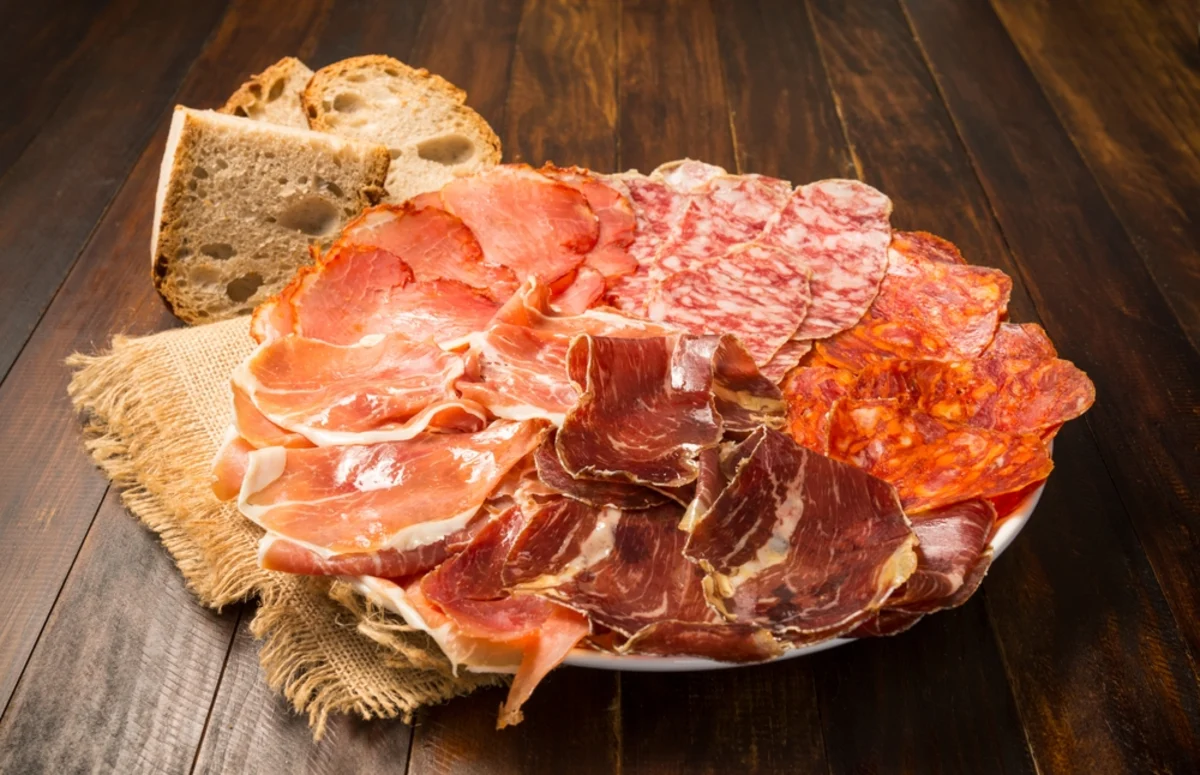
What makes a charcuterie board so special is its artful simplicity. Each ingredient shines, yet the magic is in the combination—the salty bite of ham, the spicy depth of chorizo, the tender richness of lomo and serrano ham, all complemented by rustic bread and pops of briny olives. This is comfort food with a touch of sophistication, making it the perfect canvas for food enthusiasts to get creative.
But charcuterie is far more than just meat and bread. In the U.S., the trend has evolved: boards are now vibrant with seasonal fruits, regional cheeses, pickles, nuts, and even chocolates. And, of course, no American charcuterie board recipe is complete without a nod to wine culture. With wine appreciation on the rise and greater access to both Old and New World bottles at places like Total Wine, Trader Joe's, and local shops, pairing your board with just the right glass elevates the entire experience.
Key Ingredients & Their Role
Choosing the right ingredients for charcuterie board ideas is all about balance and harmony. Here’s why each component matters:
- Skinka (Smoked or Cured Ham): Delivers a savory, smoky depth, providing the backbone of umami flavor. Its saltiness pairs beautifully with both crisp white wines and lighter reds.
- Salami: Known for its peppery spice and fat content, salami adds complexity and boldness. Its richness calls for a wine with good acidity to cut through the fat.
- Chorizo: This Spanish classic brings a smoky, slightly spicy kick. Chorizo’s paprika notes are a dream with young Tempranillo or a vibrant California Zinfandel.
- Lomo (Cured Pork Loin): Leaner but intensely flavored, lomo offers delicate, slightly nutty notes. It’s a subtle contrast to the fattier cuts and works well with medium-bodied wines.
- Serrano Ham: Silky, salty, and melt-in-your-mouth, serrano ham is a luxurious highlight on any charcuterie board. Its gentle funkiness is delicious with both sparkling wines and aromatic whites.
- Rustic Bread: The foundation for every bite, rustic sourdough or country-style bread provides chewy texture and a mild tang, perfect for layering flavors.
- Butter, Olives, Fresh Herbs: Butter adds richness and rounds out the meats, while olives introduce briny, bright notes. Fresh herbs like rosemary or thyme lend a fragrant finish, making every bite feel like a small celebration.
When planning the ingredients for your charcuterie board, think about contrast and complement. The interplay of salt, fat, spice, and acidity is what makes each bite exciting. And remember: the best charcuterie board ideas are as much about presentation as taste.
Recipe
| Prep Time | 10 minutes |
|---|---|
| Cook Time | 5 minutes |
| Total Time | 15 minutes |
| Servings | 4 |
| Difficulty | Easy |
Ingredients:
- 100 g Skinka (smoked or cured ham)
- 100 g Salami (sliced thin)
- 100 g Chorizo (sliced thin)
- 100 g Lomo (cured pork loin)
- 100 g Serrano ham
- 4 slices Rustic bread (sourdough or similar)
- 50 g Butter (for serving, optional)
- 50 g Olives (for garnish, optional)
- 1 sprig Fresh herbs (e.g. rosemary, thyme) for garnish
Instructions:
- Prepare your serving plate or wooden board to arrange the meats and bread. Ensure it is clean and dry.
- Slice the rustic bread into approximately 1-inch-thick slices. Optionally, lightly toast them under a broiler for 2-3 minutes until golden.
- Arrange the sliced Skinka, Salami, Chorizo, Lomo, and Serrano ham in a visually pleasing circular or fan pattern around the serving plate.
- Place the bread slices to one side of the serving plate or in a small basket lined with a napkin if desired.
- Optionally, add garnishes such as butter, olives, or fresh herbs on the side to complement the meats and bread.
- Serve immediately, allowing guests to create their own combinations of meats and bread. Optionally provide small knives or butter spreaders for the butter.
Nutrition Facts (per serving):
- Calories: 450 kcal
- Protein: 32.0g
- Fat: 35.0g
- Carbohydrates: 28.0g
- Salt: 3.2g
Dietary Information: Contains gluten, Dairy-free, Nut-free
Perfect Wine Pairings
No charcuterie board ideas guide would be complete without the perfect wine pairings. The salty, umami-rich flavors of ham, salami, and chorizo demand wines that can stand up to boldness and refresh the palate. Here’s how to choose:
What to Look For in a Wine
- Acidity: High acidity cuts through the richness of fatty meats, cleansing the palate.
- Low to Medium Tannins: While some reds work, overly tannic wines can clash with salty meats. Choose softer reds or whites.
- Fruitiness: Wines with bright fruit notes complement both the meat and bread, adding a fresh contrast.
- Sparkle: Bubbles are a charcuterie board’s secret weapon, enhancing texture and flavor.
Top Wine Recommendations
- California Pinot Noir (Sonoma, Monterey, Oregon): A classic with charcuterie, Pinot Noir’s bright cherry notes and balanced acidity make it the ultimate all-rounder. Look for bottles from Total Wine or Trader Joe's ($15–$25).
- Spanish Tempranillo (Rioja, Ribera del Duero): The natural match for chorizo and serrano ham, Tempranillo offers red fruit, spice, and just enough structure. Widely available at BevMo and local wine shops ($15–$30).
- French Rosé (Provence or Loire): Crisp, dry rosé is brilliant with salty, savory meats. Its floral and berry notes bring out the best in ham and salami. Try a Provençal rosé from Trader Joe's ($10–$20).
- Champagne or California Sparkling Wine: The effervescence of sparkling wine is unbeatable for cleansing the palate between bites. California options like Domaine Carneros or Roederer Estate are available at Total Wine and BevMo ($20–$30).
- Italian Barbera or Lambrusco: Barbera’s lively acidity works beautifully with fatty meats, while a chilled Lambrusco (semi-sparkling red) is a festive, food-friendly pick.
- Oregon Pinot Gris or Washington State Riesling: For those who prefer whites, choose aromatic, off-dry styles that balance salt and spice—find great options at specialty shops and major retailers.
Pro Tip
Use Vinomat’s personalized wine recommendation engine to discover the best match for your specific charcuterie board recipe. Whether you’re shopping at your neighborhood wine shop or a big-box retailer, you’ll find spot-on suggestions for every budget and taste.
Cooking Tips & Techniques
Creating an easy charcuterie board doesn’t have to be intimidating. Here are professional tips for flawless results every time:
- Choose Quality Over Quantity: It’s better to have a few high-quality meats and accompaniments than an overwhelming spread.
- Temper Your Ingredients: Remove meats and cheeses from the fridge 30 minutes before serving. This brings out their full flavor and aroma.
- Slice Meats Thinly: Thin slices maximize flavor and are easier to enjoy with bread.
- Balance Textures: Combine firm and soft elements—crusty bread, creamy butter, and crisp pickles or olives.
- Garnish Thoughtfully: A sprig of rosemary or thyme adds aroma and visual appeal. Don’t overlook the power of fresh herbs.
- Plan for Portions: For a small charcuterie board recipe, scale down quantities and use a smaller board. This keeps the presentation neat and inviting.
Common Mistakes to Avoid
- Overcrowding the board—leave some negative space for elegance.
- Forgetting to provide serving utensils—small forks, tongs, or knives are essential.
- Using only one type of bread—variety adds interest and texture.
Serving Suggestions
Presentation is everything. Arrange your charcuterie board on a large wooden platter or marble slab for a rustic, inviting look. Fan out the meats in circles, group bread slices to one side, and fill small bowls with olives or butter. Scatter fresh herbs for color and aroma.
Pair your charcuterie board with simple accompaniments: a crisp green salad, seasonal fruits (like grapes or figs), and a few types of cheese if you want to expand beyond the classic recipe. Offer chilled white or sparkling wines in summer, and rich reds when the weather cools.
Create an atmosphere that encourages grazing and conversation. Set out plenty of napkins, plates, and glasses. Whether it’s a casual happy hour, a holiday feast, or a cozy date night, charcuterie board ideas are all about sharing and savoring.
Conclusion
Charcuterie board ideas are more than just a trend—they’re a delicious, interactive way to bring people together. With a few simple ingredients and the right wine pairing, you can transform any evening into a memorable occasion. Use Vinomat to explore new wine matches and elevate your next charcuterie board recipe to new heights of flavor and fun. Cheers to great food, great wine, and great company!