


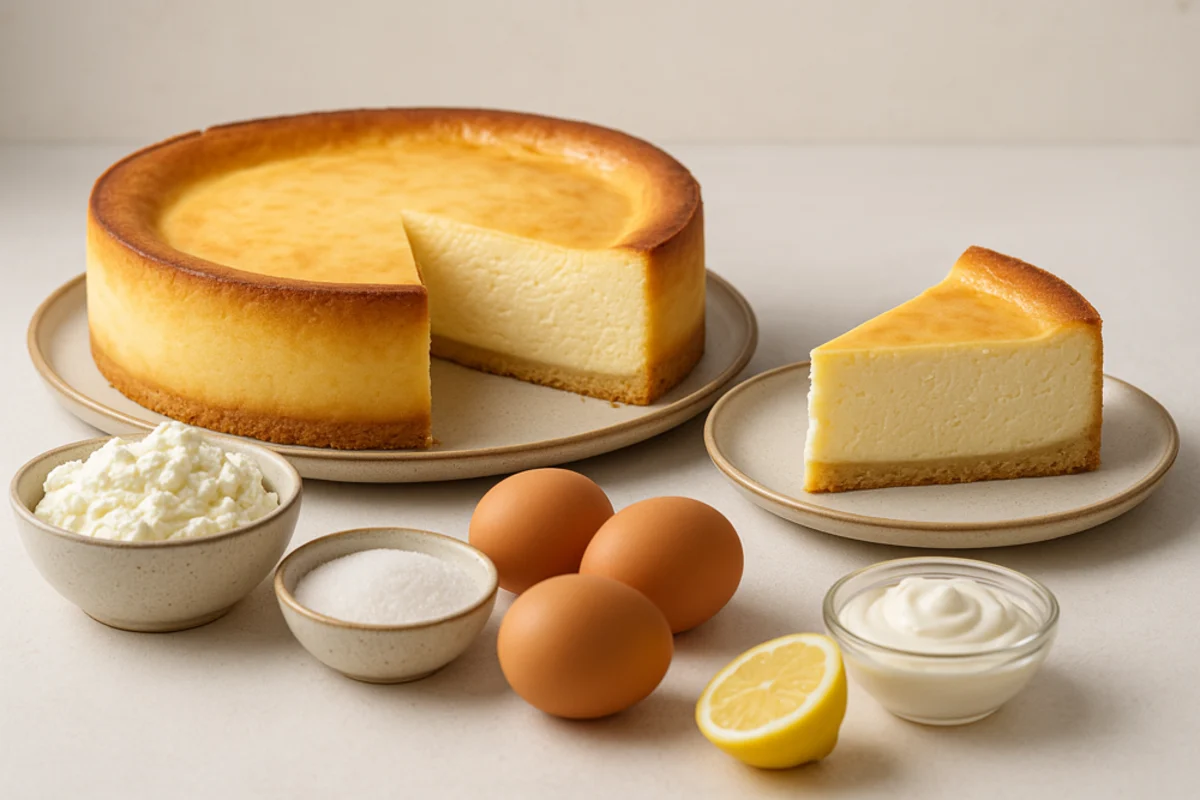
Cheesecake Wine Pairing: The Best Wines for a Creamy Classic
Introduction
Cheesecake is one of those desserts that feels instantly celebratory. Silky, rich, and just sweet enough, it has a way of making an ordinary dinner feel like a special occasion. Whether you’re serving it plain, topped with berries, or finished with a glossy fruit sauce, cheesecake delivers that irresistible contrast of creaminess and structure that keeps people coming back for “just one more bite.”
For wine lovers, cheesecake is a dream dessert to pair. Its lush texture and gentle sweetness open the door to everything from sparkling wines to late-harvest styles and even a few surprisingly elegant dry options. The right wine pairing can lift the dessert, refresh the palate, and bring out the subtle tang of the filling and the buttery richness of the crust. If you’ve ever wondered what wine goes with cheesecake, you’re in the right place. This guide will walk you through the dish, the recipe, and the best wine for Cheesecake so you can find a perfect match for your table.
About This Dish
Cheesecake has a long and surprisingly international history, even though it feels thoroughly at home in American dessert culture. Versions of cheesecake date back to ancient Greece, but the modern style most people recognize today became especially popular in the United States, where cream cheese helped create the dense, smooth, indulgent texture that defines the classic New York-style cake. Over time, cheesecake evolved into a versatile dessert with countless regional and creative variations, from baked and no-bake versions to fruit-topped, chocolate-swirled, and citrus-forward interpretations.
In the U.S., cheesecake has earned a place on restaurant menus, holiday tables, and special-occasion spreads because it balances familiarity with a little luxury. It’s comforting, but it also feels refined. That combination makes it especially appealing for food and wine pairing, since the dessert is rich enough to stand up to a flavorful wine but delicate enough to be overwhelmed by something too sweet, too tannic, or too heavy.
What makes cheesecake special is its contrast of textures and flavors: a crisp or buttery base, a creamy center, and often a bright topping that adds freshness. That balance is exactly why a thoughtful wine recommendation matters. The best wine for Cheesecake doesn’t just taste good on its own; it enhances the dessert’s tang, sweetness, and richness, creating a perfect match that lingers beautifully after the last forkful.
Key Ingredients & Their Role
Cheesecake may look simple, but its success depends on a few key ingredients working in harmony. In this recipe, quark brings a light tang and a clean dairy flavor that keeps the filling from feeling too heavy. Quark is especially useful if you want a cheesecake that tastes fresh and slightly more delicate than a classic cream-cheese-only version. It adds structure, too, helping the filling set while maintaining a creamy bite.
The shortcrust pastry forms the base and gives each slice a buttery, tender contrast to the filling. A good crust is more than a container; it adds flavor, texture, and balance. Because cheesecake is naturally rich, the crust’s subtle saltiness and crumbly texture help keep each bite interesting. Eggs are the binding force in the filling. They help the cheesecake set into that smooth, sliceable consistency while contributing richness and a custard-like finish.
Sugar provides sweetness, but the goal is not to make the dessert cloying. Cheesecake should taste balanced, with enough sweetness to feel like dessert and enough tang to keep it lively. A touch of vanilla deepens the aroma and rounds out the dairy notes, while a little lemon zest or juice can brighten the entire cake.
From a wine pairing perspective, these ingredients matter a lot. The creamy filling and mild sweetness call for wines with good acidity so the pairing stays fresh. A wine with too much tannin can taste harsh next to dairy, while a wine that is too dry may seem bitter against the dessert’s sweetness. That’s why the ideal wine for Cheesecake usually has fruit, lift, and either a touch of sweetness or a rounded, low-tannin profile. In other words, the recipe and the wine recommendation should work together, not compete.
Recipe
Cheesecake Recipe
Prep time: 25 minutes Cook time: 60 minutes Chill time: 4 hours minimum Total time: About 5 hours 25 minutes Servings: 10–12 Difficulty: Medium
Ingredients
For the shortcrust pastry base:
- 1 1/4 cups all-purpose flour
- 1/2 cup unsalted butter, cold and cubed
- 1/4 cup granulated sugar
- 1 egg yolk
- 1–2 tablespoons cold water
- Pinch of salt
For the cheesecake filling:
- 2 cups quark
- 8 oz cream cheese, softened
- 3 large eggs
- 3/4 cup granulated sugar
- 1 tablespoon cornstarch
- 1 teaspoon vanilla extract
- 1 teaspoon lemon zest
- 1 tablespoon lemon juice
- Pinch of salt
Optional topping:
- Fresh berries
- Berry compote
- Powdered sugar
Instructions
- Prepare the crust. In a bowl, combine flour, sugar, and salt. Cut in the cold butter until the mixture resembles coarse crumbs.
- Add the egg yolk and enough cold water to bring the dough together. Shape into a disc, wrap, and chill for 20 minutes.
- Preheat the oven to 350°F (175°C). Lightly grease a 9-inch springform pan.
- Roll out the chilled dough and press it into the bottom of the pan. Prick the base with a fork and bake for 12–15 minutes, until lightly golden. Cool slightly.
- Make the filling. In a large bowl, beat the quark, cream cheese, sugar, cornstarch, vanilla, lemon zest, lemon juice, and salt until smooth.
- Add the eggs one at a time, mixing gently after each addition. Do not overbeat, or the cheesecake may crack.
- Pour the filling over the cooled crust and smooth the top.
- Bake for 45–50 minutes, or until the edges are set and the center still has a slight wobble.
- Turn off the oven, crack the door open, and let the cheesecake cool inside for 30 minutes.
- Remove from the oven, cool completely at room temperature, then refrigerate for at least 4 hours, preferably overnight.
- Serve chilled with berries, compote, or a light dusting of powdered sugar.
Nutrition Facts
Per serving (based on 12 servings):
- Calories: 320
- Protein: 8g
- Fat: 18g
- Saturated Fat: 10g
- Carbohydrates: 32g
- Sugar: 20g
- Fiber: 0.5g
- Sodium: 180mg
Dietary Information
- Contains dairy
- Contains eggs
- Contains gluten
- Vegetarian
Perfect Wine Pairings
Cheesecake is one of the most rewarding desserts for wine pairing because it offers both richness and a gentle sweetness. The key is to choose a wine that can handle the creamy texture without overpowering it. In general, look for wines with bright acidity, a touch of sweetness, or soft, low tannins. That combination helps refresh the palate and keeps the dessert from feeling too heavy.
A Riesling Kabinett or spätlese from Germany is a classic choice, but for the U.S. market, look for a well-priced bottle at Total Wine, Trader Joe’s, or a local wine shop in the $15–30 range. The wine’s crisp acidity and peachy, citrus-driven fruit make it a perfect match for plain cheesecake or berry-topped cheesecake. If you want a wine recommendation that feels elegant but accessible, this is a strong place to start.
A late-harvest Sauvignon Blanc or Chenin Blanc from California or Washington State is another excellent option. These wines often show ripe fruit, honeyed notes, and enough freshness to balance the dessert. They’re especially good with cheesecake served with fruit compote. If you’re shopping at BevMo or Total Wine, you’ll often find good examples in the mid-price range.
For a more luxurious pairing, try a Brachetto d’Acqui or Moscato d’Asti from Italy. These lightly sparkling wines bring floral aromas, gentle sweetness, and a playful finish that works beautifully with creamy cheesecake. They’re easygoing, crowd-pleasing, and widely available in U.S. retailers.
If you prefer something a little more serious, a late-harvest Pinot Gris from Oregon or a botrytized wine from France can be a stunning perfect match. These styles bring depth, texture, and layered fruit without overwhelming the dessert. For a drier route, a lightly sparkling Brut Rosé from California or Spain can work with less-sweet cheesecake, especially if the topping adds brightness.
The best wine for Cheesecake ultimately depends on the topping and sweetness level. Plain cheesecake loves off-dry whites and sparkling wines; berry-topped versions enjoy fruit-forward wines; and richer, caramel-style toppings can handle more aromatic dessert wines. Vinomat can help you narrow down the best wine pairing based on what’s in your glass and what’s on your plate.
Cooking Tips & Techniques
The biggest secret to a great cheesecake is gentle mixing. Once the eggs go in, mix only until combined. Overmixing adds too much air, which can cause cracks or an uneven texture. Room-temperature ingredients also matter. Cold cream cheese or quark can leave lumps in the filling, so let everything soften before you begin.
A water bath can help create a smoother bake, but if you prefer a simpler method, the oven-cooling technique in this recipe works well too. The goal is to avoid sudden temperature changes, which are one of the main causes of cracking. Another common mistake is overbaking. Cheesecake should still have a slight wobble in the center when you remove it from the oven; it will continue to set as it cools.
If you want a cleaner slice, chill the cheesecake thoroughly and use a hot knife wiped clean between cuts. For flavor, don’t skip the lemon zest. It doesn’t make the cheesecake taste lemony; it simply brightens the filling and keeps the richness in balance. That same principle applies to wine pairing: freshness is your friend.
Serving Suggestions
Cheesecake shines when served cold, sliced neatly, and plated with a little restraint. A few fresh berries, a spoonful of berry compote, or a light drizzle of fruit sauce is often enough. If you’re serving it for a dinner party, add a few mint leaves or a dusting of powdered sugar for a polished finish.
For the best wine pairing experience, serve the dessert slightly chilled and pour the wine well-chilled too, especially if you’re choosing an off-dry white or sparkling style. Small pours work best with dessert, since the goal is to enjoy the pairing without overwhelming the palate. Cheesecake also makes a lovely finish for a holiday meal, brunch gathering, or weekend dinner with friends.
If you want to create a more complete dessert course, pair it with espresso, fresh fruit, or a small cheese board before dessert. That way, the cheesecake becomes the final, memorable note in an already thoughtful meal.
Conclusion
Cheesecake is proof that dessert can be both comforting and elegant. With its creamy filling, buttery crust, and endless topping possibilities, it offers a delicious canvas for wine pairing. Whether you reach for a crisp Riesling, a fragrant Moscato d’Asti, or a fruit-forward wine from California, the right bottle can turn a simple slice into something unforgettable.
Use this recipe as your starting point, then explore your own perfect match with Vinomat. The best wine for Cheesecake is the one that makes the whole table light up—and that’s always worth discovering.