


Wine Pairing with Ciabatta: The Best Wines for This Classic Bread
Introduction
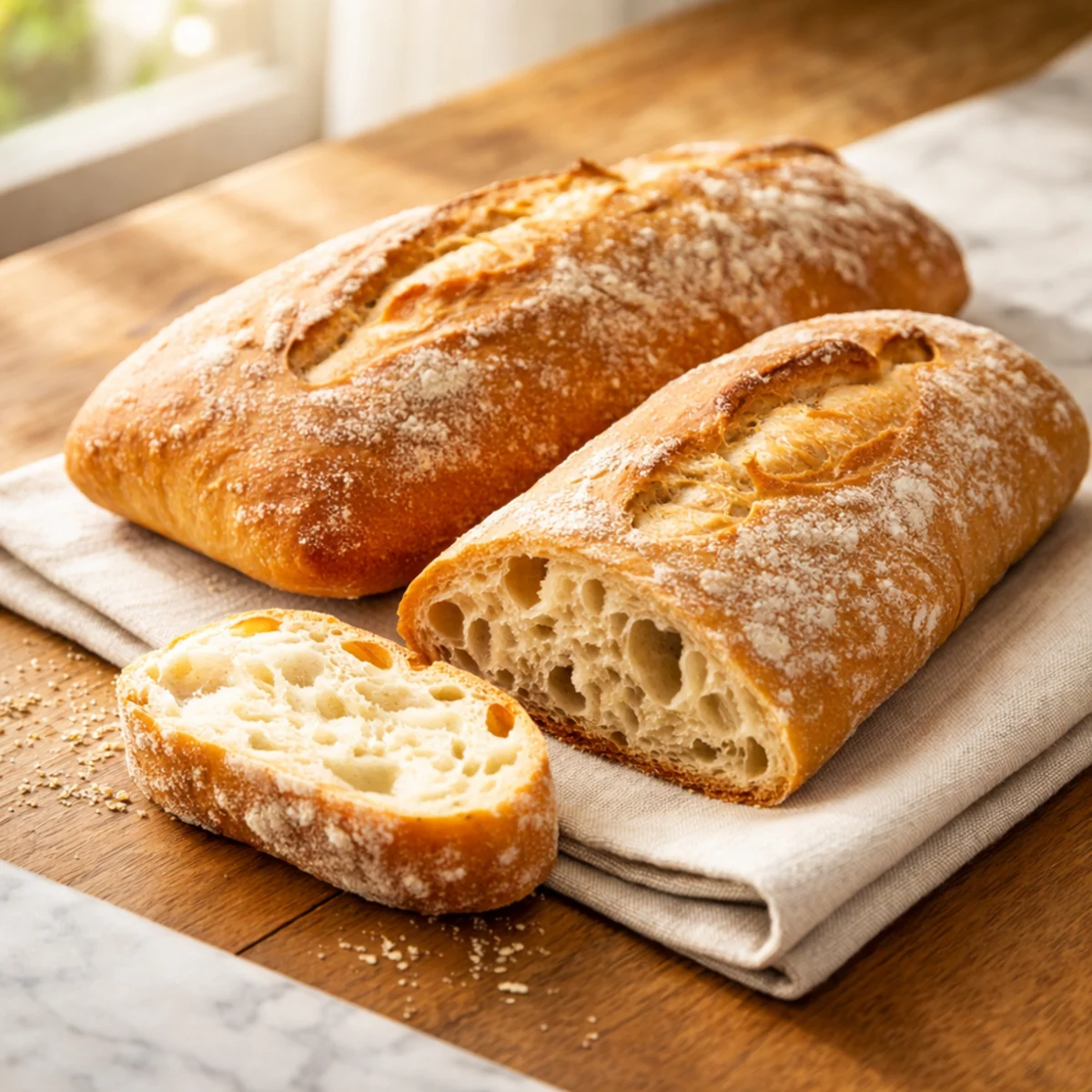
Ciabatta may be one of the simplest pleasures in the bread world, but that’s exactly what makes it so irresistible. With its crisp, flour-dusted crust, open airy crumb, and gentle olive oil richness, this Italian classic brings a rustic charm that feels right at home on an American table. Whether you’re building a sandwich, serving it warm with olive oil, or setting it beside a pasta dinner, ciabatta has a way of making even an easy meal feel special.
For wine lovers, ciabatta is a surprisingly versatile canvas. Its mild, savory flavor doesn’t overpower the glass, which means the right wine pairing can turn a simple loaf into something memorable. If you’ve ever wondered what wine goes with ciabatta, the answer depends on how you serve it—but the best wine for ciabatta usually has bright acidity, balanced fruit, and enough structure to complement the bread’s chewy texture. In this guide, we’ll explore the recipe, the story behind the bread, and the perfect match in wine, with approachable wine recommendation ideas that fit the way people actually shop in the United States.
About This Dish
Ciabatta is a relatively modern Italian bread, but it has already earned classic status. The name means “slipper” in Italian, a nod to its long, flat shape and relaxed, rustic look. It was created in the 1980s as Italy’s answer to the growing popularity of French-style breads, and it quickly became beloved for its light interior, chewy crust, and versatility at the table. Today, ciabatta is found everywhere from neighborhood bakeries to grocery store delis, and it has become a staple in American food culture too—especially among home cooks who want something a little more artisanal without being fussy.
What makes ciabatta special is its balance. It feels rustic, but not heavy. It has character, but it doesn’t dominate a meal. That mild, savory profile makes it ideal for pairing with a wide range of foods, from roasted vegetables and cured meats to tomato-based dishes and soft cheeses. It also makes ciabatta a natural fit for wine pairing, because the bread supports flavors instead of competing with them.
In the United States, ciabatta has become especially popular as a sandwich bread and a dinner-table bread, often chosen for its texture and ability to hold up to bold fillings and dips. That flexibility is part of its charm. Whether you’re serving it at a casual weeknight dinner or a wine-and-cheese gathering, ciabatta brings an easy elegance that invites conversation—and another pour.
Key Ingredients & Their Role
At first glance, ciabatta looks wonderfully simple, and that simplicity is part of the appeal. The core ingredients—wheat flour, yeast, olive oil, water, and salt—work together to create bread that is airy, chewy, and full of subtle flavor. Each ingredient plays a specific role, and understanding that helps explain why ciabatta pairs so well with wine.
Wheat flour provides the structure and the gentle, wheaty base flavor. A bread flour with higher protein content helps develop the gluten needed for ciabatta’s signature open crumb. That airy interior is important not just for texture, but for how the bread interacts with wine: it absorbs flavors without feeling dense.
Yeast is responsible for fermentation, which gives ciabatta its lift and a faint, pleasantly bready complexity. A slow rise can develop deeper flavor, which makes the bread taste more nuanced and satisfying.
Olive oil adds richness and a soft, savory finish. It also contributes to the bread’s tender texture and subtle aroma. Because ciabatta is not heavily sweet or salty, the olive oil becomes one of the main flavor anchors, which is why wines with fresh acidity tend to shine alongside it.
Water and salt may seem basic, but they’re essential. Water hydrates the dough and helps create that moist, open crumb, while salt sharpens flavor and keeps the bread from tasting flat.
Together, these ingredients create a loaf that is mild but not bland, rustic but refined. That balance is exactly why ciabatta is such a great canvas for wine recommendation ideas. You want a wine that respects the bread’s texture and supports its savory notes—never something so heavy or tannic that it overwhelms the palate.
Recipe
Ciabatta Recipe
Prep Time: 20 minutes
Cook Time: 25 minutes
Rise Time: 2 hours 30 minutes
Total Time: 3 hours 15 minutes
Servings: 2 loaves
Difficulty: Intermediate
Ingredients
- 4 cups bread flour
- 2 teaspoons salt
- 1 1/2 teaspoons active dry yeast
- 1 3/4 cups warm water
- 2 tablespoons olive oil
- Extra flour for dusting
Instructions
- In a large bowl, combine the warm water and yeast. Let sit for 5 to 10 minutes until foamy.
- Add the flour, salt, and olive oil. Stir until a sticky dough forms.
- Mix and knead gently for 8 to 10 minutes, or until the dough becomes elastic but still soft and slightly tacky.
- Place the dough in a lightly oiled bowl, cover, and let rise for 1 hour, or until doubled in size.
- Gently stretch and fold the dough once or twice to build structure without deflating it too much.
- Cover again and let rise for another 1 to 1 1/2 hours.
- Preheat the oven to 425°F. Line a baking sheet with parchment paper and dust lightly with flour.
- Turn the dough onto a well-floured surface and divide it into 2 pieces. Shape each piece into a long, flat loaf.
- Transfer the loaves to the baking sheet, dust with flour, and let rest for 20 minutes.
- Bake for 22 to 25 minutes, until golden brown and hollow-sounding when tapped.
- Cool on a wire rack before slicing.
Nutrition Facts
Per serving:
- Calories: 210
- Protein: 6g
- Carbohydrates: 38g
- Fat: 4g
- Fiber: 1g
- Sodium: 390mg
Dietary Information
- Vegetarian
- Dairy-free
- Nut-free
- Can be made vegan
Perfect Wine Pairings
Ciabatta may be mild, but that’s exactly why it offers such a broad range of wine pairing possibilities. The best approach is to think about texture and subtle flavor rather than intensity. You want wines with enough acidity to refresh the palate, enough fruit to add interest, and enough structure to stand up to the bread’s chewy crust and olive oil richness. For a bread this versatile, the perfect match is often a wine that feels lively, balanced, and food-friendly.
1. Sonoma County Chardonnay
A well-balanced California Chardonnay from Sonoma is a smart wine recommendation for ciabatta, especially if you’re serving the bread with roasted chicken, creamy spreads, or olive oil and herbs. Look for a style with moderate oak, bright acidity, and notes of apple, pear, and citrus rather than heavy butteriness. The wine’s round texture mirrors the bread’s soft interior, while the acidity keeps everything fresh. In the United States, you can often find excellent bottles in the $15-30 range at Total Wine, Trader Joe’s, BevMo, or local wine shops.
2. Oregon Pinot Noir
If your ciabatta is part of a meal with mushrooms, grilled vegetables, or tomato-based toppings, Oregon Pinot Noir is a beautiful choice. Its red cherry fruit, earthy undertones, and silky tannins make it a graceful wine for ciabatta without overwhelming it. Because ciabatta is mild, it can handle a lighter red like Pinot Noir as long as the wine isn’t too tannic. This is one of the best wine for Ciabatta options when you want something elegant and versatile.
3. Italian Vermentino or Soave
For a classic Old World wine pairing, look to Italy. Vermentino brings saline freshness, citrus, and herbal notes that echo ciabatta’s olive oil character. Soave, with its crisp acidity and gentle stone-fruit profile, is another excellent choice. These wines are especially good if you’re serving ciabatta with antipasti, seafood, or simple cheeses. They’re easy to find at many U.S. retailers, and they offer strong value for wine lovers who want a food-first bottle.
4. Spanish Albariño
Albariño is a fantastic choice when you want a bright, zesty wine that cuts through the bread’s richness and refreshes the palate. Its citrus, peach, and mineral notes make it a lively partner for ciabatta served with olive tapenade, grilled shrimp, or salty cheeses. If you’re looking for a wine pairing that feels modern, approachable, and highly drinkable, Albariño is one of the best answers.
What to Look For
For ciabatta, focus on medium body, fresh acidity, and moderate alcohol. Avoid wines that are too tannic, too sweet, or too heavily oaked, because they can overpower the bread’s delicate balance. The goal is harmony: a wine that complements the savory crumb, the crisp crust, and the olive oil finish. If you’re unsure where to start, Vinomat can help you discover a perfect match based on what you’re serving alongside the bread.
Cooking Tips & Techniques
Ciabatta rewards patience and a light touch. The dough is meant to be wetter than many home bakers expect, and that high hydration is what creates the open crumb. Resist the urge to add too much flour during mixing or shaping, or you’ll lose the airy texture that makes this bread special. Instead, use floured hands and a well-floured work surface to handle the dough gently.
One of the most common mistakes is under-proofing. Ciabatta needs enough time to rise properly, so don’t rush the fermentation. A good rise develops flavor and structure, both of which matter when you’re serving the bread with wine. Another key tip is to avoid over-kneading. You want strength, but not toughness. Stretch-and-fold techniques work especially well for this style of dough.
For a better crust, bake the loaves until deeply golden. If your oven tends to run cool, give it a little extra preheat time. And if you want a more aromatic loaf, brush the finished bread lightly with olive oil just before serving. That final touch enhances the savory flavor and makes ciabatta even more appealing alongside a glass of wine.
Serving Suggestions
Ciabatta is at its best when served simply and with intention. Slice it thick for sandwiches, or serve it warm with extra virgin olive oil, flaky salt, and a few sprigs of rosemary. It also makes a wonderful base for bruschetta, especially with ripe tomatoes, garlic, and basil. For a more elevated spread, pair it with soft cheeses, marinated olives, prosciutto, roasted peppers, or a bowl of silky hummus.
If you’re planning a wine-focused evening, present ciabatta on a wooden board with small plates of accompaniments so guests can build bites that suit their glass. That kind of relaxed, interactive serving style feels right at home in American entertaining, where casual elegance is often the sweet spot.
Ciabatta also shines as part of a larger dinner table. Serve it alongside soup, pasta, or grilled vegetables, and let the bread act as the bridge between dishes and wine. Whether the setting is a weeknight meal or a weekend gathering, ciabatta helps create that warm, welcoming feeling that makes people linger a little longer.
Conclusion
Ciabatta proves that simple food can still feel special. With its crisp crust, tender crumb, and savory olive oil notes, it’s a bread that invites experimentation and rewards thoughtful wine pairing. Whether you reach for Sonoma Chardonnay, Oregon Pinot Noir, Italian Vermentino, or Spanish Albariño, the right bottle can turn this humble loaf into a memorable meal.
If you’re looking for your next wine recommendation, ciabatta is a great place to start. Use Vinomat to explore the perfect match for your table, your taste, and your budget—and make every loaf a little more delicious.