


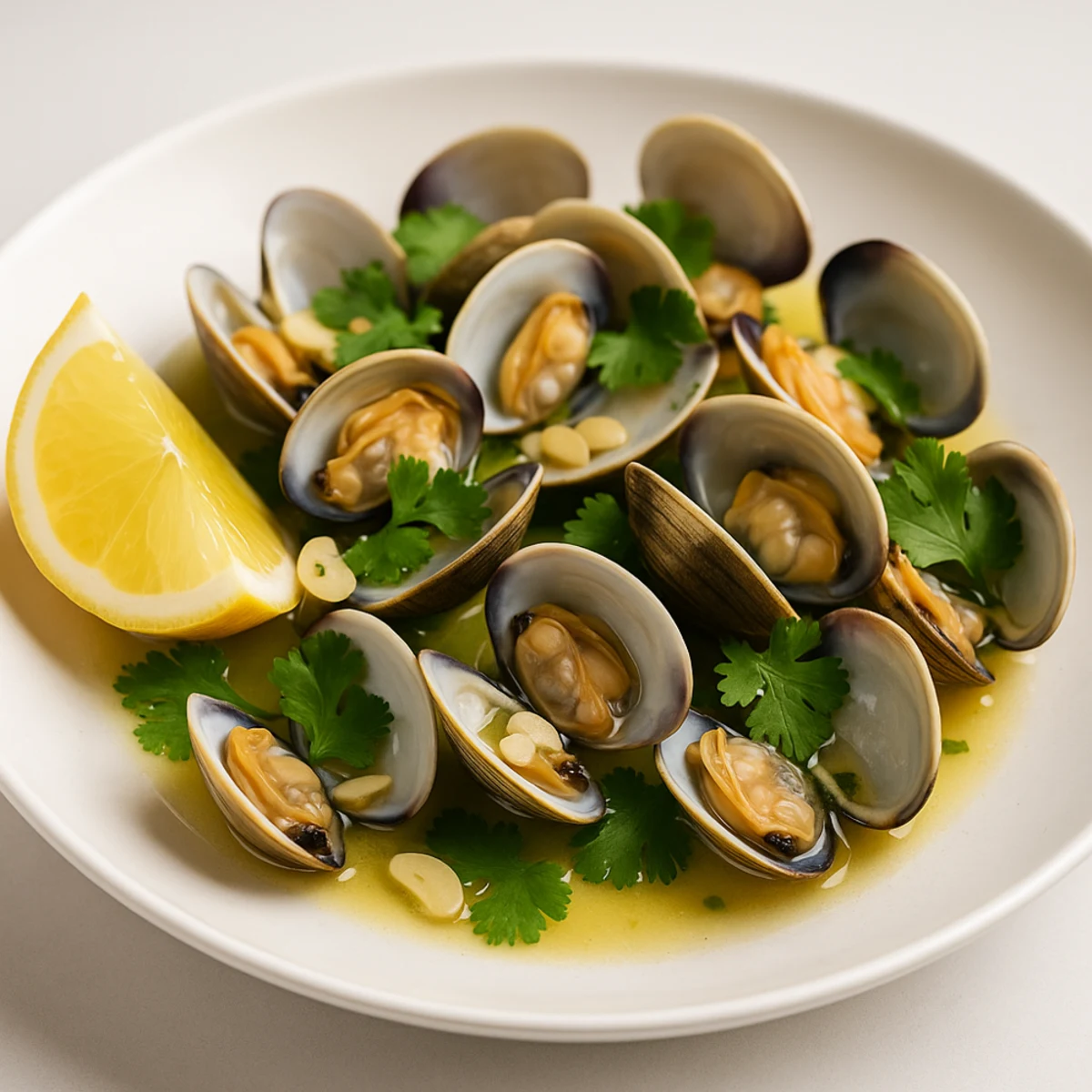
Clams Bulhão Pato & Wine Pairing: A Bright Coastal Classic
Clams Bulhão Pato: A Portuguese Classic with the Perfect Wine Pairing
If you love simple seafood dishes that taste like a sunny afternoon by the ocean, Clams Bulhão Pato belongs at the top of your cooking list. This iconic Portuguese recipe combines fresh clams, fragrant garlic, bright lemon, and a shower of cilantro in a silky white wine and olive oil sauce. It’s fast, elegant, and deeply satisfying.
Because it’s so aromatic and citrusy, Clams Bulhão Pato is also a dream dish for wine lovers. The right wine pairing doesn’t just sit on the side; it amplifies the briny sweetness of the clams, lifts the lemon and garlic, and turns a simple meal into a restaurant-level experience at home. In this guide, we’ll walk through the story of the dish, how to cook it perfectly, and—most importantly—how to choose the best wine for Clams Bulhão Pato from places like Total Wine, Trader Joe’s, BevMo, or your favorite local shop.
And if you want to go even deeper, the Vinomat app can help you dial in a perfect match every time, suggesting bottles tailored to your taste and your local stores.
About This Dish
Clams Bulhão Pato is one of Portugal’s most beloved seafood dishes. Originating around Lisbon, it’s named after 19th‑century Portuguese poet Raimundo António de Bulhão Pato, a noted bon vivant who gave his name—willingly or not—to this now-classic recipe. Today, you’ll find it in tasquinhas (small taverns) and fine-dining restaurants alike, often as the opening act to a long, leisurely meal.
At its heart, Clams Bulhão Pato is all about freshness and simplicity. There’s no heavy cream, no thick sauce, no complicated technique. Just ultra-fresh clams, good olive oil, plenty of garlic, dry white wine, lemon, and cilantro. The magic is in the way these ingredients come together: the clams release their briny juices, which mingle with wine and olive oil to create a light, silky broth that begs for crusty bread.
Culturally, this dish is part of Portugal’s deep connection to the sea. Like many coastal recipes, it’s designed to highlight pristine seafood rather than hide it. It’s also incredibly social food—served in a big communal bowl with bread in the middle of the table, hands reaching in, wine glasses clinking. It’s casual and festive at the same time.
For American home cooks, Clams Bulhão Pato offers something special: it’s impressive enough for a dinner party but quick enough for a weeknight. And from a wine pairing perspective, it’s a fantastic way to explore refreshing whites from both Portugal and top US regions like California, Oregon, and Washington alongside French, Italian, and Spanish imports.
Key Ingredients & Their Role
Clams Bulhão Pato uses just a handful of core ingredients, but each one shapes the flavor—and your choice of wine.
Clams
The star of the dish is, of course, fresh clams. They bring a clean, saline, slightly sweet ocean flavor and a tender, juicy texture. Because clams release their own briny liquor as they steam, they naturally season the sauce with a gentle saltiness and umami depth.
From a wine pairing standpoint, that means you’ll want wines with good acidity and a clean, mineral profile to echo the sea and refresh your palate between bites. Rich, oaky, or low-acid whites can feel heavy and dull next to such a bright, saline dish.
Garlic
Four cloves of finely chopped garlic infuse the olive oil and sauce with aroma and warmth. Garlic adds savory depth and a hint of pungency that gives the dish structure.
Garlic-friendly wines usually have:
- Medium to high acidity to cut through richness
- Clean, precise flavors (think citrus, green apple, saline notes)
Overly buttery or heavily oaked whites can clash with the garlic, making the combination taste a bit muddled.
Olive Oil
Good extra virgin olive oil forms the base of the sauce. It adds body and a gentle fruitiness, softening the brine and acidity into a silky, luxurious coating.
Because olive oil adds richness, the wine for Clams Bulhão Pato should be crisp but not razor-sharp, with enough body to avoid feeling thin next to the sauce. This is where coastal whites—Portuguese, Spanish, or Californian—really shine.
White Wine
A dry white wine in the pan does double duty: it deglazes the garlic, then reduces to concentrate acidity and aroma. This creates the tangy backbone of the sauce.
You don’t need anything fancy for cooking, but use something you’d happily drink. Avoid off-dry or sweet wines here; they can make the finished dish taste unbalanced. The same style you pour into the pan is usually a smart wine pairing in the glass, too.
Lemon
Lemon zest and juice brighten everything. They reinforce the citrus notes often found in seafood-friendly whites and sharpen the overall flavor.
Since the dish is naturally citrusy, it’s ideal with wines that show lemon, lime, or grapefruit character and vibrant acidity, like Vinho Verde, Albariño, or coastal Sauvignon Blanc.
Cilantro
The final flourish of fresh cilantro adds an herbal, slightly peppery, almost citrusy lift. It’s what makes Clams Bulhão Pato instantly recognizable.
Cilantro can clash with very oaky or overly floral wines, so look for bottles with herbal, saline, or green notes that echo the herb instead of fighting it—think Portuguese coastal whites or cool‑climate Sauvignon Blanc.
All together, these ingredients create a dish that is light, citrusy, salty, and aromatic—a dream scenario for bright, seafood-loving wines.
Recipe
Prep Time | 15 minutes ---|--- Cook Time | 10 minutes Total Time | 25 minutes Servings | 4 Difficulty | Easy
Ingredients:
- 1 kg Fresh clams
- 4 Garlic cloves (finely chopped)
- 1/3 cup Olive oil (extra virgin)
- 1/2 cup White wine (dry)
- 1/2 cup Fresh cilantro (finely chopped)
- 1 (zested and juiced) Lemon
- To taste Black pepper (freshly ground)
- To taste Salt
Instructions:
- Rinse the clams thoroughly under cold running water to remove any sand or grit. Discard any clams that are already open and do not close when tapped.
- Finely chop the garlic cloves and set aside. Wash the cilantro, pat it dry, and chop it finely.
- Zest and juice the lemon. Reserve both the zest and juice for later use.
- In a large heavy-based skillet or pan, heat the olive oil over medium heat.
- Add the chopped garlic to the skillet and sauté until fragrant and lightly golden, about 1-2 minutes. Be careful not to let the garlic burn.
- Pour the white wine into the skillet and bring it to a simmer. Allow the wine to cook for 2-3 minutes to reduce slightly and enhance its flavor.
- Add the cleaned clams to the skillet. Cover the pan with a lid and cook over medium heat for 5-7 minutes, shaking the pan occasionally, until all the clams have opened. Discard any clams that remain closed.
- Once the clams are cooked, stir in the chopped cilantro, lemon zest, and lemon juice. Season with salt and freshly ground black pepper to taste.
- Transfer the clams and sauce to a serving dish, ensuring the clams are evenly distributed and topped with the fragrant liquid.
- Serve immediately with crusty bread to soak up the sauce, and garnish with additional cilantro if desired for an elegant presentation.
Nutrition Facts (per serving):
- Calories: 260 kcal
- Protein: 35.0g
- Fat: 22.0g
- Carbohydrates: 4.0g
- Salt: 2.5g
Dietary Information: Gluten-free, Dairy-free, Nut-free
Perfect Wine Pairings
Clams Bulhão Pato is a textbook case of “what grows together goes together,” but it also plays beautifully with top American white wines. Here’s how to think about your wine pairing.
What to Look For in a Wine
Because the dish is light, citrus-driven, and briny, your ideal wine for Clams Bulhão Pato should have:
- High, refreshing acidity to match the lemon and cut through the olive oil
- Light to medium body so it doesn’t overwhelm the delicate clams
- Minimal or no new oak (too much vanilla or butter will clash with garlic and cilantro)
- Citrus, green apple, saline, or herbal notes that mirror the flavors in the dish
Avoid heavy, oaky Chardonnays or tannic reds. If you want a red, choose a light, high-acid style such as a chillable Pinot Noir, which some Portuguese experts note can work with seafood when the tannins are soft and the acidity is bright.
1. Portuguese Coastal Whites (Vinho Verde, Arinto, Encruzado)
If you want to stay authentic, reach for Portuguese whites:
- Vinho Verde (especially Loureiro or Alvarinho): naturally high acidity, citrus, green apple, and a faint spritz—perfect with shellfish and bright sauces.
- Arinto-based whites from Lisbon or Bucelas: crisp, lemony, and mineral, fantastic with briny dishes.
- Encruzado from the Dão: a bit more structured but still fresh, great with seafood when made in a clean, non-oaky style.
You’ll often find these at Total Wine or well-stocked local shops in the $12–$20 range.
2. California Sauvignon Blanc & Coastal Blends
For a New World wine recommendation, California delivers excellent options:
- Look for Sauvignon Blanc from cooler areas (Sonoma Coast, Russian River, Santa Barbara County). These bring zesty citrus, green herbs, and bright acidity—an ideal perfect match for the lemon, garlic, and cilantro.
- Some coastal white blends (Sauvignon Blanc + Semillon or other grapes) can also work if they lean more on freshness than oak.
You’ll find plenty of choices at BevMo, Total Wine, or even Trader Joe’s in the $12–$25 range.
3. Oregon & Washington Whites (Pinot Gris, Riesling, Chardonnay)
From the Pacific Northwest, look for:
- Oregon Pinot Gris: typically crisp, with pear, citrus, and mineral notes—excellent with shellfish and light sauces.
- Washington Riesling (dry or just off-dry): high acidity and stone fruit; a very slight sweetness (if present) can soften the garlic without fighting the lemon, as long as the wine is firmly structured.
- Unoaked or lightly oaked Chardonnay: choose styles that emphasize freshness over butter and oak.
These are widely available at major chains and local wine shops in the $15–$30 range.
4. French, Italian, and Spanish Imports
If you’re in the mood for European classics, consider:
- Muscadet (Loire, France): famously good with oysters and clams; super crisp, saline, and lemony.
- Sancerre or other Loire Sauvignon Blanc: racy acidity, citrus, and herbal notes that echo the cilantro and lemon.
- Albariño (Rías Baixas, Spain): high acidity, citrus, stone fruit, saline finish—practically made for shellfish.
- Vermentino from Italy: coastal character, citrus, and slight bitterness that pairs well with olive oil and herbs.
Most of these styles are easy to find at Total Wine, and many grocery chains now stock at least an Albariño or a Loire Sauvignon Blanc.
What About Red Wine?
If you strongly prefer red, choose something light, low-tannin, and high-acid, such as:
- Oregon Pinot Noir or a light California Pinot Noir served slightly chilled
Portuguese food traditions show that lighter reds can work with some seafood when tannins are gentle and acidity is bright. It won’t be the classic route, but it can be enjoyable if you keep the wine delicate.
If you’re unsure where to start, plug "Clams Bulhão Pato" into Vinomat, and the app will suggest specific bottles—by region, style, and price—that should be available near you.
Cooking Tips & Techniques
Clams Bulhão Pato is straightforward, but a few details make the difference between good and unforgettable.
Choose and Prep Your Clams
- Freshness is everything. Clams should smell like the ocean, not fishy.
- Tap any open clams; if they don’t close, discard them.
- Rinse thoroughly under cold running water to remove sand. If your clams are very sandy, you can briefly soak them in cold, lightly salted water, then rinse again.
Control the Garlic
- Garlic should be lightly golden, never brown or dark. Burned garlic will make the entire dish bitter.
- Keep the heat at medium and stir frequently; as soon as you smell a strong garlic aroma and see the first signs of color, add the white wine.
Build a Balanced Sauce
- Let the wine simmer for 2–3 minutes to cook off the harsh alcohol and concentrate its flavor.
- Don’t skimp on olive oil; it’s key for a silky, emulsified sauce that coats the clams and bread.
Steam the Clams Gently
- Use a large, heavy skillet so the clams sit mostly in a single layer.
- Cover and cook over medium heat, shaking the pan occasionally. As soon as the clams open, they’re done.
- Discard any that remain closed after cooking.
Finish with Freshness
- Add the cilantro, lemon zest, and juice right at the end to keep their flavors bright.
- Taste the sauce before adding salt; the clam liquor is naturally salty, so you may need less than you think.
If you follow these steps, your Clams Bulhão Pato will be vibrant, aromatic, and perfectly set up for that ideal wine pairing.
Serving Suggestions
Clams Bulhão Pato is designed for sharing and for lingering over a glass of wine.
- Serve the clams in a shallow bowl or wide-rimmed platter, making sure to pour all the sauce over the top.
- Add plenty of crusty bread on the side—think baguette, sourdough, or a rustic country loaf—to mop up the garlicky, citrusy broth.
- For a fuller meal, pair with:
- A simple green salad with a lemony vinaigrette
- Lightly grilled or steamed vegetables
- Boiled or roasted baby potatoes tossed in olive oil and herbs
Set the table casually but thoughtfully: a large serving bowl in the center, small bowls for shells, and napkins (this is hands-on food). Chill your chosen wine for Clams Bulhão Pato to the correct temperature (most whites shine around 45–50°F) so the acidity feels crisp and refreshing.
If you’re entertaining, consider starting the evening with this dish and a bright Portuguese Vinho Verde or a coastal California Sauvignon Blanc. It’s an instant mood-setter: fragrant, interactive, and tailor-made for conversation.
Conclusion
Clams Bulhão Pato is the kind of recipe that proves you don’t need complicated techniques to cook like you’re in a seaside restaurant. With just a few fresh ingredients and 25 minutes, you get a bowl of clams in a garlicky, lemony, cilantro-scented broth that’s practically begging for the right wine pairing.
Whether you reach for a Portuguese Vinho Verde, a zesty California Sauvignon Blanc, an Oregon Pinot Gris, or a Spanish Albariño, the right wine for Clams Bulhão Pato will elevate every bite and turn a simple dinner into a memorable experience. When in doubt, open Vinomat, plug in the dish, and let it guide you to a perfect match from shops like Total Wine, Trader Joe’s, BevMo, or your local favorite.
Cook the dish, pour the wine, and enjoy that beautiful moment where food, wine, and company all come together.