


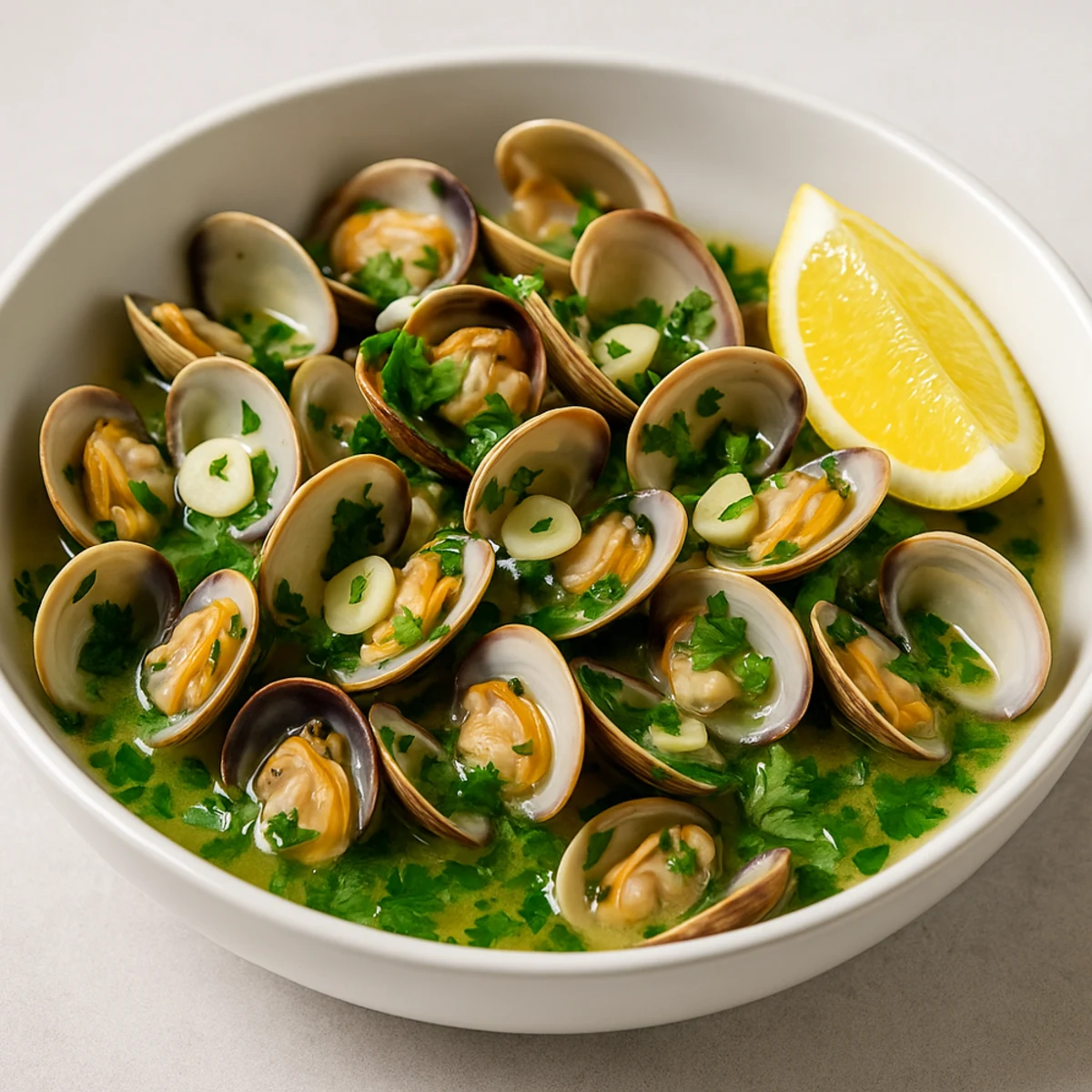
Clams Bulhão Pato Style: A Portuguese Classic with Perfect Wine Pairing
Clams Bulhão Pato Style: A Portuguese Classic with Perfect Wine Pairing
Introduction
There's something magical about a bowl of steaming clams infused with garlic, fresh herbs, and bright citrus notes—especially when you know exactly which wine to pour alongside it. Clams Bulhão Pato Style represents everything we love about Portuguese coastal cuisine: simplicity, quality ingredients, and bold flavors that don't require hours in the kitchen.
This iconic dish, named after a 19th-century Portuguese writer, has become a staple in restaurants from Lisbon to New York. What makes it so special isn't just the tender clams or the aromatic garlic-forward broth—it's how beautifully this wine pairing opportunity brings out the best in both the food and your glass. Whether you're hosting a dinner party or planning a romantic weeknight meal, mastering this recipe and understanding its wine pairing potential will transform your home cooking.
In this guide, we'll walk you through everything you need to know about preparing Clams Bulhão Pato Style, from selecting the freshest clams to choosing the perfect wine recommendation that will make your guests ask for seconds.
About This Dish
Clams Bulhão Pato Style originates from Portugal's rich maritime heritage, where seafood has been central to the national cuisine for centuries. The dish takes its name from Bulhão Pato, a beloved 19th-century Portuguese writer known for his wit and his appreciation of fine food. This recipe represents authentic Portuguese cooking at its finest—a celebration of fresh seafood prepared with minimal intervention, allowing each ingredient to shine.
The beauty of this dish lies in its elegant simplicity. There are no heavy sauces or complicated techniques to master. Instead, you're working with a handful of quality ingredients: fresh clams, garlic, olive oil, white wine, and fresh coriander. The magic happens when these elements come together in a hot pan, creating a broth that's simultaneously light and deeply flavorful.
In Portugal, this dish is traditionally served as an appetizer or part of a larger seafood spread, often accompanied by crusty bread for soaking up every drop of the aromatic liquid. The cooking method—essentially steaming the clams in their own juices combined with wine and aromatics—keeps the meat incredibly tender while infusing it with complex flavors.
What's particularly interesting about Clams Bulhão Pato Style is how it demonstrates the Portuguese philosophy of coastal cooking. Rather than masking ingredients with heavy preparations, the focus is on respecting the natural flavor of the seafood. This approach also makes it an ideal candidate for thoughtful wine pairing, as the bright, clean flavors of the dish won't overpower delicate wines.
Key Ingredients & Their Role
Understanding what each ingredient brings to this dish will help you appreciate why it's such a perfect vehicle for wine pairing.
Clams are the star of the show. Fresh littleneck or Manila clams work beautifully, though you can also use smaller varieties like littlenecks or even cherrystone clams. The key is ensuring they're fresh and tightly closed before cooking. Clams contribute a briny, oceanic quality that provides the foundation for the entire dish. This salinity is crucial when considering wine pairing—it's one reason why certain wines with good acidity work so well alongside this recipe.
Garlic serves as the flavor backbone, providing pungent, aromatic notes that become mellow and sweet when gently sautéed in olive oil. The garlic infuses the cooking liquid, creating a savory base that ties all elements together. When selecting garlic, fresh cloves are essential; pre-minced garlic lacks the complexity you need here.
Extra virgin olive oil carries the garlic flavor and creates a silky mouthfeel in the final dish. Portuguese olive oils tend to be more robust than Italian varieties, offering peppery or herbaceous notes that complement the fresh coriander beautifully. The oil also helps emulsify with the wine and clam juices, creating a more cohesive sauce.
Dry white wine is where your wine pairing journey begins. This isn't just a cooking ingredient—it's the bridge between your food and the wine you'll serve. The wine reduces slightly, concentrating its flavors and adding acidity that brightens the dish. This is why choosing a wine you'd actually want to drink is important; the same characteristics that make it pleasant to sip will enhance the finished dish.
Fresh coriander (cilantro) adds a fresh, herbaceous note with subtle citrus undertones. This ingredient is polarizing for some, but in Portuguese cuisine, it's essential. It provides a bright counterpoint to the rich garlic and oil, and it's particularly important when considering the overall flavor profile for wine pairing.
Lemon contributes brightness and acidity without adding liquid volume. The zest provides aromatic oils, while the juice adds a clean, sharp quality that prevents the dish from feeling heavy. This citrus element is another reason why certain wines work so well with this recipe—the acidity in both the food and the wine creates harmony.
Recipe
| Prep Time | 25 minutes |
|---|---|
| Cook Time | 10 minutes |
| Total Time | 35 minutes |
| Servings | 4 |
| Difficulty | Easy |
Ingredients
- 1.2 kg Clams (preferably fresh, cleaned)
- 6 Garlic cloves (finely chopped)
- 1/4 cup Olive oil (extra virgin)
- 1/2 cup White wine (dry)
- 1/2 cup Fresh coriander (coarsely chopped)
- 1 Lemon (zested and juiced)
- To taste Salt
- To taste Freshly ground black pepper
Instructions
- Rinse the clams thoroughly under cold water to remove any sand. If necessary, soak in salted water for 20 minutes, then rinse again.
- Finely chop the garlic cloves and set them aside. Coarsely chop the fresh coriander and set aside. Zest the lemon with a microplane or zester, then juice the lemon and set both aside.
- In a large sauté pan or deep skillet, heat the olive oil over medium heat.
- Add the chopped garlic to the hot oil and sauté for about 2 minutes, stirring frequently, until fragrant but not browned.
- Pour the white wine into the pan, stir, and bring it to a simmer. Allow it to cook for 1–2 minutes to slightly reduce the liquid.
- Add the cleaned clams to the pan, cover with a lid, and cook over medium heat for 5–7 minutes or until the clams open. Discard any clams that remain closed.
- Uncover the pan and sprinkle the clams with the chopped coriander, lemon zest, and lemon juice.
- Season the dish with salt and freshly ground black pepper to taste. Stir gently to combine all the flavors.
- Serve immediately in a large bowl, spooning the cooking liquid over the clams. Garnish with additional coriander, if desired.
Nutrition Facts (per serving)
- Calories: 230 kcal
- Protein: 23.0g
- Fat: 18.0g
- Carbohydrates: 5.0g
- Salt: 2.7g
Dietary Information
Gluten-free, Dairy-free, Nut-free
Perfect Wine Pairings
Choosing the right wine for Clams Bulhão Pato Style is about understanding how the dish's characteristics interact with wine's components. The briny, citrusy, garlicky profile of this recipe calls for wines with good acidity, moderate body, and aromatic qualities.
Why Acidity Matters: The salinity of the clams and the citrus notes in the dish require wines with crisp acidity. High-acid wines cut through the richness of the olive oil and complement the briny clam juice, creating a harmonious pairing. Wines lacking sufficient acidity can taste flabby or flat alongside this dish.
Specific Wine Recommendations:
Albariño and Alvarinho (Spanish and Portuguese whites) are perhaps the most traditional choices for this wine pairing. These wines offer bright citrus notes, mineral qualities, and the acidity needed to complement clams beautifully. Look for Spanish Albariños from Rías Baixas or Portuguese Alvarinhos. These typically run $15-25 at Total Wine or BevMo and pair exceptionally well with the dish's citrus and garlic elements.
Sauvignon Blanc from California or New Zealand brings herbaceous notes that echo the fresh coriander in your recipe. The wine's natural acidity and citrus characteristics create an elegant wine pairing that doesn't overpower the delicate clam meat. California versions tend to be slightly rounder, while New Zealand examples offer more pronounced herbaceousness. Expect to spend $12-22 for quality options available at most wine retailers.
Pinot Grigio from northern Italy or Oregon offers a lighter-bodied alternative with subtle stone fruit and citrus notes. While sometimes dismissed as too simple, a quality Pinot Grigio can be a perfect wine recommendation for those who prefer a more delicate profile. The wine's clean, crisp character won't compete with your dish's flavors. Look for versions from Trader Joe's or local wine shops in the $10-18 range.
Vinho Verde from Portugal completes the authentic pairing circle. This slightly sparkling white wine offers refreshing acidity, subtle fruit notes, and a playful effervescence that's particularly lovely with seafood. The wine's lower alcohol content (around 9-11%) makes it ideal for longer meals. These are widely available and remarkably affordable at $8-15.
For those interested in exploring beyond traditional whites, a chilled light rosé or even a dry sparkling wine can work beautifully with this dish, offering similar acidity profiles while adding textural interest.
Cooking Tips & Techniques
Mastering a few key techniques will ensure your Clams Bulhão Pato Style turns out perfectly every time.
Clam Selection and Cleaning: Start with the freshest clams available. They should smell like the ocean, not fishy. Before cooking, scrub the shells under cold running water to remove sand and debris. If you have time, soak them in salted water for 20 minutes—this encourages them to expel any remaining sand. Discard any clams with broken shells or those that don't close when tapped.
Garlic Management: The key to perfect garlic is cooking it gently until fragrant but not browned. Burnt garlic becomes bitter and can ruin the entire dish. Keep your heat at medium, stir frequently, and watch carefully during those first two minutes. If your pan seems too hot, remove it from the heat briefly while stirring.
Wine Selection for Cooking: Use a wine you'd actually drink. The wine's flavor concentrates during cooking, so poor-quality wine will result in poor-quality dish. A crisp, dry white wine works best—avoid anything with residual sugar or overly high alcohol content.
Timing the Clams: Clams cook quickly, typically opening within 5-7 minutes. Overcooked clams become rubbery and tough. Check them frequently after the five-minute mark. As soon as they've opened, they're done. Any clams that remain stubbornly closed after 10 minutes should be discarded—they were likely already dead.
Common Mistakes to Avoid: Don't overcrowd your pan; cook clams in batches if necessary to ensure even cooking and proper steaming. Don't skip the initial garlic-oil infusion step—this builds flavor. Don't add the fresh coriander and lemon until the very end; these ingredients are meant to provide fresh, bright notes that would diminish with extended cooking.
Serving Suggestions
Presentation and context elevate Clams Bulhão Pato Style from simple weeknight dinner to memorable dining experience.
Plating: Serve the clams in a large, shallow bowl or on a platter, ensuring each portion gets plenty of the aromatic broth. The presentation should feel generous and inviting, with the glossy clams nestled in their cooking liquid and garnished with fresh coriander.
Bread Pairing: Crusty bread is essential—not optional. Grilled or toasted bread allows guests to soak up every precious drop of the garlic-wine broth. Portuguese restaurants often serve this with thick-cut bread brushed with olive oil and grilled until crispy.
Wine Service: Pour your chosen wine pairing into proper white wine glasses, slightly chilled (around 45-50°F). The wine should be served alongside the clams, not after, so diners can experience the pairing from the first bite.
Accompaniments: A simple green salad with lemon vinaigrette provides freshness and textural contrast. Grilled vegetables like zucchini or asparagus work beautifully alongside this dish. Keep accompaniments light so they don't compete with the star ingredient.
Timing and Atmosphere: This is a dish best served immediately after cooking while the broth is hot and the aromatics are at their peak. Create an intimate dining atmosphere—this recipe feels luxurious yet approachable, making it perfect for both casual entertaining and special occasions.
Conclusion
Clams Bulhão Pato Style represents everything that makes Portuguese cuisine so compelling: respect for ingredients, simplicity of technique, and a deep understanding of flavor harmony. By mastering this recipe and exploring the wine pairing options outlined here, you're not just learning to cook a dish—you're developing your palate and understanding how food and wine interact.
The beauty of this recipe is its accessibility. With just 35 minutes from start to finish, you can create restaurant-quality results at home. Whether you choose a crisp Albariño, a refreshing Vinho Verde, or a California Sauvignon Blanc, the right wine recommendation will transform your meal into something truly special.
Ready to explore more sophisticated wine and food pairings? Use Vinomat to discover the perfect wines for your favorite recipes. The app takes the guesswork out of wine pairing, helping you find options available at your local Total Wine, Trader Joe's, or BevMo. Start experimenting with different wine pairing combinations, and soon you'll develop an intuition for which wines complement your favorite dishes. Your next dinner party awaits—and it's going to be delicious.