


Creamy Polenta Wine Pairing: A Comforting Recipe for Any Table
Introduction
Creamy polenta is one of those dishes that feels instantly comforting the moment it hits the table. Silky, buttery, and gently savory, it can be a simple side dish or the foundation for a truly elegant meal. In American kitchens, polenta has become a favorite for home cooks who want something cozy but versatile—easy enough for a weeknight, yet special enough for guests. And because its flavor is soft and creamy rather than overpowering, it’s a dream dish for wine pairing.
That’s where the fun begins. The right wine can lift polenta from comforting to memorable, especially when Parmesan adds salty depth and butter brings richness. Whether you’re serving it with braised short ribs, roasted mushrooms, or simply on its own with a drizzle of olive oil, creamy polenta offers a beautiful canvas for thoughtful wine recommendation choices. If you’ve ever wondered what wine goes with creamy polenta, this guide will help you find the perfect match—without making things complicated.
About This Dish
Polenta has deep roots in Northern Italy, where cornmeal porridge became a staple long before it was a restaurant favorite. Traditionally, it was a humble dish made from what was available, cooked slowly until soft and nourishing. Over time, it evolved from peasant food into a beloved part of Italian cooking, appreciated for its simplicity and its ability to carry bold toppings, sauces, and cheeses.
In the United States, creamy polenta has found a natural home in modern food culture. It fits right in with the American love of comfort food, but it also appeals to cooks who enjoy layering flavor and texture. It can be rustic or refined, casual or dinner-party worthy. That versatility is one reason it shows up so often in wine pairing conversations: it plays well with everything from earthy reds to bright whites.
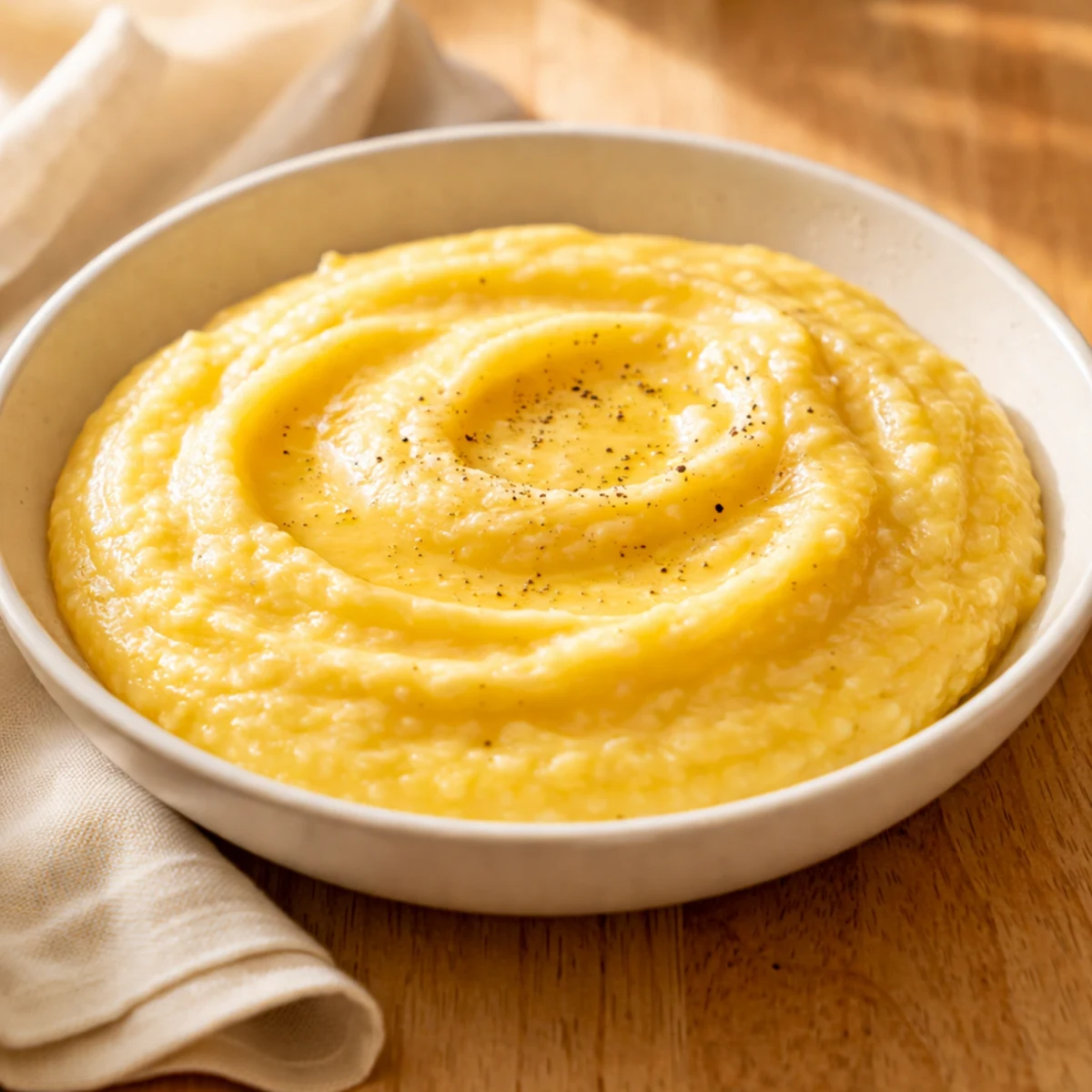
What makes creamy polenta special is its texture. When cooked properly, it’s smooth and spoonable, with a gentle sweetness from the cornmeal and a rich finish from butter and Parmesan. It’s not a loud dish, which is exactly why it works so well with wine. Instead of competing with the glass, it invites balance. A good wine recommendation should complement its creaminess, cut through the richness, and echo its savory depth.
Key Ingredients & Their Role
The beauty of creamy polenta lies in how a few simple ingredients create something greater than the sum of their parts. Cornmeal is the backbone. It brings a soft, earthy sweetness and that unmistakable corn flavor that gives polenta its identity. The grind matters: medium or coarse cornmeal often delivers the best texture, with enough body to feel substantial but still smooth and luscious.
Butter is what turns polenta from basic to luxurious. It adds roundness, gloss, and a mouth-coating richness that makes each bite feel indulgent. In a wine pairing context, butter is important because it softens the dish’s edges. That means wines with fresh acidity will shine, helping keep the palate lifted rather than weighed down.
Parmesan contributes salt, umami, and a savory finish that gives the dish more dimension. It also creates a bridge to wine, especially styles with enough fruit and structure to stand up to cheese. A good Parmesan adds complexity without making the dish heavy. If you want a more pronounced flavor, use a well-aged Parmigiano-Reggiano; if you prefer a softer profile, a younger Parmesan works beautifully.
Salt and liquid—usually water, stock, or a combination—round out the recipe, while a final stir of cream can make the texture even more velvety. For wine lovers, this ingredient profile is a gift: creamy, buttery, and savory dishes generally pair best with wines that have freshness, moderate body, and clean finishes. That’s why creamy polenta is such a smart choice when you want a wine for Creamy Polenta that feels elegant but approachable.
Recipe
Creamy Polenta Recipe
Prep time: 10 minutes Cook time: 35–40 minutes Total time: 45–50 minutes Servings: 4 Difficulty: Easy
Ingredients
- 1 cup medium-ground yellow cornmeal
- 4 cups water, plus more as needed
- 1 teaspoon kosher salt
- 2 tablespoons unsalted butter
- 1/2 cup freshly grated Parmesan cheese
- 1/4 cup heavy cream, optional for extra richness
- Freshly ground black pepper, to taste
Instructions
- In a medium saucepan, bring the water and salt to a gentle boil over medium-high heat.
- Reduce the heat to low and slowly whisk in the cornmeal in a steady stream to prevent lumps.
- Cook, stirring frequently with a wooden spoon or whisk, until the mixture thickens and the grains become tender, about 35 to 40 minutes. Add a splash of water if the polenta becomes too thick before it is fully cooked.
- Stir in the butter until melted and fully incorporated.
- Add the Parmesan and stir until smooth and creamy.
- If using, stir in the heavy cream for a richer texture.
- Taste and adjust with black pepper and more salt if needed.
- Serve immediately while warm and silky.
Nutrition Facts (per serving, approximate)
- Calories: 230
- Protein: 6g
- Fat: 10g
- Saturated Fat: 6g
- Carbohydrates: 29g
- Fiber: 2g
- Sugars: 1g
- Sodium: 420mg
Dietary Information
- Vegetarian
- Gluten-free
- Contains dairy
Perfect Wine Pairings
Creamy polenta is wonderfully flexible, which makes wine pairing both easy and rewarding. Because the dish is rich but not intensely flavored, the best wines are usually those with bright acidity, moderate alcohol, and enough texture to match the creaminess. You want a wine that cleanses the palate while still feeling harmonious. In other words, the perfect match should feel balanced, not forced.
1. Oregon Pinot Noir
If you’re looking for a classic wine for Creamy Polenta, Oregon Pinot Noir is a standout choice. Its bright red fruit, earthy undertones, and silky tannins make it a natural partner for the dish’s buttery texture. The acidity keeps each bite lively, while the wine’s subtle mushroom or forest-floor notes can echo the savory side of Parmesan. Look for bottles from the Willamette Valley, and expect many solid options in the $20–30 range at Total Wine, Trader Joe’s, and local wine shops.
2. California Chardonnay
A well-balanced California Chardonnay can be a beautiful wine recommendation, especially if it leans fresh rather than overly oaky. The wine’s creamy texture can mirror the polenta, while crisp acidity keeps the pairing from feeling heavy. Chardonnay from Sonoma often offers a great balance of ripe fruit, citrus, and gentle oak, making it a smart choice for a richer version of the recipe. This is a particularly good option if you’re serving polenta with roasted chicken or mushrooms.
3. Italian Soave or Vermentino
For a lighter, more mineral-driven pairing, Italian whites are excellent. Soave brings citrus, almond, and a clean finish that works well with the dish’s subtle sweetness. Vermentino adds herbal and saline notes that can brighten the palate. These wines are especially appealing if you’re serving creamy polenta as a starter or alongside vegetables. Many Italian imports in the $15–25 range are easy to find at BevMo, Total Wine, and neighborhood wine shops.
4. Spanish Garnacha
If you want a red with a little more warmth and spice, Spanish Garnacha is a smart pick. It’s typically fruit-forward, medium-bodied, and softer in tannin than many other reds, which makes it a good match for creamy, cheesy dishes. Garnacha works especially well if the polenta is served with braised meats or tomato-based toppings. It’s a great value option and often available at grocery stores and larger retailers.
When choosing a wine pairing, think about the final presentation. If the polenta is plain and delicate, lean toward whites or lighter reds. If it’s topped with mushrooms, short ribs, or sausage, you can move toward more structured wines. Vinomat can help narrow down the perfect match based on the exact version you’re making, which is especially helpful when you’re shopping at Total Wine, Trader Joe’s, BevMo, or your favorite local wine shop.
Cooking Tips & Techniques
The biggest secret to great creamy polenta is patience. Cornmeal needs time to hydrate fully, and rushing the process can lead to a gritty texture. Keep the heat low enough that the mixture simmers gently, and stir often to prevent sticking. A whisk is useful at the beginning, but a wooden spoon often gives you more control once the polenta thickens.
Another common mistake is adding the cornmeal too quickly. A slow, steady stream helps prevent lumps and creates a smoother base. If the polenta gets too thick before the grains are tender, simply add more hot water a little at a time. The goal is a spoonable, creamy consistency—not a stiff mass.
For the best flavor, season in layers. Salt the cooking liquid, then taste again after the butter and Parmesan go in. Cheese varies in saltiness, so final seasoning matters. If you want a more luxurious finish, stir in a little cream at the end, but don’t overdo it; the dish should still taste like cornmeal, not just dairy.
If you’re making this recipe ahead, spread the polenta in a shallow dish and rewarm it gently with a splash of water or stock. This makes it easier to serve while preserving that silky texture. For wine pairing success, remember that texture is everything: smooth, well-seasoned polenta gives wine room to shine.
Serving Suggestions
Creamy polenta is at its best when served warm and glossy, either as a base for saucy dishes or as a side that brings comfort to the plate. Spoon it into shallow bowls or onto a platter and finish with a little extra Parmesan, black pepper, and perhaps a drizzle of olive oil or a pat of butter. A few herbs, such as thyme or chives, can add freshness without distracting from the dish’s simplicity.
For a full meal, pair it with braised short ribs, roasted mushrooms, grilled chicken, or a rich tomato ragù. If you want a lighter presentation, serve it alongside sautéed greens or roasted vegetables. The dish also works beautifully for a dinner party, where it can anchor an elegant menu while still feeling approachable.
When thinking about wine pairing, consider the entire table. A crisp white works well for a lighter spread, while a silky red is ideal for heartier toppings. Either way, the relaxed, comforting nature of creamy polenta makes it perfect for a cozy evening with friends, a holiday side, or a quiet night in.
Conclusion
Creamy polenta proves that simple ingredients can create something truly memorable. With its buttery texture, gentle corn flavor, and savory Parmesan finish, it’s a dish that invites both comfort and creativity. It also offers a wonderful opportunity to explore wine pairing in a way that feels easy and enjoyable.
Whether you reach for Oregon Pinot Noir, California Chardonnay, or a crisp Italian white, the right wine for Creamy Polenta can turn a humble recipe into a standout meal. And if you want help finding your perfect match, Vinomat makes it easy to discover wine recommendation ideas tailored to your table. Try the recipe, pour a thoughtful glass, and enjoy the pairing.