


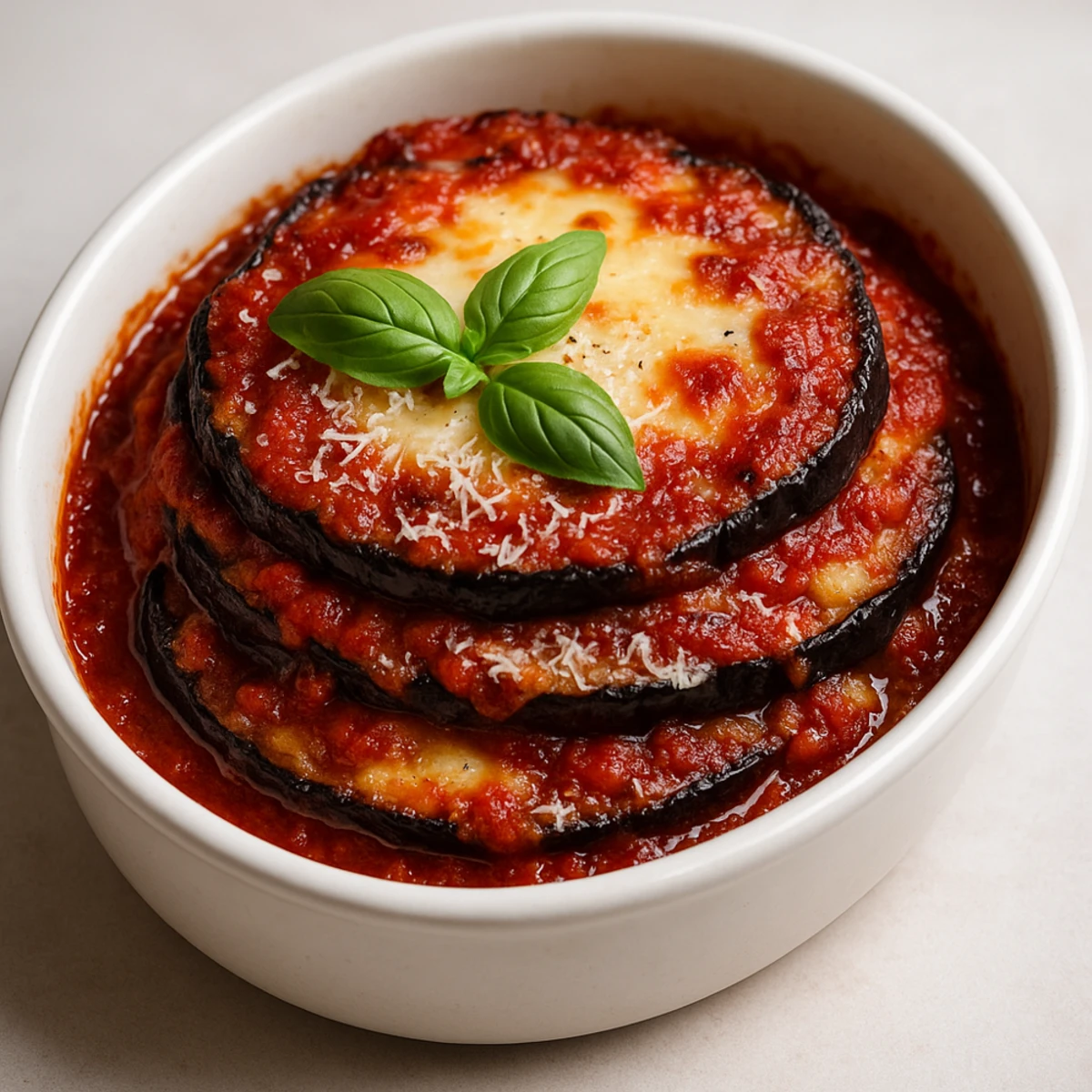
Eggplant Parmesan Recipe & Wine Pairing Guide for 2025
Eggplant Parmesan Recipe & Wine Pairing Guide for 2025
There's something undeniably magical about eggplant parmesan—that perfect marriage of crispy, golden eggplant slices layered with creamy mozzarella, tangy tomato sauce, and aromatic basil. This beloved Italian classic has earned its place on dinner tables across America, and for good reason. Whether you're cooking for a special occasion or a casual weeknight dinner, eggplant parmesan delivers restaurant-quality results that feel both comforting and sophisticated.
But here's what transforms a good eggplant parmesan into an unforgettable meal: the right wine pairing. The interplay between the dish's rich, umami-forward flavors and a carefully selected wine creates a dining experience that's genuinely greater than the sum of its parts. In this guide, we'll walk you through crafting authentic eggplant parmesan from scratch, then help you discover the perfect wines to complement every delicious layer.
About This Dish
Eggplant parmesan, known as parmigiana di melanzane in Italian, is a cornerstone of Southern Italian cuisine, particularly from regions like Naples and Sicily. While the dish has roots dating back centuries, it gained widespread popularity during the 20th century and has since become a global favorite. The beauty of eggplant parmesan lies in its apparent simplicity—eggplant, cheese, tomato sauce, and herbs—yet the technique and layering create something remarkably complex.
The traditional preparation involves frying eggplant slices until they achieve a golden, crispy exterior while remaining tender inside. These slices are then layered with a fresh tomato sauce, creamy mozzarella, and sharp Parmigiano Reggiano, then baked until bubbling and golden. The result is a dish with multiple textural contrasts: the slight crispness of the fried eggplant against the silky cheese, the acidity of the tomato sauce balancing the richness of the mozzarella.
What makes eggplant parmesan particularly special is its versatility. It can be served as a main course, a side dish, or even a vegetarian centerpiece that satisfies even the most devoted meat-eaters. The dish also freezes beautifully, making it perfect for meal prep or entertaining. When you understand the fundamentals of building eggplant parmesan, you unlock the ability to customize it to your preferences—lighter versions with roasted eggplant instead of fried, variations with different cheeses, or additions like prosciutto or fresh herbs.
Key Ingredients & Their Role
Every component in eggplant parmesan serves a purpose, and understanding how they work together will help you appreciate why this dish pairs so beautifully with certain wines.
Eggplant is the star ingredient, and its role is crucial. When sliced and salted, eggplant releases its moisture and bitter compounds, resulting in a more delicate flavor and better texture when cooked. The eggplant's mild, slightly earthy taste provides a neutral canvas that allows the other flavors to shine. Its spongy texture absorbs the flavors of the sauce and cheese while developing a golden crust when fried.
Mozzarella cheese brings creaminess and a delicate, milky flavor that softens the intensity of the other components. Fresh mozzarella works beautifully, though some cooks prefer low-moisture mozzarella for better layering. This cheese is the binding element that creates those gorgeous, stretchy pulls when you take a forkful of the finished dish. Its mild flavor doesn't overpower but rather complements and unifies the layers.
Parmigiano Reggiano adds sharpness, nuttiness, and depth. Unlike mozzarella's gentle presence, Parmigiano Reggiano is bold and assertive. It contributes umami—that savory, mouth-filling quality—and creates a golden, crispy top layer when baked. This is where much of the dish's complexity comes from, and it's also why wine pairing becomes so important.
Tomato sauce provides acidity, sweetness, and freshness. The acidity cuts through the richness of the cheeses and the oil from frying, keeping the dish balanced. High-quality canned tomatoes or fresh tomato sauce make a significant difference here. The tomato's natural sweetness plays against the sharp Parmigiano and the earthiness of the eggplant.
Fresh basil is more than garnish—it's an essential flavor component. Added both during cooking and as a final garnish, basil brings brightness and aromatic complexity that elevates the entire dish. Its peppery, slightly anise-like notes add sophistication.
Extra virgin olive oil ties everything together. It's used for frying the eggplant, creating that golden exterior, and for drizzling throughout the dish. Quality olive oil contributes fruity, sometimes peppery notes that enhance the Mediterranean character of the dish.
When you understand how these ingredients interact—the richness of the cheese against the acidity of tomato, the earthiness of eggplant against the brightness of basil—you begin to understand why certain wines work so well with eggplant parmesan. The wine should have enough acidity to complement the tomato sauce, enough body to stand up to the rich cheeses, and enough complexity to enhance the umami flavors.
Recipe
| Prep Time | 50 minutes |
|---|---|
| Cook Time | 20 minutes |
| Total Time | 70 minutes |
| Servings | 4 |
| Difficulty | Moderate |
Ingredients
- 2 large eggplants (melanzane)
- 250 g mozzarella cheese
- 500 g canned peeled tomatoes
- 12 pieces fresh basil leaves
- 50 g Parmigiano Reggiano (finely grated)
- 6 tbsp extra virgin olive oil
- 2 garlic cloves
- To taste salt
- To taste black pepper
Instructions
- Slice the eggplants into 1/2-inch thick rounds. Sprinkle them with salt and let them rest in a colander for 30 minutes to draw out bitterness. Rinse and pat them dry with a kitchen towel.
- Meanwhile, prepare the tomato sauce. In a saucepan, heat 2 tbsp of olive oil over medium heat. Add the finely chopped garlic and sauté until fragrant, about 1 minute.
- Add the canned peeled tomatoes. Break them up with a spoon and simmer for 20 minutes. Season the sauce with salt and black pepper to taste. Stir in 6 basil leaves and remove it from heat.
- Preheat the oven to 190°C (374°F) and position the rack in the middle part of the oven.
- In a large skillet, heat 4 tbsp of olive oil over medium heat. Fry the eggplant slices in batches until golden on both sides, about 3-4 minutes per side. Place them on a paper towel to drain excess oil.
- Slice the mozzarella into thin rounds. Set aside.
- Grease a baking dish with olive oil. Spread a thin layer of tomato sauce on the bottom. Add a layer of fried eggplant slices, followed by mozzarella slices, grated Parmigiano Reggiano, and more tomato sauce. Repeat the layers until all ingredients are used, finishing with mozzarella and Parmigiano Reggiano on top.
- Bake in the preheated oven for 25-30 minutes, or until bubbling and golden on top.
- Remove from the oven and let it cool slightly. Garnish with remaining basil leaves for a fresh touch before serving.
- Plate elegantly by serving individual portions in shallow bowls, ensuring the layers remain intact. Add a basil leaf for a classic Italian presentation.
Nutrition Facts (per serving)
- Calories: 320 kcal
- Protein: 15.0g
- Fat: 23.0g
- Carbohydrates: 18.0g
- Salt: 2.3g
Dietary Information
Gluten-free, Contains dairy, Nut-free
Perfect Wine Pairings
Choosing the right wine for eggplant parmesan is about understanding flavor balance. You want a wine with enough acidity to cut through the richness of the cheese and the oil, enough body to stand up to the dish's complexity, and enough character to complement the umami depth of Parmigiano Reggiano and tomato sauce.
Italian Reds are the traditional choice, and for good reason. A Chianti or Chianti Classico from Tuscany offers bright acidity and cherry-forward flavors that complement the tomato sauce beautifully. Look for bottles in the $15-25 range at Total Wine or your local wine shop. The wine's medium body won't overwhelm the delicate eggplant, while its acidity cleanses your palate between bites. Barbera from Piedmont is another excellent Italian option, offering deeper fruit flavors and slightly higher acidity that pairs wonderfully with the umami-rich Parmigiano Reggiano.
Spanish Tempranillo and Garnacha wines offer excellent value and work beautifully with eggplant parmesan. These wines typically feature ripe red fruit flavors with earthy undertones that echo the earthiness of the eggplant. They're often available at Trader Joe's and BevMo in the $12-20 range and offer surprising sophistication for the price.
California Pinot Noir from regions like Sonoma or Paso Robles is becoming increasingly popular with this dish. Pinot Noir's silky texture, bright acidity, and red cherry flavors create an elegant pairing. The wine's natural earthiness complements the eggplant while its acidity balances the richness. Look for bottles from producers like Erath or A to Z Wineworks in the $15-25 range.
Oregon Pinot Noir deserves special mention for its exceptional food-friendliness. The cooler climate produces wines with vibrant acidity and delicate red fruit flavors that feel almost Mediterranean despite being American. This is an outstanding choice if you want to explore domestic wine options that rival Italian pairings.
If you prefer white wine, a crisp Vermentino or Greco di Tufo from Southern Italy works surprisingly well, particularly if your eggplant parmesan features lighter tomato sauce and emphasizes the fresh basil. These wines offer bright acidity and minerality that complement rather than compete.
For those exploring wine pairings through apps like Vinomat, you can input "eggplant parmesan" and discover additional options tailored to your local availability and preferences. The app's tasting notes and food pairing suggestions help you understand why certain wines work, deepening your appreciation for the connection between food and wine.
Cooking Tips & Techniques
Mastering eggplant parmesan comes down to understanding a few key techniques that separate good versions from exceptional ones.
The salt-and-rest step is non-negotiable. Many home cooks skip this, but it's absolutely worth the 30 minutes. Salting the eggplant draws out moisture and bitter compounds, resulting in more tender eggplant that absorbs flavors better and develops a superior golden crust when fried. Don't rush this step—it's the foundation of great eggplant parmesan.
Frying temperature matters. Your oil should be hot enough to create a golden crust quickly (around 350°F if you're using a thermometer), but not so hot that the eggplant burns before the inside cooks through. Medium heat typically works well. Fry in batches rather than crowding the pan—this ensures even cooking and proper browning.
Don't skimp on the sauce. A common mistake is using too little tomato sauce, resulting in a dry, cheese-heavy dish. You want enough sauce to coat each layer and create moisture that steams the eggplant during baking. However, avoid making it soupy—the sauce should be thick enough to coat a spoon.
Layering is an art. Start with sauce on the bottom to prevent sticking, then alternate eggplant, sauce, cheese in even layers. Press gently between layers to help them meld. Finish with a generous top layer of cheese that will become golden and crispy.
Temperature and timing matter. Baking at 190°C (374°F) for 25-30 minutes allows the layers to meld and the cheese to become bubbly without burning. If your oven runs hot, check around the 20-minute mark. The top should be golden and bubbling at the edges, not brown or crusty.
Let it rest. This is crucial but often overlooked. Allowing the eggplant parmesan to cool for 5-10 minutes after baking helps the layers set, making it easier to serve without everything sliding around. This resting period also allows flavors to meld and intensify.
Make it ahead. Eggplant parmesan actually improves when made a day or two ahead, as the flavors have time to develop. You can assemble it completely, refrigerate, and bake when ready. Add 5-10 minutes to the baking time if baking from cold.
Serving Suggestions
Presentation elevates eggplant parmesan from a simple dish to a restaurant-worthy centerpiece. Serve it in shallow bowls rather than on flat plates—this shows off the beautiful layers and contains the sauce beautifully. Use a spatula to carefully transfer each portion, ensuring the layers stay intact. A fresh basil leaf on top adds color and aroma.
Accompaniments should be simple and complement rather than compete. A crisp green salad with a light vinaigrette provides textural contrast and helps cleanse the palate. Crusty bread is essential for soaking up the delicious sauce. A simple arugula salad dressed with lemon juice and olive oil adds peppery brightness that contrasts with the rich eggplant parmesan.
Wine service is straightforward—serve your chosen pairing at the appropriate temperature (red wines around 60-65°F for optimal flavor development) in glasses that allow the wine to breathe. Pour about 5 ounces per person, allowing for refills throughout the meal.
For a complete Italian dinner experience, consider starting with a simple antipasto of cured meats, cheeses, and olives, then serving eggplant parmesan as the main course. Finish with a light dessert like panna cotta or fresh fruit, paired with a dessert wine or simply espresso.
The setting matters too. Dim lighting, fresh flowers, and soft background music create an atmosphere that makes the meal feel special. Eggplant parmesan is comfort food elevated to elegance—the presentation and service should reflect that.
Conclusion
Mastering eggplant parmesan opens doors to a world of Mediterranean cooking and wine appreciation. This classic dish teaches fundamental techniques—proper salting, layering, balancing flavors—that apply across Italian cuisine. Whether you're cooking for family or impressing dinner guests, eggplant parmesan delivers impressive results from a relatively simple ingredient list.
The real magic happens when you pair your homemade eggplant parmesan with a thoughtfully selected wine. That moment when you take a bite of creamy mozzarella and crispy eggplant, then sip a wine that seems to have been made specifically for that combination, is when food and wine transcend being separate components and become a unified experience.
Explore the wine pairing options we've discussed, or use tools like Vinomat to discover additional pairings based on your preferences and local availability. Visit Total Wine, Trader Joe's, or your local wine shop to find bottles in your budget. Start with one pairing, then experiment with others. The more you cook eggplant parmesan and explore different wines, the more you'll understand the beautiful relationship between food and wine. Buon appetito!