


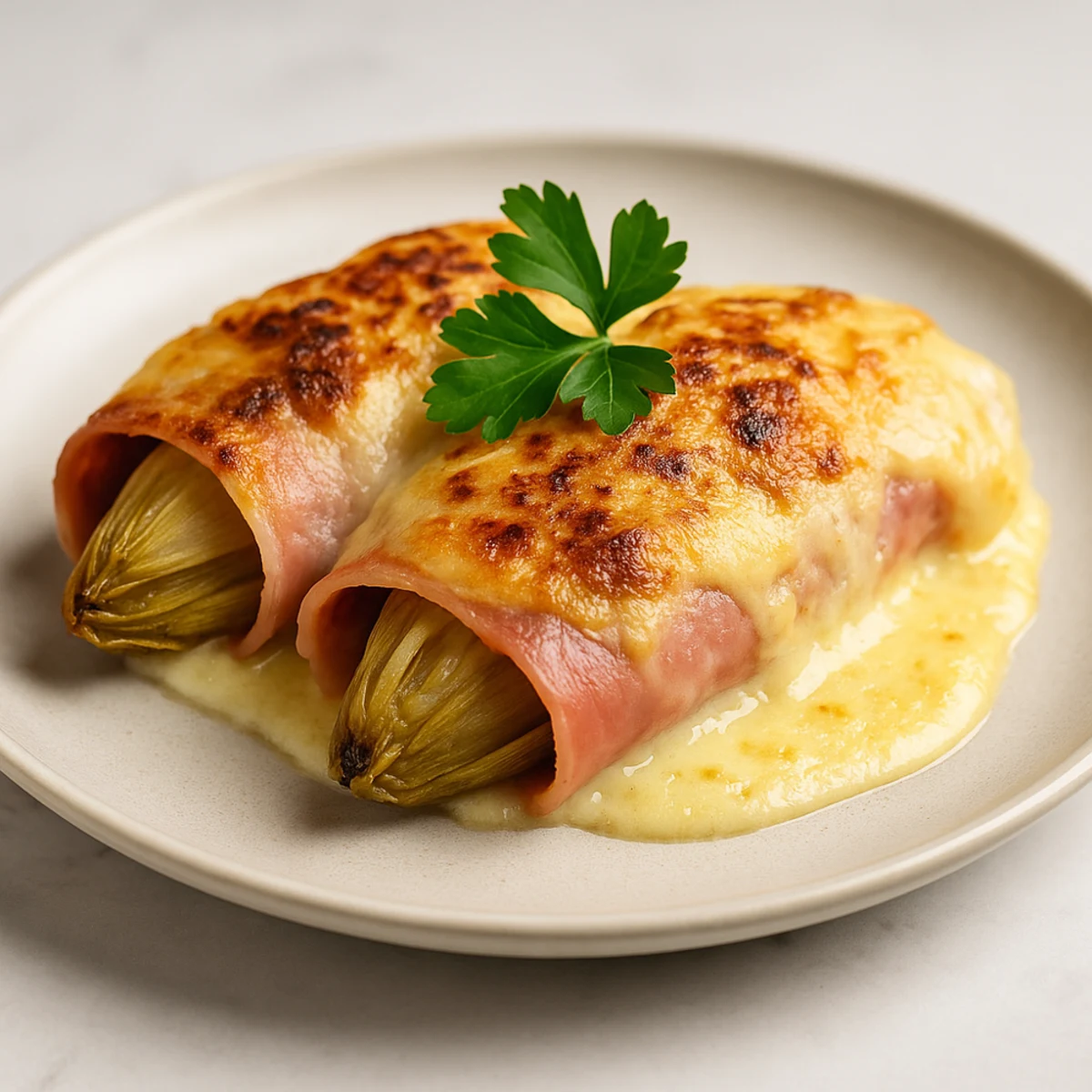
Endives au Gratin: A Classic French Dish & Wine Pairing Guide
Endives au Gratin: A Classic French Dish & Wine Pairing Guide
There's something undeniably elegant about serving Endives au Gratin at your dinner table. This sophisticated yet surprisingly approachable French dish transforms humble Belgian endives into a creamy, savory masterpiece that feels restaurant-worthy but comes together in under an hour. Whether you're planning an intimate dinner for two or impressing guests, understanding both the recipe and the perfect wine pairing will elevate your entire dining experience.
Endives au Gratin represents the best of French comfort food—humble ingredients elevated through technique and care. The combination of tender endives wrapped in salty ham and smothered in a silky cheese sauce creates layers of flavor that demand an equally thoughtful wine recommendation to complete the meal.
About This Dish
Endives au Gratin, also known as "Endives au Jambon" in French, is a classic preparation that originated in Northern France and Belgium, where Belgian endives are celebrated as a prized vegetable. This dish exemplifies the French philosophy of taking simple, quality ingredients and transforming them into something extraordinary through careful preparation and classic technique.
Belgian endives themselves are a fascinating ingredient—these pale, elongated heads are actually blanched chicory roots, cultivated in darkness to prevent them from turning green and developing a bitter taste. The result is a vegetable with a subtle, sophisticated flavor that's neither too assertive nor bland. When cooked, endives develop a tender texture while maintaining a delicate bitterness that plays beautifully against rich, creamy sauces.
The beauty of Endives au Gratin lies in its balance. The salty ham provides umami depth, the Gruyère cheese adds nutty richness, and the béchamel sauce brings silky creaminess that ties everything together. This isn't a dish that shouts for attention—it whispers sophistication. It's the kind of meal you'd encounter at a French bistro on a cool autumn evening, the kind that makes you slow down and savor each bite.
What makes this dish particularly special is its versatility. While it's deeply rooted in French tradition, it translates beautifully to American home cooking. It works equally well as a standalone main course for a vegetarian-leaning meal or as an elegant side dish alongside roasted chicken or beef. The recipe is forgiving enough for beginners yet satisfying enough for experienced cooks looking to expand their culinary repertoire.
Key Ingredients & Their Role
Understanding what each ingredient brings to the table helps you appreciate why this dish works so well—and guides your wine pairing strategy.
Belgian Endives are the star of this show. These cream-colored vegetables have a subtle, slightly bitter flavor profile that becomes mellow and almost sweet when cooked gently. The bitterness is key to the dish's complexity; it prevents the overall flavor from becoming one-dimensional. When you're considering a wine pairing for Endives au Gratin, you need to account for this gentle bitterness, which actually makes certain wines shine even brighter.
Ham serves multiple functions in this recipe. Quality ham—preferably French-style if you can find it at your local specialty shop—adds a salty, savory element that deepens the overall flavor profile. The ham also provides structural support, keeping the delicate endives intact during cooking and presentation. The saltiness of the ham is another critical factor when selecting your wine pairing; it can either complement or clash with your wine choice, so choosing the right wine for Endives au Gratin requires considering this salty element.
Gruyère Cheese brings nutty, complex flavors and creates that irresistible golden, bubbling top. Gruyère is a Swiss cheese with a lower moisture content than many other cheeses, which means it melts beautifully without becoming greasy. Its flavor is sophisticated—not sharp like aged cheddar, but with enough character to stand up to the other bold flavors in the dish. When thinking about wine recommendations, the Gruyère's nutty notes actually bridge beautifully between the endives' bitterness and certain wine characteristics.
Béchamel Sauce (made from butter, flour, and milk) is the binding agent that brings everything together. This mother sauce of French cuisine is deceptively simple but requires technique to execute properly. The sauce should be smooth, silky, and coat the back of a spoon without being heavy. The cream and butter add richness that demands a wine with enough body and acidity to cut through the richness without overwhelming the delicate endives.
Nutmeg is the secret weapon here—just a whisper of freshly grated nutmeg adds warmth and complexity to the béchamel without announcing itself. This spice actually plays an important role in your wine pairing considerations, as nutmeg can complement wines with similar warm, spiced characteristics.
Recipe
| Prep Time | 50 minutes |
|---|---|
| Cook Time | 10 minutes |
| Total Time | 60 minutes |
| Servings | 4 |
| Difficulty | Moderate |
Ingredients
- 8 heads Witloof (Belgian endives)
- 3 tbsp Unsalted butter
- 3 tbsp Flour (all-purpose)
- 2 cups Whole milk
- 1 1/2 cups Gruyère cheese (grated)
- 1/4 tsp Nutmeg (freshly grated)
- to taste Salt
- to taste Black pepper
- 8 slices Ham slices
- 4 sprigs Fresh parsley (optional for garnish)
Instructions
- Preheat your oven to 375°F (190°C) and position the rack in the middle of the oven.
- Trim the bases of the witloof slightly and remove any damaged outer leaves. Wash and pat them dry.
- Bring a pot of salted water to a boil. Add the witloof and simmer gently for 10–12 minutes, or until just tender. Drain well and set aside on paper towels to remove excess moisture.
- In a medium saucepan, melt 2 tbsp of butter over medium heat. Add the flour and whisk continuously for 1–2 minutes to form a roux.
- Gradually add the milk, whisking constantly to avoid lumps, until a smooth sauce forms. Cook for 5–7 minutes, stirring frequently, until slightly thickened.
- Reduce heat to low, then stir in 1 cup of Gruyère cheese. Add a pinch of nutmeg, salt, and pepper to taste. Remove from heat and set aside.
- Wrap each witloof head tightly in a slice of ham. Arrange them in a buttered baking dish.
- Pour the cheese sauce evenly over the wrapped witloof. Sprinkle the remaining Gruyère cheese over the top.
- Place the baking dish in the oven and bake for 20–25 minutes, or until the top is golden and bubbling.
- Remove from the oven and let rest for 5 minutes. Garnish with parsley sprigs before serving for an elegant presentation.
Nutrition Facts (per serving)
- Calories: 360 kcal
- Protein: 22.0g
- Fat: 22.0g
- Carbohydrates: 28.0g
- Salt: 1.8g
Dietary Information
Contains gluten, Contains dairy, Nut-free
Perfect Wine Pairings
Choosing the right wine for Endives au Gratin is where this dish truly shines. The combination of creamy sauce, salty ham, and bitter endives creates a complex flavor profile that demands equally thoughtful consideration. Let's explore several wine pairing options that will transform your meal.
White Wine Pairings
Burgundy-Style Chardonnay is perhaps the most classic wine pairing for this dish. Look for wines from California's Sonoma Coast or Russian River Valley, which offer the same elegant structure as their French counterparts but with slightly more approachability and value. Wines like these have enough body to match the creamy sauce, good acidity to cut through the richness, and subtle oak that complements the nutty Gruyère. The wine's complexity won't be overwhelmed by the dish, and the dish's flavors won't be lost in the wine. You can find excellent examples at Total Wine or local wine shops in the $18-28 range.
Sauvignon Blanc, particularly from the Loire Valley in France or from Washington State, offers a brighter alternative. The wine's herbal notes and zippy acidity provide a refreshing counterpoint to the richness of the béchamel sauce. The slight grassiness in Sauvignon Blanc actually echoes the subtle bitterness of the endives, creating a harmonious relationship on the palate. This wine pairing for Endives au Gratin works especially well if you're serving the dish as part of a lighter meal.
Pinot Gris from Oregon or Alsace brings a slightly richer texture than Sauvignon Blanc while maintaining good acidity. Oregon Pinot Gris has gained tremendous popularity in the United States and offers excellent value at $12-20. The wine's stone fruit flavors and subtle spice complement the nutmeg in the béchamel beautifully, while its medium body stands up to the cheese sauce without overwhelming the delicate endives.
Light Red Wine Option
Pinot Noir from Oregon or California's Central Coast might seem unconventional, but it's a sophisticated choice that works beautifully. Look for lighter-bodied examples rather than heavy, tannic versions. The wine's red fruit flavors and silky tannins complement the ham's salty richness, while the wine's acidity cuts through the cream sauce. A good Pinot Noir in the $15-25 range from producers available at Trader Joe's or BevMo can be a revelation with this dish, especially if you prefer red wine to white.
Wine Selection Strategy
When selecting your perfect match, consider these factors: Body (the wine should have enough weight to match the creamy sauce), Acidity (essential for cutting through richness and cleansing the palate), and Flavor Alignment (the wine's flavor notes should complement rather than compete with the dish's components).
Avoid heavily oaked wines that might overpower the delicate endives, and steer clear of very high-alcohol wines that can make the creamy sauce feel heavier. The best wine recommendation is one that feels balanced and elegant, never aggressive.
Cooking Tips & Techniques
Mastering Endives au Gratin requires attention to a few key techniques that separate good versions from exceptional ones.
Properly Draining the Endives is crucial. After boiling, resist the urge to rush. Place the cooked endives on paper towels and let them sit for several minutes, gently pressing to remove excess moisture. This prevents a watery sauce and ensures the gratin achieves that beautiful golden top.
Making a Smooth Béchamel intimidates many home cooks, but the secret is patience and constant whisking. When adding milk to your roux, do it gradually while whisking continuously. If you add too much milk too quickly, lumps form. If lumps do develop, strain the sauce through a fine-mesh sieve. The sauce should coat the back of a spoon but still flow slightly—it will continue to thicken as it cools and bakes.
Don't Skip the Freshly Grated Nutmeg—it makes a noticeable difference. Pre-ground nutmeg loses its volatile oils and becomes dusty and flat. A microplane grater and a whole nutmeg seed take 10 seconds and elevate the entire dish.
Wrapping the Endives Tightly in ham ensures they stay intact during cooking and create an attractive presentation. If your ham slices are small, use two slices per endive.
Watch the Final Baking carefully. The gratin should bubble around the edges and develop a golden-brown top, but you don't want the top to burn or the sauce to separate. If your oven runs hot, tent the dish loosely with foil for the first 15 minutes, then remove it to allow browning.
Serving Suggestions
Presentation matters with a dish this elegant. Serve Endives au Gratin directly from the baking dish for a rustic, inviting presentation, or carefully transfer individual portions to warm plates for a more formal dinner.
Consider plating the gratin on a bed of something light—perhaps a simple green salad dressed with a Dijon vinaigrette, or some crusty bread to soak up the sauce. The acidity in the salad dressing or the neutral starch of the bread provides a nice textural contrast to the creamy gratin.
For wine service, chill your white wine to 45-50°F (7-10°C) for about 30 minutes before serving. If you've chosen Pinot Noir, serve it slightly chilled at around 55°F (13°C) rather than room temperature—the cooler temperature emphasizes the wine's freshness and prevents it from feeling too heavy alongside the rich dish.
The beauty of Endives au Gratin is that it works for both casual family dinners and elegant entertaining. It's the kind of dish that says "I care about the details" without requiring you to spend all day cooking. Pair it with good wine, good company, and you've created an experience worth savoring.
Conclusion
Endives au Gratin represents everything wonderful about French cooking—simplicity elevated through technique, humble ingredients transformed into something memorable. By understanding both the recipe and the wine pairing considerations, you're not just cooking a dish; you're creating a complete dining experience.
The perfect wine pairing for Endives au Gratin enhances both the food and the wine, creating a synergy that makes each bite and each sip more enjoyable than they would be separately. Whether you choose a Burgundy-style Chardonnay, a crisp Sauvignon Blanc, or a silky Pinot Noir, you're making a thoughtful choice that respects both the dish's French heritage and your own palate.
Use tools like Vinomat to explore wine pairing options and discover new recommendations that align with your preferences and local availability. The app makes it easy to find the perfect match at your favorite wine merchant, whether that's Total Wine, Trader Joe's, BevMo, or your local shop. Now it's time to gather your ingredients, choose your wine, and create an evening of elegant, delicious dining that will have your guests asking for the recipe.