


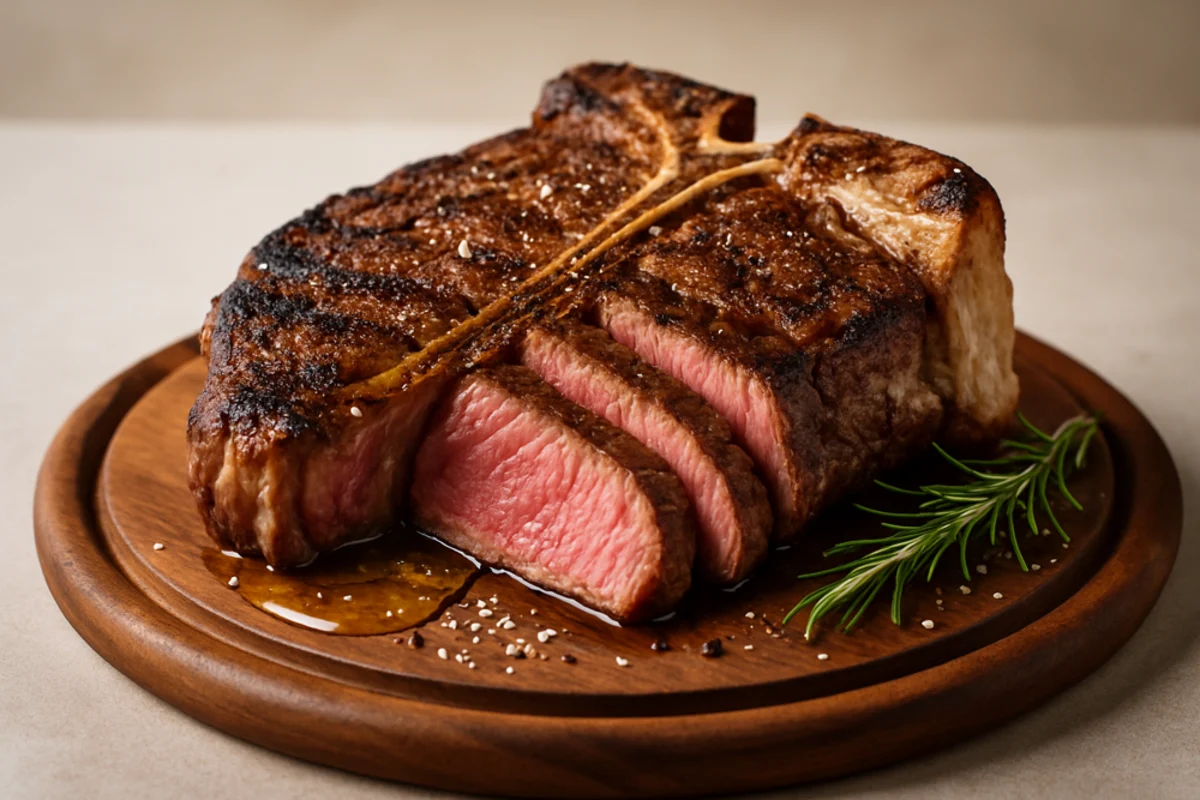
Florentine Steak: Classic Bistecca Fiorentina & Wine Pairing Guide
Florentine Steak: A Tuscan Classic for Steak & Wine Lovers
If you love a perfectly charred, juicy steak and a great glass of wine, florentine steak (bistecca alla fiorentina) might just become your new dinner obsession. This iconic Tuscan T‑bone is all about incredible beef, simple seasoning, and a smoky sear that begs for a bold red wine on the table. With a few key techniques, you can recreate restaurant‑quality Florentine steak at home—and pair it with bottles you can easily find at Total Wine, Trader Joe’s, BevMo, or your local shop.
In this guide, you’ll learn the story behind bistecca fiorentina, how to choose the right cut, a step‑by‑step florentine steak recipe, and the best wine pairing ideas to turn your kitchen into your own mini steakhouse in Tuscany.
About This Dish: What Is Florentine Steak?
Florentine steak, or bistecca fiorentina, is the king of Tuscan steaks—a thick‑cut T‑bone or porterhouse grilled over blazing hot coals and traditionally served very rare. At classic trattorie in Florence, it’s usually a massive 2½ to 3‑pound steak, at least 1½ to 3 inches thick, cooked simply with salt, olive oil, and fresh herbs like rosemary and sage.
Historically, the most prized version uses beef from Chianina cattle, an ancient Tuscan breed famous for its rich, flavorful meat. At home in the U.S., you’ll typically use a high‑quality porterhouse or T‑bone, but the spirit of the dish is the same: respect the beef, keep the seasoning simple, and cook it hot and fast.
What makes bistecca alla fiorentina special isn’t a long list of spices—it’s:
- The cut: A T‑bone or porterhouse gives you two steaks in one—tender filet on one side, juicy strip steak on the other.
- The thickness: The steak must be thick so you get a charred crust and a rare to medium‑rare interior.
- The fire: Traditionally grilled over wood or charcoal, which adds smoky depth.
Culturally, this steak is meant to be shared. It’s often served on a wooden board, sliced off the bone, and passed around the table with roast potatoes, simple greens, and—always—a big bottle of Tuscan red. That communal, generous style makes florentine steak perfect for a relaxed but impressive dinner party in an American home.
Key Ingredients & Their Role
A great Fiorentina steak is all about doing a few things very, very well.
The Steak
- Cut: Use a porterhouse or T‑bone steak, at least 1½–2 inches thick (ideally closer to 3 inches if your butcher can do it).
- Weight: Around 2½–3 pounds is classic for sharing.
- Quality: Choose prime or high‑choice beef with good marbling. Dry‑aged if your budget allows.
This cut gives two distinct textures: the buttery filet and the beefier strip steak. That mix of tenderness and intense umami is why red wines with structure (tannins) work so well—the tannins bind with the fat and protein, making both the wine and steak taste smoother.
Extra Virgin Olive Oil
A light rub of extra virgin olive oil helps the salt and seasonings cling to the meat and encourages a gorgeous crust on the grill. Use a mild, fruity EVOO so it doesn’t overpower the beef’s flavor.
From a wine perspective, olive oil adds richness and a subtle peppery note, which pairs beautifully with reds that have a bit of spice and herbal character (think Chianti Classico or a peppery California Cabernet).
Salt & Pepper
- Kosher or sea salt for even seasoning and a satisfying crust.
- Freshly ground black pepper to add gentle heat and aroma.
Salt wakes up the steak’s natural savory character, while pepper adds a little lift. Because the seasoning is so straightforward, you want a wine with clear fruit and good structure, not heavily sweet or overly oaky.
Fresh Herbs: Rosemary & Sage
Traditional bistecca fiorentina recipes often use rosemary and sage, tied into a bundle and used as a brush to baste the steak with olive oil or butter as it cooks.
- Rosemary: Piney, resinous, and intensely aromatic.
- Sage: Earthy, slightly peppery, and cozy.
Those herbal notes echo the classic flavors found in many Italian reds (Sangiovese especially) and also work with New World reds that have hints of dried herbs or cedar.
Butter (Optional but Delicious)
Many modern chefs finish florentine steak with melted unsalted butter, using an herb bundle to baste the crust as it grills. This boosts richness and adds nutty, toasty flavors—another reason to choose a red wine with enough acidity and tannin to cut through the fat.
Florentine Steak Recipe (Bistecca Fiorentina)
Below is a clear, approachable bistecca alla fiorentina recipe adapted for a home grill or heavy grill pan.
Recipe Overview
- Servings: 2–3 as a main, 3–4 if served family‑style with sides
- Difficulty: Easy–Intermediate (technique‑focused, but simple)
- Prep Time: 10 minutes (plus 30–60 minutes to bring steak to room temp)
- Cook Time: 10–15 minutes
- Resting Time: 5–10 minutes
- Total Active Time: About 30 minutes (not counting tempering)
Ingredients
- 1 porterhouse or T‑bone steak, 2–3 pounds, 1½–2½ inches thick
- 2 tablespoons extra virgin olive oil
- 1 tablespoon kosher salt or coarse sea salt
- 1 teaspoon freshly ground black pepper
- 2 sprigs fresh rosemary
- 2 sprigs fresh sage
- 2–3 tablespoons unsalted butter, melted (optional but recommended)
Equipment
- Charcoal or gas grill or heavy grill pan/cast‑iron skillet
- Tongs
- Instant‑read meat thermometer (very helpful)
- Butcher’s twine (to tie herbs into a brush)
Step‑by‑Step Instructions
- Temper the Steak
- Remove the steak from the fridge 30–60 minutes before cooking.
- Pat very dry with paper towels.
- Season Generously
- Lightly brush or rub the steak with extra virgin olive oil on both sides.
- Season all over with salt and black pepper, including the edges.
- Prepare the Herb Brush
- Tie the rosemary and sage together at the stems with butcher’s twine to make a small bundle.
- If using butter, melt it in a small bowl.
- Preheat the Grill or Pan
- Heat your grill to high (about 450–550°F) for direct cooking.
- If using a grill pan or cast iron, preheat over medium‑high until it’s smoking hot.
- Sear the First Side
- Place the steak on the hot grill or pan.
- Do not move it for 4–6 minutes to develop a deep, caramelized crust.
- For a classic rare interior, aim closer to 4–5 minutes; for medium‑rare, 6–7 minutes per side total.
- Flip & Baste
- Flip the steak with tongs.
- Dip the herb bundle into the melted butter (or a bit more olive oil) and brush the top of the steak while it cooks.
- Cook another 4–6 minutes on the second side, basting a couple of times.
- Check Doneness
Traditional bistecca fiorentina is served rare, but here are approximate internal temperatures (measured at the thickest part, away from the bone):
- 120–125°F: Rare (classic Florentine)
- 130–135°F: Medium‑rare
- 140°F: Medium
Remember the temperature will rise a few degrees as the steak rests.
- Rest the Steak
- Transfer the steak to a cutting board.
- Rest 5–10 minutes so the juices redistribute.
- Carve & Serve
- Slice along each side of the T‑bone to remove the filet and strip portions.
- Slice each piece across the grain into thick strips.
- Arrange the slices back around the bone on a platter or board for a rustic presentation.
- Spoon any juices from the board over the top.
Nutrition & Dietary Notes (Approximate per Serving, 1 of 3)
- Calories: ~900–1,000 (will vary by cut and size)
- Protein: ~65–75 g
- Fat: ~70–80 g (combination of saturated and unsaturated)
- Carbohydrates: 0 g (not counting sides)
Dietary information:
- Gluten‑free (as written)
- Keto‑ and low‑carb friendly
- Not suitable for vegetarian/vegan diets
Perfect Wine Pairings for Florentine Steak
The joy of florentine steak isn’t just the steak—it’s that moment when you take a bite of charred, salty, umami‑rich beef and follow it with a sip of the right red wine. The fat, the salt, and the smokiness make this dish a dream for wine lovers.
What to Look For in a Wine
When choosing a wine pairing for bistecca fiorentina, focus on:
- Body: Medium‑full to full‑bodied reds stand up best to rich grilled beef.
- Tannins: Moderate to firm tannins help cut through fat and protein.
- Acidity: Good acidity keeps each bite feeling fresh instead of heavy.
- Flavor profile: Dark fruit, herbs, spice, and a bit of earthiness work beautifully with rosemary, sage, and char.
Here are some accessible styles you can find at Total Wine, Trader Joe’s, BevMo, and local shops in the $15–$30 range.
1. Tuscan & Italian Reds (The Classic Match)
- Chianti Classico or Chianti Classico Riserva (Sangiovese‑based)
- Brunello di Montalcino (for a splurge night)
Sangiovese offers bright acidity, firm tannins, and flavors of red cherry, dried herbs, and a hint of leather—perfect alongside rosemary‑scented bistecca fiorentina. Look for DOCG labels from reputable producers at Total Wine or BevMo in the $18–$30 range.
2. California Cabernet Sauvignon & Blends
A California Cabernet Sauvignon from Napa, Sonoma, or Paso Robles is a natural choice for U.S. steak lovers. Expect blackcurrant, plum, oak spice, and firm tannins that pair beautifully with the crust and marbling of florentine steak.
- For a weeknight splurge, look for Sonoma or Paso blends around $18–$25 at Trader Joe’s or local grocery stores.
- For something more structured, Napa Cabs at Total Wine in the $25–$30 range can feel like a special‑occasion steakhouse pairing.
3. Oregon Pinot Noir (For a Lighter, Elegant Pairing)
If you prefer something a bit more elegant and aromatic, a Willamette Valley Pinot Noir from Oregon can be a gorgeous match—especially if your fiorentina steak is cooked closer to rare.
Pinot brings red cherry, raspberry, forest floor, and subtle spice, with bright acidity and softer tannins. Choose a riper style (not ultra‑lean) and you’ll have a food‑friendly wine that won’t overpower the more delicate filet side of the steak.
Look for bottles around $20–$28 at BevMo or local wine shops.
4. Washington State Reds & Spanish Tempranillo
- Washington State Cabernet or Merlot: Often a great value, with ripe dark fruit, gentle herbal notes, and good structure.
- Spanish Rioja (Tempranillo): Especially Crianza or Reserva—think red fruit, leather, vanilla, and spice.
Both bring enough tannin and acidity to handle the fat and char of bistecca fiorentina, while offering a slightly different twist than Italian reds.
Using Vinomat to Dial In Your Pairing
If you want to go beyond broad categories, use Vinomat to plug in details like florentine steak, cooking temperature (rare vs. medium‑rare), and sides (like roasted potatoes or bitter greens). The app can suggest specific styles and even refine by store availability and price range, making it easy to pick a bottle at Total Wine or Trader Joe’s with confidence.
Cooking Tips & Techniques for the Best Florentine Steak
A great Fiorentina steak recipe isn’t complicated, but technique matters. Here are key tips:
- Go thick or go home: A thin steak will overcook before developing that Tuscan‑style crust. Aim for at least 1½ inches, preferably 2–3.
- Start with dry meat: Pat the steak very dry. Moisture is the enemy of browning.
- Season with intent: Salt generously, but don’t bury the steak in spices. You want the beef to shine.
- High heat is non‑negotiable: Whether you’re using a charcoal grill, gas grill, or cast iron pan, make sure it’s hot enough that the steak sizzles loudly the moment it hits the surface.
- Don’t crowd the pan: If you’re using a grill pan, cook one large steak at a time to maintain high heat and avoid steaming.
- Resist the urge to poke: Let the steak sear undisturbed to build a crust, then flip once.
- Use a thermometer if you’re unsure: Professional chefs may go by feel, but an instant‑read thermometer removes the guesswork.
- Resting is crucial: Those 5–10 minutes of rest keep your platter from turning into a pool of juice and help the steak stay tender and moist.
Common mistakes:
- Over‑marinating: Traditional bistecca fiorentina is not about heavy marinades. A simple olive oil brush and salt are usually enough.
- Overcooking: This dish is meant to be rare to medium‑rare. Going much past medium can dry out the leaner filet side.
- Skipping the carve: Serving the steak whole on a plate makes it harder to eat and less visually inviting. Carving off the bone and slicing is part of the experience.
Serving Suggestions & Sides
Presentation is part of what makes florentine steak feel restaurant‑worthy at home.
How to Serve
- Slice the steak and reassemble it around the bone on a large wooden board or platter.
- Spoon over any resting juices and give a final light drizzle of extra virgin olive oil.
- Finish with a pinch of flaky sea salt for texture and a last hit of savoriness.
Classic Tuscan‑Style Sides
- Roasted or pan‑fried potatoes with rosemary and garlic
- Grilled vegetables (zucchini, eggplant, peppers)
- Simple green salad with a lemony vinaigrette to cut the richness
- Tuscan white beans with olive oil and herbs
These sides keep the focus on the steak and make your wine pairing sing. Starchy sides soak up juices, while bitter greens or salads help refresh the palate between bites.
Setting the Scene
To create a relaxed, Tuscan‑inspired evening at home:
- Use a wooden cutting board or rustic platter as the centerpiece.
- Serve wine in generous glasses so you can enjoy the aromas.
- Keep the table simple—good bread, good olive oil, and perhaps a bowl of flaky salt.
A cozy, unfussy setting matches the spirit of bistecca alla fiorentina: big flavors, shared plates, and conversation that lasts well past the last bite.
Conclusion: Bring Tuscan Steakhouse Magic Home
Cooking florentine steak at home is one of the most satisfying ways to elevate a simple evening into a special occasion. With a great cut of beef, olive oil, rosemary, sage, and a hot grill, you can master an authentic bistecca fiorentina recipe that feels straight out of Florence.
Pair it with a thoughtfully chosen bottle—whether it’s Chianti, a California Cabernet, Oregon Pinot, or Washington red—and you have a restaurant‑worthy experience without leaving your dining room. Use Vinomat to explore the best wine pairing ideas for your florentine steak recipe, customize suggestions to your taste, and discover new bottles at Total Wine, Trader Joe’s, BevMo, or your favorite local shop.
Fire up the grill, pour a glass, and let this Florentine steak guide turn your next dinner into a Tuscan‑inspired feast.