


Forelle Müllerin: The Perfect Wine Pairing Guide
Forelle Müllerin: Master This Classic German Trout with the Perfect Wine Pairing
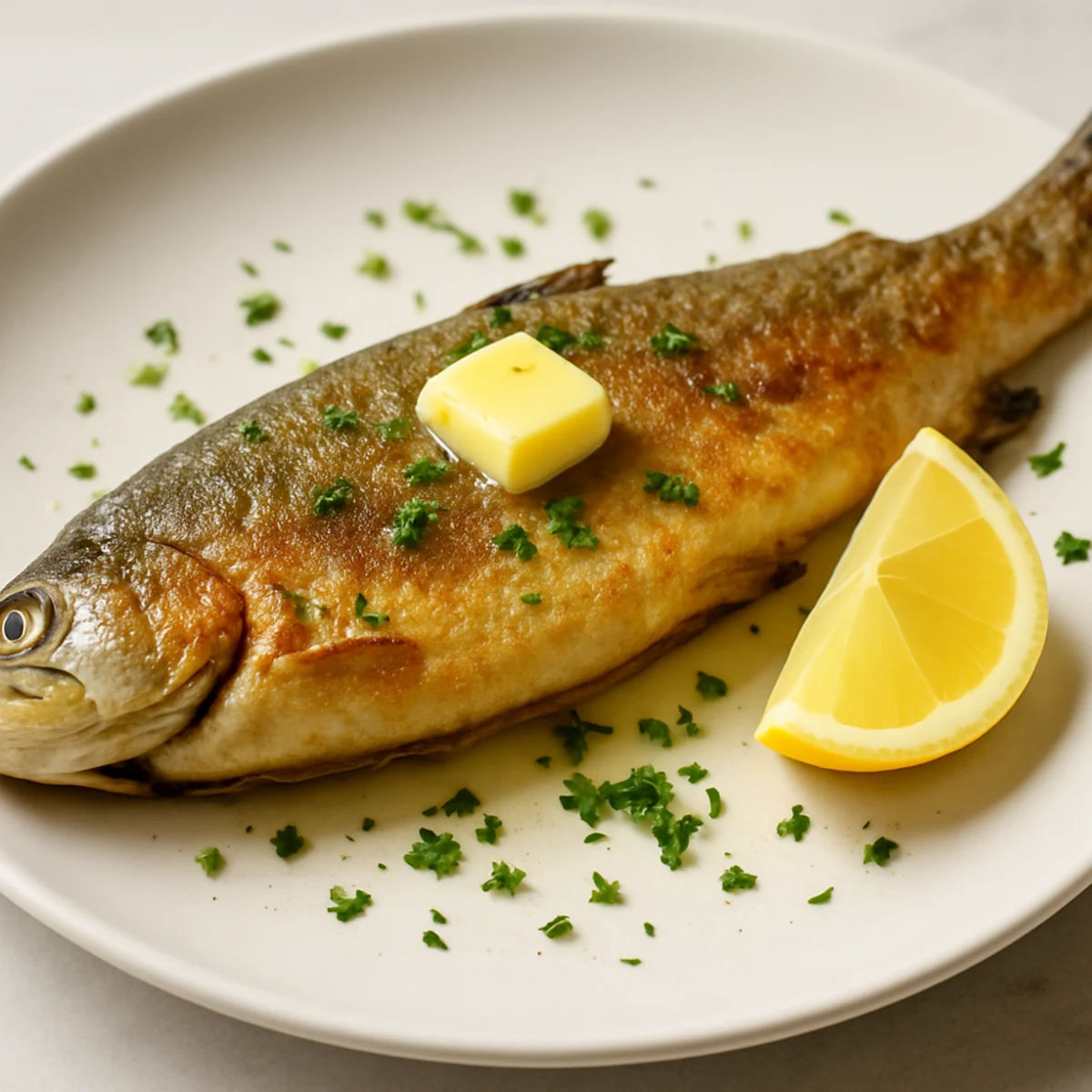
There's something magical about a perfectly cooked trout with its skin crackling like golden parchment, draped in nutty brown butter and fresh lemon. Forelle Müllerin—the German name for trout prepared "miller's style"—is one of those dishes that sounds intimidating but delivers restaurant-quality results in your own kitchen. And when you pair it with the right wine, you've got the makings of an unforgettable evening.
Whether you're planning an intimate dinner for two or hosting a small gathering, this classic preparation method transforms simple, elegant ingredients into something truly special. The beauty of Forelle Müllerin lies in its simplicity: fresh trout, quality butter, a squeeze of lemon, and the right technique. But here's where it gets exciting—the wine pairing can elevate this dish from lovely to absolutely transcendent. In this guide, we'll walk you through everything you need to know about preparing this dish and selecting the perfect wine for Forelle Müllerin that will have your guests asking for seconds.
About This Dish
Forelle Müllerin has roots deep in German and Austrian culinary tradition, where it remains a beloved restaurant staple and home-cooked favorite. The name itself tells the story: "Forelle" means trout in German, and "Müllerin" refers to the miller's wife. According to culinary lore, this preparation style was created as a way to showcase the delicate flavor of fresh trout while honoring the simplicity of countryside cooking.
What makes this dish so enduring is its philosophy: let quality ingredients speak for themselves. Rather than masking the subtle, delicate flavor of trout with heavy sauces, Forelle Müllerin celebrates it. The crispy skin provides textural contrast, the brown butter adds richness and a subtle nutty complexity, and the lemon brightens everything with its acidity.
This dish represents a broader European approach to fish preparation—one that values technique, timing, and ingredient quality over complicated recipes. It's the kind of cooking that separates competent home cooks from confident ones, because there's nowhere to hide. Every element must be executed well.
In the United States, Forelle Müllerin represents an accessible entry point into European fine dining. You don't need exotic ingredients or specialized equipment. A good skillet, fresh trout, butter, and lemon are all you need. Yet the result feels sophisticated and restaurant-worthy, making it perfect for impressing guests or treating yourself to something special on a weeknight.
The dish has gained popularity among American food enthusiasts who appreciate both its simplicity and its elegance. It's become a favorite among wine lovers too, because the preparation method creates a dish with remarkable versatility when it comes to wine pairing. The buttery richness, the delicate fish, and the bright lemon notes all work together to create a canvas that welcomes a range of wine styles.
Key Ingredients & Their Role
Understanding what each ingredient contributes to the final dish will help you appreciate why this simple preparation works so beautifully—and why certain wines complement it so well.
Trout: Fresh trout is the star of this show. Unlike some heartier fish, trout has a delicate, slightly sweet flavor with a tender texture. The key is sourcing the freshest trout available. Look for clear eyes, bright coloring, and a clean smell. Fresh trout has a subtle mineral quality that pairs beautifully with crisp white wines. The flesh is lean and cooks quickly, which is why timing is crucial in this recipe.
Butter: This is where magic happens. The butter serves multiple purposes: it's the cooking medium that creates that prized golden, crispy skin, and it becomes the sauce through browning. When butter heats to the right temperature, its milk solids caramelize, creating a deep, nutty flavor that transforms simple trout into something luxurious. This nutty butter richness is one of the most important elements to consider when selecting your wine pairing for Forelle Müllerin, as you'll want something with enough acidity and body to stand up to it.
Lemon: The bright acidity of fresh lemon juice is essential for balance. It cuts through the richness of the butter, prevents the dish from feeling heavy, and adds brightness that lifts the delicate fish flavors. The lemon also contributes to the wine pairing equation—acidity in the dish pairs beautifully with acidity in the wine, creating harmony on the palate.
Fresh Parsley: More than just garnish, the fresh, herbaceous notes of parsley add a subtle complexity and freshness to the finished dish. It provides a visual appeal and a whisper of garden-fresh flavor that complements both the fish and the wine.
Salt and Pepper: Don't underestimate these fundamentals. Proper seasoning enhances the natural flavors of the trout rather than masking them, allowing the fish's delicate character to shine through—something that's crucial when you're considering the wine pairing for Forelle Müllerin.
Together, these ingredients create a dish with three key flavor and texture components: delicate and slightly sweet (the trout), rich and nutty (the brown butter), and bright and acidic (the lemon). This combination is remarkably food-friendly when it comes to wine recommendations, as you'll discover in the next section.
Recipe
| Prep Time | 20 minutes |
|---|---|
| Cook Time | 10 minutes |
| Total Time | 30 minutes |
| Servings | 4 |
| Difficulty | Moderate |
Ingredients
- 4 Trout (whole, gutted and cleaned)
- 1/2 cup All-purpose flour
- 4 tbsp Unsalted butter
- 2 Lemon (quartered)
- 2 tbsp Fresh parsley (chopped)
- 1 tsp Salt
- 1/2 tsp Black pepper (ground)
Instructions
- Rinse the trout under cold water and pat them dry with paper towels.
- Season the inside and outside of each trout with salt and pepper.
- Dredge each trout in the flour, shaking off any excess.
- Heat 2 tbsp of butter in a large skillet over medium heat until it begins to foam.
- Place the trout in the skillet and cook for 4-5 minutes on each side until the skin is golden and crispy and the flesh is cooked through.
- Remove the trout from the skillet and set them on a warmed plate.
- Add the remaining 2 tbsp of butter to the skillet and melt it until it is foamy and golden brown.
- Pour the browned butter over the trout evenly.
- Garnish the trout with fresh parsley and serve with a lemon wedge on the side.
Nutrition Facts (per serving)
- Calories: 260 kcal
- Protein: 28.0g
- Fat: 18.0g
- Carbohydrates: 10.0g
- Salt: 1.2g
Dietary Information
Contains gluten, Contains dairy, Nut-free
Perfect Wine Pairings
Selecting the right wine for Forelle Müllerin is one of the most enjoyable aspects of preparing this dish. The combination of delicate fish, rich brown butter, and bright lemon creates a dish that welcomes several wine styles beautifully. Here's what you should look for and specific recommendations for your next dinner.
What to Look For: The ideal wine pairing for Forelle Müllerin should have fresh, bright acidity to complement the lemon and cut through the butter's richness. Medium body works best—you want enough presence to stand alongside the fish without overpowering its delicate flavors. Avoid heavily oaked wines, as wood can mask the subtle fish and butter nuances. Minerality is your friend here, as it echoes the trout's natural mineral notes.
Crisp White Wines: A bone-dry Riesling is a classic choice for this dish. Look for German or Alsatian Rieslings with pronounced minerality and fresh acidity. These wines have enough complexity to be interesting but enough restraint to let the trout shine. You'll find excellent options at Total Wine or Trader Joe's in the $15-25 range.
Sauvignon Blanc: California Sauvignon Blancs, particularly those from Napa Valley or Sonoma, offer herbaceous notes and crisp acidity that complement the parsley and lemon beautifully. The wine's natural grassiness provides an interesting contrast to the rich butter sauce. Look for versions from regions like Santa Ynez Valley or Paso Robles for excellent value around $16-22.
Pinot Grigio or Vermentino: Italian whites like Pinot Grigio offer clean, refreshing acidity and subtle stone fruit flavors that won't compete with your dish. These are excellent everyday options available at virtually any wine merchant, typically priced $12-18.
Dry Champagne or Sparkling Wine: If you want to elevate the occasion, a dry Champagne or California sparkling wine is absolutely magical with Forelle Müllerin. The bubbles add textural interest, the acidity cuts through the butter perfectly, and the wine's complexity matches the sophistication of your dish. Look for Brut or Extra Brut styles. You can find excellent California sparkling wines at BevMo or Trader Joe's for $18-30.
Oregon Pinot Noir (a lighter option): If you prefer red wine, don't dismiss it entirely. A light, chilled Oregon Pinot Noir with moderate tannins and bright red fruit notes can work surprisingly well. The wine's acidity and light body won't overwhelm the fish, while its subtle earthiness complements the butter. Look for Willamette Valley producers around $18-28.
Our recommendation? Start with a California Sauvignon Blanc or a dry Riesling as your wine pairing for Forelle Müllerin. Both are widely available, reasonably priced, and create that perfect harmony between food and wine that makes a meal memorable. Use Vinomat to explore specific producers and find ratings from other wine lovers who've paired these wines with similar dishes.
Cooking Tips & Techniques
Mastering Forelle Müllerin comes down to understanding a few key techniques and avoiding common pitfalls.
Sourcing and Preparation: Buy your trout as close to cooking time as possible. Ask your fishmonger to gut and clean the fish for you—this saves time and ensures proper preparation. When you get home, rinse the trout gently under cold water and pat completely dry. Moisture is the enemy of crispy skin, so don't skip this step.
The Flour Dredge: Use all-purpose flour, and don't be shy about coating the trout. The flour creates a protective barrier that helps develop that golden crust while keeping the delicate flesh moist inside. Shake off excess flour before cooking—you want a light coating, not a thick crust.
Temperature Control: This is crucial. Heat your butter over medium heat until it foams but doesn't brown. If your heat is too high, the butter will burn and the skin won't have time to crisp properly. If it's too low, the trout will steam rather than sear. You're looking for that gentle sizzle when the fish hits the pan.
The Flip: Cook for 4-5 minutes on the first side without moving the fish. Resist the urge to fiddle with it. This allows the skin to make contact with the hot pan and develop that coveted crispiness. Flip gently using a fish spatula or two regular spatulas, and cook the other side for another 4-5 minutes.
Brown Butter Magic: After removing the fish, add fresh butter to the pan and let it brown slowly. You'll see it foam, then the milk solids will begin to caramelize and turn golden brown. This happens quickly, so watch carefully. The moment it smells nutty and looks golden, pour it over the fish. Don't let it burn—burnt butter tastes acrid and will ruin your dish.
Common Mistakes: The most frequent error is cooking the fish too long or at too high a temperature, resulting in dry, overcooked flesh. Remember that fish continues cooking even after you remove it from heat. Another mistake is using old butter or not browning it enough—the butter is your sauce, so it needs to be perfect.
Serving Suggestions
Presentation matters, especially when you're serving a dish as elegant as Forelle Müllerin. Here's how to make it shine.
The Plate: Serve the trout on warmed plates. The warmth helps the butter flow beautifully and keeps the food at the ideal temperature. Place the trout slightly off-center, creating visual interest. Pour the brown butter around the fish rather than over it, allowing diners to see the beautiful crispy skin.
Accompaniments: While Forelle Müllerin is often served simply, consider adding:
- Steamed or boiled new potatoes with fresh dill
- Sautéed asparagus with garlic
- A simple green salad with a light vinaigrette (use oil-based dressing rather than vinegar-heavy to preserve the wine pairing)
- Crusty bread to soak up the brown butter sauce
The Lemon: Always serve fresh lemon wedges on the side. This allows guests to adjust the acidity to their preference and adds a beautiful pop of color to the plate.
Wine Service: Pour your selected wine into appropriate glasses—white wine glasses for whites, flutes for sparkling. Pour about 5 ounces per glass, leaving room for the wine to breathe and for guests to enjoy the aromas.
Timing: Serve immediately after cooking. Fish waits for no one, and Forelle Müllerin is best enjoyed while the skin is still crispy and the butter still warm. This is not a dish you can prepare ahead and reheat.
Ambiance: The simplicity and elegance of this dish calls for a thoughtful table setting. Use quality plates, cloth napkins, and perhaps some fresh flowers. Dim the lights slightly and create an atmosphere that honors the care you've taken in preparing the meal. This is the kind of food that deserves attention and appreciation.
Conclusion
Forelle Müllerin represents everything wonderful about European cooking: respect for ingredients, mastery of technique, and the understanding that sometimes simplicity is the ultimate sophistication. When you combine this elegant dish with a thoughtfully selected wine pairing for Forelle Müllerin, you create an experience that transcends a simple meal.
The beauty of this recipe is that it's entirely within your reach. You don't need special equipment or hard-to-find ingredients. What you need is fresh trout, good butter, and the confidence that comes from understanding the fundamentals. Follow the steps carefully, trust your senses, and don't overthink it.
As you plan your next dinner, consider preparing Forelle Müllerin. Whether you choose a crisp Sauvignon Blanc, a minerally Riesling, or a glass of sparkling wine, you'll be serving a dish that impresses without pretension. And if you're uncertain about which wine to select, let Vinomat guide you—it's the perfect tool for discovering the ideal wine recommendation and connecting with other food and wine enthusiasts who share your passion for these perfect matches.
Cooking this dish and sharing it with people you care about, paired with wine you've chosen thoughtfully, is what great dining is all about.