


Fougasse Wine Pairing: The Best Wines for This Rustic Bread
Introduction
If you love the kind of bread that makes a table feel instantly more inviting, fougasse deserves a place in your kitchen. This beautiful, leaf-shaped loaf from the south of France is more than just a rustic bread recipe; it’s a conversation starter, a centerpiece, and a natural match for a great glass of wine. With its crisp crust, tender interior, and savory herbal notes, fougasse brings a relaxed elegance that fits right into modern American entertaining.
What makes fougasse especially exciting for wine lovers is how versatile it is. Whether you serve it warm as an appetizer, alongside a cheese board, or with a hearty soup, the right wine pairing can make its salty, olive oil-rich flavor sing. Think bright whites, elegant rosés, or even light reds that complement without overwhelming. If you’ve ever searched for the best wine for Fougasse, this guide will help you find a perfect match that feels both approachable and impressive.
About This Dish
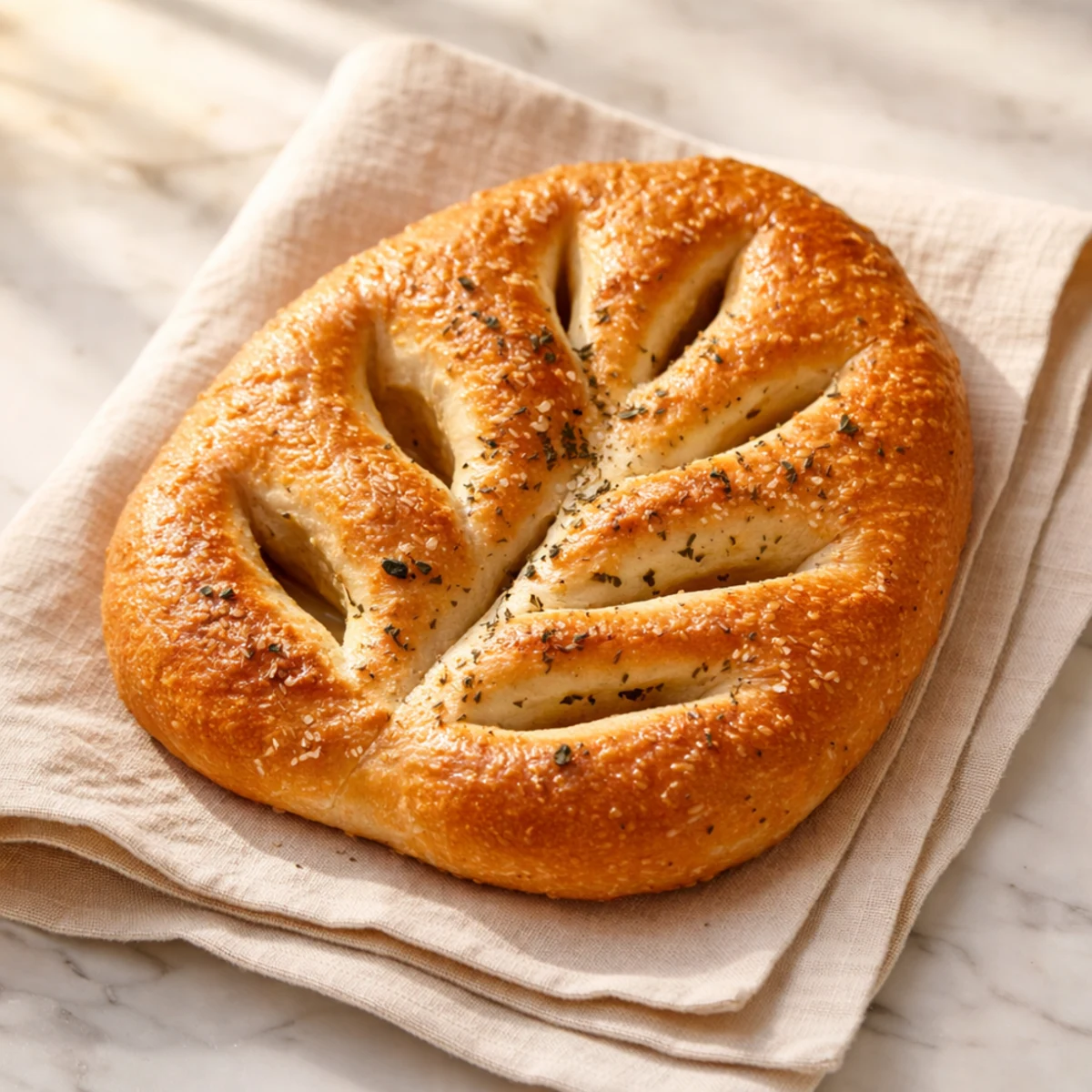
Fougasse is one of those traditional breads that carries a sense of place with every bite. Closely associated with Provence and the wider Mediterranean region of southern France, it reflects a style of cooking built on simplicity, good olive oil, aromatic herbs, and the pleasures of sharing food. The bread’s distinctive shape, often scored like a leaf or wheat stalk, is not just decorative. Those cuts help the loaf bake evenly while creating extra crisp edges that are especially satisfying to tear and share.
Historically, fougasse was a practical bread, often made by bakers to test the temperature of their ovens before loading in more delicate loaves. Over time, it became a beloved regional specialty, with many variations featuring olives, anchovies, herbs, cheese, or caramelized onions. In France, it is often enjoyed as part of an aperitif spread or served with charcuterie, soups, and salads.
For American cooks, fougasse feels both familiar and special. It has the comfort of artisan bread, but with enough personality to stand out from a standard loaf. Its salty, herbal profile makes it an ideal candidate for wine pairing, especially if you want a dish that works across casual and more polished settings. In other words, fougasse is the kind of recipe that brings a little French charm to an everyday table.
Key Ingredients & Their Role
At first glance, fougasse may look simple, but its appeal comes from the balance of a few essential ingredients. Wheat flour provides the structure and familiar bready flavor, creating a canvas that can support both delicate and bold pairings. Good flour also gives the loaf its chew and helps develop the crisp crust that makes fougasse so irresistible fresh from the oven.
Olive oil is another star ingredient. It enriches the dough, softens the crumb, and adds a fruity, slightly peppery depth that immediately signals Mediterranean flavor. In a fougasse recipe, olive oil is not just functional; it’s part of the bread’s identity. It also plays an important role in wine pairing, because wines with lively acidity and clean fruit can cut through the oiliness and refresh the palate.
Yeast is what brings the loaf to life. During fermentation, it creates the airy texture and subtle complexity that make homemade bread so satisfying. That gentle fermentation note can pair beautifully with wines that have similar freshness and a bit of aromatic lift.
The salty, herbal taste profile is what ties everything together. Whether the herbs come from rosemary, thyme, oregano, or a blend, they add fragrance and a savory edge that invites thoughtful wine recommendation choices. Herbs can make a wine taste more structured or more vibrant, so the perfect match often comes from wines with enough acidity, moderate body, and restrained oak. That’s why fougasse works so well with wines from Provence-inspired regions, as well as crisp California whites, Oregon Pinot Noir, and elegant Spanish bottlings.
Recipe
Fougasse Recipe
Prep Time: 20 minutes
Cook Time: 20 minutes
Rising Time: 1 hour 30 minutes
Total Time: 2 hours 10 minutes
Servings: 6
Difficulty: Easy to Moderate
Ingredients
- 3 1/2 cups wheat flour
- 1 1/4 cups warm water
- 2 1/4 teaspoons active dry yeast
- 2 tablespoons olive oil, plus more for brushing
- 1 1/2 teaspoons salt
- 1 tablespoon chopped fresh rosemary or thyme
- 1 teaspoon dried oregano
- Optional: coarse sea salt for finishing
Instructions
- In a large bowl, combine the warm water and yeast. Let sit for 5 to 10 minutes until foamy.
- Add the flour, olive oil, salt, rosemary, and oregano. Mix until a shaggy dough forms.
- Knead the dough on a lightly floured surface for 8 to 10 minutes, or until smooth and elastic.
- Place the dough in a lightly oiled bowl, cover, and let rise in a warm spot for about 1 hour, or until doubled in size.
- Preheat the oven to 425°F. Line a baking sheet with parchment paper.
- Punch down the dough and shape it into an oval or leaf-like form on the prepared baking sheet.
- Use a sharp knife or bench scraper to cut decorative slashes in the dough, gently stretching the openings to create the classic fougasse look.
- Brush the surface with olive oil and sprinkle with coarse sea salt if desired.
- Bake for 18 to 20 minutes, or until golden brown and crisp.
- Cool slightly before serving warm.
Nutrition Facts
Per serving:
- Calories: 240
- Carbohydrates: 39g
- Protein: 6g
- Fat: 7g
- Saturated Fat: 1g
- Sodium: 390mg
- Fiber: 2g
- Sugar: 0g
Dietary Information
- Vegetarian
- Dairy-free
- Can be made vegan
- Contains gluten
Perfect Wine Pairings
The best wine pairing for fougasse depends on how you serve it, but the bread’s salty, herbal character gives you plenty of room to play. Because fougasse is built around olive oil, wheat, and aromatic herbs, you want wines that feel fresh rather than heavy. High acidity is your friend here. It keeps each bite lively and prevents the bread from tasting flat or overly rich.
A dry Provençal rosé is one of the most natural choices. Look for pale, crisp styles with red berry notes, citrus lift, and a clean finish. Rosé works especially well if you’re serving fougasse as part of an aperitif spread. In the U.S., you can find excellent options at Total Wine, Trader Joe’s, and local wine shops for around $15–25. This is a classic wine recommendation when you want something easy, versatile, and crowd-pleasing.
A Sauvignon Blanc from California or France is another strong option. Sauvignon Blanc brings zippy acidity, herbal nuance, and citrus freshness that echo the bread’s savory profile. Napa and Sonoma versions often offer a little more body and ripe fruit, while French examples can feel more mineral and restrained. Either way, it is a perfect match for fougasse served warm with olives, cheese, or tapenade. Expect to find solid bottles in the $15–30 range at BevMo, grocery stores, and specialty retailers.
If you prefer white wine with a rounder texture, try a Chenin Blanc or Albariño. Chenin Blanc from Washington State or California can offer apple, pear, and honeyed notes without losing acidity. Albariño, especially from Spain, brings saline freshness that plays beautifully with the bread’s salty edge. These are smart choices when you want something a little different but still food-friendly.
For red wine lovers, a light-bodied Pinot Noir from Oregon can be a surprisingly good wine for Fougasse, especially if you add olives, mushrooms, or cheese to the loaf. Choose a style with bright cherry fruit, subtle earthiness, and gentle tannins. You want enough structure to stand up to the herbs, but not so much weight that it overwhelms the bread. Oregon Pinot Noir is widely available in the U.S. and often sits right in the $20–30 sweet spot.
If you’re shopping locally, start with Trader Joe’s for value-driven bottles, Total Wine for variety, and BevMo or neighborhood wine shops for more curated picks. Vinomat can also help you narrow down the perfect match based on the exact version of fougasse you’re serving, whether it’s plain, herb-studded, or loaded with olives.
Cooking Tips & Techniques
The biggest secret to great fougasse is handling the dough with confidence, not force. Because the bread is relatively rustic, it does not need to look perfect. In fact, a slightly uneven shape gives it charm. What matters most is developing enough gluten during kneading so the loaf bakes up with a good chew and open texture.
Be careful not to add too much flour during shaping. A dough that is too dry will lose some of the soft interior that makes fougasse appealing. Likewise, don’t rush the rise. Proper fermentation gives the bread flavor as well as lift, and that subtle complexity matters when you’re thinking about wine pairing.
When scoring the dough, use a sharp blade and make decisive cuts. Then gently stretch the openings so the bread bakes into that classic leaf-like pattern. This creates more crispy edges, which are especially delicious with olive oil and a glass of wine.
If you want a deeper flavor, let the dough rise slowly in a cooler place or refrigerate it for part of the fermentation. That extra time can build a more nuanced aroma and make the final loaf even more satisfying.
Serving Suggestions
Fougasse is at its best when served warm, just after it has cooled enough to slice or tear. A small bowl of olive oil for dipping is a simple but elegant touch, especially if you add cracked pepper or a few herbs to the oil. It also pairs beautifully with olives, marinated artichokes, soft cheeses, and cured meats, making it a natural centerpiece for a relaxed appetizer board.
For a more substantial meal, serve fougasse alongside tomato soup, lentil soup, roasted vegetables, or a crisp green salad. It also works well at brunch with eggs and fresh fruit, especially if you want a savory bread that feels a little more special than standard toast.
Presentation matters, but it does not need to be fussy. Place the loaf on a wooden board or linen-lined platter and let its shape do the work. The inviting aroma of olive oil and herbs will draw people in before the first slice is even served. With the right wine pairing, fougasse becomes more than bread; it becomes part of the experience.
Conclusion
Fougasse is proof that simple ingredients can create something memorable. With its crisp crust, fragrant herbs, and olive oil richness, it’s a recipe that feels both rustic and refined. Even better, it offers endless possibilities for wine pairing, from bright rosé to zesty Sauvignon Blanc and elegant Pinot Noir.
If you’ve been looking for a wine for Fougasse that feels accessible yet impressive, this is a great place to start. Use Vinomat to explore your options, compare styles, and find a perfect match for your table. Once you’ve baked one loaf, you may find yourself making fougasse again and again.