


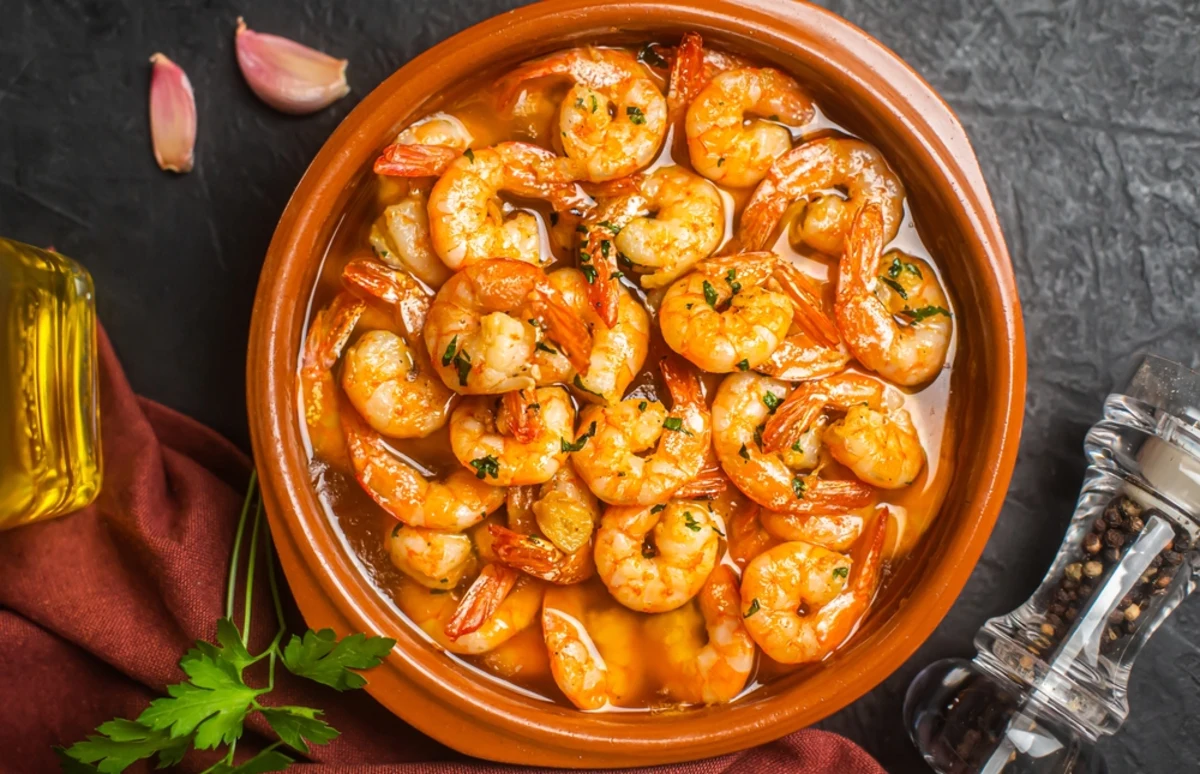
Gambas al Ajillo: The Ultimate Guide to Garlic Shrimp & Wine Pairing
Gambas al Ajillo: The Ultimate Guide to Garlic Shrimp & Wine Pairing
There's something undeniably magical about a plate of perfectly cooked gambas al ajillo—succulent shrimp swimming in fragrant garlic-infused oil, flecks of chili heat dancing across your palate, and that irresistible crusty bread waiting to soak up every precious drop of the sauce. This iconic Spanish dish has captivated food lovers for generations, and for good reason. Gambas al ajillo isn't just a recipe; it's an experience that transports you to a bustling tapas bar in Barcelona or a cozy Spanish kitchen where tradition meets simplicity.
What makes gambas al ajillo so special is its elegant minimalism. With just a handful of quality ingredients—shrimp, garlic, chili, and good olive oil—this dish proves that exceptional cooking doesn't require complexity. Whether you're planning a romantic dinner for two, hosting friends for an appetizer course, or looking to expand your weeknight dinner rotation, gambas al ajillo delivers restaurant-quality results in under 20 minutes. And when paired with the right wine, this humble Spanish preparation becomes something truly extraordinary.
In this comprehensive guide, we'll explore everything you need to know about creating the perfect gambas al ajillo at home, from ingredient selection to plating techniques. More importantly, we'll unlock the wine pairing secrets that transform this dish from delicious to unforgettable.
About This Dish
Gambas al ajillo translates literally to "prawns with garlic," but this translation barely captures the essence of this beloved Spanish classic. Originating in Spain, particularly in regions with strong seafaring traditions, gambas al ajillo emerged as a way to celebrate the freshness of local shrimp while highlighting the transformative power of garlic and quality olive oil.
What began as humble peasant fare has evolved into one of the most recognizable dishes in Spanish cuisine, appearing on tapas menus from Madrid to Miami. The beauty of gambas al ajillo lies in its versatility and accessibility. It works equally well as an elegant first course at a dinner party, a casual appetizer at a gathering, or even a light main course served with crusty bread and a simple salad.
The cultural significance of gambas al ajillo extends beyond its delicious flavor profile. In Spanish dining culture, this dish represents the philosophy of slow food—taking time to savor quality ingredients prepared simply and enjoyed in good company. The communal aspect of sharing a warm pan of gambas al ajillo, each person tearing off bread to capture the garlicky oil, embodies the Spanish approach to meals as social events rather than mere sustenance.
What makes this particular preparation so special is how the cooking method—gentle sautéing rather than aggressive boiling—allows the shrimp to maintain their tender texture while the garlic infuses the oil with a golden, mellow flavor. The addition of chili brings a subtle heat that complements rather than overwhelms, while a splash of sherry vinegar adds brightness and complexity. This balance of flavors is what elevates gambas al ajillo from a simple dish to a culinary masterpiece.
Key Ingredients & Their Role
Understanding each ingredient in gambas al ajillo is essential to recreating its magic at home. Let's break down what makes this dish work so beautifully.
Shrimp (Prawns): The star of the show, quality shrimp are non-negotiable. Look for large, fresh shrimp with a firm texture and sweet aroma. In the United States, you'll find excellent options at most grocery stores, with wild-caught Gulf shrimp being particularly prized. The size matters—larger prawns (20-30 count per pound) cook more evenly and maintain better texture than smaller varieties. Keeping the tails on not only makes for a more elegant presentation but also gives you a natural handle while eating.
Garlic: This isn't just a supporting player; garlic is the soul of gambas al ajillo. Using fresh garlic cloves rather than pre-minced versions makes a significant difference. When sliced thinly and cooked gently, garlic transforms into something sweet and mellow, almost caramelized. The key is avoiding burnt garlic, which turns bitter and overpowering. Fresh garlic also contains compounds that pair beautifully with certain wines, enhancing the overall tasting experience.
Chili: Red chili brings a gentle heat and subtle fruity notes to the dish. Rather than a fiery burn, quality chili in gambas al ajillo provides a warming sensation that builds gradually. The seeds contain the most heat, so removing them allows you to control the spice level to your preference. This ingredient is particularly important for wine pairing, as the capsaicin in chili can enhance certain wine characteristics while clashing with others.
Olive Oil: Never underestimate the importance of good olive oil in gambas al ajillo. This isn't the place for budget supermarket oil; invest in a quality extra virgin olive oil with a fruity or grassy character. The oil becomes the sauce, carrying all the flavors of garlic and chili directly to your palate. Spanish olive oils, particularly those from regions like Andalusia, are traditional choices, though California producers like those in Napa and Sonoma now create exceptional alternatives.
Sherry Vinegar: This aged vinegar adds brightness and complexity without overwhelming the dish. Unlike harsh white vinegars, sherry vinegar brings a subtle sweetness and depth that complements both the shrimp and wine pairings. It's the ingredient that prevents gambas al ajillo from becoming one-dimensional, adding a tangy note that makes your mouth water for the next bite.
Paprika & Seasonings: Sweet paprika powder adds a gentle smoky note and beautiful color without heat. Combined with salt and freshly ground black pepper, these seasonings enhance natural flavors rather than mask them. Fresh parsley at the end adds herbaceous brightness and visual appeal.
When these ingredients come together, they create a symphony of flavors that's both complex and harmonious—exactly what makes gambas al ajillo such a joy to cook and eat.
Recipe
Gambas al Ajillo (Garlic Shrimp)
| Prep Time | 10 minutes |
|---|---|
| Cook Time | 10 minutes |
| Total Time | 20 minutes |
| Servings | 4 |
| Difficulty | Easy |
Ingredients
- 20 large Prawns (peeled, deveined, with tails on)
- 4 cloves Garlic (thinly sliced)
- 1 medium Red chili (sliced, seeds removed for less heat if desired)
- 1/2 tsp Sweet paprika powder
- 1 tbsp Sherry vinegar
- 4 tbsp + extra for drizzling Olive oil
- 2 tbsp Parsley (fresh, finely chopped)
- To taste Salt
- To taste Black pepper (freshly ground)
Instructions
- Prepare the prawns by peeling and deveining them, leaving the tails on. Pat them dry with a paper towel.
- Thinly slice the garlic and the chili. Finely chop the parsley.
- Heat 4 tbsp olive oil in a large frying pan over medium heat. Once warm, add the garlic slices and sauté gently until golden but not burnt.
- Add the sliced chili and stir for about 30 seconds to release its flavor.
- Add the prawns to the pan in a single layer. Sprinkle the paprika powder evenly over the prawns. Cook for 2-3 minutes on one side.
- Flip the prawns and cook for another 2-3 minutes until they turn pink and are cooked through.
- Add the sherry vinegar to the pan and stir to combine all the flavors.
- Season the dish with salt and freshly ground black pepper to taste. Toss in the chopped parsley and mix well.
- Transfer the prawns and garlic-chili-infused oil into a serving dish for an elegant presentation. Drizzle a little extra olive oil on top for shine.
- Serve immediately with crusty bread on the side for dipping into the flavorful oil.
Nutrition Facts (per serving)
- Calories: 200 kcal
- Protein: 18.0g
- Fat: 18.0g
- Carbohydrates: 2.0g
- Salt: 2.1g
Dietary Information
Gluten-free, Dairy-free, Nut-free
Perfect Wine Pairings for Gambas al Ajillo
The beauty of gambas al ajillo lies not just in its flavor, but in its remarkable ability to partner with an impressive range of wines. The interplay between garlic, chili, and the briny sweetness of shrimp creates multiple flavor vectors that can be enhanced by thoughtful wine selection.
Albariño & Spanish White Wines: This is the classic pairing, and for good reason. Albariño, from Spain's Rías Baixas region, brings a crisp acidity and subtle salinity that echoes the ocean origins of the shrimp. The wine's citrus and stone fruit notes complement the garlic without competing for attention. If you can't find Albariño, look for other Spanish whites like Verdejo or Txakoli. These wines typically range from $15-25 and are widely available at Total Wine, Trader Joe's, and specialty wine shops.
Sauvignon Blanc from California & Beyond: American Sauvignon Blancs, particularly those from Napa Valley and Sonoma, offer a different interpretation of this pairing. These wines tend to be more herbaceous and fruit-forward than their French counterparts, with a zippy acidity that cuts through the richness of the olive oil beautifully. Look for bottles in the $12-20 range. The grassiness of Sauvignon Blanc actually enhances the subtle earthiness of garlic while the acidity cleanses your palate between bites.
Pinot Grigio & Italian Whites: Oregon and California Pinot Grigio producers have elevated this often-overlooked varietal into something special. These wines bring a delicate floral character and bright acidity that pairs wonderfully with gambas al ajillo. Italian versions from regions like Friuli offer similar characteristics with perhaps a bit more mineral complexity. Budget $14-22 for quality bottles available at most major wine retailers.
Rosé Wine: Don't overlook the potential of a dry rosé, particularly those from Spain or Provence. The wine's subtle tannins and fruity character complement both the heat of the chili and the sweetness of the shrimp. A chilled glass of rosé with gambas al ajillo creates an elegant, refreshing pairing that works beautifully for lunch or light dinner. Spanish rosés are particularly well-suited, as they share cultural roots with the dish. Expect to pay $12-18 for quality options.
Light Red Wine Option: If you prefer red wine, consider a chilled Pinot Noir from Oregon or California. The wine's silky texture and red fruit notes won't overpower the delicate shrimp, while its subtle tannins won't clash with the chili. Serve it slightly cool—around 55-60°F—rather than at typical room temperature. This unexpected pairing works particularly well if your gambas al ajillo leans toward the spicier end of the spectrum.
When selecting your wine, remember that the goal is balance and enhancement, not dominance. The wine should complement the dish without overwhelming it, and vice versa. Use tools like Vinomat to explore these pairings in detail and discover specific bottles that match your taste preferences and budget. Many wine shops, including Total Wine and BevMo, offer tasting notes that can help guide your selection.
Cooking Tips & Techniques
Mastering gambas al ajillo requires attention to a few key techniques that separate good versions from exceptional ones.
Temperature Control is Everything: The most common mistake home cooks make is cooking over heat that's too high. Medium heat is your sweet spot. High heat causes garlic to burn, turning it bitter and acrid, which then taints the entire dish. Medium heat allows the garlic to infuse the oil gradually, developing a golden, mellow sweetness. If you're nervous about temperature, start with medium and adjust downward if needed.
Pat Your Shrimp Dry: Moisture is the enemy of proper searing. After peeling and deveining, use paper towels to thoroughly dry each shrimp. This step ensures they'll develop a light golden exterior rather than steaming in their own moisture. Don't skip this seemingly minor step—it makes a noticeable difference in texture.
Don't Overcrowd the Pan: Add shrimp in a single layer. Overcrowding drops the oil temperature and causes shrimp to steam rather than sauté. If your pan isn't large enough, work in batches. A large 12-inch skillet typically accommodates 20 shrimp comfortably.
Timing is Critical: Shrimp cook quickly—usually 2-3 minutes per side for large prawns. Overcooked shrimp become rubbery and lose their delicate sweetness. They're done when they turn opaque pink throughout. If you're unsure, slightly undercook them; carryover heat will finish the cooking as they rest.
Quality Ingredients Make a Difference: Because gambas al ajillo relies on so few ingredients, each one matters tremendously. Fresh garlic, good olive oil, and quality shrimp aren't luxuries—they're necessities. This is one dish where you truly taste what you put in.
The Oil is the Sauce: Don't drain the oil before serving. That garlic-infused oil is liquid gold—it's where all the flavor lives. This is why crusty bread is essential; it's not an afterthought but an integral part of the dish.
Serving Suggestions
Presentation and accompaniments elevate gambas al ajillo from a simple dish to a restaurant-quality experience.
The Bread: Crusty bread isn't optional—it's mandatory. Look for artisanal loaves with a crispy exterior and tender crumb. Sourdough, ciabatta, or a simple baguette all work beautifully. Some cooks prefer to lightly toast the bread before serving, which adds textural contrast and prevents it from becoming soggy too quickly. The bread serves a crucial purpose: it captures every precious drop of that garlic-infused oil.
Plating Strategy: Serve gambas al ajillo in a warm ceramic dish or cast-iron skillet to maintain temperature. The rustic presentation in a skillet adds to the authentic Spanish tapas experience. Arrange the shrimp in a single layer, pour the oil and aromatics over the top, and finish with fresh parsley and perhaps a light dusting of additional paprika.
Temperature Matters: Serve immediately while everything is hot. The contrast between the warm shrimp and chilled wine creates a dynamic tasting experience. Have your wine glasses chilled and ready before you start cooking.
Complementary Sides: While gambas al ajillo is often enjoyed as a standalone appetizer, consider pairing it with simple accompaniments. A fresh green salad with lemon vinaigrette, roasted vegetables, or simple rice provide balance without competing for attention. If serving as a main course, these sides help create a more substantial meal.
The Dining Experience: Take time to savor this dish. In Spanish culture, gambas al ajillo is meant to be eaten slowly, with conversation and good company. Tear off bread, dip it in the oil, enjoy a bite of shrimp, take a sip of wine, and repeat. This isn't fast food; it's an invitation to slow down and appreciate quality ingredients prepared simply.
Conclusion
Gambas al ajillo represents everything we love about Spanish cuisine: simplicity, quality ingredients, and the transformative power of technique. Whether you're cooking for a special occasion or a casual weeknight dinner, this classic dish delivers impressive results with minimal effort.
The real magic happens when you pair your homemade gambas al ajillo with the perfect wine. That crisp Albariño, fruity Sauvignon Blanc, or elegant rosé doesn't just complement the dish—it elevates it to something truly memorable. The combination of flavors, aromas, and textures creates a dining experience that lingers long after the last bite.
As you explore the world of wine and food pairing, remember that tools like Vinomat can help you discover new combinations and expand your culinary horizons. Don't be afraid to experiment with different wines; the best pairing is ultimately the one you enjoy most. Start with our recommendations, then trust your palate to guide you toward your personal favorites.
So gather your ingredients, chill your wine glass, and prepare to transport yourself to a Spanish kitchen where tradition meets modern home cooking. Your guests—and your taste buds—will thank you.