


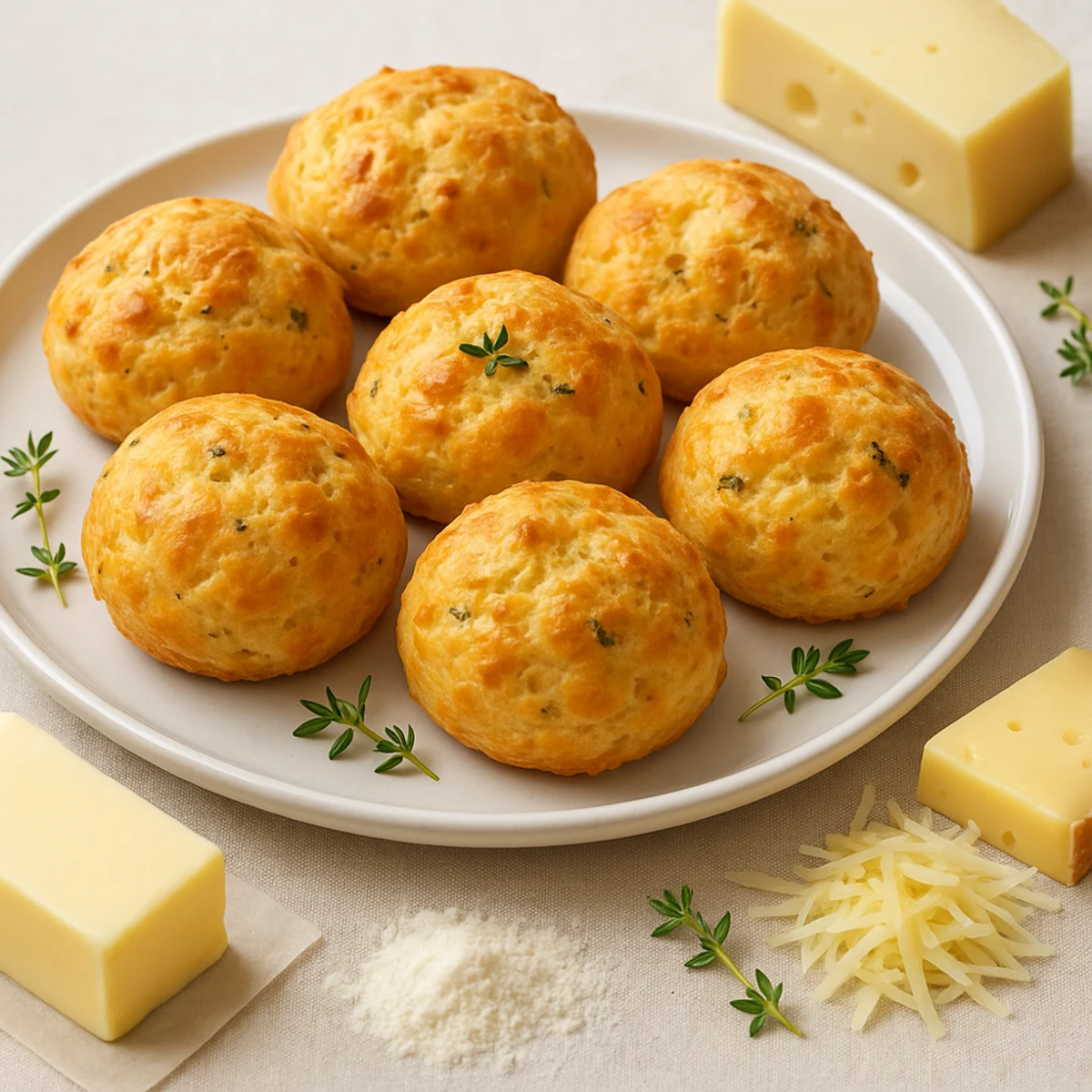
Gougères with Comté and Thyme: Elegant French Cheese Puffs
Gougères with Comté and Thyme: Your New Favorite Party Trick
If you love the idea of serving something effortlessly elegant with a glass of wine, gougères with Comté and thyme are about to become your go‑to appetizer. These light, airy French cheese puffs look like they came straight out of a Parisian wine bar, but they’re surprisingly simple to make at home.
Made from classic pâte à choux (the same dough used for éclairs and cream puffs) and loaded with nutty Comté cheese and fresh thyme, these bites are tailor‑made for wine pairing. They’re salty, savory, a little herbal, and wonderfully cheesy—everything you want in a snack to enjoy with a chilled white Burgundy or a bright California sparkling wine.
In this guide, you’ll get an easy, step‑by‑step gougères recipe, plus expert wine pairing ideas with bottles you can grab at Total Wine, Trader Joe’s, BevMo, or your favorite local shop. And if you want to play sommelier at home, Vinomat can help you fine‑tune the perfect pairing for your exact bottle.
About This Dish
Gougères are a classic specialty from France’s Burgundy region, the same area famous for elegant Pinot Noir and Chardonnay. Traditionally served with an apéritif (a pre‑dinner drink), gougères are small, hollow cheese puffs made from pâte à choux enriched with grated aged cheese—often Comté or Gruyère.
While you’ll see many variations, from the gougeres recipe Julia Child made popular in American kitchens to modern twists like the gougere recipe King Arthur style with different cheeses, the soul of the dish is the same: crisp on the outside, tender and airy inside, and deeply cheesy.
What makes gougères with Comté and thyme special is the flavor profile:
- Comté brings nuttiness, gentle fruit notes, and a long, savory finish.
- Thyme adds a gentle herbal aroma that feels right at home with both French and American wines.
- The dough itself is neutral but rich, ready to soak up all those cheese and herb flavors.
In France, you might enjoy gougères at a tasting room in Burgundy, served warm alongside a glass of local Chardonnay. In the United States, they’re a fantastic way to elevate a casual wine night, a holiday party, or even a cozy Sunday afternoon snack. They feel fancy, but they’re economical, using pantry staples plus a good piece of cheese.
If you’ve been looking for a gougeres guide that’s approachable but still restaurant‑worthy, this recipe with Comté and thyme brings classic French technique into your home kitchen, with an American wine‑lover twist.
Key Ingredients & Their Role
Understanding what each ingredient does will help you nail this gougere recipe every time—and choose wines that make the flavors shine.
Comté Cheese
Comté is a French cow’s‑milk cheese from the Jura region, aged for months to develop deep, complex flavors. It is:
- Nutty and slightly sweet, with a hint of browned butter and hazelnut
- Savory and salty, giving the gougères their satisfying cheese punch
- Firm and low in moisture, which helps the puffs bake up light instead of greasy
For wine pairing, those nutty, savory notes love wines with good acidity and a bit of minerality—think Chardonnay, sparkling wine, or even a lighter red like Pinot Noir.
If you can’t find Comté, an aged Gruyère makes an excellent stand‑in while keeping that classic cheese puffs gougeres recipe character.
Butter
Butter enriches the dough, adding flavor and tenderness. It also helps create steam when heated with water, which is crucial for the rise. The richness from butter means you’ll want wines with enough acidity to cut through the fat—no flabby wines here.
Flour
All‑purpose flour provides structure. When the flour hits the hot water and butter, it gelatinizes, forming the base dough. This dough traps steam during baking, which is what makes gougères puff up. The result is a crisp shell with a hollow, airy interior ready to be filled with cheese aroma.
Eggs
Eggs are the backbone of pâte à choux. They:
- Give structure so the puffs hold their shape
- Add richness and color
- Help create that signature glossy, supple dough
The slightly eggy richness is one more reason wines with freshness—sparkling, crisp whites, or light reds—work so well here.
Thyme
Fresh or dried thyme brings a subtle, woodsy, herbal character. It:
- Adds complexity to the cheese
- Echoes the herbal notes you often find in Old World wines (like French Chardonnay or Spanish Cava)
Because thyme leans savory and aromatic, it opens the door to more interesting wine matches beyond “just a basic white wine.”
Salt, Pepper, and Nutmeg (Optional)
Seasoning is key in a good gougeres recipe. Salt enhances the cheese, black pepper adds a gentle warmth, and a pinch of nutmeg (if you like) brings a classic French touch that pairs beautifully with creamy, oak‑kissed whites.
Recipe: Gougères with Comté and Thyme
These classic French cheese puffs are easier than they look. Follow the steps closely, especially when cooking the dough and adding the eggs, and you’ll be rewarded with bakery‑worthy results.
Recipe Overview
- Servings: About 24 medium gougères
- Prep Time: 20 minutes
- Cook Time: 25–30 minutes
- Total Time: 45–50 minutes
- Difficulty: Moderate (great for confident beginners and up)
Ingredients
- 1 cup (240 ml) water
- 6 tablespoons (85 g) unsalted butter, cut into pieces
- 1 teaspoon kosher salt
- 1/4 teaspoon freshly ground black pepper
- Pinch of ground nutmeg (optional but delicious)
- 1 cup (125 g) all‑purpose flour
- 4 large eggs, at room temperature
- 1 1/2 cups (about 150–170 g) finely grated Comté cheese, plus 1/4 cup extra for topping
- 1 tablespoon fresh thyme leaves (or 1 teaspoon dried thyme), finely chopped
Equipment
- Medium saucepan
- Wooden spoon or sturdy spatula
- Mixing bowl (optional, for cooling/mixing)
- Baking sheet
- Parchment paper or silicone baking mat
- Small cookie scoop or two teaspoons
- Pastry brush (for egg wash, optional)
Step‑by‑Step Instructions
1. Preheat the oven and prepare the pan
- Preheat your oven to 400°F (200°C).
- Line a baking sheet with parchment paper or a silicone baking mat.
2. Make the choux base
- In a medium saucepan, combine the water, butter, salt, pepper, and nutmeg (if using).
- Bring to a gentle boil over medium heat, stirring until the butter is completely melted.
- Once the mixture is bubbling, remove the pan from the heat.
- Add the flour all at once, stirring vigorously with a wooden spoon until the flour is fully incorporated and no dry spots remain.
3. Dry the dough
- Return the saucepan to medium‑low heat.
- Stir and mash the dough constantly for 1–2 minutes. It should pull away from the sides and form a smooth ball, and you’ll see a thin film forming on the bottom of the pan.
- This step dries the dough slightly, which is essential for getting the right texture and rise.
4. Cool slightly and add the eggs
- Transfer the dough to a mixing bowl (or just remove the saucepan from the heat) and let it cool for 2–3 minutes so it’s warm but not hot.
- Add the eggs one at a time, beating well after each addition. You can do this by hand with a wooden spoon or with a mixer on low speed.
- The dough will look curdled and messy at first after each egg—keep mixing until it becomes smooth and shiny before adding the next egg.
- When all eggs are incorporated, the dough should be thick, glossy, and smooth. If you lift the spoon, the dough should fall back in a slow, thick ribbon.
5. Fold in cheese and thyme
- Add 1 1/2 cups grated Comté and thyme to the dough.
- Fold gently until evenly distributed.
6. Shape the gougères
- Using a small cookie scoop or two teaspoons, drop heaping tablespoon‑sized mounds of dough onto the prepared baking sheet, spacing them about 2 inches apart.
- If you like, smooth any pointed tops with a damp fingertip for more even puffs.
- For extra shine and color, you can lightly brush the tops with a bit of beaten egg (optional).
- Sprinkle each mound with a pinch of the remaining grated Comté.
7. Bake
- Bake at 400°F (200°C) for 10 minutes.
- Without opening the oven, reduce the temperature to 375°F (190°C) and continue baking for 12–18 minutes, or until the gougères are deep golden brown, puffed, and feel light when you pick one up.
- If you open one, the interior should be mostly hollow with a tender, slightly moist crumb—not doughy.
8. Serve
- Remove from the oven and let cool for 5–10 minutes.
- Serve warm or at room temperature.
Nutrition & Dietary Notes (Approximate, per gougère)
- Calories: ~90–110
- Protein: 4–5 g
- Carbohydrates: 5–7 g
- Fat: 6–8 g
- Vegetarian: Yes (contains dairy and eggs)
- Not suitable for: Gluten‑free, dairy‑free, or vegan diets
You can enjoy these on their own, or use them as the starting point for your own cheese puffs gougeres recipe variations—adding different herbs, spices, or cheeses.
Perfect Wine Pairings for Gougères with Comté and Thyme
Because gougères are rich, salty, and full of nutty cheese flavor, they’re a natural partner for wine. The key is balancing the richness of butter and cheese with acidity and freshness, while letting the subtle herbal note of thyme shine.
Here’s how to think about wine pairing with this gougeres recipe:
- Body: Light‑ to medium‑bodied wines work best. You want lift, not heaviness.
- Acidity: Moderate to high acidity cuts through the buttery dough and melted cheese.
- Tannins: Keep tannins low. Big, tannic reds can clash with the salt and cheese, making the wine taste bitter.
- Aromatics: Subtle oak and gentle herbal or mineral notes play nicely with thyme and Comté.
1. Sparkling Wine (California or French Crémant)
Sparkling wine is a classic match with gougères—and for good reason.
- The bubbles cleanse your palate between bites.
- Bright acidity cuts through the richness of the cheese.
- Yeasty, brioche notes echo the baked, toasty flavor of the puffs.
Look for:
- California Brut Sparkling (Napa or Sonoma) in the $18–$30 range at Total Wine, BevMo, or local shops.
- Crémant de Bourgogne or Crémant de Jura from France, often in the $15–$25 range, when you want to lean into the French Burgundy connection.
2. Chardonnay (California or Burgundy)
Chardonnay might be the most natural pairing for gougères with Comté and thyme, especially given their shared Burgundian roots.
- From California (Sonoma Coast, Carneros, Santa Barbara): Look for styles with balanced oak, good acidity, and notes of apple, pear, citrus, and a hint of toast. Many excellent bottles fall in the $18–$28 range at Total Wine or BevMo.
- From Burgundy (Mâconnais, Chablis, Bourgogne Blanc): You’ll get more minerality and subtle oak, which pair beautifully with Comté’s nutty character.
Ask your local shop or browse labels for descriptors like bright, crisp, mineral, or balanced oak.
3. Oregon or California Pinot Noir
If you prefer red wine, go for Pinot Noir, which is naturally lighter in body and tannin.
- Oregon Pinot Noir (Willamette Valley) tends to bring red berries, subtle earth, and bright acidity—perfect with the herbal thyme and savory cheese.
- California Pinot Noir (Sonoma, Santa Barbara, Monterey) offers ripe cherry and strawberry notes with a silky texture.
Choose bottles in the $20–$30 range with notes like light‑bodied, silky, or food‑friendly on the back label.
4. Old World Whites: French, Italian, and Spanish Options
If you love exploring international bottles, these styles work beautifully:
- French: Bourgogne Aligoté or a fresh Loire Valley Sauvignon Blanc (Sancerre style) for high acidity and minerality.
- Italian: Gavi or a crisp Soave Classico, with citrus and almond notes that echo Comté’s nuttiness.
- Spanish: Cava (sparkling) or a fresh Albariño for salinity and bright citrus.
All of these are widely available in U.S. markets and often fall between $12–$22, especially at Total Wine and Trader Joe’s.
How Vinomat Can Help
If you’re ever unsure what bottle to grab, you can open Vinomat, plug in gougères with Comté and thyme, and get instant, tailored wine recommendations—filtered by price, store availability, and your personal taste preferences. It’s like having a sommelier in your pocket, especially useful when you’re staring at a wall of Chardonnay trying to decide.
Cooking Tips & Techniques
Perfect gougères are all about a few key technique points. Once you understand these, this dish becomes almost foolproof.
1. Dry the Dough Properly
After adding the flour, cooking the dough on the stove for a minute or two is crucial. This “drying” step:
- Evaporates excess moisture
- Helps the dough absorb eggs evenly
- Prevents soggy, flat puffs
You’ll know it’s ready when it forms a smooth ball and leaves a light film on the bottom of the pan.
2. Add Eggs Slowly
Add the eggs one at a time, fully incorporating each before adding the next. The dough should end up:
- Smooth and glossy
- Thick but pipeable or scoopable
- Falling from the spoon in a slow ribbon
If the dough is too stiff, the gougères won’t puff well. Too runny, and they’ll spread instead of rising.
3. Use Finely Grated Cheese
Finely grate the Comté (avoid pre‑shredded if you can—it’s often coated with starch). Fine shreds:
- Distribute evenly through the dough
- Melt quickly for even flavor
- Help the puffs rise instead of weighing them down
4. Mind the Oven Door
Resist the urge to open the oven in the first 15 minutes. Sudden drops in temperature can cause your gougères to collapse. Bake until they are deep golden—color is your friend here.
5. Make‑Ahead & Reheating
- Make‑ahead: Shape the dough on a baking sheet, freeze until firm, then transfer to a bag. Bake from frozen, adding a few extra minutes.
- Reheating: Refresh baked gougères in a 325°F oven for 5–8 minutes. They’ll crisp up and taste freshly made.
With these techniques, your gougeres recipe will deliver airy, beautifully puffed cheese bites every time.
Serving Suggestions
Gougères with Comté and thyme are versatile. They can be the star of a wine‑and‑cheese night or a supporting player in a more elaborate spread.
Here are a few ways to serve them:
- Classic apéritif style: Serve warm gougères in a linen‑lined basket with a chilled bottle of sparkling wine or Chardonnay on the table. It instantly feels like a French wine bar.
- Wine tasting flight: Pair them with a trio of wines—perhaps a California sparkling, an Oregon Pinot Noir, and a French Chardonnay. Taste how each wine changes the way the gougères taste, and use Vinomat to log favorites.
- With soup or salad: Use them as a “bread basket upgrade” alongside a simple green salad with mustard vinaigrette or a silky vegetable soup. Their light, hollow centers soak up just enough flavor.
- Party platter: Arrange gougères with charcuterie, olives, cornichons, and a wedge of extra Comté. Add tasting cards with suggested wine pairings to turn it into an interactive experience.
Serve them warm if possible; a quick reheat in the oven before guests arrive makes all the difference. They should feel crisp on the outside and tender inside, ready for that first sip of wine.
Conclusion
Once you’ve made gougères with Comté and thyme, it’s hard to imagine hosting a gathering without them. They’re elegant yet unfussy, deeply comforting yet light enough to enjoy with a glass (or two) of wine.
This gougeres recipe invites you to slow down, bake something beautiful, and explore how different wines—from California sparkling to French Chardonnay or Oregon Pinot Noir—transform each bite. And if you ever want to branch out into new bottles or styles, Vinomat is there to guide you with smart, personalized wine pairing suggestions.
So preheat the oven, grate some Comté, pour a glass, and let these warm, fragrant gougères become your new signature appetizer.