


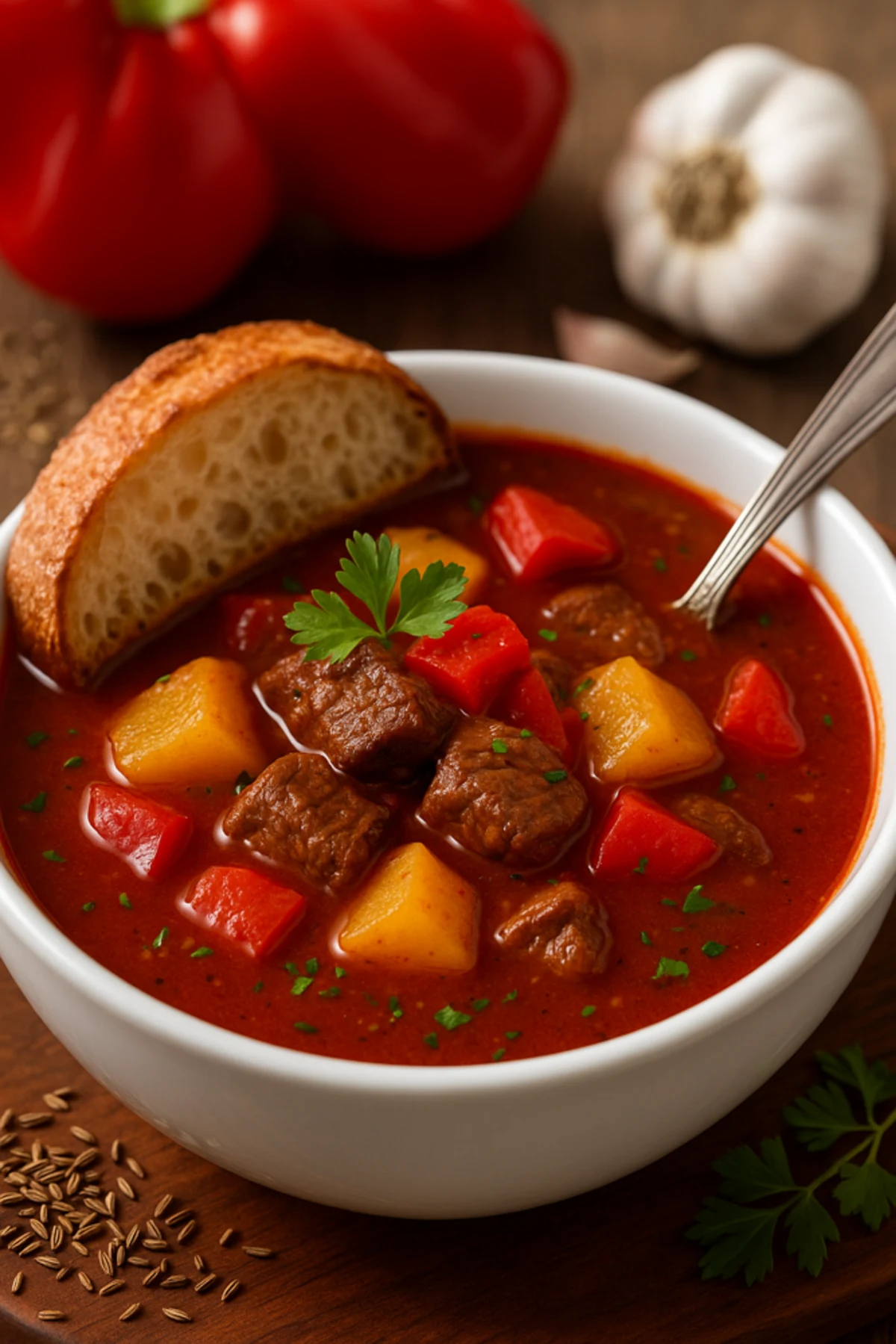
Goulash Soup Recipe & Wine Pairing Guide for Home Cooks
Goulash Soup Recipe & Wine Pairing Guide for Home Cooks
There's something deeply comforting about a steaming bowl of goulash soup—the kind that fills your kitchen with rich, savory aromas and warms you from the inside out. This Hungarian classic has traveled across continents and into American kitchens, where it's become a beloved choice for those seeking authentic, soul-satisfying cuisine. But here's what elevates goulash soup from simply delicious to truly memorable: the right wine pairing. A thoughtfully selected wine doesn't just complement this bold, spiced dish—it transforms the entire dining experience into something special.
Whether you're planning a casual weeknight dinner or impressing guests with a restaurant-quality meal at home, understanding how to pair wine with goulash soup is a game-changer. In this guide, we'll walk you through making authentic goulash soup from scratch, explore what makes this dish so captivating, and help you discover the perfect wine pairings that will make your meal unforgettable. If you're new to wine pairing, don't worry—we'll break down everything in straightforward, accessible terms.
About This Dish
Goulash soup, known as "gulyás" in Hungarian, is far more than just a casual weeknight dinner—it's a cultural treasure with centuries of history. This iconic dish originated in the 9th century among Hungarian shepherds who needed hearty, portable meals they could prepare over open fires on the vast Hungarian plains. What started as a practical necessity evolved into one of Europe's most celebrated soups, eventually becoming Hungary's national dish.
The beauty of goulash soup lies in its simplicity and depth. Unlike many soups that rely on complex techniques, goulash achieves its remarkable flavor profile through a few key components working in perfect harmony: tender beef, aromatic onions, and generous amounts of paprika—the ingredient that gives this soup its distinctive character and vibrant color.
What makes goulash soup particularly interesting from a culinary perspective is how it straddles the line between soup and stew. Depending on the ratio of liquid to solids, it can be either, and that flexibility is part of its charm. American home cooks have embraced goulash soup enthusiastically, adapting it while respecting its authentic roots. The dish has become a staple in multicultural American kitchens, appreciated by anyone who loves bold flavors and comforting meals.
The cultural significance of goulash extends beyond Hungary's borders. It represents a tradition of slow cooking, of taking time to develop flavors, and of gathering around the table with others. In our fast-paced modern world, preparing goulash soup is an act of mindfulness—a way to slow down and create something meaningful.
Key Ingredients & Their Role
Understanding what goes into goulash soup helps you appreciate why this dish pairs so beautifully with certain wines. Each ingredient plays a crucial role in building the soup's complex flavor profile.
Beef is the foundation of authentic goulash soup. Chuck or stewing beef works best because these cuts contain enough fat and connective tissue to break down during the long, slow cooking process, creating a rich, velvety broth. The beef contributes deep, savory umami notes that anchor the entire dish. When you sear the beef at the beginning, you're creating a flavorful crust through the Maillard reaction—a chemical process that develops the complex, meaty flavors that make goulash so satisfying.
Paprika is the soul of goulash soup. This isn't just any paprika—traditional Hungarian paprika has a distinct flavor that ranges from sweet to hot, depending on the variety. Paprika brings warmth, a subtle sweetness, and a beautiful deep red color to the soup. It's also the ingredient that creates one of the most important wine pairing considerations: the slight spiciness and earthiness it imparts influence which wines will complement the dish best.
Onions provide the aromatic base, developing sweetness and depth as they caramelize during cooking. They create the foundation upon which all other flavors build, acting as a bridge between the beef and the paprika.
Tomato paste adds acidity and umami, brightening the heavy richness of the beef while adding another layer of complexity. The acidity in tomato paste is particularly important for wine pairing—it creates a natural affinity with wines that have good acidity themselves.
Potatoes and bell peppers add texture and mild sweetness, balancing the intensity of the paprika and beef. They also absorb the flavorful broth, becoming tender and deeply seasoned by the end of cooking.
Caraway seeds and marjoram are the subtle seasonings that distinguish authentic goulash soup from other beef soups. Caraway brings an earthy, slightly citrusy note, while marjoram adds herbaceous warmth. These aromatics are crucial for wine pairing because they influence which wines will feel harmonious rather than jarring.
Together, these ingredients create a soup that's bold yet balanced, rich yet not heavy, and deeply satisfying. When you're thinking about wine for goulash soup, you're essentially looking for wines that can stand up to these strong flavors while enhancing rather than competing with them.
Recipe
| Prep Time | 25 minutes |
|---|---|
| Cook Time | 95 minutes |
| Total Time | 120 minutes |
| Servings | 4 |
| Difficulty | Moderate |
Ingredients
- 500 g Beef (preferably chuck or stewing beef, cubed)
- 3 medium (about 300 g), finely chopped Onions
- 2, chopped Red bell peppers
- 3 medium (about 350 g), peeled and cubed Potatoes
- 2 tbsp Tomato paste
- 2 cloves, finely minced Garlic
- 1 tsp Caraway seeds
- 1 tsp Dried marjoram
- 4 cups (1 liter) Beef broth
- 2 tbsp Vegetable oil
- To taste Salt
- To taste Black pepper
- To taste, chopped Fresh parsley (optional, for garnish)
- 4 slices Crusty bread (optional, for serving)
Instructions
- Prepare the vegetables: finely chop the onions and garlic, chop the bell peppers, and peel and cube the potatoes.
- Heat 2 tbsp of vegetable oil in a large pot over medium heat. Add the beef cubes and sear until browned on all sides, about 5-7 minutes. Remove the beef and set aside.
- In the same pot, add the chopped onions and garlic. Sauté until softened and golden, about 5 minutes.
- Stir in 2 tbsp of tomato paste and cook for another 2 minutes, allowing it to become fragrant.
- Add the seared beef back to the pot, along with the caraway seeds, marjoram, salt, and black pepper. Mix well.
- Pour in 4 cups (1 liter) of beef broth and bring to a gentle boil. Reduce the heat to low, cover, and let simmer for 60 minutes, stirring occasionally.
- After 60 minutes, add the cubed potatoes and chopped bell peppers. Continue simmering for another 30 minutes or until the potatoes are tender.
- Taste and adjust seasoning with additional salt and black pepper if needed.
- Ladle the soup into bowls and garnish with freshly chopped parsley, if desired.
- Serve the soup hot with slices of crusty bread on the side.
Nutrition Facts (per serving)
- Calories: 320 kcal
- Protein: 25.0g
- Fat: 12.0g
- Carbohydrates: 30.0g
- Salt: 2.0g
Dietary Information
Gluten-free, Dairy-free, Nut-free
Perfect Wine Pairings
Now that you've mastered the recipe, let's talk about what makes an ideal wine for goulash soup. The key is finding wines that can match the soup's intensity while complementing its specific flavor profile.
Goulash soup's bold paprika notes, savory beef, and earthy undertones call for wines with good body, moderate to high acidity, and enough character to stand up to the dish without overwhelming it. You're looking for wines that won't be overshadowed by the soup's strong flavors, yet won't clash with them either.
Pinot Noir is perhaps the most versatile choice for goulash soup. Oregon Pinot Noirs, in particular, offer the perfect balance: they have enough body and earthiness to complement the beef and paprika, yet maintain the acidity and elegance that prevents the pairing from feeling heavy. Look for Oregon Pinot Noirs in the $15-25 range at Total Wine or your local wine shop. The wine's subtle spice notes echo the caraway and marjoram in the soup, creating a harmonious relationship. Trader Joe's often carries excellent value Pinot Noirs that work beautifully here.
Côtes du Rhône from France is another excellent option. These wines, typically blends of Grenache, Syrah, and other Southern Rhône varieties, have the body and tannin structure to handle goulash soup's richness. They often display peppery and herbal notes that complement the soup's spice profile. You'll find good examples at Total Wine or specialty wine shops for $12-20, making them an accessible choice for everyday entertaining.
Spanish Tempranillo, particularly from the Rioja region, offers bold fruit flavors and earthy undertones that align beautifully with goulash soup. Rioja wines have enough structure and tannins to cut through the soup's richness while their acidity keeps the pairing fresh. A mid-range Rioja ($15-25) will serve you well. BevMo and Total Wine both stock reliable Spanish selections.
California Zinfandel provides a bolder option if you prefer fruit-forward wines. The wine's jammy fruit character and peppery spice create an interesting counterpoint to the soup's savory depth. Look for Zinfandels from Sonoma or Napa in the $15-28 range. The higher alcohol content and bold flavors in Zinfandel stand up impressively to goulash soup's intensity.
When selecting your wine for goulash soup, remember that the wine should enhance your dining experience, not dominate it. Start with a Pinot Noir if you're uncertain—it's the safest bet for most palates and the most food-friendly option. Use apps like Vinomat to explore these wine recommendations further and discover specific bottles available in your area, along with detailed tasting notes to help you make the perfect choice.
Cooking Tips & Techniques
Mastering goulash soup involves understanding a few key techniques that separate good versions from truly exceptional ones.
Searing the beef properly is your first crucial step. Don't rush this process—you want a deep, golden-brown crust on all sides of the beef cubes. This isn't just about appearance; it's about flavor. The Maillard reaction that creates this crust develops complex, savory compounds that form the foundation of the soup's depth. Make sure your pot is hot enough and don't overcrowd it. Work in batches if necessary. Patience here pays dividends in the final result.
Don't skip the paprika blooming step. After adding the tomato paste, let it cook for a minute or two before adding the broth. This brief cooking time allows the paprika to release its full flavor potential. However, be careful not to let it burn—burnt paprika becomes bitter and will ruin the soup. Keep the heat at medium and stir constantly during this step.
Low and slow is the mantra. Once you've brought the soup to a boil, reduce the heat to low and maintain a gentle simmer. Rapid boiling will toughen the beef and cause it to break apart unevenly. A gentle simmer allows the beef to become tender and the flavors to meld beautifully. Partially cover the pot to maintain moisture without creating too much steam.
Taste and adjust as you go. Goulash soup is forgiving, but it rewards attention. Taste it after the first 60 minutes of simmering. You may want to add more salt or adjust the seasoning before adding the potatoes. Remember that flavors concentrate as liquid reduces, so be conservative with salt initially.
Make it ahead. Goulash soup actually improves the next day as flavors continue to develop. You can prepare it completely, cool it, refrigerate it, and reheat it gently on the stovetop. This makes it perfect for entertaining—you can focus on your guests rather than last-minute cooking.
Serving Suggestions
Presentation and accompaniments can elevate your goulash soup from homemade comfort food to restaurant-quality dining.
Serve the soup in wide, shallow bowls rather than deep mugs. This presentation allows the beautiful deep red color of the broth to shine while making the beef and vegetables more visible and appealing. Warm your bowls before serving—this small detail keeps the soup at the perfect temperature longer and shows thoughtfulness to your guests.
A dollop of sour cream on top of each bowl is traditional and delicious. It adds creaminess, richness, and a slight tang that balances the soup's boldness. Alternatively, a sprinkle of fresh parsley adds color and a fresh herbal note. Some people enjoy both—the visual contrast is striking, and the flavors work beautifully together.
Serve crusty bread on the side for soaking up the flavorful broth. A good sourdough or a hearty European-style bread complements goulash soup perfectly. Consider toasting the bread lightly and rubbing it with garlic for extra flavor.
Pour your selected wine into proper wine glasses—red wine glasses work best for the Pinot Noirs, Tempranillos, or other recommendations we've discussed. The wider bowl of a red wine glass allows the wine to breathe and the aromas to develop, enhancing your tasting experience.
Set the table simply but thoughtfully. Goulash soup is rustic food, so embrace that aesthetic. Linen napkins, simple place settings, and perhaps a centerpiece of fresh herbs or autumn flowers create a warm, inviting atmosphere. The goal is to create an experience where food, wine, and company come together harmoniously.
Conclusion
Goulash soup represents everything wonderful about home cooking: tradition, bold flavors, and the satisfaction of creating something meaningful from simple ingredients. By mastering this recipe and understanding the art of wine pairing, you're not just preparing a meal—you're creating an experience.
The wine for goulash soup you choose should reflect your personal preferences, but armed with the knowledge of why certain wines work with this dish, you can make confident selections that enhance your dining experience. Whether you opt for an elegant Oregon Pinot Noir, a peppery Côtes du Rhône, or a bold California Zinfandel, you're making a choice that shows thoughtfulness and culinary awareness.
Next time you're planning a dinner, consider goulash soup as your centerpiece. Browse through wine pairing resources like Vinomat to discover the perfect bottle from Total Wine, Trader Joe's, or your local wine shop. Your guests will appreciate the care you've taken, and you'll enjoy the satisfaction of a meal where every element—from the tender beef to the final sip of wine—works in perfect harmony. Happy cooking and happy pairing!