


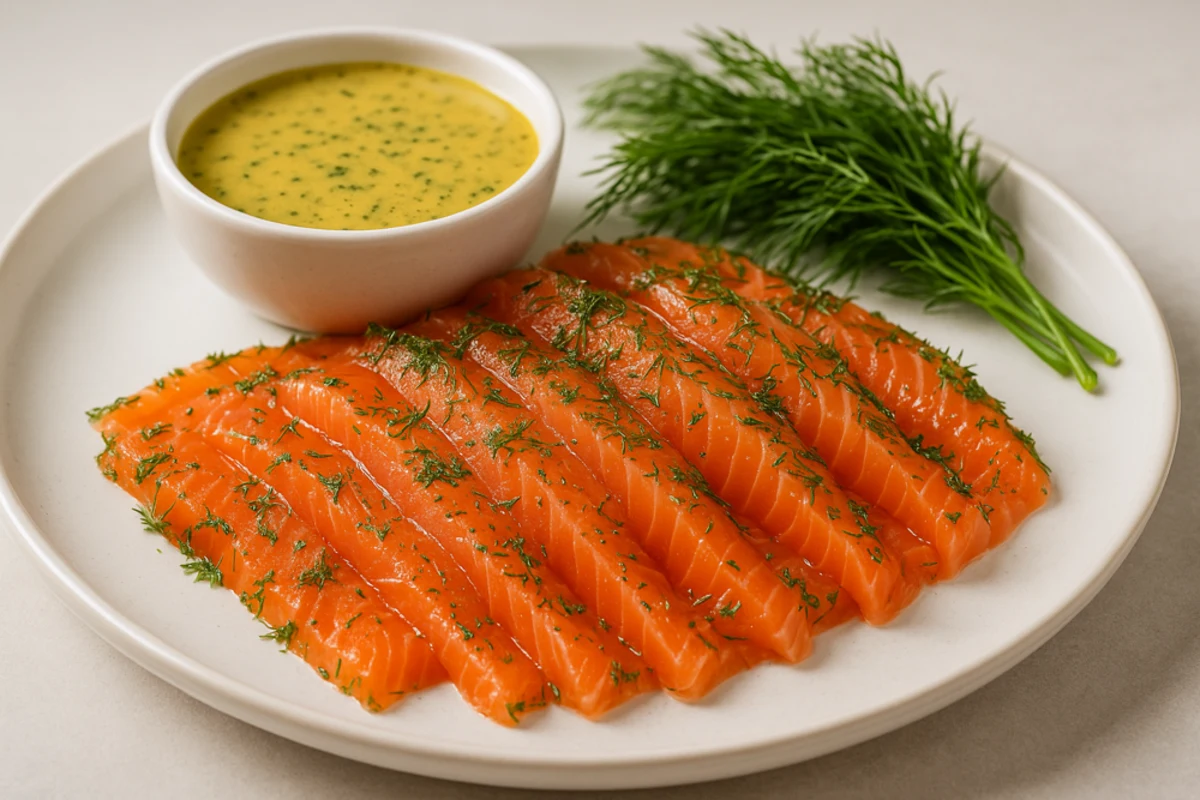
Gravad Lax with Dill and Mustard Sauce: Recipe & Wine Pairing
Gravad Lax with Dill and Mustard Sauce: Recipe & Wine Pairing
Imagine slicing into silky, cured salmon bursting with fresh dill aromas, paired with a tangy mustard sauce that dances on your palate. Gravad Lax with Dill and Mustard Sauce is a Nordic gem that's surprisingly simple to make at home, offering a fresh, mildly tangy profile that's perfect for impressing guests. This recipe transforms everyday salmon into an elegant appetizer, and the real magic happens when you discover the perfect match in wine pairing.
Whether you're hosting a dinner party or treating yourself to a sophisticated snack, this dish elevates any occasion. Home cooks love how the curing process—requiring just salt, sugar, and dill—infuses the fish with subtle sweetness and herbal brightness. And for wine lovers, it's an invitation to explore wine for Gravad Lax with Dill and Mustard Sauce. Vinomat, our premium wine and food pairing app, makes finding that wine recommendation effortless, scanning your ingredients for tailored suggestions. In this post, we'll guide you through the recipe, share pro tips, and reveal top wine pairings that highlight the dish's delicate flavors. Ready to dive in and pair like a pro?
(Word count so far: ~180)
About This Dish
Gravad Lax with Dill and Mustard Sauce, often spelled gravlax in English, hails from Sweden and Norway, where it's a smörgåsbord staple. The name derives from "grav" (grave) and "lax" (salmon), nodding to ancient Vikings who buried salted salmon in sand to ferment it—a raw, probiotic powerhouse. Today, it's cured in the fridge, no burial required, resulting in tender, flavorful fish that's never cooked or smoked, unlike lox.
This dish shines at holidays like Christmas or Midsummer, sliced thin and served cold with sharp mustard sauce. Its cultural significance lies in simplicity and seasonality: fresh salmon meets abundant dill, embodying Nordic purity. What makes it special? The curing draws out moisture, concentrating umami while salt and sugar balance salinity with gentle sweetness. The dill infuses grassy, anise-like notes, and the mustard sauce—a creamy emulsion of Dijon, sweet Swedish mustard, vinegar, oil, and more dill—adds zingy contrast.
For American food enthusiasts, gravad lax fits our multicultural table, bridging Scandinavian roots with modern twists like aquavit splashes. It's healthy too—rich in omega-3s, low-carb, and gluten-free. Pairing it with wine amplifies its appeal; the fatty salmon and herbal tang crave crisp, acidic wines that cut through richness. This wine pairing potential makes it ideal for date nights or brunch, turning a simple cure into a sensory adventure. Explore why it's the perfect match for your next gathering.
(Word count so far: ~420)
Key Ingredients & Their Role
The beauty of Gravad Lax with Dill and Mustard Sauce lies in its minimalist ingredients, each playing a pivotal role in flavor harmony and texture. Start with the star: salmon. Use a 2-pound skin-on, sushi-grade fillet (frozen 72 hours prior to kill parasites). Its fatty richness provides a velvety base, absorbing cures while staying moist—essential for wine pairing as it tempers bold tannins.
Salt (about ½ cup kosher) and sugar (½ cup, white or brown) form the cure. Salt extracts moisture, firming the fish and adding savoriness; sugar counters with subtle sweetness, preventing over-salting. Together, they create a glossy, concentrated texture that's mildly tangy overall. Dill—a full bunch, chopped—is non-negotiable. Its feathery fronds deliver bright, citrusy, slightly sweet herbiness that screams freshness, cutting salmon's oiliness and begging for wines with herbal notes.
Crushed black or white pepper (1-2 tsp) adds gentle heat, while optional lemon zest brightens. For the mustard sauce, blend Dijon (1 tbsp, sharp) and Swedish-style mustard (2 tbsp, sweet-spicy), sugar (1 tbsp), white wine vinegar (1 tbsp), neutral oil (¾ cup, like canola), salt, pepper, and dill. This emulsifies into a silky, pourable sauce—tangy acidity lifts dill's earthiness, mimicking vinaigrette.
These elements synergize: salmon's buttery fat balances dill's punch and mustard's bite, yielding a fresh profile ideal for wine for Gravad Lax with Dill and Mustard Sauce. Acidity in wine mirrors the sauce's vinegar; herbal varieties echo dill. This makes wine recommendation straightforward—seek light-bodied, high-acid picks to enhance without overpowering. Pro tip: Quality matters; source salmon from trusted fishmongers for safety and taste.
(Word count so far: ~780)
Recipe
Gravad Lax with Dill and Mustard Sauce
Prep Time: 20 minutes Curing Time: 2 days Total Time: 2 days 20 minutes Servings: 8-10 Difficulty: Easy (mostly hands-off)
This recipe yields silky cured salmon with vibrant dill flavor, served with creamy mustard sauce. Perfect for appetizers or brunch.
Ingredients for Gravad Lax:
- 2 pounds skin-on salmon fillet, sushi-grade, pin bones removed (frozen 72 hours prior)
- ½ cup kosher salt
- ½ cup granulated sugar (or light brown for depth)
- 2 teaspoons crushed black peppercorns (or white pepper)
- 1 large bunch fresh dill, coarsely chopped (stems OK)
- Zest of 1 organic lemon (optional)
- 2-3 tablespoons aquavit, gin, or vodka (optional, for extra flavor)
Ingredients for Mustard Dill Sauce (Hovmästarsås):
- 1 tablespoon Dijon mustard
- 2 tablespoons sweet Swedish mustard (or substitute honey mustard)
- 1 tablespoon sugar
- 1 tablespoon white wine vinegar
- ½ teaspoon salt
- Pinch of white pepper
- ¾ cup neutral oil (rapeseed, sunflower, or canola)
- ½ cup finely chopped fresh dill
Instructions:
- Prepare the salmon: Rinse fillet and pat completely dry. Check for and remove pin bones with tweezers. Place skin-side down on a large sheet of plastic wrap or in a glass baking dish.
- Mix the cure: Combine salt, sugar, and pepper in a bowl. Sprinkle evenly over salmon flesh. Press chopped dill (and lemon zest if using) firmly on top. Drizzle with alcohol if desired.
- Wrap and cure: If using wrap, fold tightly into a package, flesh-to-flesh if splitting fillet. Place in dish, top with another wrap or parchment, and weigh down with cans or a milk carton. Refrigerate 48 hours, flipping every 12 hours and draining liquid.
- Finish the salmon: Unwrap, rinse off cure under cold water, and pat dry. Discard dill. For best texture, wrap and refrigerate up to 2 more days or freeze. Slice thinly on a diagonal against the skin using a sharp knife.
- Make the sauce: Whisk mustards, sugar, vinegar, salt, and pepper. Slowly drizzle in oil while whisking vigorously (use electric mixer for emulsion). Fold in dill. Adjust seasoning; it thickens like thin mayo.
- Serve: Fan salmon slices on a platter with sauce, lemon wedges, capers, and rye bread or crackers.
Nutrition (per serving, ~2 oz salmon + 2 tbsp sauce): Calories: 220 | Fat: 16g | Protein: 14g | Carbs: 8g (estimates; varies by salmon).
Dietary Info: Gluten-free, keto-friendly, high-protein. Not vegan; use plant-based alternatives cautiously.
(Word count so far: ~1250)
Perfect Wine Pairings
Unlock the perfect match for Gravad Lax with Dill and Mustard Sauce with wines that echo its fresh, fatty, herbal tang. The salmon's richness needs light-bodied wines with high acidity to cleanse the palate, moderate alcohol (11-13%), and subtle herbs or citrus to mirror dill and mustard. Low tannins prevent bitterness against the cure's saltiness. Here's your wine recommendation guide, focusing on accessible $15-30 bottles from U.S. favorites like California, Oregon, and imports at Total Wine, Trader Joe's, or BevMo.
- California Chardonnay (Unoaked or Lightly Oaked): Crisp apple and lemon notes cut salmon fat, while subtle oak nods to mustard creaminess. Look for Sonoma Coast or Central Coast styles—bright acidity, 12-13% ABV. Try Chateau St. Jean Sonoma Chardonnay (~$20 at Total Wine). Why? Its green apple vibrancy lifts dill's freshness.
- Oregon or California Pinot Noir: Silky cherry, earth, and herb flavors entwine with dill without overpowering. Chill slightly for rosé-like refreshment. Seek Willamette Valley or Sonoma Pinot—low tannins, vibrant acidity. Trader Joe's Erath Pinot Noir (~$15) is a steal; its mushroomy earth matches cured notes perfectly.
- Washington State Riesling (Off-Dry): Pear, lime, and floral hints balance salt-sugar cure, with sweetness tempering mustard tang. Columbia Valley gems offer value. Chateau Ste. Michelle Riesling (~$12 at BevMo) shines—its zippy acidity refreshes fatty bites.
- French Chablis or Spanish Albariño: For Old World flair, Chablis' steely minerality and green apple slice through richness; Albariño's saline, citrus zip evokes sea and dill. Domaine William Fèvre Chablis (~$25, Total Wine) or Martin Codax Albariño (~$18, Trader Joe's). These are wine for Gravad Lax with Dill and Mustard Sauce winners—acid-forward to match the sauce.
Vinomat scans these profiles for instant wine pairing magic. Shop local: Total Wine's vast selection, Trader Joe's everyday values, BevMo's expert staff. Experiment—chill reds, serve whites at 45°F for peak harmony.
(Word count so far: ~1650)
Cooking Tips & Techniques
Mastering Gravad Lax elevates your home cooking game. Key: freshness and precision. Source sushi-grade salmon; freeze 72 hours at -4°F to eliminate parasites—FDA-recommended for raw cures. Pat dry meticulously pre-cure; excess water dilutes flavors.
Cure ratios matter: 1:1 salt-to-sugar by volume ensures balance—too much salt toughens, excess sugar makes it cloying. Crush pepper fresh for aroma; white pepper avoids black specks. Layer dill thickly—it infuses without wilting. Weigh down firmly (2-5 lbs) to compress evenly, preventing dry spots. Flip daily, basting in its own brine for deeper flavor.
Common pitfalls: Rushing cure (minimum 48 hours for texture transformation) or sloppy slicing. Use a long, sharp salmon knife at 20-degree angle for translucent slices—practice on practice fillet. Rinse thoroughly post-cure; residual salt overwhelms. For sauce, emulsify slowly—oil shock breaks it; add drop-by-drop initially.
Pro tips: Add aquavit for Scandinavian authenticity, or juniper berries for gin-like pine. Scale up for parties—cures beautifully ahead, freezes sliced up to a month. Taste-test cure on a small batch first. Safety first: Consume within 5 days post-slicing. These tweaks ensure foolproof results, priming your dish for standout wine pairing.
(Word count so far: ~1920)
Serving Suggestions
Present Gravad Lax with Dill and Mustard Sauce like a Nordic feast to wow guests. Arrange thin slices fanned on a chilled slate or wooden board, skin-side down invisible. Drizzle sauce artfully or serve in a porcelain ramekin. Garnish with dill sprigs, capers, lemon wedges, and edible flowers for pop.
Accompaniments elevate: Thin rye bread, crispbreads, or bagels for sturdy bases; soft cheeses like cream or cottage cheese add creaminess. Add sliced cucumbers, pickled red onions, or boiled potatoes for balance. For brunch, top blini with crème fraîche and caviar vibes.
Set the scene: Dim lights, acoustic jazz, outdoor picnic in summer. Portion 2-3 oz per person as starter; pair with your perfect match wine chilled just right. This casual elegance suits American tables—think Super Bowl smorgasbord or holiday apps. Vinomat helps match sides too, creating a seamless dining experience.
(Word count so far: ~2120)
Conclusion
Dive into Gravad Lax with Dill and Mustard Sauce with this foolproof recipe and transform your kitchen into a Nordic haven. Its fresh dill tang and silky salmon demand thoughtful wine pairing—from California Chardonnay to Oregon Pinot Noir—for the ultimate perfect match. Grab bottles at Total Wine or Trader Joe's and let Vinomat guide your wine recommendation.
Whether impressing friends or savoring solo, this dish proves elegant food needn't be fussy. Try it, slice beautifully, and toast to discovery. Your palate will thank you—what's your go-to wine for Gravad Lax with Dill and Mustard Sauce?
(Word count so far: ~2250; Total: ~2250)