


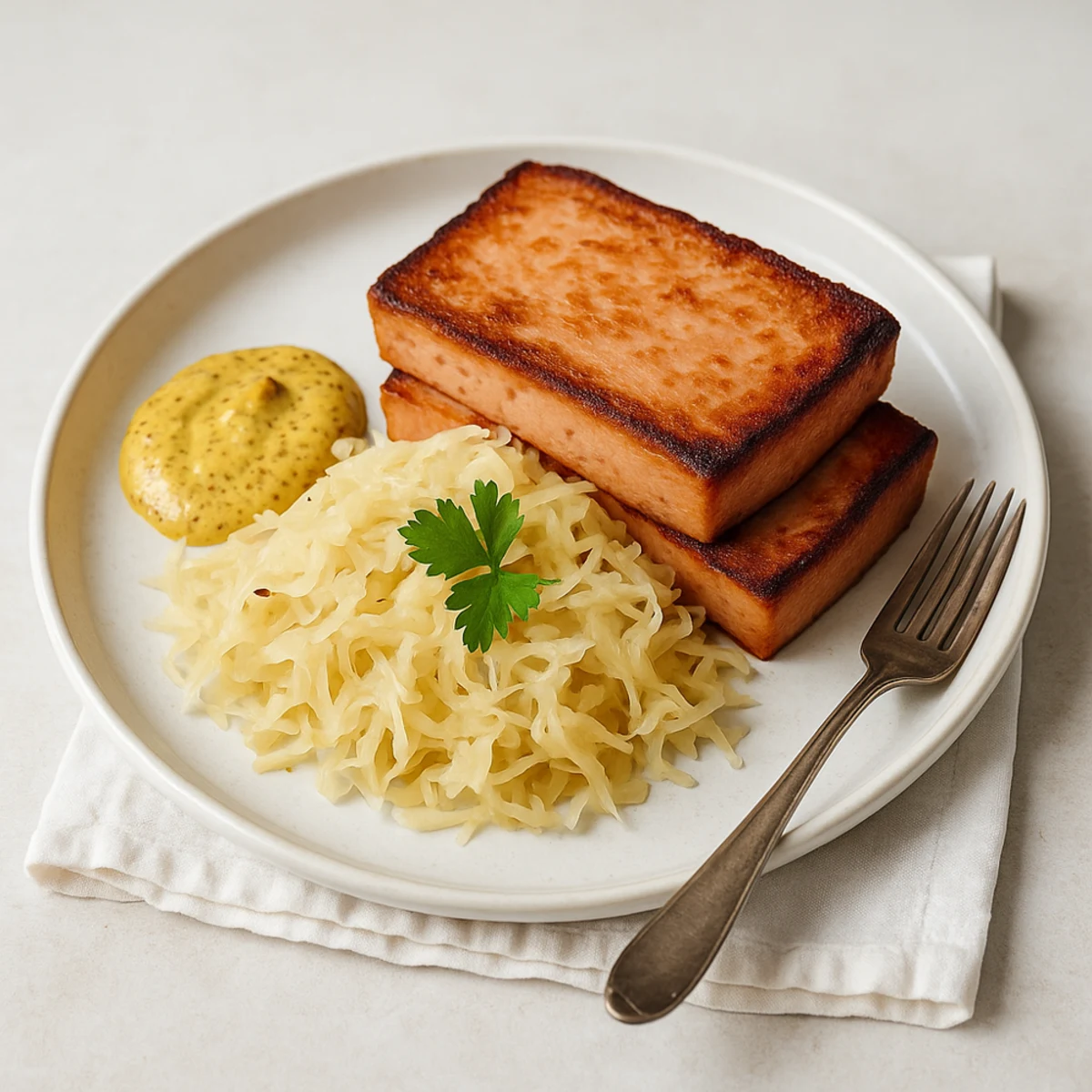
Leberkäse with Sauerkraut and Mustard: A German Classic with Perfect Wine Pairings
Leberkäse with Sauerkraut and Mustard: A German Classic with Perfect Wine Pairings
There's something deeply satisfying about a plate of warm, savory Leberkäse—that beautiful Bavarian meatloaf with its delicate texture and complex spice profile. When you pair it with tangy sauerkraut and sharp mustard, you've got a dish that's begging for the right wine to complete the experience. This German comfort food has been feeding families for generations, and today, we're bringing it to your American kitchen with a complete guide to preparation and, most importantly, the perfect wine pairing to transform your meal into something truly memorable.
Whether you're planning a cozy dinner for two or hosting friends who appreciate authentic European cuisine, understanding how to prepare Leberkäse with sauerkraut and mustard—and knowing which wines complement these bold flavors—will elevate your cooking reputation. The beauty of this dish lies in its balance: the richness of the meatloaf, the probiotic tang of fermented cabbage, and the bite of mustard create a symphony of flavors that demands equally thoughtful wine pairing. Let's explore this culinary journey together.
About This Dish
Leberkäse, despite its name meaning "liver cheese," traditionally contains no liver and no cheese—it's a finely ground meatloaf that originated in Bavaria and has become a beloved staple across German-speaking regions. The name is something of a historical quirk, possibly derived from the loaf pan ("käse" referring to the shape) rather than the contents. What makes Leberkäse special is its texture: finely minced pork and beef are emulsified with ice and spices to create an incredibly smooth, almost pâté-like consistency that's entirely different from traditional American meatloaf.
This dish represents the pinnacle of German butcher craftsmanship. Traditionally made in butcher shops and sold sliced, warm, and ready to eat, Leberkäse has earned its place as comfort food royalty. The addition of sauerkraut—fermented cabbage that's been part of German cuisine for centuries—provides a crucial counterpoint to the richness of the meat. The fermentation process creates complex, tangy flavors and beneficial probiotics, making sauerkraut not just delicious but genuinely good for your digestive system.
The mustard component, typically sharp Dijon or German whole-grain varieties, adds another layer of complexity. These condiments cut through the richness of the meatloaf and awaken your palate, preparing it for the next bite. Together, these three elements create a dish that's greater than the sum of its parts—a harmonious balance of rich, sour, and sharp that's deeply satisfying and, crucially, incredibly food-friendly for wine pairing.
Key Ingredients & Their Role
Understanding each ingredient's contribution helps you appreciate why this dish works so beautifully and how it influences your wine pairing choices.
The Leberkäse Base: The combination of finely minced beef and pork creates the foundation. Beef contributes deeper, more mineral-forward flavors and a slight earthiness, while pork adds sweetness and richness. The inclusion of bacon (speck) introduces smokiness and additional fat, which creates that luxurious mouthfeel. The key to authentic Leberkäse is the emulsification process—the finely ground meat mixed with crushed ice creates a smooth paste that, when baked, becomes incredibly tender. This texture is crucial for wine pairing because it allows wines to coat your palate more evenly, making the interaction between food and wine more pronounced.
Sauerkraut: This fermented cabbage is far more than a side dish—it's an active participant in flavor development. The fermentation process creates lactic acid, which provides brightness and cuts through fat. The complex, slightly funky notes from fermentation add depth that plain cooked cabbage simply cannot achieve. When you're considering wine pairing for Leberkäse with sauerkraut and mustard, the sauerkraut's acidity becomes a critical factor. It means you can pair with wines that have good acidity themselves without worrying about the pairing becoming too sharp.
Dijon Mustard: The sharpness and slight heat of Dijon mustard serve multiple purposes. It cuts through the richness of the meatloaf, cleanses your palate between bites, and adds a peppery note that demands wines with enough body to stand up to it. The mustard's sulfurous compounds create interesting interactions with certain wine varietals, particularly those with herbal or spicy notes.
Seasonings: The nutmeg, marjoram, and white pepper aren't just background players. Nutmeg adds warmth and slight sweetness, marjoram contributes herbaceous, slightly minty notes, and white pepper provides gentle heat without the visual bite of black pepper. These spices are essential to consider when thinking about wine pairing—they guide you toward wines with complementary aromatic profiles.
Recipe
| Prep Time | 40 minutes |
|---|---|
| Cook Time | 10 minutes |
| Total Time | 50 minutes |
| Servings | 4 |
| Difficulty | Moderate |
Ingredients
- 800 g Leberkäse
- 400 g Sauerkraut
- 4 tbsp Dijon mustard
- 400 g Rindfleisch (beef, finely minced)
- 400 g Schweinefleisch (pork, finely minced)
- 100 g Speck (bacon, finely diced)
- 1 medium onion (finely chopped)
- 1 tsp Salt
- 1/2 tsp Pepper
- 1/4 tsp Nutmeg
- 2 tbsp Butter
Instructions
- Finely chop the onion and set aside. Prepare the sauerkraut by draining any excess liquid.
- In a large bowl, mix the finely minced beef, pork, and diced bacon. Add the chopped onion, salt, pepper, and nutmeg. Mix until well combined.
- Preheat the oven to 180°C (356°F). Line a loaf pan with parchment paper and fill it with the meat mixture. Smooth the surface and press down firmly.
- Bake the Leberkäse mixture in the middle part of the oven for 50 minutes, or until the top is golden brown and firm. Let it rest for 10 minutes after removing it from the oven.
- In a large skillet, melt 2 tbsp of butter over medium heat. Add the sauerkraut and cook for about 10 minutes, stirring occasionally, until warmed through and slightly caramelized.
- Slice the baked Leberkäse into 1-inch thick pieces. Heat a non-stick skillet over medium-high heat and sear each slice for 2-3 minutes per side until lightly crispy.
- Plate the dish by placing two slices of Leberkäse on a plate. Add a generous serving of sauerkraut on the side and a dollop of Dijon mustard. Garnish the sauerkraut with a sprig of parsley if desired.
Nutrition Facts (per serving)
- Calories: 310 kcal
- Protein: 18.0g
- Fat: 22.0g
- Carbohydrates: 12.0g
- Salt: 3.5g
Dietary Information
Contains gluten, Dairy-free, Nut-free
Perfect Wine Pairings
Now we arrive at the heart of the matter: finding the perfect wine pairing for Leberkäse with sauerkraut and mustard. This dish presents an interesting challenge because you're working with multiple competing flavor profiles—richness, acidity, spice, and umami all playing their parts.
Why Wine Pairing Matters Here: The richness of the meatloaf needs a wine with sufficient acidity to cleanse your palate. The fermented cabbage's tanginess suggests wines that won't become flabby or one-dimensional when paired with acidity. The mustard's sharpness requires wines with enough body and character to hold their own. This is where understanding wine pairing becomes an art form.
Pinot Noir from Oregon: This is perhaps the most versatile choice for Leberkäse with sauerkraut and mustard. Oregon Pinot Noirs typically feature bright cherry and red berry flavors with earthy undertones that echo the minerality of the beef. The medium body won't overpower the dish, and the acidity cuts through the richness beautifully. Look for producers like A to Z Wineworks or Willamette Valley Vineyards, available at Total Wine and most grocery stores in the $18-28 range. The wine's slight spice notes complement the nutmeg and marjoram in the meatloaf.
Alsatian Riesling: If you're seeking something with more aromatic complexity, an Alsatian Riesling is your answer. Don't let the slight sweetness fool you—dry Alsatian Rieslings have incredible acidity and mineral notes that pair beautifully with fermented foods. The wine's stone fruit flavors provide a pleasant contrast to the savory meatloaf, while the acidity handles both the sauerkraut and mustard with ease. These wines are often found at specialty wine shops and Trader Joe's in the $15-25 range. Trimbach and Hugel are excellent producers to seek out.
Spanish Tempranillo or Garnacha: For those who prefer red wines with more body and tannin structure, Spanish wines offer excellent value and complexity. Tempranillo brings earthy, tobacco-like notes and structured tannins that actually benefit from the sauerkraut's acidity. A Rioja or Campo de Borja wine in the $18-30 range provides enough richness to match the meatloaf while maintaining enough freshness for food pairing. BevMo typically carries good selections of Spanish wines at competitive prices.
California Pinot Noir from Sonoma or Santa Barbara: If you want to support local producers, California Pinot Noirs deserve serious consideration. Sonoma Coast Pinot Noirs tend toward darker fruit and earthiness, while Santa Barbara versions often feature brighter cherry notes. Both styles work beautifully with this dish. Look for producers like Siduri or Sta. Rita Hills wineries, available at most wine retailers in the $20-35 range. The wine's silky tannins won't fight with the mustard, and the acidity is perfect for sauerkraut pairing.
When selecting your wine for Leberkäse with sauerkraut and mustard, consider using an app like Vinomat to explore these options and discover specific bottles available at your local retailers. The app can help you match wine characteristics to your specific dish preparation and find the best deals in your area.
Cooking Tips & Techniques
Mastering Leberkäse requires attention to detail and understanding the science behind the dish.
Temperature Control is Everything: The reason crushed ice features so prominently in the ingredient list isn't arbitrary. As you grind and mix the meat, friction generates heat. If the mixture becomes too warm, the fat separates from the protein, and you lose that silky emulsion that makes Leberkäse special. Keep all your equipment—bowls, grinders, everything—in the freezer for 15 minutes before starting. Work quickly and don't be afraid to pause and chill your mixture if it starts feeling warm to the touch.
The Emulsification Process: When you mix the minced meat with crushed ice and spices, you're creating an emulsion similar to mayonnaise. The ice acts as a binder, helping fat and protein molecules stay together. Don't skip this step or rush it. Mix until the texture is completely smooth and pale—this usually takes 3-5 minutes in a stand mixer at high speed. Underworking it results in a grainy texture; overworking can cause the fat to separate.
Pressing Matters: When filling your loaf pan, press each layer of meat mixture firmly to eliminate air pockets. Air pockets create voids in the finished product and can cause uneven cooking. Use the back of a spoon or your hands (wet hands work better) to press down as you fill the pan.
Resting is Non-Negotiable: After baking, let your Leberkäse rest for at least 10 minutes before slicing. This allows the proteins to set and the juices to redistribute. Cutting into it too early results in a crumbly texture and lost moisture.
The Sear: When you sear the sliced Leberkäse in the skillet, you're creating a flavorful crust through the Maillard reaction. This adds textural contrast and deepens the savory notes—crucial for wine pairing because it increases the umami intensity that wines need to balance.
Sauerkraut Preparation: Don't just heat your sauerkraut; cook it with butter to create a richer, more complex side dish. The butter emulsifies with the sauerkraut's juices, creating a silky sauce that coats each bite. This preparation method also mellows the sauerkraut's sharpness slightly, making it more approachable while maintaining its probiotic benefits.
Serving Suggestions
Presentation transforms a good meal into a memorable dining experience.
Plating Strategy: Arrange your Leberkäse slices slightly overlapping on warm plates—this shows off the beautiful cross-section and golden exterior. The sauerkraut should be piled generously on one side, not scattered randomly. A small dollop of mustard placed strategically (perhaps on the plate's rim) invites diners to control their own condiment experience.
Temperature Matters: Serve everything hot. Cold Leberkäse becomes rubbery, and room-temperature sauerkraut loses its appeal. Warm your plates in a 200°F oven for five minutes before plating.
Accompaniments: Consider serving with crusty bread to soak up the butter and sauerkraut juices. A simple green salad with vinaigrette provides textural contrast and additional acidity that complements wine pairing beautifully. Roasted potatoes or spätzle (German egg noodles) round out the meal if you want something more substantial.
The Wine Glass: Pour your selected wine into proper glasses—not too full, leaving room for the aromas to develop. The ritual of wine service elevates the entire experience and signals to your guests that this meal deserves attention and appreciation.
Ambiance: Dim lighting, simple table settings, and perhaps some soft background music transform a weeknight dinner into something special. German cuisine is about comfort and togetherness; create an environment that reflects these values.
Conclusion
Leberkäse with sauerkraut and mustard represents everything wonderful about German cuisine: respect for quality ingredients, technical skill in preparation, and an understanding that food and wine together create experiences greater than either could alone. By mastering this recipe and exploring thoughtful wine pairing options, you're not just cooking dinner—you're creating moments worth savoring.
The perfect wine pairing for Leberkäse with sauerkraut and mustard elevates both the food and wine, making each bite and sip more enjoyable. Whether you choose a bright Oregon Pinot Noir, an aromatic Alsatian Riesling, or a structured Spanish red, you're making a statement about your appreciation for culinary craftsmanship and intentional dining.
As you prepare this dish and select your wine pairing, remember that the best choice is the one you'll enjoy most. Use tools like Vinomat to explore local wine options and discover pairings tailored to your preferences. Start cooking, pour a glass, and enjoy the wonderful intersection of food and wine that makes dining such a pleasure.