


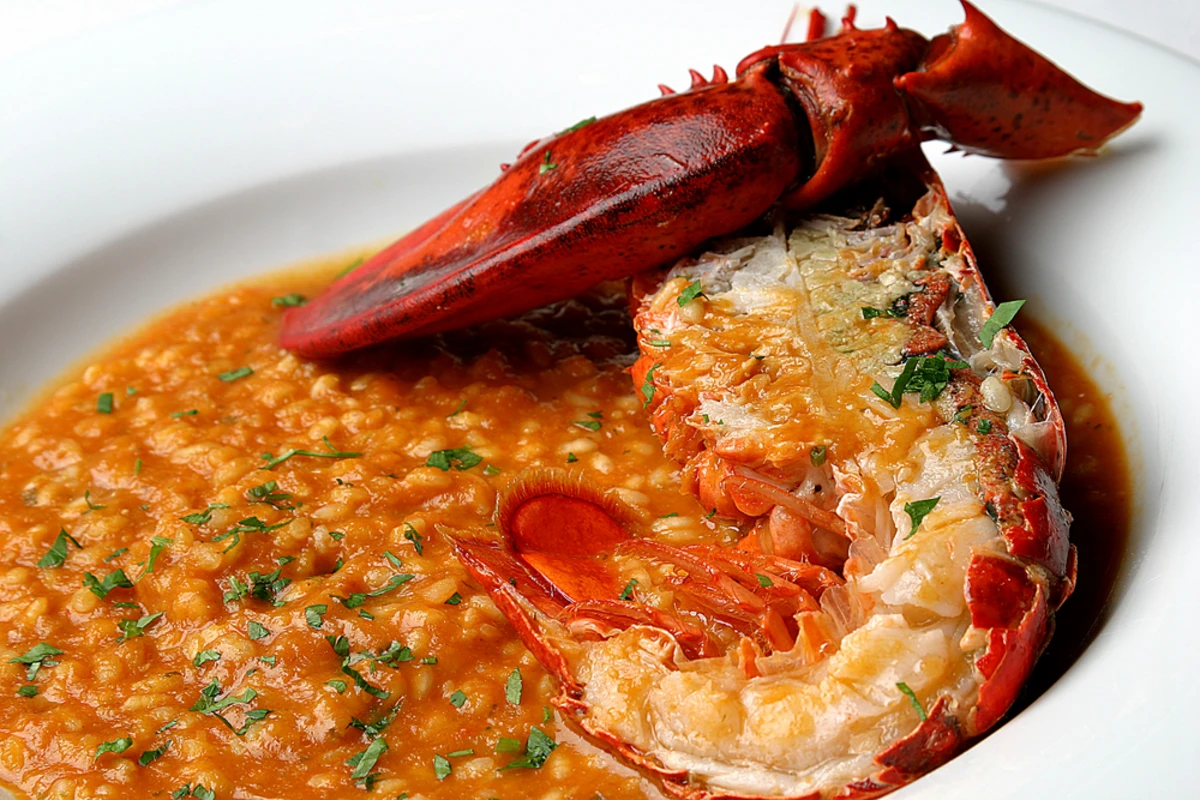
Lobster Risotto with Wine Pairing: A Luxe Yet Doable Feast
Lobster Risotto: A Restaurant-Quality Classic You Can Make at Home
Few dishes say "special occasion" quite like lobster risotto. Creamy, silky rice, sweet chunks of lobster, and a whisper of lemon and parmesan come together in a bowl that feels like it belongs in a white-tablecloth restaurant—yet you can absolutely pull it off in your own kitchen. Even better, this dish is a dream for wine lovers, inviting everything from elegant Chardonnay to refined sparkling wine to the table.
In this guide, you’ll get a step-by-step lobster risotto recipe, pro tips to nail that perfect texture, and expert wine pairing ideas with bottles you can easily find at places like Total Wine, Trader Joe’s, BevMo, and good local wine shops. Along the way, you’ll see how Vinomat can help you fine-tune your pairings to your exact taste.
About This Dish
At its heart, lobster risotto is a luxurious spin on one of Italy’s most comforting staples: risotto. Traditional risotto hails from Northern Italy—regions like Piedmont and Lombardy—where short-grain rice varieties such as Arborio, Carnaroli, and Vialone Nano are slowly cooked with stock until creamy and tender. Classic versions spotlight ingredients like saffron (risotto alla Milanese), seafood, mushrooms, or seasonal vegetables.
When you bring lobster into the mix, you take that classic Italian comfort and dress it up for a celebration. Lobster adds a sweet, briny richness and a subtle ocean aroma that makes each bite feel both cozy and sophisticated. It’s the kind of dish that shows up on tasting menus and at romantic dinners, yet with a bit of patience and the right technique, it’s entirely accessible for the home cook.
American food culture has embraced this style of lobster risotto recipe, often blending Italian technique with New World creativity—extra herbs, lemon, or a touch of spice. While TV shows and celebrity chefs (think of a polished, restaurant-style Gordon Ramsay lobster risotto recipe vibe) may make it look intense, the fundamentals are straightforward: hot stock, gradual additions, and steady stirring.
What makes this version special is the use of lobster shells to deepen the stock, classic Arborio rice for that signature creaminess, and a smart balance of acidity, umami, and gentle heat. It’s rich but not heavy, elegant but not fussy—perfect for pairing with expressive white wines, sparkling wines, or even certain light reds.
Key Ingredients & Their Role
To make the best lobster risotto recipe, every ingredient has a job to do. Here’s how they work together—and how they inform your wine pairing choices.
- Lobster & Lobster Shells
The lobster meat is the star: sweet, succulent, and delicately briny. The shells are simmered with stock, fennel seeds, bay leaf, and tomato paste to create a deeply flavored lobster stock. This layering of flavor adds umami and sweetness, which calls for wines with good acidity and enough intensity to stand up to the richness.
- Arborio Rice
This short-grain Italian rice is essential. Its high starch content gradually releases into the cooking liquid, creating that iconic creamy texture without needing loads of cream. Arborio gives the dish body and a luxurious mouthfeel, which pairs beautifully with medium- to full-bodied whites like barrel-aged Chardonnay or rich blancs de blancs sparkling wine.
- Lobster Stock & Tomato Paste
Lobster stock is your flavor backbone. Tomato paste adds sweetness, color, and umami, rounding out the savory depth. Together, they create a savory, slightly oceanic profile. Wines with bright acidity and citrus or stone-fruit notes help cut through that richness and keep the palate refreshed.
- Shallots & Garlic
Finely chopped shallots and garlic form the aromatic base. Shallots bring gentle sweetness, garlic adds warmth and depth. This classic soffritto-like start is especially friendly to Old World whites from France and Italy, which often have savory, herbal nuances.
- Dry White Wine (in the pan)
A splash of dry white wine deglazes the pan and adds acidity and complexity. Use something you’d be happy to drink—a crisp Sauvignon Blanc, unoaked Chardonnay, or Pinot Grigio works well. This echoes the style of wine you’ll want in your glass: fresh, vibrant, and food-friendly.
- Parmesan Cheese & Butter
Finely grated parmesan and butter stirred in at the end make the risotto glossy, creamy, and intensely savory. This is where you get richness and umami. Wines need either matching weight (like a creamy California Chardonnay) or cleansing acidity (like Champagne or Cava) to balance the dish.
- Lemon Juice & Cayenne Pepper
Lemon brightens everything, lifting the flavors so the dish never feels heavy. A small pinch of cayenne adds gentle heat, which plays nicely with wines that have ripe fruit and not too much oak or tannin. Avoid very high-alcohol, heavily oaked whites or big tannic reds—they can accentuate the spice.
- Fresh Parsley
Parsley adds color and a fresh, herbal finish. That green, aromatic note resonates with wines that show herbal or citrus peel character, such as Sauvignon Blanc from California or Sancerre, and many Italian whites.
With these components, your lobster risotto recipes Italian in spirit but flexible enough to match a wide range of wines. Vinomat can help you fine-tune based on whether you prefer more citrus, oak, or minerality in your glass.
Recipe
Prep Time | 60 minutes Cook Time | 15 minutes Total Time | 75 minutes Servings | 4 Difficulty | Advanced
Ingredients:
- 2 lobsters Cooked lobster
- 1.5 cups Arborio rice
- From 2 lobsters Lobster shells
- 1/2 cup Dry white wine
- 2 (finely chopped) Shallots
- 2 cloves (minced) Garlic
- 1 tbsp Tomato paste
- 1 tsp Fennel seeds
- 1 Bay leaf
- 4 cups Lobster stock
- 1/2 cup (finely grated with a microplane) Parmesan cheese
- 2 tbsp Olive oil
- 3 tbsp Unsalted butter
- 1 tbsp (freshly squeezed) Lemon juice
- 1/4 tsp Cayenne pepper
- 2 tbsp (finely chopped) Fresh parsley
- To taste Salt
- To taste Black pepper
Instructions:
- Start by making the mise en place. Finely chop the shallots and parsley, mince the garlic, grate the parmesan, and have all ingredients measured and ready.
- In a large pot, heat 1 tbsp olive oil over medium heat. Add the lobster shells, fennel seeds, and bay leaf. Sauté for 5 minutes to extract the flavors.
- Add the tomato paste to the pot and cook for 2 more minutes. Pour in 4 cups of lobster stock and bring to a simmer. Let it cook for 15–20 minutes, then strain the stock and keep it warm.
- In a deep pan, heat 1 tbsp olive oil and 2 tbsp butter over medium heat. Sauté the shallots and garlic until softened, about 3 minutes.
- Add the Arborio rice to the pan and cook for 1–2 minutes, stirring constantly, until the rice is lightly toasted.
- Pour in the white wine and cook until almost fully absorbed, stirring constantly.
- Begin adding the warm lobster stock, one ladle at a time, stirring continuously. Wait for each ladle to be nearly absorbed before adding the next. Continue this process for 18–20 minutes until the rice is creamy and al dente.
- While the risotto is cooking, prepare the lobster meat. Extract the meat from the claws and tails, keeping some pieces intact for presentation.
- When the rice is ready, stir in the remaining 1 tbsp butter, grated parmesan, lemon juice, and cayenne pepper. Season with salt and black pepper to taste.
- Gently fold the lobster meat (except the pieces reserved for garnishing) into the risotto.
- Plate the risotto in wide, shallow bowls. Garnish each portion with lobster claw meat and a sprinkle of parsley.
- Serve immediately for a luxurious and flavor-packed presentation.
Nutrition Facts (per serving):
- Calories: 500 kcal
- Protein: 32.0g
- Fat: 22.0g
- Carbohydrates: 55.0g
- Salt: 2.5g
Dietary Information:
Contains gluten, Contains dairy, Nut-free
Perfect Wine Pairings for Lobster Risotto
Because lobster risotto is rich, creamy, and subtly briny, the best wine pairings offer a mix of brightness, texture, and elegance. You’re looking for wines with:
- Medium body (to match the weight of the dish)
- Fresh acidity (to cut through butter and parmesan)
- Moderate or well-integrated oak (if any)
- No harsh tannins (tannic reds will clash with the seafood)
Here are four excellent styles to explore, all with options in the $15–$30 range at Total Wine, Trader Joe’s, BevMo, and good local shops.
1. Creamy but Fresh Chardonnay
A classic match for any lobster risotto recipe. Look for:
- Region: California (Sonoma Coast, Carneros, Santa Barbara), or white Burgundy from France
- Style: Medium to full-bodied, with citrus, apple, or stone fruit, and subtle oak
The buttery texture and toasted notes in these wines echo the butter and parmesan in the risotto, while the acidity keeps every bite feeling lifted. At Total Wine or BevMo, look for Sonoma or Carneros Chardonnay around $18–$25; at Trader Joe’s, many private-label California Chardonnays fit the bill.
2. Elegant Sparkling Wine (Champagne, Cava, or Quality U.S. Bubbles)
Sparkling wine and lobster risotto are a natural pair. The bubbles cleanse the palate after each creamy bite.
- Region: Champagne (France), Cava (Spain), or high-quality California sparkling wine
- Profile: High acidity, fine bubbles, notes of citrus, brioche, and green apple
A non-vintage Brut Champagne is perfect if you’re splurging. For everyday luxury, try Spanish Cava or a well-made domestic sparkling in the $15–$25 range, widely available at BevMo and Total Wine. Vinomat can help you compare different producers to match your preferred dryness level.
3. Crisp, Mineral-Driven Whites (Sauvignon Blanc, Vermentino, Albariño)
If you prefer something leaner and brighter, these options highlight the oceanic, lemony side of the dish.
- Sauvignon Blanc: From California (Napa, Sonoma) or Washington State, with citrus, green apple, and herbal notes.
- Vermentino or Albariño: Italian or Spanish imports with salinity and stone fruit.
These wines provide a zesty contrast to the creamy risotto, especially when the lemon juice and cayenne in the dish are noticeable. Trader Joe’s often has value-priced Albariño and Italian whites; Total Wine and local shops carry a wide selection from coastal regions.
4. Light, Silky Pinot Noir (for Red Wine Lovers)
If you or your guests strongly prefer red, a carefully chosen Pinot Noir can work with lobster risotto, especially versions with a bit more earthiness and not too much oak.
- Region: Oregon (Willamette Valley), Sonoma Coast, or Burgundy (Bourgogne Rouge)
- Profile: Light body, bright red fruit (cherry, raspberry), low tannin, fresh acidity
Serve it slightly cool (about 55°F) to keep it refreshing. The gentle tannins and bright fruit can complement the sweet lobster meat without overwhelming the dish.
Use Vinomat to dial in your pairing: tell the app if your risotto is extra lemony, extra cheesy, or spicier, and it will suggest the best style and producer matches.
Cooking Tips & Techniques
Cooking lobster risotto is more about attention than difficulty. A few smart techniques will guarantee success:
- Keep the stock hot, not boiling. Warm stock absorbs more smoothly into the rice and helps the starch release gradually. If the stock is cold, it will shock the rice and slow down cooking.
- Toast the rice properly. After adding Arborio, stir it in the fat (olive oil and butter) for 1–2 minutes until it’s glossy and just lightly toasted. This step builds flavor and helps the grains stay distinct while still becoming creamy.
- Add liquid slowly and stir regularly. Ladle in stock one scoop at a time, letting each addition be mostly absorbed before you add more. You don’t have to stir nonstop, but regular stirring massages the starch from the rice and prevents sticking.
- Aim for al dente, creamy rice. The finished risotto should be creamy and flow slowly on the plate, with rice grains that are tender but still have a slight bite in the center.
- Season in layers. Taste the stock before you start to be sure it’s well seasoned, but not too salty (it will concentrate). Adjust salt and pepper at the end after adding parmesan, which is naturally salty.
- Add lobster at the end. Fold in the lobster meat gently toward the end of cooking so it warms through without overcooking. Overcooked lobster can become rubbery.
- Finish off the heat. Once the rice is al dente, remove from the heat, stir in butter, parmesan, lemon juice, and any final seasonings. Let it rest for a minute so the texture settles into silky perfection.
If you’ve ever watched a lobster risotto recipe Gordon Ramsay style on TV and felt nervous, remember: you’re in your own kitchen, not on a timed cooking show. Go slowly, taste often, and let the rice guide you.
Serving Suggestions
Presentation matters with a dish as elegant as lobster risotto. A few small touches make it feel like a restaurant experience at home:
- Use wide, shallow bowls or plates. Spread the risotto gently so it forms a soft, even layer that slowly relaxes on the plate—a sign of proper creaminess.
- Highlight the lobster. Reserve the best claw and tail pieces for the top of each serving. This instantly signals what’s in the dish.
- Finish with color and aroma. A sprinkle of finely chopped parsley, a few grinds of black pepper, and a light drizzle of good olive oil on top add freshness and visual appeal.
- Serve immediately. Risotto waits for no one. Have your guests seated, your wine poured, and your sides ready before you finish the dish.
For a fuller meal, serve lobster risotto with:
- A simple green salad with lemony vinaigrette (to echo the acidity in your wine)
- Lightly roasted asparagus or green beans
- Crusty bread for those who want to swipe up every last bit of sauce
Dim the lights a little, put on some music, pour that glass of Chardonnay or sparkling wine, and you’ve got a date-night-worthy experience—all without leaving home.
Conclusion
Bringing lobster risotto into your home kitchen is one of those rare moves that feels both ambitious and totally doable. With this step-by-step lobster risotto recipe, a bit of patience, and thoughtful wine pairing, you can create a meal that rivals a high-end restaurant.
Whether you’re in the mood for California Chardonnay, Oregon Pinot Noir, or a bright European white, Vinomat makes it easy to find the perfect bottle—from Trader Joe’s and BevMo staples to gems at your local shop. Fire up the stove, open a bottle, and let this luxurious, Italian-inspired bowl turn an ordinary evening into something memorable.