


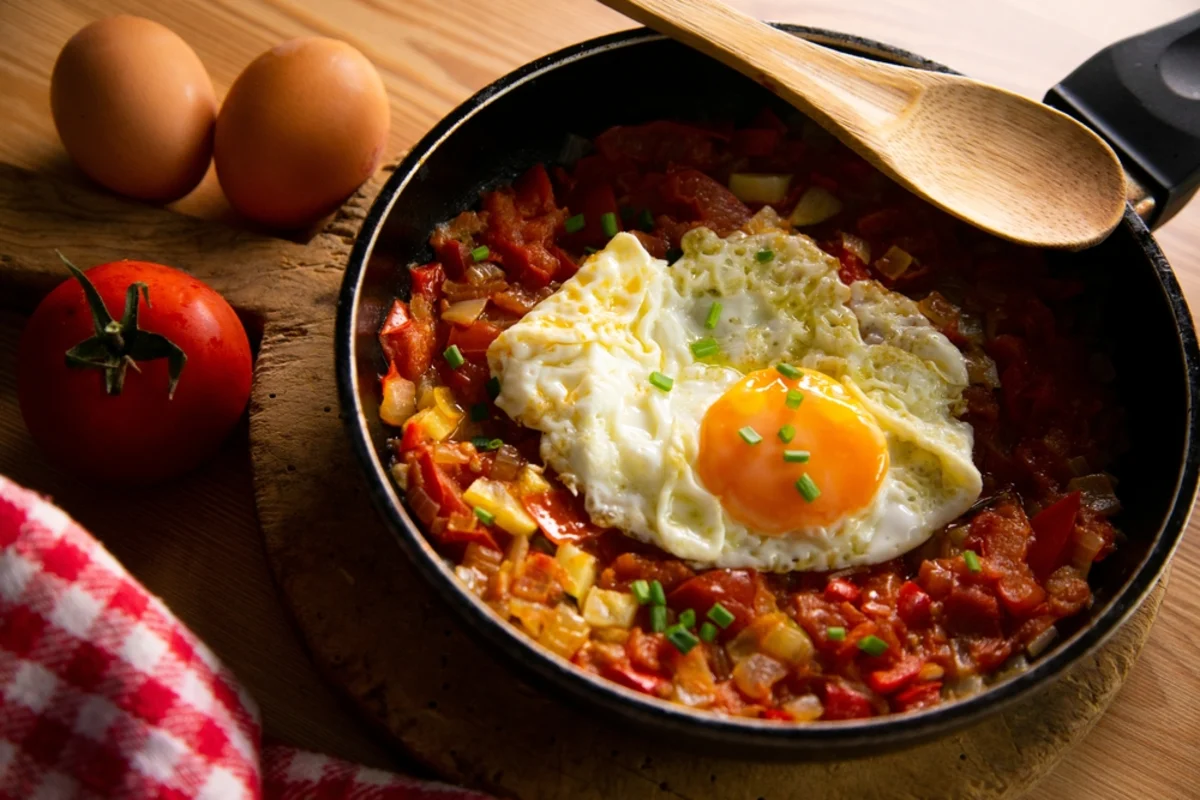
Manchego Ratatouille & Wine Pairing: A Spanish Comfort Classic
Manchego Ratatouille & Wine Pairing: A Cozy Spanish Classic for American Tables
If you love simple, rustic dishes that taste like they simmered all afternoon, Manchego ratatouille (known in Spain as pisto manchego) belongs in your weeknight rotation. Think sweet, jammy tomatoes, tender bell peppers and zucchini, silky onions, and a runny fried egg on top. It’s naturally gluten-free, dairy-free, and budget-friendly, but feels like something you’d order in a little tapas bar.
And because this dish leans into sweet tomato and umami-rich vegetables, it’s a dream for wine pairing. A juicy Spanish red, a silky Oregon Pinot Noir, or even a crisp white from California can be the perfect match for this Mediterranean-style recipe. With a short ingredient list and under an hour from start to finish, Manchego ratatouille is ideal for home cooks who want big flavor without fuss—and wine lovers who want an easy, smart wine recommendation they can grab at Total Wine, Trader Joe’s, BevMo, or their local shop.
Vinomat can help you dial in the perfect match for your exact bottle, but let’s start with the recipe and some go-to pairings you can count on.
About This Dish
Manchego ratatouille, or pisto manchego, comes from the Castilla–La Mancha region of Spain, the same windswept plateau that gave the world Don Quixote and Manchego cheese. In Spain, it’s often described as the local answer to French ratatouille: a slow-cooked mix of seasonal vegetables, olive oil, and tomatoes that turns humble produce into something luxurious and spoonable.
Traditionally, pisto is served in a few classic ways: topped with a fried egg (pisto con huevo), with slices of Manchego cheese (pisto manchego), or alongside grilled meats and crusty bread. The version here uses a silky vegetable base crowned with fried eggs, making it perfect for brunch, a light dinner, or a tapas-style spread.
What makes this dish special is its simplicity. The ingredients are everyday pantry staples—tomatoes, peppers, zucchini, onion, garlic, and eggs—but the technique transforms them. Slow simmering concentrates the sweetness of the tomatoes and peppers, while olive oil lends a velvety richness. The fried egg adds a creamy, savory layer as the yolk runs into the vegetables.
For American home cooks, Manchego ratatouille is a flexible hero: it can be a meatless main, a side dish, or a brunch centerpiece. It’s also incredibly wine-friendly. The sweet tomato base and gentle umami notes invite medium-bodied reds with soft tannins, bright whites with good acidity, and even some rosés. That versatility means you can grab a bottle in the $15–$30 range at your usual spots and still hit a restaurant-level wine pairing.
Key Ingredients & Their Role
This recipe keeps the ingredient list short and focused, which is great for both cooking and choosing a wine for Manchego ratatouille.
Tomatoes
Ripe tomatoes form the backbone of the dish, bringing natural sweetness, gentle acidity, and that classic umami depth you expect from a long-simmered sauce. Blanching and peeling them gives the ratatouille a silky texture, free of tough skins.
From a wine perspective, this tomato-acid balance is crucial. You want wines with enough acidity to stand up to the sauce—think Spanish Tempranillo, Chianti, or a lively Oregon Pinot Noir—so the pairing feels bright rather than flat.
Bell Peppers
Red and yellow bell peppers add sweetness, color, and a subtle fruitiness. As they cook down, they become almost jammy, which nudges you toward wines with ripe red fruit flavors rather than aggressively tannic profiles.
That’s why medium-bodied reds like Rioja Crianza or California Grenache work so well: they mirror the sweetness and fruit in the peppers without overwhelming them.
Zucchini
Zucchini brings a soft, mellow, almost creamy texture once it’s sautéed and simmered. Its flavor is gentle, so it acts as a sponge for olive oil, tomato juices, and aromatics. It also lightens the overall profile, making the dish suitable for lighter reds and fuller-bodied whites.
If you love whites, this is your opening: a Spanish Verdejo, an unoaked California Chardonnay, or a Washington State Sauvignon Blanc can all be a beautiful, food-friendly wine pairing here.
Onion & Garlic
Onion and garlic are the aromatic base, contributing sweetness (onion) and savory punch (garlic) that deepen the dish’s umami core. As the onion softens and turns translucent, it rounds out any sharp edges from the tomato.
Wines with herbal or spicy notes—like some Tuscan Sangiovese or a Washington State Syrah—play nicely with that savory backbone, especially if you like a slightly more structured wine for Manchego ratatouille.
Eggs
The fried egg on top is what turns this from a side dish into a full meal. The runny yolk behaves almost like a sauce, enriching every bite and adding fat and umami.
Because of that yolk richness, wines with silky texture and moderate tannins shine. You don’t need a big, oaky, high-tannin red; instead, think smooth, medium-bodied reds or creamy whites with good acidity. This is where an Oregon Pinot Noir or a well-balanced California Chardonnay can be the perfect match.
Extra Virgin Olive Oil & Chives
Good extra virgin olive oil provides fruitiness and a luxurious mouthfeel, while chives add a fresh, green, lightly oniony note at the end. Together, they brighten the dish and keep it from feeling heavy.
That final hit of freshness is your cue for wines with lift and aromatics—crisp whites, vibrant rosés, and reds with good acidity.
Recipe
| Prep Time | 30 minutes |
|---|---|
| Cook Time | 10 minutes |
| Total Time | 40 minutes |
| Servings | 4 |
| Difficulty | Easy |
Ingredients:
- 6 (medium) Tomato (ripe)
- 2 (medium) Red bell pepper
- 1 (medium) Yellow bell pepper
- 1 (medium) Zucchini
- 1 (large) Onion
- 3 Garlic cloves
- 4 tbsp Extra virgin olive oil
- 4 Eggs
- to taste Salt
- to taste Freshly ground black pepper
- 2 tbsp (chopped) Chives (for garnish)
Instructions:
- Peel the tomatoes by blanching: make a small cross at the bottom of each tomato, boil them for 30 seconds, and immediately place them in ice water. Remove the skin, dice the tomatoes, and set them aside.
- Finely chop the onion and garlic. Dice the red and yellow bell peppers as well as the zucchini into small uniform cubes.
- Heat 3 tbsp of olive oil over medium heat in a large skillet. Sauté the onion until soft and translucent, about 5 minutes.
- Add the garlic, red and yellow bell peppers, and zucchini to the skillet. Cook for another 10 minutes, stirring occasionally.
- Add the diced tomatoes to the skillet, season with salt and freshly ground black pepper to taste, and let the mixture simmer uncovered on low heat for 15 minutes. Stir occasionally to ensure the vegetables don’t stick.
- In a separate non-stick pan, heat the remaining 1 tbsp of olive oil over medium heat. Crack the eggs into the pan and cook until the whites are set but the yolks remain runny (about 3-4 minutes). Season lightly with a pinch of salt.
- Spoon the vegetable mixture evenly onto four plates or serve directly from the skillet for a rustic presentation. Place a fried egg on top of each portion.
- Garnish with chopped chives. Serve immediately and enjoy your Pisto Manchego.
Nutrition Facts (per serving):
- Calories: 180 kcal
- Protein: 7.0g
- Fat: 9.0g
- Carbohydrates: 18.0g
- Salt: 1.2g
Dietary Information: Gluten-free, Dairy-free, Nut-free
Perfect Wine Pairings
Because Manchego ratatouille is built on sweet tomatoes, peppers, olive oil, and eggs, it’s incredibly flexible when it comes to wine pairing. Here are styles that consistently perform as a perfect match, all within the typical $15–$30 range and widely available in the United States.
1. Spanish Tempranillo (Rioja or Ribera del Duero)
Staying in Spain is the most intuitive wine recommendation.
- Why it works: Tempranillo often shows red cherry, plum, and subtle spice, with medium body and balanced acidity—ideal with tomato-based dishes.
- What to look for:
- Style: Crianza or young Reserva (not too oaky)
- Profile: medium tannins, bright acidity, red fruit, gentle oak spice
- Where to buy: Look for Rioja Crianza at Total Wine, BevMo, or your local shop in the $15–$22 range. Trader Joe’s often stocks Spanish reds with excellent value.
With Manchego ratatouille, Tempranillo’s acidity cuts through the olive oil and egg yolk, while its red fruit echoes the sweetness of the tomatoes and peppers.
2. Oregon Pinot Noir
If you love American wines, Oregon Pinot Noir might be your best wine for Manchego ratatouille.
- Why it works: Pinot from Oregon typically has bright red fruit (cranberry, cherry), earthy tones, and lively acidity. It’s complex but not overpowering.
- What to look for:
- AVA: Willamette Valley is a great starting point
- Profile: light to medium body, silky tannins, good acidity
- Where to buy: Widely available at Total Wine and many grocery stores around $20–$30; you may also find house-label bottles at Trader Joe’s.
The wine’s red fruit and subtle earthiness highlight both the natural sweetness and the savory, slow-cooked depth of the vegetables.
3. Spanish or California Rosé
For something ultra-versatile, especially in warmer weather, a dry rosé is a smart wine pairing choice.
- Why it works: Rosés from Spain (often Tempranillo or Garnacha-based) and from California have bright acidity, red berry fruit, and a refreshing finish—perfect against the richness of the olive oil and egg.
- What to look for:
- Style: Dry rosé (not sweet)
- Profile: strawberry, watermelon, citrus, crisp acidity
- Where to buy: Check the rosé section at BevMo or Total Wine for Spanish Garnacha rosé in the $12–$18 range; Trader Joe’s frequently has seasonal rosé deals.
Rosé is especially good if you serve this dish at brunch or with a spread of salads and charcuterie.
4. White Options: Verdejo, Sauvignon Blanc, or Unoaked Chardonnay
If you prefer white wine, aim for freshness and texture.
- Spanish Verdejo: From Rueda, usually citrusy, with a touch of herbal character and a soft, rounded palate—great with tomato and peppers.
- Washington State or California Sauvignon Blanc: High acidity and citrus/herbal notes that brighten the dish.
- Unoaked or lightly oaked Chardonnay: From California or Washington, with enough body to stand up to the egg and olive oil but not so much oak that it overpowers the vegetables.
All three styles are easy to find at Total Wine, BevMo, and many supermarkets in the $15–$25 range. Use Vinomat to fine-tune a wine recommendation within these categories based on what you have on hand.
Cooking Tips & Techniques
A few simple techniques will take your Manchego ratatouille from good to restaurant-worthy.
Take Your Time with Vegetables
- Sweat the onion slowly: Cook over medium heat until fully soft and translucent. Rushing this step can leave harsh, undercooked onion flavors.
- Uniform dice: Keep your bell peppers and zucchini in similar-sized cubes so they cook evenly and don’t turn to mush.
Control Moisture and Texture
- Peel the tomatoes: Blanching and peeling gives a smoother texture. Skins can float around and feel tough in the final dish.
- Simmer uncovered: Let excess liquid evaporate so the vegetables become a cohesive, spoonable mixture rather than soupy.
- Stir occasionally, not constantly: Too much stirring breaks the vegetables down; occasional stirring prevents sticking without destroying texture.
Fry the Eggs Just Right
- Moderate heat: Use medium heat so the whites set without overcooking the yolks.
- Sunny-side up or over-easy: Both work; just keep the yolk runny so it mingles with the vegetables like a built-in sauce.
Seasoning & Make-Ahead Tips
- Season in layers: Lightly salt when you add the peppers and zucchini, then adjust again after the tomatoes have reduced.
- Make ahead: The vegetable base keeps well in the fridge and even improves after a day as flavors meld. Reheat gently and fry fresh eggs before serving.
These techniques not only improve the dish but also its wine pairing potential: well-cooked vegetables with balanced seasoning are much easier to match with wine.
Serving Suggestions
Manchego ratatouille is incredibly adaptable, which is part of its charm.
- As a main dish: Serve in wide, shallow bowls or small cast-iron skillets with a fried egg on top and a sprinkle of chives. Add crusty bread or toasted baguette slices to soak up the juices and egg yolk.
- Tapas-style: Spoon smaller portions into ramekins, top each with a quail egg or half an egg, and serve alongside olives, marinated mushrooms, and cured meats.
- Brunch spread: Pair with roasted potatoes, a simple green salad, and a chilled Spanish rosé or California sparkling wine for an easy but impressive weekend brunch.
For a full dining experience, set the table simply: warm plates, a carafe of water with lemon, and a couple of wine pairing options open—perhaps a Spanish Tempranillo and an Oregon Pinot Noir. Let guests taste and decide which is their perfect match. If you’re not sure what to pour, open the Vinomat app, plug in “Manchego ratatouille,” and get an instant wine recommendation tailored to what’s in your rack or on the shelf at your nearest Total Wine or Trader Joe’s.
Conclusion
Manchego ratatouille is proof that a handful of everyday ingredients—tomato, bell pepper, zucchini, onion, garlic, and eggs—can turn into a deeply satisfying, restaurant-quality dish at home. Its sweet, umami-rich flavors and silky textures make it one of the most forgiving and fun dishes for wine pairing, whether you reach for a Spanish Tempranillo, Oregon Pinot Noir, or a crisp white.
Use this recipe as your base, then let Vinomat guide you to the perfect match from your local shelves at Total Wine, Trader Joe’s, BevMo, or your neighborhood wine shop. Each time you cook it, try a new wine for Manchego ratatouille—and turn a simple weeknight meal into a small, delicious tasting adventure.