


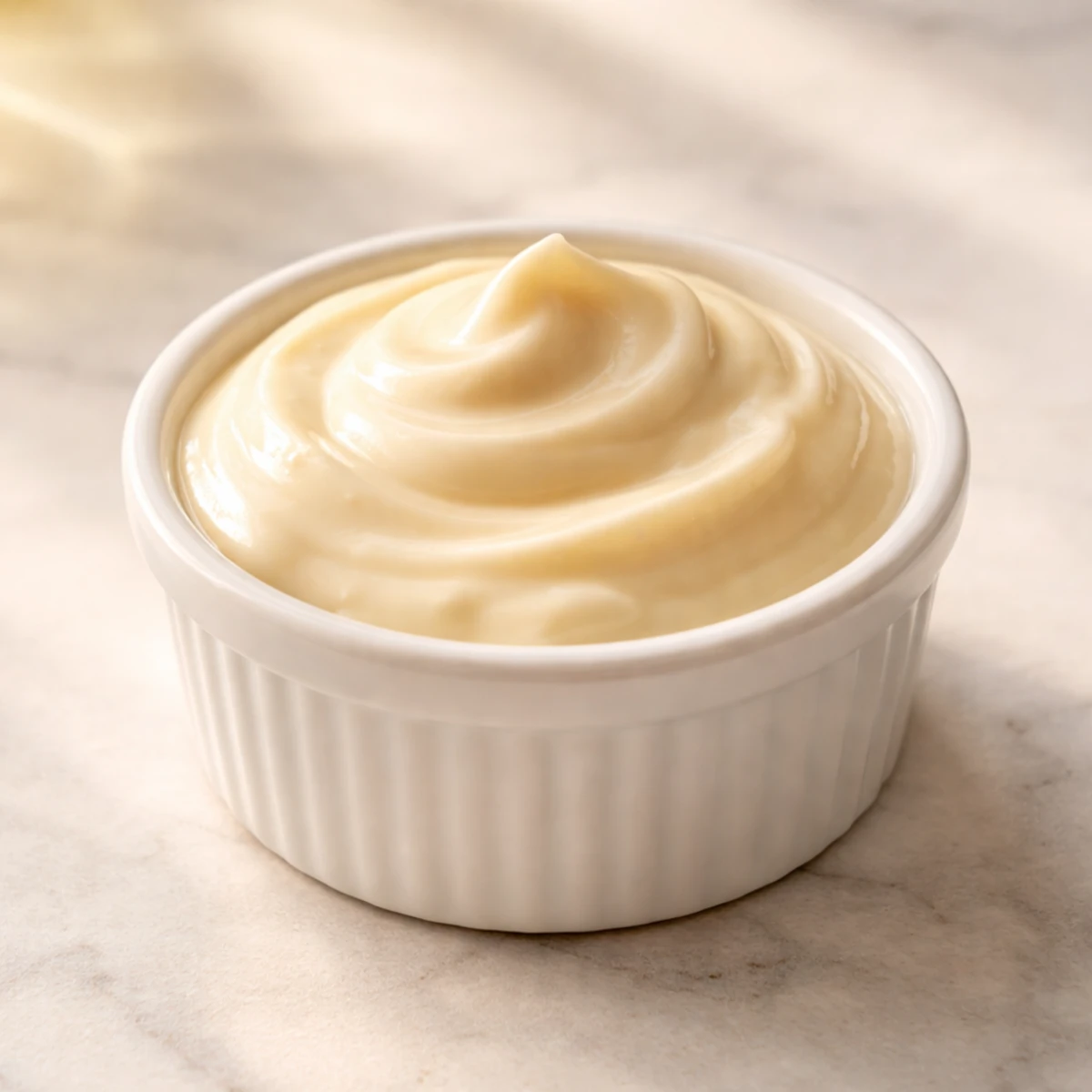
Mayonnaise Recipe and Wine Pairing: A Creamy Guide
Introduction
Mayonnaise may be one of the simplest sauces in the kitchen, but it has a way of transforming everything it touches. A spoonful can turn a plain sandwich into something luxurious, bring roasted vegetables to life, or give seafood that silky finish diners love. At its best, mayonnaise is rich, tangy, and beautifully balanced—a creamy emulsion that feels both familiar and elegant. That balance is exactly why it opens the door to thoughtful wine pairing.
For home cooks in the United States, mayonnaise is also a deeply practical staple. It shows up in potato salad, coleslaw, tuna salad, deviled eggs, aioli-style dips, and countless weeknight recipes. Yet it is often overlooked as a dish worthy of a serious wine recommendation. The truth is that mayonnaise can be surprisingly friendly to wine, especially when you pay attention to acidity, texture, and the mustardy brightness in the sauce.
In this guide, we’ll explore the story behind mayonnaise, break down the ingredients that make it work, and share a reliable recipe you can make at home. Then we’ll get into the fun part: finding the perfect match in wine.
About This Dish
Mayonnaise has a long and somewhat debated culinary history, with roots often traced to French cuisine, though its exact origin remains a subject of friendly food lore. What is certain is that it became a defining sauce in European cooking before making its way into American kitchens, where it evolved into an everyday essential. In the United States, mayonnaise is less a luxury than a household constant—something that appears in deli counters, picnic tables, and family gatherings across the country.
Its cultural significance comes from its versatility. Mayonnaise is not just a condiment; it is a base, a binder, a balancing agent, and a texture builder. It can mellow sharp flavors, add richness to lean proteins, and create the creamy mouthfeel that makes salads and sandwiches feel complete. Because it is so adaptable, mayonnaise sits comfortably in a wide range of American food traditions, from Southern-style salads to coastal seafood dishes and modern sandwich culture.
What makes mayonnaise especially interesting from a wine pairing perspective is its flavor profile. The sauce is rich but not heavy, tangy but not aggressively acidic, and neutral enough to support many dishes without overwhelming them. That means the wine recommendation often depends on how mayonnaise is being served. On its own, or as part of a simple dish, it tends to favor wines with freshness, restraint, and a clean finish. In other words, mayonnaise may be humble, but it is absolutely capable of a smart, satisfying wine pairing.
Key Ingredients & Their Role
At its core, mayonnaise is a study in balance. The classic formula relies on egg yolk, oil, and Dijon mustard, with a little acid and seasoning helping everything come together. Each ingredient plays a specific role, and the magic happens when they emulsify into a smooth, glossy sauce.
Egg yolk is the foundation. It contains lecithin, which helps bind water and fat into a stable emulsion. Flavor-wise, it adds richness, a subtle savory note, and that unmistakable creamy depth that makes mayonnaise feel indulgent. From a wine pairing perspective, egg yolk contributes body and softness, which means wines with crisp acidity tend to work especially well.
Oil provides the bulk and silkiness of the sauce. A neutral oil keeps the flavor clean, while a more characterful oil can add grassy, peppery, or fruity notes. Because oil creates a rich mouthfeel, it can make wine taste sharper if the wine lacks enough acidity. That is why a good wine for mayonnaise usually has freshness and lift.
Dijon mustard brings the tang. It adds brightness, gentle heat, and a savory edge that keeps the sauce from feeling flat. This tangy component is especially important for wine pairing because it makes mayonnaise more compatible with wines that have lively acidity and subtle aromatic complexity. A wine recommendation with citrus, green apple, pear, or mineral notes can be a very good fit.
When these ingredients come together, the result is rich, tangy, and smooth—an ideal canvas for many dishes. That versatility is what makes mayonnaise such an interesting recipe to pair with wine. The best perfect match will usually be a wine that refreshes the palate without fighting the sauce’s creamy texture.
Recipe
Homemade Mayonnaise Recipe
Prep Time: 10 minutes Cook Time: 0 minutes Total Time: 10 minutes Servings: 8 Difficulty: Easy
Ingredients
- 1 large egg yolk, at room temperature
- 1 tablespoon Dijon mustard
- 1 tablespoon lemon juice or white wine vinegar
- 1 cup neutral oil, such as canola, grapeseed, or light olive oil
- 1/4 teaspoon fine salt, or to taste
- 1/4 teaspoon white pepper, optional
Instructions
- In a medium bowl, whisk together the egg yolk, Dijon mustard, and lemon juice or vinegar until smooth.
- Very slowly, begin adding the oil in a thin stream while whisking constantly. Start with just a few drops at a time.
- As the mixture begins to thicken, you can add the oil a little more steadily, but keep whisking to maintain the emulsion.
- Once all the oil is incorporated, whisk in the salt and white pepper.
- Taste and adjust seasoning if needed. For a looser texture, whisk in a teaspoon of water or lemon juice.
- Use immediately or transfer to an airtight container and refrigerate.
Nutrition Facts
Approximate per 2-tablespoon serving
- Calories: 180
- Total Fat: 20g
- Saturated Fat: 2g
- Cholesterol: 25mg
- Sodium: 140mg
- Carbohydrates: 0g
- Sugar: 0g
- Protein: 0g
Dietary Information
- Gluten-free
- Vegetarian
- Dairy-free
- Contains egg
- Not vegan
Perfect Wine Pairings
When it comes to wine pairing with mayonnaise, the goal is not to overpower the sauce. Instead, you want a wine with enough acidity to cut through the richness, enough texture to feel harmonious, and enough restraint to avoid clashing with the mustardy tang. The best wine recommendation for mayonnaise depends on how you’re serving it, but a few styles stand out as especially reliable.
1. California Sauvignon Blanc
A bright Sauvignon Blanc from Napa or Sonoma is one of the most dependable choices. Look for crisp acidity, citrus notes, green apple, and a clean finish. These wines refresh the palate and work beautifully with the creamy texture of mayonnaise. If you’re serving mayonnaise with seafood, chicken salad, or vegetables, this is a strong perfect match. Many excellent bottles can be found at Total Wine, Trader Joe’s, or local wine shops in the $15-30 range.
2. Oregon Pinot Gris
Oregon Pinot Gris offers a little more texture than Sauvignon Blanc while still keeping the acidity lively. It often brings pear, melon, and subtle floral notes that play nicely with the tang in mayonnaise. This is a particularly smart wine for Mayonnaise when the sauce is part of a richer dish, such as potato salad or a crab sandwich. It’s widely available in the U.S. and often offers strong value at grocery stores and BevMo.
3. Washington State Chardonnay, Unoaked or Lightly Oaked
If you want a wine with a touch more body, an unoaked or lightly oaked Chardonnay from Washington State can be excellent. The key is to avoid heavy butter and oak, which can make the pairing feel too rich. Instead, look for freshness, pear, apple, and mineral notes. This style can be a perfect match for mayonnaise-based chicken salad or roasted vegetable dishes.
4. French Muscadet or Spanish Albariño
For readers who enjoy Old World wines, Muscadet and Albariño are both outstanding choices. Muscadet brings saline minerality and brisk acidity, while Albariño offers citrus, stone fruit, and a lively, mouthwatering finish. Both styles are especially good with seafood dishes that use mayonnaise, such as shrimp salad or tuna sandwiches. These wines are commonly available at Total Wine and local specialty shops, often at approachable prices.
What to Look For
For the best wine pairing, focus on wines with:
- High acidity
- Medium or light body
- Clean, dry finishes
- Minimal tannin
- Fresh fruit or mineral-driven profiles
Avoid very tannic reds or overly oaky whites, which can make mayonnaise taste flat or overly heavy. If you’re unsure where to start, Vinomat can help you narrow down a wine recommendation based on the exact dish you’re serving and the bottle options near you.
Cooking Tips & Techniques
The biggest secret to making mayonnaise successfully is patience. The emulsion forms slowly, and rushing the oil is the most common mistake. If you pour too quickly, the sauce can break before it has a chance to thicken. Start with a few drops, whisk steadily, and let the mixture build structure before increasing the flow.
Temperature matters, too. Room-temperature ingredients emulsify more easily than cold ones, so take the egg yolk out ahead of time if possible. A stable bowl and a whisk with enough surface area will also help. If you’re nervous about making it by hand, a small food processor works well and gives you more control.
Another important tip: taste as you go. Dijon mustard varies in intensity, and some oils have more flavor than others. A great mayonnaise recipe should taste balanced, not greasy. If it seems too thick, whisk in a little water or lemon juice. If it tastes too sharp, a pinch more salt can round it out.
If your mayonnaise breaks, don’t panic. Start with a fresh egg yolk in a clean bowl and slowly whisk the broken mixture into it. This often brings the emulsion back together. It’s a simple technique, but it can save the whole batch.
Serving Suggestions
Homemade mayonnaise shines when served in ways that highlight its creamy, tangy character. Spoon it into a small bowl and serve it with crudités, roasted potatoes, grilled corn, or crispy fries. It also makes an excellent spread for sandwiches and burgers, where it adds moisture and richness without competing with other flavors.
For a more polished presentation, garnish the mayonnaise with a pinch of paprika, chopped herbs, or a few drops of olive oil. If you’re serving it alongside a wine pairing, keep the plate clean and balanced: think shrimp salad on butter lettuce, chicken with fresh herbs, or a simple tomato sandwich with a thin layer of mayo and flaky salt.
The setting matters, too. Mayonnaise feels right at home in casual summer meals, picnic spreads, and relaxed dinner parties. Pair it with chilled white wine, a bright salad, and good bread, and you have an easy but elevated meal that feels distinctly American and effortlessly enjoyable.
Conclusion
Mayonnaise is proof that simple recipes can still deliver serious flavor. With just a few ingredients, you get a rich, tangy sauce that can elevate everything from sandwiches to seafood. And because it has such a flexible flavor profile, it also offers plenty of room for smart wine pairing.
Whether you choose a crisp California Sauvignon Blanc, a textured Oregon Pinot Gris, or a mineral-driven French or Spanish white, the right bottle can turn this humble recipe into something memorable. For more personalized wine recommendation ideas, Vinomat makes it easy to discover your perfect match. Try the recipe, pour a glass, and enjoy how well mayonnaise and wine can work together.