


Spanish Migas Recipe & Wine Pairing: Rustic Comfort Meets Wine
Introduction
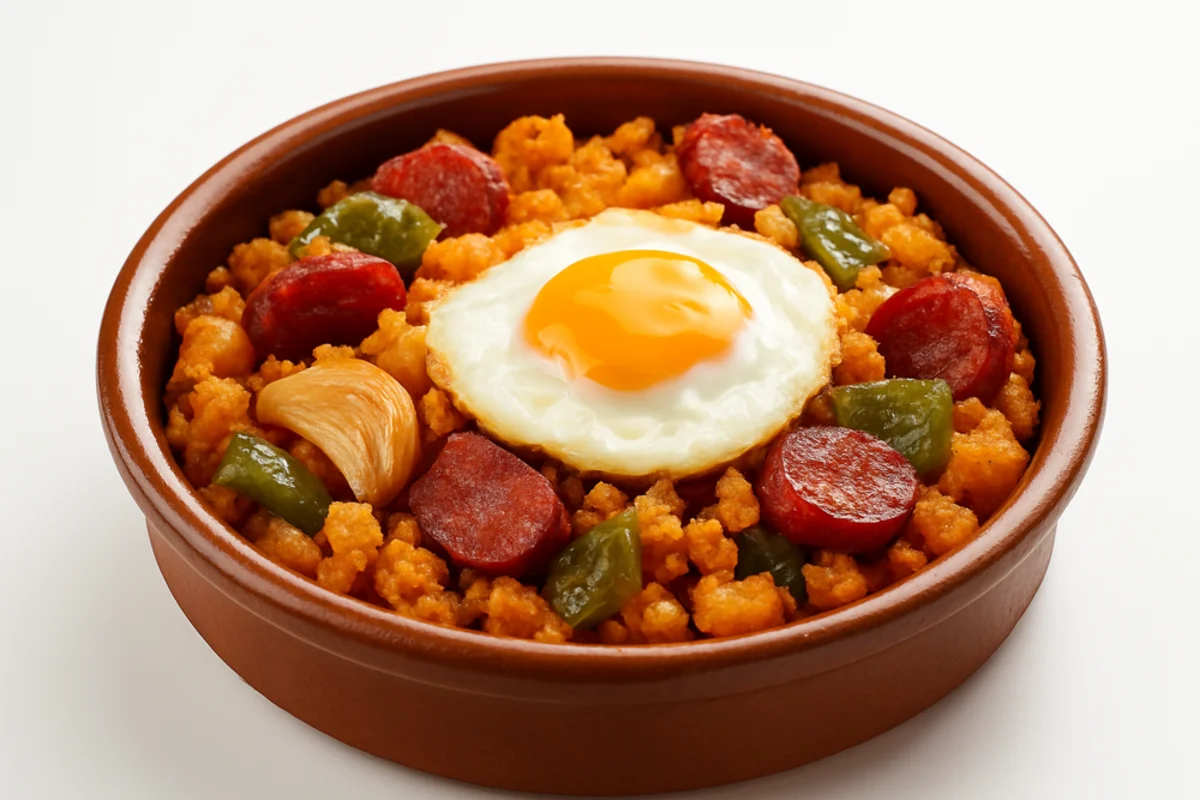
If you love recipes that turn simple pantry staples into something unforgettable, migas deserves a spot at the top of your list. This rustic Spanish classic takes humble stale bread, garlic, and chorizo and transforms them into a pan of salty, smoky, utterly satisfying comfort food. Add a just-set fried egg on top, and you’ve got a dish that works for brunch, cozy dinners, or late-night cravings.
Migas is also a dream dish for wine pairing. The combination of crisped bread, savory chorizo fat, sweet bell pepper, and rich egg yolk gives you all the textures and flavors that make wine come alive: salt, umami, gentle spice, and fat. In this guide, you’ll learn how to cook migas step by step, plus exactly which wine for migas will be the perfect match—from juicy Spanish reds to food-friendly American bottles you can grab at Total Wine, Trader Joe’s, or BevMo.
Whether you’re a seasoned home cook or just getting into wine, this is a relaxed, approachable way to elevate your table without overcomplicating things.
About This Dish
Migas literally means “crumbs” in Spanish, and that name says a lot about the spirit of the dish. Traditionally, Spanish shepherds and farm workers made migas as a way to use up leftover bread, cooking it slowly in olive oil or lard with bits of cured meat like chorizo or ham. What started as thrifty peasant food has become one of Spain’s great regional comfort foods.
You’ll find different versions of migas across Spain: some topped with grapes or melon for a sweet-salty contrast, others bulked out with pork belly, pancetta, or roasted peppers. The common thread is always the same: day-old bread revived in fat until it’s crisp outside, tender inside, and deeply flavored.
There’s also a Mexican style of migas—made with crispy tortillas and scrambled eggs instead of bread—but this recipe leans into the Spanish bread-based version, highlighting smoky chorizo and garlic. For American cooks, that means you can turn yesterday’s baguette or country loaf into something that tastes like a tapas bar in Madrid.
What makes migas especially fun for wine lovers is its balance. The salty, smoky profile of chorizo, the sweetness of sautéed bell pepper, and the richness of olive oil and egg create a natural canvas for medium-bodied wines with bright acidity and plenty of flavor. That’s why migas works just as well with a Spanish Tempranillo as with an Oregon Pinot Noir.
Key Ingredients & Their Role
Migas is a masterclass in how a few ingredients can deliver big flavor when you treat them right. Here’s what each key component brings to the plate—and how that connects to smart wine pairing.
Stale Bread This is the heart of the dish. Stale bread absorbs oil and rendered chorizo fat without falling apart, then toasts up into golden, crunchy-yet-chewy bites. That toasted, slightly nutty flavor echoes the toasty notes you often find in oak-aged wines. A medium-bodied red or a fuller white with a bit of oak (like a lightly oaked Chardonnay) will mirror those roasted bread tones nicely.
Garlic Whole cloves are browned in olive oil until fragrant and golden, then folded back into the migas. Garlic adds warmth and depth without overwhelming the dish. From a wine perspective, garlic and olive oil call for wines with good acidity—something that can cut through richness and keep the palate refreshed. Think Spanish Garnacha, Chianti, or a bright, unoaked white.
Chorizo Spanish-style chorizo is cured, smoky, and packed with paprika. It delivers salt, fat, and a gentle heat that flavors the entire pan. This is where wine for migas really needs to step up: the wine should handle salt and smoky spice without tasting bitter. Medium tannins and ripe fruit are key. Tempranillo, Rioja, or a California Grenache blend are all excellent candidates.
Olive Oil A generous amount of olive oil helps crisp the bread and carry flavor. That extra richness makes migas a great partner for wines with vibrant acidity, which acts like a squeeze of lemon cutting through fat. Wines from cooler climates—Oregon Pinot Noir, Washington State Syrah, or a Loire-style Sauvignon Blanc—are great options.
Green Bell Pepper Bell pepper brings sweetness, a bit of char, and a fresh vegetal note. The pepper’s slight bitterness actually works well with wines that have herbal nuances: think Rioja with a touch of oak, Chianti with its savory edges, or a Spanish Verdejo if you go white.
Eggs A sunny-side-up egg on top gives you a runny yolk that coats each bite, adding silkiness and richness. This is where wines with structure shine—acidity to cut the fat, and enough body not to feel thin next to the yolk. It’s a perfect match for versatile food wines like Rioja Crianza, Oregon Pinot Noir, or Côtes du Rhône.
Put it all together, and migas becomes a perfect match for wines that are medium-bodied, flavorful, and not overly tannic.
Recipe
| Prep Time | 40 minutes |
|---|---|
| Cook Time | 10 minutes |
| Total Time | 50 minutes |
| Servings | 4 |
| Difficulty | Moderate |
Ingredients:
- 400 g Stale Bread
- 6 Garlic Cloves
- 200 g Chorizo
- 6 tbsp Olive Oil
- 1 (large) Green Bell Pepper
- 4 Eggs
- To taste Salt
Instructions:
- Cut the stale bread into small, bite-sized cubes and sprinkle lightly with water to moisten without soaking. Set aside in a bowl.
- Peel the garlic cloves, leaving them whole. Slice the chorizo into rounds approximately 1 cm thick. Dice the green bell pepper into medium-sized pieces.
- Heat 4 tbsp of olive oil in a large frying pan or skillet over medium heat. Add the whole garlic cloves and sauté until golden brown. Remove and set aside.
- In the same pan, fry the chorizo slices until they begin to release their oil and gain a slight crisp, about 3-4 minutes. Remove and set aside.
- Add 2 tbsp of olive oil to the same pan if necessary. Stir in the bell pepper and cook until softened and slightly charred, about 5-7 minutes. Remove and set aside.
- Using the remaining oil in the pan, add the moistened bread cubes. Stir frequently over medium heat, cooking until the crumbs are toasted and golden, about 8-10 minutes. Season with salt to taste.
- Gently fold the fried garlic, chorizo slices, and cooked bell pepper into the toasted breadcrumbs. Mix to combine and cook for another 2-3 minutes to incorporate flavors.
- Fry the eggs sunny-side up in a separate pan using a small amount of olive oil.
- Plate the migas in a shallow ceramic dish or individual bowls. Place one fried egg on top of each serving and serve immediately.
Nutrition Facts (per serving):
- Calories: 410 kcal
- Protein: 18.0g
- Fat: 25.0g
- Carbohydrates: 45.0g
- Salt: 2.8g
Dietary Information: Contains gluten, Dairy-free, Nut-free
Perfect Wine Pairings
Because migas is salty, smoky, and rich, your ideal wine pairing should be:
- Medium-bodied (so it doesn’t overpower the dish)
- High enough in acidity to cut through oil and egg yolk
- Moderate in tannins (too much tannin plus salt and spice can taste harsh)
- Fruity or spicy enough to stand up to smoked paprika and chorizo
Here are wine styles that make a perfect match and are easy to find in the United States at places like Total Wine, Trader Joe’s, and BevMo.
1. Spanish Tempranillo (Rioja or Ribera del Duero)
Since migas is Spanish, starting with Tempranillo is a natural choice. Look for a Rioja Crianza or Ribera del Duero in the $15–$25 range. These wines typically offer red cherry and plum fruit, gentle spice, and a touch of oak. Their medium tannins and lively acidity work beautifully with the chorizo’s fat and smokiness.
- Flavor bridge: paprika, smoke, and barrel spice echo the chorizo.
- Where to buy: Widely available imports at Total Wine and BevMo, and often a few solid options at Trader Joe’s.
2. Oregon Pinot Noir
If you love New World reds, an Oregon Pinot Noir is a stellar wine for migas. Expect bright red fruit (cherry, cranberry), earthy notes, and refreshing acidity. Pinot Noir’s gentle tannins won’t clash with the salt and spice, and its savory side plays nicely with garlic and bell pepper.
- Aim for: bottles in the $20–$30 range from Willamette Valley.
- Food match: Pinot’s acidity cuts through olive oil and egg yolk, while its subtle earthiness echoes the toasted bread and browned garlic.
- Availability: Look for Willamette Valley labels at Total Wine or a well-stocked local shop.
3. Spanish Garnacha or Côtes du Rhône
If you want juicier, more easygoing reds, reach for Garnacha (Grenache) from Spain or a Côtes du Rhône from France.
- Profile: ripe red fruit, soft tannins, peppery spice, and good acidity.
- Why it works: The gentle spice and supple texture are ideal for the salty, smoky profile of migas—no risk of the wine feeling too heavy.
- Price: Many excellent options in the $12–$20 range at Trader Joe’s and BevMo.
4. Spanish Verdejo or Albariño (White Option)
Prefer white wine? A zesty Verdejo from Rueda or a coastal Albariño can be a perfect match if you like freshness.
- Style: citrus, green apple, sometimes a hint of herb, with bright acidity.
- Why it works: Cuts through the dish’s richness and refreshes your palate between bites, while herbal notes resonate with green bell pepper.
- Price/availability: Frequently found in the $15–$25 range at Total Wine; Trader Joe’s often has good-value Spanish whites.
When you want to go beyond the basics, Vinomat can help you fine-tune your wine recommendation based on what’s in your pantry and what’s on the shelf near you—just plug in “migas” and your preferred style, and let it suggest bottles from your favorite retailers.
Cooking Tips & Techniques
A great plate of migas is all about texture and layering flavor. Keep these tips in mind for foolproof results.
1. Choose the right bread Use a sturdy, crusty loaf (like country bread or baguette), not sandwich bread. Stale bread is essential—it soaks up oil without turning mushy. If your bread is very fresh, cube it and let it sit out, uncovered, for a few hours.
2. Lightly moisten, don’t soak When you sprinkle water over the bread, you’re reviving it just enough so it softens inside while crisping outside. If you soak it, you’ll end up with soggy, heavy migas instead of fluffy, toasty crumbs.
3. Take your time with browning Let the garlic turn a deep golden (not dark brown) to build a sweet, nutty flavor. Do the same with the bell pepper—those little charred edges add complexity. Longer, moderate heat beats rushing on high.
4. Render the chorizo properly Give the sliced chorizo a few minutes to release its fat and crisp up. That flavored fat is liquid gold; it infuses the bread with smoky, meaty flavor. Don’t drain it away—use it as part of your cooking oil.
5. Stir but don’t mash When toasting the bread cubes, stir frequently, but gently. You want distinct, crisp crumbs with a bit of chew, not a compacted mass. Medium heat helps you color the bread without burning the outside before the inside warms through.
6. Fry the eggs last Sunny-side-up eggs are best when the whites are just set and the yolks are still runny. Cook them right before serving so you get that luxurious yolk that acts almost like a sauce over the migas.
Serving Suggestions
Migas is wonderfully versatile. You can dress it up for a dinner party or keep it rustic for a relaxed brunch.
- Serving style: Bring it to the table in a large, warm skillet or a shallow ceramic dish. Top each portion with a freshly fried egg so the yolk breaks over the crumbs.
- Garnishes: A sprinkle of chopped flat-leaf parsley, cracked black pepper, or a light drizzle of extra-virgin olive oil adds color and aroma. If you like heat, serve with a small bowl of mild Spanish hot sauce or smoky paprika on the side.
- Side dishes: Keep sides simple: a green salad with a lemony vinaigrette, roasted seasonal vegetables, or a plate of marinated olives. Their freshness and acidity balance the richness of the migas.
- Wine on the table: Pour a Spanish Tempranillo or an Oregon Pinot Noir slightly cool (around 60–65°F) so the fruit and spice stay bright. If you’re serving both red and white, start with a chilled Verdejo and move to red as the dish and conversation warm up.
For a full experience, plan your meal around the wine pairing: pick your bottle, then build the rest of the menu—migas as the star, with light, fresh sides and a simple dessert. Vinomat can help you explore more pairings, from alternate reds to unexpected whites, so each time you cook this recipe, you can try a new wine recommendation.
Conclusion
Migas proves that you don’t need fancy ingredients to create a memorable meal—just good bread, quality chorizo, plenty of garlic, and a bit of patience at the stove. Paired with the right bottle, this rustic Spanish classic turns into a restaurant-worthy experience at home.
Use this migas recipe as your starting point, then explore different bottles until you find your own perfect match. Whether you reach for a Spanish Tempranillo, an Oregon Pinot Noir, or a bright Verdejo, Vinomat is there to guide your wine pairing choices and point you toward the best options at Total Wine, Trader Joe’s, BevMo, or your local shop.
Pour a glass, crack an egg over a hot pan of migas, and enjoy how simple ingredients—and the right wine—can add up to something extraordinary.