


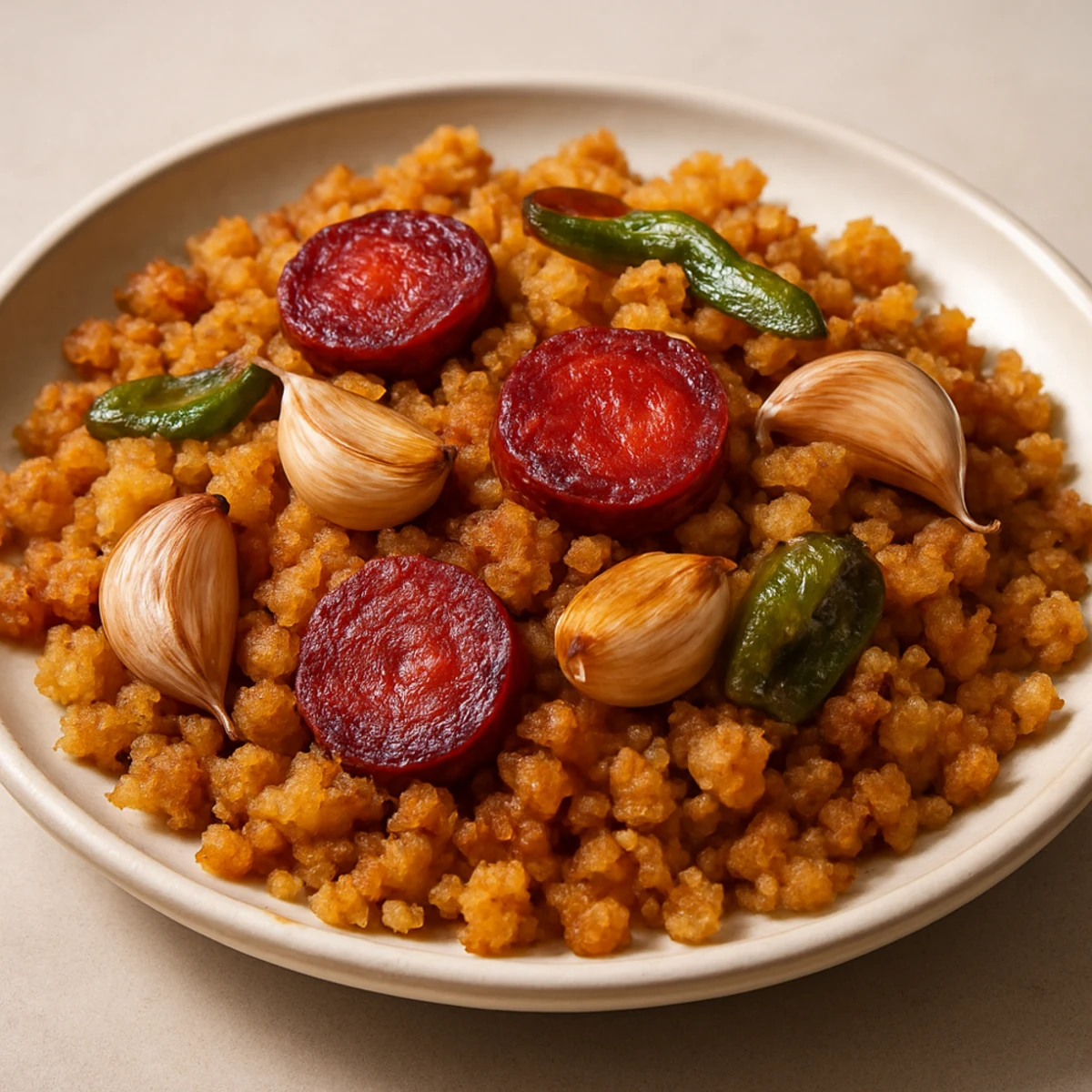
Migas from Extremadura Recipe & Best Wine Pairings
Migas from Extremadura Recipe & Best Wine Pairings
Imagine biting into golden, crispy crumbs of stale bread infused with the smoky punch of chorizo and the aromatic whisper of garlic—a humble dish that punches way above its weight in flavor. Migas from Extremadura, a rustic treasure from Spain's Extremadura region, turns everyday pantry staples into a feast fit for food lovers. This recipe is perfect for home cooks looking to explore bold, salty, and smoky tastes that beg for the right wine pairing.
What makes Migas from Extremadura so irresistible? It's the ultimate thrifty gourmet experience, born from shepherds making do with leftovers, now a star on modern tables. Pair it with a robust wine recommendation like a California Grenache or Spanish Tempranillo, and you've got the perfect match for weeknight dinners or casual gatherings. In the US, where wine appreciation is booming, this dish bridges Old World traditions with New World accessibility—grab ingredients from your local grocery and wines from Total Wine or Trader Joe's. Whether you're a seasoned wine lover or just dipping your toes, Vinomat's premium app can guide you to the best wine for Migas from Extremadura. Ready to dive in? Let's uncover why this dish deserves a spot in your rotation.
About This Dish
Migas from Extremadura hails from the rugged landscapes of Extremadura, a region in western Spain known for its acorn-fed Iberian hams and hearty, no-fuss cuisine. The name "migas" simply means "crumbs" in Spanish, reflecting its origins as a shepherd's meal. Picture this: hardworking herders in the mountains, far from home, with nothing but day-old bread, scraps of cured meats like chorizo and bacon, and a handful of garlic. They'd crumble the bread, revive it with a splash of water, and fry it up with whatever fats and flavors they had on hand. This created a satisfying, portable dish that fueled long days in the fields.
Over time, Migas from Extremadura evolved into a cultural icon, celebrated in festivals and family gatherings. It's not just food; it's a story of resourcefulness and flavor amplification. The dish spread beyond Spain's borders—Extremaduran explorers carried it to Latin America, where it inspired versions like Mexican migas with tortillas. But the original remains true to its roots: salty, smoky, and texturally addictive, with crispy exteriors giving way to tender insides.
What sets it apart? The magic lies in transformation. Stale bread, often discarded elsewhere, becomes the star, soaking up the rich oils from chorizo and garlic. Its salty, smoky profile makes it a canvas for wine pairing—think wines that cut through the fat and amplify the savoriness. In the US, with our love for multicultural eats, this dish fits right in, offering an accessible entry to Spanish cuisine. Food enthusiasts appreciate its authenticity, while home cooks love how it elevates leftovers into something extraordinary. Exploring Migas from Extremadura isn't just cooking; it's connecting with centuries of tradition, all while hunting for that perfect match in a glass of wine.
Key Ingredients & Their Role
At its core, Migas from Extremadura relies on a short list of heroes: stale bread, chorizo, garlic, and a few supporting players. Each brings something vital to the salty, smoky symphony, creating layers that demand thoughtful wine pairing considerations.
Stale bread (400-500g) is the undisputed star. Day-old or harder loaves (crusts on for extra crunch) are crumbled and moistened, then fried to golden perfection. It absorbs the dish's fats and flavors, transforming from tough to tender-crisp. This neutral base soaks up smokiness, making it ideal for wines with good acidity to refresh the palate—think wine for Migas from Extremadura that balances the bread's subtle chew.
Chorizo (200-220g) delivers the smoky, spicy backbone. This Spanish pork sausage, cured and paprika-seasoned, releases fiery oils when fried, infusing every crumb with bold, savory depth. Its saltiness and fat call for wine recommendations with enough structure to stand up—tannins to tame the richness, fruit to echo the smoke.
Garlic (4 cloves) provides aromatic punch. Sliced or whole, it's fried to golden, lending a nutty, pungent edge without overpowering. It bridges the bread and meats, adding earthiness that pairs beautifully with medium-bodied reds.
Supporting cast: Pork bacon or pancetta (75-200g) amps up the umami and fat; paprika (sweet Spanish pimentón) weaves in subtle smokiness; olive oil for frying; salt to tie it all; and optional sweet grapes (20) or red bell pepper for a hint of sweetness and color, softening the salt for versatile wine pairing.
These ingredients harmonize: bread tempers the meats' intensity, garlic unifies, paprika smokes. The result? A dish that's greasy in the best way, begging for wines that cut through fat while matching smokiness. For wine for Migas from Extremadura, seek acidity against salt, moderate tannins against fat—setting the stage for your perfect match.
Recipe
Prep Time: 20 minutes (plus 1 hour resting for bread) Cook Time: 45 minutes Total Time: 1 hour 45 minutes Servings: 4 Difficulty: Easy (great for beginners)
Ingredients
- 450g stale bread (rustic loaf, crusts on, torn into 1-inch pieces)
- 200g Spanish chorizo, sliced into bite-sized pieces
- 100g pork unsmoked bacon or pancetta, diced
- 4 cloves garlic, thinly sliced
- 3 tbsp extra-virgin olive oil (plus more as needed)
- 1 tsp sweet Spanish paprika (pimentón dulce)
- Salt, to taste
- 1/2 cup water (for moistening bread)
- Optional: 20 sweet grapes, halved; 1 red bell pepper, diced
Instructions
- Prepare the bread: Place torn stale bread in a large bowl. Sprinkle with 1/2 cup water and a pinch of salt. Toss lightly to moisten evenly—bread should be damp but not soggy. Cover with a clean towel and let rest 1 hour (or overnight for deeper flavor absorption).
- Cook the meats: In a large skillet over medium heat, add 1 tbsp olive oil. Fry chorizo and bacon until golden and fat renders, about 5-7 minutes. Remove with a slotted spoon and set aside, leaving flavorful fat in the pan.
- Sauté aromatics: Add remaining olive oil to the pan. Fry garlic slices until golden (2-3 minutes), pressing with a spoon to release flavor. If using, add diced red bell pepper and cook until softened, 3-4 minutes. Stir in paprika briefly to bloom its aroma—don't burn it!
- Fry the migas: Add rested bread to the skillet. Cook over medium heat, stirring constantly with a wooden spoon, 30-45 minutes. Break into smaller crumbs as it fries; it will crisp outside while staying soft inside. Pour off excess water, aiming for golden, toasted balls.
- Combine and finish: Return chorizo and bacon to the pan. Stir in paprika-oil mix if prepared ahead. Mix thoroughly, adjust salt. Off heat, fold in grapes for sweet contrast if desired. Serve hot from the pan!
Nutrition Facts (per serving, approx.)
- Calories: 650
- Fat: 38g (Saturated: 12g)
- Carbs: 55g (Fiber: 4g)
- Protein: 22g
- Sodium: 1200mg
Dietary Info: Gluten-containing (bread); pork-based (not vegetarian/vegan). Adapt with plant-based chorizo for flexibility.
Perfect Wine Pairings
The salty, smoky profile of Migas from Extremadura shines with wines that match its boldness: medium body, bright acidity, and soft tannins to slice through fat while echoing spice. Skip light whites—they'll drown. Go for reds with earthy, fruity notes for the perfect match. Here's your wine recommendation lineup, prioritizing US favorites from California, Oregon, and Washington, plus imports—all in the $15-30 range at Total Wine, Trader Joe's, or BevMo.
1. California Grenache (e.g., Napa or Central Coast blends, $18-25): Grenache's ripe strawberry and smoky herb notes mirror chorizo's paprika kick. Juicy acidity cuts grease, plush tannins grip the crumbs. Perfect for the wine pairing novice—grab Ridge or Bogle at Trader Joe's.[ ]
2. Oregon or Sonoma Pinot Noir ($20-28): Silky with cherry, earth, and subtle smoke, this cuts salt like a knife. Oregon's brighter acidity refreshes garlic's punch; Sonoma's add baking spice. Look for Willamette Valley labels at Total Wine—best wine for Migas from Extremadura hands down.[ ]
3. Washington State Syrah ($15-22): Bold pepper and blackberry tackle smoky bacon, firm but ripe tannins balance fat. Columbia Valley picks like Columbia Crest offer value. BevMo stocks these gems for everyday wine pairing wins.[ ]
4. Spanish Tempranillo or Rioja Crianza ($16-30): Stay true to roots with Extremadura's own style—leathery cherry, vanilla oak, and spice. High acidity loves the salt. Imports at Total Wine pair authentically. For Italian flair, try Chianti ($20) with its tart cherry zing.
Why these? Chorizo's smoke needs fruit-forward reds; bread's texture loves grip; salt craves acid. Use Vinomat to scan labels for the perfect match. Chill reds slightly for US palates—your wine for Migas from Extremadura awaits![ ]
Cooking Tips & Techniques
Mastering Migas from Extremadura is about patience and heat control—rush it, and you'll burn the crumbs. Start with truly stale bread; fresh won't crisp right. Moisten just enough—squeeze a handful; water should drip slowly.
Use a wide cast-iron skillet for even frying; it retains heat for that golden crust. Stir constantly post-bread addition to prevent sticking, but don't pulverize—aim for varied crumb sizes for texture play. Medium heat is key: too high burns paprika's delicate smoke; too low leaves soggy bread. Expect 30-45 minutes; the wait builds flavor as moisture evaporates.
Common pitfalls: Over-wetting bread (leads to mush); skipping meat fat (flavor loss—use it!); ignoring salt timing (add early to bread, tweak end). Quality matters—Spanish chorizo over Mexican for authentic spice; good EVOO elevates. For smoke boost, add smoked paprika sparingly.
Pro tip: Prep meats first—their fat flavors everything. If adding peppers or grapes, introduce late to preserve pop. Leftovers? Crisp in a dry pan next day. These tweaks ensure wine pairing success, as balanced migas let wines shine. Practice once, nail it forever!
Serving Suggestions
Serve Migas from Extremadura family-style from the skillet—rustic and inviting, encouraging seconds. Pile high on plates with fried eggs atop for runny yolk luxury, drizzling over crumbs. Accompany with simple greens like arugula salad with lemon vinaigrette to cut richness, or pickled radishes for tang.
Set the scene: Dim lights, wooden board with extra chorizo slices, crusty bread for sopping juices. For wine lovers, decant your perfect match 30 minutes ahead. Pair with Manchego cheese and olives for a tapas spread—turn dinner into fiesta.
Portion generously; it's shareable. Outdoor grill-side in summer or cozy winter hearth—versatile for US lifestyles. Vinomat app refines your wine recommendation on the spot.[ ]
Conclusion
Migas from Extremadura proves humble ingredients make extraordinary meals—crispy, smoky bliss ready for your table. With this recipe and our wine pairing guide, from California Pinot to Spanish Tempranillo, you're set for the perfect match. Head to Total Wine or Trader Joe's, fire up the skillet, and let Vinomat unlock more pairings. What's your wine for Migas from Extremadura? Try it tonight and taste the magic!