


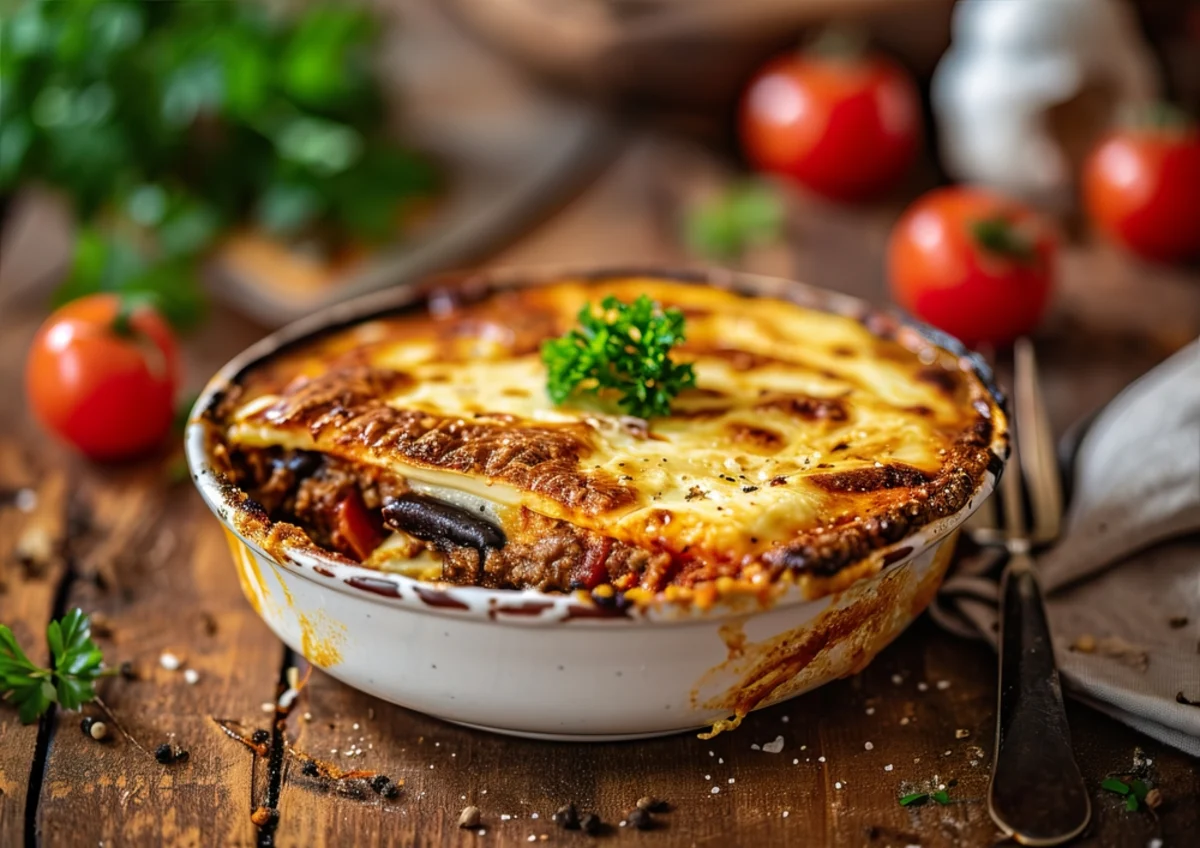
Moussaka & Wine Pairing: A Cozy, Comfort-Food Classic
Introduction
Moussaka is one of those dishes that feels like a hug on a plate: silky eggplant, tender potatoes, spiced ground meat, and a cloud of creamy béchamel baked until golden and bubbling. It’s the kind of cozy, layered comfort food that turns an ordinary evening into a slow, lingering dinner. And because it’s rich, savory, and full of warm spices, wine pairing isn’t just an afterthought here—it’s a chance to make the whole experience sing.
Whether you’re hosting friends or treating yourself to a special night in, this moussaka recipe brings the flavors of the Mediterranean straight to your kitchen, no passport required. We’ll walk through each step, then dive into how to choose the right wine for Moussaka—from velvety California reds to elegant French and Italian bottles you can easily find at Total Wine, Trader Joe’s, BevMo, or your local shop. With Vinomat at your side, you’ll have a personalized wine recommendation for every slice, so the food and wine become the perfect match.
About This Dish
Moussaka is most closely associated with Greece, but it has roots that weave through the Eastern Mediterranean and the Middle East. In its classic Greek form, it’s a baked casserole of eggplant (aubergine), potatoes, and ground meat, topped with a thick, custard-like béchamel sauce scented with nutmeg and finished with a generous blanket of cheese. The result is hearty and deeply savory, with gentle hints of warm spice.
Historically, moussaka evolved as a way to layer seasonal vegetables and meat into a single, satisfying dish that could feed a crowd. Greek versions often feature cinnamon- and nutmeg-spiced beef or lamb, giving the dish a distinctive aromatic character that separates it from Italian lasagna or American casseroles. The spices, along with tomato-rich meat sauce, create the umami backbone that makes moussaka so satisfying.
What makes moussaka especially interesting for wine lovers is its complex flavor profile:
- Roasted, slightly smoky eggplant
- Earthy, comforting potatoes
- Savory, tomato-based meat sauce with cinnamon and nutmeg
- A rich, buttery béchamel and melted cheese crust
That combination of richness, spice, and umami begs for a wine that can stand up to it without overpowering it. Medium- to full-bodied reds with moderate tannins and good acidity tend to shine here, which opens the door to a wide range of options—from Oregon Pinot Noir to Spanish Tempranillo. It’s the kind of dish that naturally invites experimentation, and tools like Vinomat make exploring those options easy and unintimidating.
Key Ingredients & Their Role
Moussaka is all about layering flavors and textures. Each core ingredient plays a specific role in both the dish and the wine pairing.
Eggplant (Aubergine)
Eggplant is the soul of moussaka. When sliced, salted, and pan-fried, it becomes tender and almost creamy, with a gentle sweetness and a faint smoky note. That soft texture contrasts beautifully with the meat and potatoes. Eggplant also absorbs olive oil and seasoning, adding depth to every bite.
For wine, eggplant’s subtle bitterness and smokiness favor reds with good fruit and a savory edge—think Grenache-based blends from Spain or the Rhône, or a juicy Washington State red blend. You want something that can echo the roasted flavors without turning them harsh.
Potatoes
The potato layer acts as the foundation—sturdy, earthy, and comforting. Parboiled potato slices soak up some of the sauce but still hold their shape, giving structure to the casserole. They soften the intensity of the meat and béchamel, making each forkful balanced rather than overwhelming.
Because potatoes are relatively mild, they won’t fight with the wine. Instead, they help integrate the flavors, allowing the wine’s acidity and fruit to refresh the palate between bites.
Ground Beef
Traditional Greek moussaka often uses ground beef or lamb. Here, ground beef delivers rich, meaty flavor and the umami that defines the dish. It’s simmered with tomato sauce, onion, garlic, cinnamon, black pepper, and a touch of nutmeg, creating a savory-sweet, gently spiced sauce.
This is where wine choice really matters. The protein and fat in beef soften tannins, so you can comfortably reach for medium- to full-bodied reds. Look for wines with:
- Medium tannins so they don’t overwhelm the creamy béchamel
- Fresh acidity to cut through the richness
- Spice notes (like clove, cinnamon, or baking spice) that mirror the seasoning in the meat
California Cabernet blends, Washington Merlot, and Rioja or Chianti all fit this profile nicely.
Tomato Sauce
Tomato sauce adds acidity and sweetness while tying the meat layer together. It brightens the dish and keeps it from feeling heavy or flat. Tomatoes are key when thinking about wine for Moussaka: their natural acidity pairs best with wines that also have a lively, refreshing acid profile.
That’s why Old World reds—like Chianti Classico or Spanish Tempranillo—often work so well. Many New World wines from cooler regions, such as Oregon Pinot Noir or Washington Syrah, also have the right balance.
Béchamel Sauce & Cheese
The béchamel layer is what makes moussaka unmistakably itself: a velvety sauce made from butter, flour, and milk, enriched with egg yolks and perfumed with nutmeg, then crowned with a generous sprinkling of grated cheese. It bakes into a soft, custardy top with a lightly crisp, cheesy crust.
This richness calls for a wine with enough acidity to cleanse the palate and enough body to keep up. A lighter, very tannic red can taste sharp here, so aim for wines that are round, smooth, and medium-bodied. If you prefer white wine, a full-bodied, oaked white (like a California Chardonnay) can surprisingly be a perfect match, as its texture aligns with the creamy sauce.
Recipe
| Prep Time | 75 minutes |
|---|---|
| Cook Time | 15 minutes |
| Total Time | 90 minutes |
| Servings | 4 |
| Difficulty | Advanced |
Ingredients:
- 3 large Aubergines
- 500 g Ground beef (köttfärs)
- 4 medium Potatoes
- 1 1/2 cups Tomato sauce
- 1 1/2 cups Grated cheese (e.g. Parmesan and mozzarella blend)
- 2 cups Milk
- 3 tbsp Butter
- 3 tbsp All-purpose flour
- 2 Egg yolks
- 5 tbsp Olive oil
- 1, finely chopped Onion
- 2, minced Garlic cloves
- 1/4 tsp Cinnamon
- to taste Salt
- to taste Black pepper
- 1/4 tsp Nutmeg
- for garnish Fresh parsley
Instructions:
- Preheat the oven to 375°F (190°C).
- Slice the aubergines lengthwise into 1/4-inch thick slices, sprinkle with salt, and set aside for 20 minutes to remove excess moisture. Rinse and pat dry.
- Peel and slice the potatoes into 1/4-inch thick rounds. Boil them in salted water for 8-10 minutes until just tender, then drain and set aside.
- Heat 2 tbsp of olive oil in a large skillet. Fry the aubergine slices on both sides until slightly golden. Drain on a paper towel and set aside.
- In the same skillet, heat 1 tbsp olive oil and sauté the chopped onion and minced garlic until soft and fragrant.
- Add the ground beef to the skillet. Cook until browned and crumbly. Stir in the tomato sauce, cinnamon, salt, and black pepper. Simmer for 15 minutes.
- Prepare the béchamel sauce: Melt the butter in a saucepan over medium heat. Stir in the flour and cook for 1-2 minutes. Gradually whisk in the milk until smooth, then cook until thickened. Remove from heat, season with nutmeg, salt, and pepper, and mix in the egg yolks.
- In a greased ovenproof dish, layer the potatoes, followed by half the aubergines, the meat mixture, the remaining aubergines, and finally the béchamel sauce. Smooth the top with a spatula and sprinkle with grated cheese.
- Bake in the middle of the oven for 40-45 minutes, or until the top is golden and bubbling.
- Remove the moussaka from the oven and allow it to rest for 10 minutes before serving. Garnish with fresh parsley and serve warm.
Nutrition Facts (per serving):
- Calories: 450 kcal
- Protein: 23.0g
- Fat: 28.0g
- Carbohydrates: 40.0g
- Salt: 1.2g
Dietary Information: Gluten-free, Contains dairy, Nut-free
Perfect Wine Pairings
Moussaka is rich, layered, and lightly spiced, so the best wine pairing balances three things: enough body to handle the meat and béchamel, enough acidity to cut through the fat, and flavors that won’t clash with cinnamon and nutmeg.
What to Look For
- Body: Medium to full-bodied reds (or fuller whites if you prefer white wine)
- Acidity: Moderate to high acidity to refresh your palate between bites
- Tannins: Soft to medium tannins; too much can feel harsh with béchamel
- Flavors: Red and black fruits, gentle oak, and spice notes rather than intense, jammy sweetness
Recommended Wine Styles
- Greek or Oregon Pinot Noir
If you can find a Greek red (like Xinomavro or Agiorgitiko) at Total Wine or a good local shop, it’s a natural choice—these wines often have bright acidity, red fruit, and savory spice to echo the dish. When Greek reds aren’t available, an Oregon Pinot Noir is an excellent stand-in: medium-bodied, with cherry and raspberry notes, earthy undertones, and a subtle, food-friendly profile. Look for bottles in the $18–$30 range at Total Wine or BevMo.
- Chianti Classico or Tuscan Sangiovese
Italian Sangiovese-based wines are a classic answer to tomato-based, herby, and lightly spiced dishes. Chianti Classico brings bright cherry fruit, vibrant acidity, and earthy, savory notes that play beautifully with the tomato sauce and beef. The tannins are firm but not overwhelming, which works well with the creamy top. Expect solid options in the $15–$25 range at Trader Joe’s and most grocery stores.
- Rioja Crianza or Reserva (Tempranillo)
Spanish Rioja, especially Crianza or Reserva, offers red fruit, gentle vanilla and spice from oak aging, and balanced acidity. This mirrors the cinnamon and nutmeg in the meat sauce without competing with them. The smooth tannins are great with beef and cheese. You’ll find reliable bottles in the $15–$28 range at Total Wine, BevMo, and many supermarkets.
- California Red Blends & Washington State Reds
If you gravitate toward New World wines, look for California red blends (often Cabernet, Merlot, and Syrah) or Washington State Merlot/Syrah. Choose options that are medium- to full-bodied but not overly jammy or high-alcohol. These wines usually deliver plum, blackberry, and baking spice notes that suit the dish’s umami and warmth. Many excellent everyday bottles sit comfortably between $15–$30 at BevMo or your local shop.
- For White Wine Lovers: Rich Chardonnay
While red is the classic wine for Moussaka, a fuller-bodied, lightly oaked California Chardonnay can be a surprisingly perfect match for the creamy béchamel and cheese. Look for something with good acidity and restrained oak—no heavy butter bombs. Plenty of options fall in the $15–$25 range at Trader Joe’s and Total Wine.
If you’re unsure where to start, plug “moussaka” into Vinomat, and you’ll get tailored wine recommendations based on your exact bottle options, budget, and taste preferences.
Cooking Tips & Techniques
Moussaka isn’t difficult, but it does reward a little attention to detail. Here are some practical tips to help you nail it the first time.
- Salt the eggplant properly: Salting the aubergine slices and letting them rest draws out moisture and any bitterness. Rinse and pat dry thoroughly before frying to keep them from becoming soggy or overly salty.
- Don’t overcook the potatoes: Boil the potato slices just until tender, not falling apart. They’ll continue to cook in the oven, and you want them to stay in neat layers.
- Brown the beef well: Take the time to really brown the ground beef rather than just gray it. This caramelization builds deeper flavor and intensifies the dish’s umami.
- Simmer the meat sauce: Let the tomato sauce and spices simmer with the meat long enough to blend—this is where the cinnamon and black pepper integrate into the overall flavor. Taste and adjust salt and pepper before layering.
- Smooth, lump-free béchamel: When making the béchamel, whisk constantly as you add milk to the butter–flour roux, and keep the heat moderate. If it looks lumpy, keep whisking; it will usually smooth out as it thickens.
- Rest before slicing: Just like lasagna, moussaka needs a short rest once it comes out of the oven. Ten minutes lets the layers set so you can cut clean slices that hold together.
- Make ahead: You can assemble the dish a few hours ahead and refrigerate before baking. Bring it closer to room temperature before it goes into the oven, and add a few extra minutes to the baking time as needed.
Serving Suggestions
Moussaka is rich and satisfying on its own, so think about freshness and contrast when planning the rest of your meal.
- Side dishes: A simple green salad with lemony vinaigrette, a tomato–cucumber salad with herbs, or lightly grilled vegetables will brighten the plate and echo the Mediterranean feel. A side of crusty bread is optional but excellent for catching any sauce.
- Garnishes: That final sprinkle of fresh parsley adds color and a hint of herbal freshness. You can also add a squeeze of lemon at the table for extra lift.
- Portioning: This recipe serves four as a main course. Serve generous square slices, making sure each portion includes all the layers—potato, eggplant, meat, and béchamel.
- Wine service: For red wines, serve slightly below room temperature (around 60–65°F) so the fruit and spice stay lively. For Chardonnay or other fuller whites, aim for about 50–55°F. Pour modest servings at first so guests can taste the wine pairing with the food and adjust to their preference.
- Setting the mood: Moussaka is ideal for a relaxed, family-style dinner. Bring the baking dish straight to the table, let everyone help themselves, and keep the wine within easy reach. It’s a dish that invites conversation and slow, enjoyable eating.
Conclusion
Moussaka is more than just a casserole—it’s a layered story of eggplant, potatoes, spiced meat, and creamy béchamel that turns a regular evening into a memorable meal. With the right wine pairing, that story gets even better, whether you choose an earthy Chianti, a silky Oregon Pinot Noir, or a smooth California red blend as your perfect match. Use this moussaka recipe as your starting point, then let Vinomat guide you to the ideal wine for Moussaka based on what’s available at Total Wine, Trader Joe’s, BevMo, or your favorite local shop. Pour a glass, serve a generous slice, and enjoy how food and wine elevate each other at your table.