


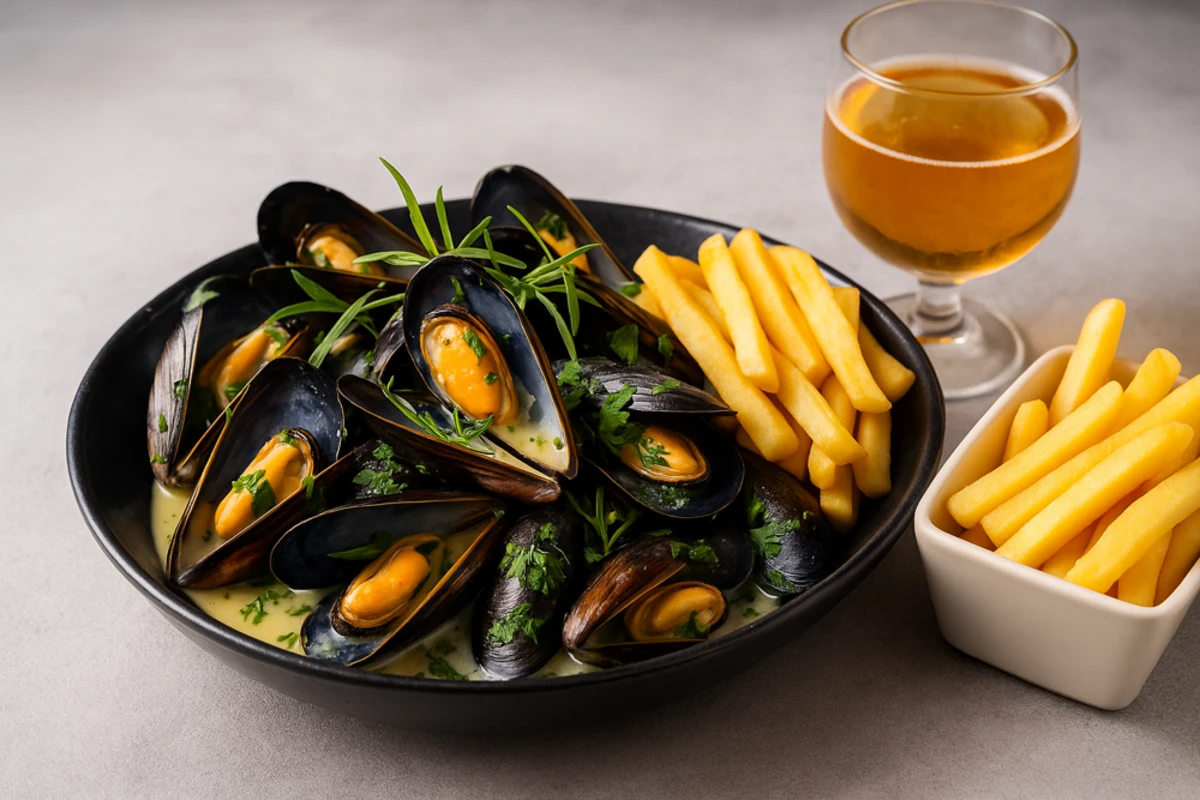
Moules Marinières with Cider and Tarragon: Recipe & Wine Pairing
Moules Marinières with Cider and Tarragon: A Coastal Classic for Wine Lovers
Few dishes feel as effortlessly elegant—and secretly simple—as moules marinières. In this cozy twist, briny mussels are steamed in hard cider with shallots, garlic, and fresh tarragon, creating a fragrant broth that begs for a hunk of crusty bread and a perfectly chilled glass of wine. It’s fast enough for a weeknight and impressive enough for a dinner party.
If you love exploring wine pairing at home, this mussels mariniere recipe is a dream: the salty, herbal, gently sweet broth is incredibly wine‑friendly, and you can pour everything from crisp American whites to classic French bottles. With Vinomat at your side, you can fine‑tune the pairing in seconds.
About This Dish
At its heart, moules marinières—literally “sailor‑style mussels”—is a traditional preparation from Northern France, especially Normandy, where mussels are plentiful and dairy, apples, and cider are kitchen staples. Classic versions feature mussels quickly steamed with white wine, shallots or onions, herbs, and butter, sometimes finished with a splash of cream.
This version leans into that Normandy heritage by swapping the usual white wine for hard cider and highlighting tarragon, a French favorite herb with a delicate anise note. The result is a broth that tastes like the sea rolling into an apple orchard: briny, gently sweet, herbal, and rich with butter.
Why has moules marinières become such a beloved dish worldwide?
- It feels restaurant‑fancy, but cooks in under 20 minutes.
- Mussels are one of the most affordable sustainable seafoods in the U.S., often far cheaper than shrimp or salmon.
- The recipe is very forgiving and endlessly adaptable—swap herbs, change the liquid, add cream, or keep it light.
- It’s perfect for wine lovers: the sauce is all about aromatics, acid, and salinity—exactly what many wines love.
For American home cooks, this cider‑and‑tarragon variation is a great way to experience classic moules marinières with a playful, modern spin that still respects its French roots.
Key Ingredients & Their Role
To make this mussels moules marinieres recipe unforgettable, every ingredient has a job to do—both in the dish and in how it interacts with wine.
Mussels Mussels bring the core briny, oceanic flavor. When they steam, they release their own natural juices into the pot, deepening the broth with savory, slightly sweet seafood notes. Their salinity and umami call for wines with bright acidity and clean, refreshing finishes so the pairing feels lifted rather than heavy.
Hard Cider Instead of the usual white wine, dry or semi‑dry hard cider adds a gentle apple sweetness, freshness, and light fizz. That touch of fruit softens the brininess and makes the broth feel rounder. Cider also echoes flavors you often find in wine (apple, pear, stone fruit), which opens the door to pairings with crisp whites and sparkling wines.
Shallots and Garlic Shallots provide a sweet, delicate onion flavor, while garlic adds warmth and depth. Together, they create the savory backbone of the broth. For pairing, these aromatics favor wines that are fragrant but not overly oaky—think Sauvignon Blanc, unoaked Chardonnay, or dry Riesling.
Butter Butter enriches the broth, adding silkiness and body. It’s what makes the sauce feel restaurant‑worthy. This richness pairs nicely with wines that have a creamy texture or a bit of weight—like a lightly oaked Chardonnay—or with high‑acid wines that can cut through the richness.
Tarragon Tarragon brings a fresh, slightly anise, herbal note, different from the more familiar parsley or thyme used in many moules marinières. Its aromatic, almost fennel‑like character plays beautifully with wines that show herbal, citrus, or floral notes, such as Loire Sauvignon Blanc, Albariño, or certain Oregon whites.
Fresh Herbs (Parsley, Optional) Parsley, if you add it, emphasizes brightness and a “green” freshness. It boosts the dish’s affinity for zippy, high‑acid wines.
Lemon A squeeze of lemon at the end adds acidity and sparkle, keeping everything lively. That acidity mirrors the structure in many wines, helping the pairing feel seamless.
All together, these ingredients create a salty‑herbal, gently sweet, buttery broth that’s made for sipping between mussels—and for dialing in a perfect wine recommendation, whether you’re browsing the shelves at Total Wine, Trader Joe’s, or your local bottle shop.
Recipe: Mussels Marinières with Cider and Tarragon
This recipe mussels mariniere is designed to be straightforward and weeknight‑friendly, but special enough for guests.
At a Glance
- Serves: 2 as a main, 4 as an appetizer
- Prep Time: 20 minutes
- Cook Time: 10 minutes
- Total Time: 30 minutes
- Difficulty: Easy
Ingredients
For the mussels:
- 2 pounds fresh mussels, cleaned and debearded
- 2 tablespoons all‑purpose flour (for soaking/cleaning)
- 2 tablespoons unsalted butter
- 1 tablespoon olive oil
- 2 medium shallots, finely minced
- 3 cloves garlic, finely minced
- 1 cup dry or semi‑dry hard cider
- ½ cup low‑sodium seafood stock or water (optional, for extra broth)
- 2–3 sprigs fresh tarragon, leaves stripped and roughly chopped
- 2 tablespoons chopped fresh flat‑leaf parsley (optional, for garnish)
- ½ teaspoon kosher salt, plus more to taste
- ¼ teaspoon freshly ground black pepper
- 1–2 teaspoons fresh lemon juice, or to taste
To serve:
- Warm crusty baguette or sourdough, for dipping
- Lemon wedges
- Extra chopped tarragon or parsley
Step‑by‑Step Instructions
- Clean the mussels
- Sort through the mussels and discard any with cracked shells or any that stay open when you tap them gently on the counter.
- In a large bowl, combine cold water with the flour and stir. Add the mussels and let them soak for about 20 minutes. This helps them purge any sand, a classic technique used in many moules marinières preparations.
- Lift the mussels out of the water (do not pour them out, or the sand settles back on them). Rinse well under cold water, scrubbing the shells with a brush. Remove any “beards” by pulling them toward the hinge of the shell.
- Start the aromatic base
- In a large, wide pot or deep sauté pan with a lid, heat the butter and olive oil over medium heat.
- Add the shallots and cook for 2–3 minutes until softened and translucent, but not browned.
- Stir in the garlic and cook for another 30 seconds to 1 minute, just until fragrant.
- Build the cider broth
- Pour in the hard cider and, if using, the seafood stock or water.
- Add half of the chopped tarragon, along with the salt and pepper.
- Bring the mixture to a lively simmer over medium‑high heat and let it cook for 3–4 minutes to meld the flavors.
- Steam the mussels
- Increase the heat to high, add the mussels to the pot, and quickly cover with a lid.
- Cook for 4–6 minutes, shaking the pan once or twice, until the mussels have opened. Avoid overcooking—they’re done as soon as the shells open wide.
- Remove from the heat. Discard any mussels that remain closed.
- Finish the sauce
- Taste the broth and adjust seasoning with more salt, pepper, or a squeeze of lemon juice.
- Stir in the remaining tarragon and most of the parsley, if using.
- Serve
- Divide the mussels among warm, wide bowls.
- Ladle plenty of the cider‑tarragon broth over the top.
- Garnish with the reserved herbs and serve immediately with crusty bread and lemon wedges.
Nutrition & Dietary Notes (Approximate, per main‑course serving)
- Calories: ~500–550
- Protein: ~35–40 g
- Fat: ~20–25 g
- Carbohydrates: ~25–30 g
- Sodium: Moderate, depending on stock and added salt
Dietary information:
- Pescatarian‑friendly
- Contains gluten (from flour and bread; you can use gluten‑free flour and bread if needed)
- Contains dairy (butter; substitute a good olive oil to make it dairy‑free)
- Shellfish allergy risk: contains mussels
Perfect Wine Pairings for Moules Marinières with Cider and Tarragon
Because this mussels mariniere recipe leans on cider and tarragon, the best wines are those that echo its freshness while cutting through the buttery, salty broth. Think bright acidity, low tannins, and moderate alcohol, with either citrus‑herbal or orchard‑fruit notes.
What to Look For in a Wine
- Body: Light to medium‑bodied whites or sparkling wines; avoid heavy, high‑alcohol, or very oaky styles.
- Acidity: Medium‑plus to high acidity to balance butter and brine.
- Tannins: Very low; tannic reds clash with shellfish and can create metallic flavors.
- Flavors: Citrus, green apple, pear, subtle stone fruit, and gentle herbal or mineral notes pair beautifully.
1. Sauvignon Blanc (USA & Loire Valley)
A classic partner for moules marinières. Sauvignon Blanc has bright acidity and citrus, green apple, and herbal notes that mirror the lemon and tarragon.
- From the U.S.: Look for Sonoma or Napa Sauvignon Blanc with crisp, zesty profiles. Many excellent options are in the $15–$25 range at Total Wine or BevMo.
- From France: A Loire Valley Sancerre or Pouilly‑Fumé offers flinty minerality that loves salty mussels.
2. Unoaked or Lightly Oaked Chardonnay (California & Burgundy)
Chardonnay’s round texture and apple/pear notes echo the cider while its acidity cuts the butter.
- California: Choose coastal Sonoma or Carneros bottlings labeled “unoaked” or “minimal oak” in the $18–$30 range from Trader Joe’s or local shops.
- France: A Mâcon‑Villages or Chablis (often available at Total Wine) pairs beautifully with shellfish.
3. Albariño or Spanish/Portuguese Coastal Whites
Albariño from Rías Baixas or a Vinho Verde is tailor‑made for seafood. Expect lime, green apple, saline minerality, and bright acidity.
- Widely available in the $13–$22 range at BevMo and grocery stores.
- The saline character is a direct echo of the sea in this moules marinières recipe.
4. Sparkling Wine (Cava, Crémant, or American Brut)
Bubbles plus briny mussels is an instant celebration.
- American: Look for a brut sparkling wine from California—Sonoma, Mendocino, or Washington State—in the $18–$28 range.
- Imports: Spanish Cava or French Crémant offers excellent value and crisp acidity, easily found at Total Wine and Trader Joe’s.
Can I Serve Red Wine?
If you prefer red, choose a light‑bodied, low‑tannin style, slightly chilled:
- Oregon Pinot Noir or a light California Pinot in the $20–$30 range
- Focus on delicate, red‑fruit driven bottles; avoid heavy oak and big tannins.
For more personalized wine recommendations—tailored to the exact bottle you have or your local store’s selection—use Vinomat to scan, compare, and match wines to this exact moules marinières recipe in seconds.
Cooking Tips & Techniques
A few pro tips make the difference between decent mussels and truly memorable moules marinières with cider and tarragon.
1. Buy and store mussels properly
- Buy mussels from a reputable fish counter; they should smell like the ocean, never fishy.
- Cook them the same day you buy them whenever possible.
- Store mussels in the fridge in a bowl covered with a damp towel—never submerged in water or sealed airtight.
2. Clean carefully
- Soaking in cold water with a little flour helps them purge grit, a technique common in classic moules marinières preparations.
- Scrub the shells and remove any beards just before cooking.
3. Don’t overcook
- Mussels cook fast—once the pot comes to a strong steam, they need only a few minutes.
- As soon as the shells open wide, they’re done. Overcooked mussels become rubbery.
4. Use a wide pot
- Mussels need room to open. A broad pot or deep sauté pan helps them cook evenly.
5. Taste the broth at the end
- Adjust salt and acidity right before serving. A squeeze of lemon or pinch of salt can transform the broth from good to unforgettable.
6. Keep the heat controlled
- Soften shallots gently; if they brown, they add bitterness.
- Bring the cider to a lively simmer before adding mussels so you get quick steam instead of a slow stew.
Serving Suggestions
Mussels are as much about the broth as the shellfish themselves, and this cider‑tarragon version of moules marinières makes for a complete, satisfying meal with just a few simple sides.
Bread is non‑negotiable Serve with a warm, crusty baguette, sourdough, or rustic country loaf. The broth is rich, salty, herbal, and gently sweet—you will want every drop.
Simple sides
- French fries or roasted potatoes for a moules‑frites feel.
- Green salad with a sharp vinaigrette to cut the richness.
- Steamed green beans or asparagus with olive oil and lemon.
How to present
- Use wide, shallow bowls so the mussels sit in a generous puddle of broth.
- Provide a separate bowl for empty shells and plenty of napkins.
- Place a small ladle or spoon on the table so guests can top up their broth.
Wine on the table Chill your chosen bottle—Sauvignon Blanc, Albariño, or a crisp sparkling wine—so it’s cool but not icy. Keep it within arm’s reach so guests can sip, taste a mussel, and then sip again, experiencing the full food‑and‑wine harmony.
For an elevated experience, open two different styles (for example, a California Sauvignon Blanc and a Loire white) and use Vinomat to compare which pairing you like best with this moules marinières recipe.
Conclusion
This cider‑and‑tarragon take on moules marinières proves that restaurant‑level seafood and thoughtful wine pairing are absolutely within reach of the home kitchen. In about 30 minutes, you can put a fragrant pot of mussels on the table, tear into crusty bread, and explore how different wines—from California Sauvignon Blanc to French sparkling—play with the salty, herbal broth.
Whether you’re new to cooking shellfish or already have a favorite recipe mussels mariniere, this version invites you to slow down, pour a glass, and enjoy the ritual. And when you’re ready to branch out—trying new bottles from Oregon, Washington, Italy, or Spain—let Vinomat be your smart guide to the perfect pairing for every future moules marinières night.