


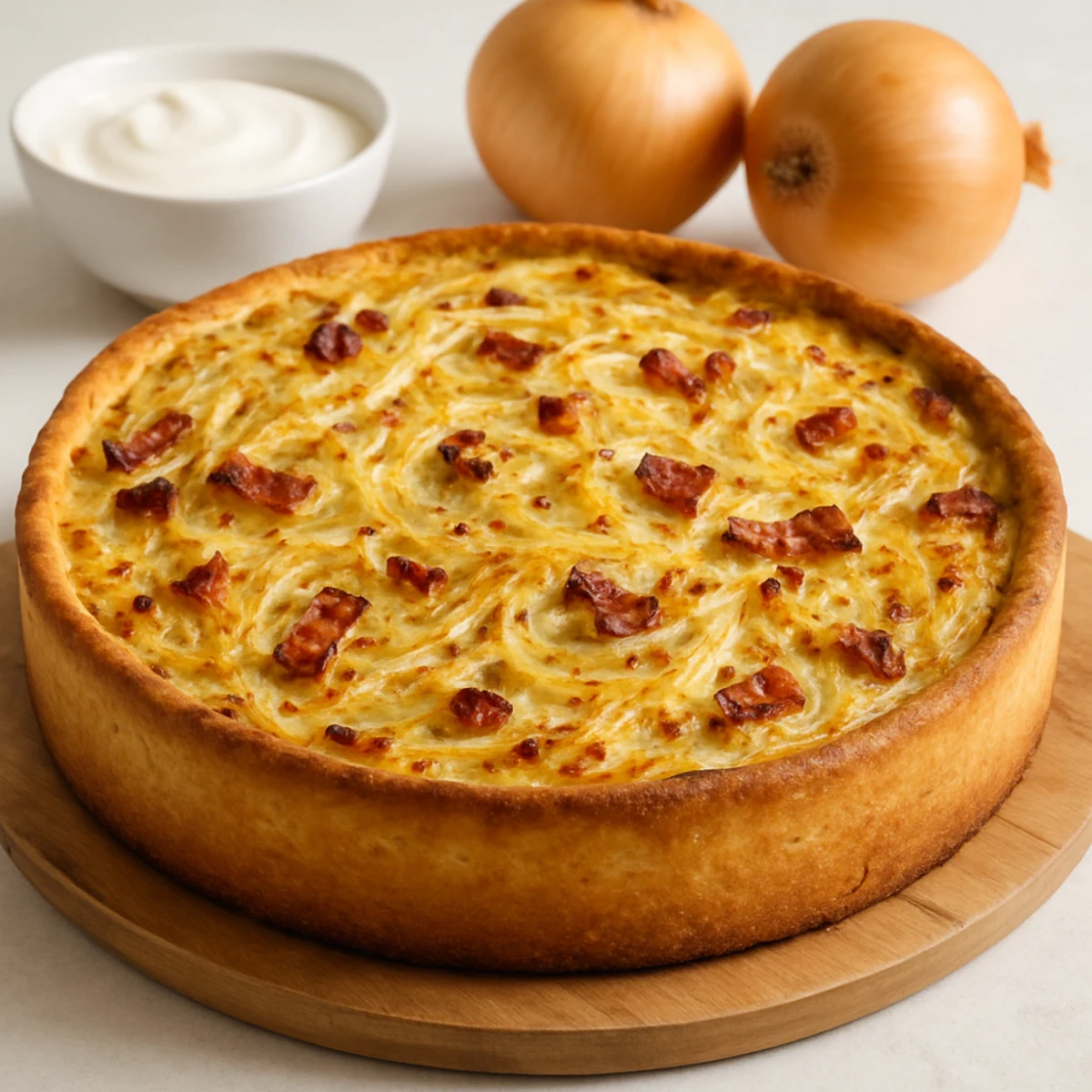
Onion Tart & Wine Pairing: A Cozy, Savory Showstopper
Introduction
Few dishes capture cold-weather comfort like a bubbling Onion Tart fresh from the oven. Golden on top, creamy inside, with the aroma of slowly cooked onions and smoky bacon, it’s the kind of recipe that makes everyone drift into the kitchen to see what’s baking. Better yet, this is the kind of dish that practically begs for a thoughtful wine pairing.
In this post, we’ll explore a German-inspired Onion Tart (Zwiebelkuchen) that’s surprisingly doable for home cooks, yet special enough for a dinner party. You’ll get a detailed, step-by-step recipe, expert guidance on choosing the right wine for Onion Tart, plus smart serving ideas to turn a simple night in into a cozy bistro experience at home.
Whether you shop at Total Wine, Trader Joe’s, BevMo, or your favorite local wine shop, you’ll come away with clear wine recommendations and an easy way to find your perfect match with tools like Vinomat.
About This Dish
This Onion Tart is inspired by Zwiebelkuchen, a traditional savory tart from southwestern Germany, especially the wine regions of Baden and the Palatinate. In wine country, it’s a seasonal staple: served in simple taverns alongside fresh white wine during harvest time. Imagine rustic wooden tables, new vintages being poured, and a warm tart landing in front of you while the air smells like toasted crust and sweet onions.
Unlike a quiche that leans heavily on cream and cheese, this tart is all about onions, bacon, and sour cream. The texture is heartier and more rustic, with a yeast-based dough instead of a flaky pastry crust. That dough makes it feel almost like a cross between a savory pie and a flatbread—easy to slice and share with friends.
In the United States, Onion Tart fits seamlessly into our diverse food culture. It’s comforting like classic American pot pies, but with a European wine-country twist. It works as:
- A cozy main course with a simple salad
- A crowd-pleasing brunch dish
- An appetizer cut into smaller wedges for parties
Because the flavor profile is savory, gently spicy, smoky, and creamy, it’s also a fantastic canvas for exploring wine pairing. Wines from California, Oregon, Washington, and Europe all find a place at the table here, making this a great dish for curious wine lovers who enjoy discovering their next perfect match.
Key Ingredients & Their Role
The beauty of this Onion Tart is that it takes humble ingredients and turns them into something layered and complex. Understanding how those ingredients work helps you cook better—and choose the right wine.
Onions
Yellow onions are the star. Thinly sliced and slowly cooked, they become soft, sweet, and aromatic without being fully caramelized. Their natural sugars concentrate, giving the tart a gentle sweetness that balances the richness of the bacon and sour cream.
From a wine perspective, that sweetness matters. It nudges you toward wines with bright acidity to keep the dish from feeling heavy, and away from very tannic reds that might clash with the mild sweetness of the onions.
Bacon
Bacon brings smoke, salt, and umami. Those savory notes are what make the tart so satisfying and what link it beautifully with wine. The smokiness plays well with light, earthy reds (like Pinot Noir) and some oak-kissed whites, while the saltiness can make a fresh, crisp white feel even more vibrant.
When you think about wine pairing, bacon points you toward bottles that can handle richness: wines with enough structure and flavor intensity not to be overwhelmed.
Sour Cream & Eggs
Sour cream and eggs create the silky filling that holds everything together. The sour cream adds a subtle tang and creaminess; the eggs give structure and a custard-like texture. This combination makes the tart rich and comforting, but not heavy in a cheesy way.
For wine, that creaminess again suggests good acidity as a key trait. Wines with lively acidity cut through the richness of the custard, refreshing your palate between bites.
Nutmeg & Black Pepper
Just a pinch of nutmeg and black pepper deepens the flavor. Nutmeg adds warm, almost sweet spice; black pepper gives a gentle heat. Together, they lend complexity to the onion-bacon mixture.
These subtle spices pair nicely with aromatic whites (think floral or lightly spicy notes) and soft, spicy reds that show hints of clove, allspice, or pepper.
Yeast Dough Base
Instead of a classic pie crust, this recipe uses a simple yeast dough: tender yet slightly chewy, with a pleasant bread-like character. It soaks up some of the filling while staying sturdy enough to slice.
That bread-like base makes the dish feel at home with food-friendly table wines—the same kind of wines you’d enjoy with pizza, flatbreads, or quiche. Think approachable, versatile bottles in the $15–$30 range, easily found at U.S. retailers.
Recipe
| Prep Time | 30 minutes |
|---|---|
| Cook Time | 20 minutes |
| Total Time | 50 minutes |
| Servings | 4 |
| Difficulty | Moderate |
Ingredients:
- 250g All-purpose flour
- 7g (1 packet) Active dry yeast
- 1 tsp Sugar
- 125ml Warm milk (whole milk)
- 2 tbsp Butter (unsalted, melted)
- 1 tsp Salt
- 500g Yellow onions (thinly sliced)
- 150g Bacon (diced)
- 200g Sour cream
- 2 Eggs
- 1/4 tsp Nutmeg (freshly grated)
- 1/2 tsp Black pepper (ground)
- 1 tsp Butter (for greasing)
Instructions:
- Prepare the yeast dough: In a small bowl, dissolve the sugar and yeast in warm milk. Let it sit for 10 minutes until frothy.
- In a large bowl, mix the flour and salt. Add the melted butter and frothy yeast mixture. Knead the dough until smooth, then cover and let rise in a warm place for about 30 minutes or until it doubles in size.
- While the dough is rising, prepare the filling: Slice the onions thinly and dice the bacon.
- In a large frying pan, cook the bacon over medium heat until crispy. Remove and drain on paper towels, leaving the fat in the pan.
- Add the sliced onions to the pan and cook over medium heat until they are softened but not browned, about 10 minutes. Allow to cool slightly.
- In a bowl, whisk together the eggs, sour cream, nutmeg, salt, and black pepper. Stir in the cooked onions and bacon.
- Preheat the oven to 200°C (390°F) and grease a 9-inch springform pan with butter.
- Roll out the dough into a circle and press it into the bottom and sides of the prepared pan. Trim any overhanging edges.
- Pour the onion and bacon mixture into the dough-lined pan, spreading it evenly.
- Bake in the middle of the oven for 35-40 minutes, or until the filling is set and the top is golden brown.
- Let the Zwiebelkuchen cool slightly before slicing. Serve warm or at room temperature, optionally garnished with a dollop of sour cream on the side.
Nutrition Facts (per serving):
- Calories: 430 kcal
- Protein: 12.0g
- Fat: 25.0g
- Carbohydrates: 38.0g
- Salt: 2.0g
Dietary Information: Contains gluten, Contains dairy, Nut-free
Perfect Wine Pairings
This Onion Tart is wonderfully flexible when it comes to wine pairing. Its key traits—soft sweetness from onions, smokiness from bacon, creamy texture from sour cream—call for wines with bright acidity, moderate alcohol, and either gentle fruit or subtle earthiness.
Here are styles that are a perfect match for this recipe, with options that are easy to find in the U.S. at places like Total Wine, Trader Joe’s, BevMo, and local bottle shops.
1. German-Style Whites (Riesling, Pinot Blanc)
Since Onion Tart is rooted in German wine country, it’s no surprise that German-style whites shine as a wine for Onion Tart:
- Dry or off-dry Riesling: Look for bottles from Germany (Mosel, Rheingau, Pfalz) or dry Rieslings from Washington State. The crisp acidity cuts through the sour cream and bacon, while subtle sweetness plays beautifully with the onions.
- Pinot Blanc / Weissburgunder: Soft, rounded, with gentle apple and pear notes and balanced acidity.
At U.S. retailers, you’ll often find solid Riesling in the $15–$25 range. Check German selections at Total Wine or ask at your local shop for a dry style if you don’t want noticeable sweetness.
2. Oregon Pinot Noir
If you prefer red, Oregon Pinot Noir is one of the best wine recommendations for this dish. It’s typically light to medium-bodied, with bright cherry and raspberry fruit, subtle earth, and fine tannins.
Why it works:
- Gentle tannins won’t overpower the onions.
- Red fruit and earthy notes echo the savory, smoky bacon.
- Fresh acidity keeps the creamy filling from feeling too heavy.
Look for Willamette Valley Pinot Noir in the $20–$30 range at BevMo or Total Wine. Trader Joe’s often carries value bottlings under $20 that can still be a great match.
3. California Chardonnay (Unoaked or Lightly Oaked)
A Chardonnay with restraint—unoaked or lightly oaked—can be a lovely partner. You want something with:
- Fresh acidity
- Moderate body
- Subtle oak (if any), not a butter bomb
These wines echo the creamy sour cream and eggs, while that brightness in the finish refreshes your palate. Look for bottles from cooler-climate California regions (Sonoma Coast, Santa Barbara, Carneros) in the $15–$30 bracket.
4. Sparkling Wine (Cava, Crémant, American Bubbly)
Sparkling wine is an underrated wine pairing for Onion Tart. The bubbles and high acidity are perfect for cutting through bacon and sour cream, and the salty, savory flavors make each sip taste brighter.
Great options include:
- Cava from Spain
- Crémant from France (e.g., Crémant d’Alsace or Crémant de Bourgogne)
- California sparkling wine from producers in Napa or Sonoma
These are widely available at Total Wine, Trader Joe’s, and BevMo, often in the $15–$25 range.
5. Other European Options
If you love Old World imports, consider:
- French Alsace Pinot Gris: Rich, slightly spicy, great with creamy, oniony dishes.
- Northern Italian whites (Pinot Grigio from Alto Adige, Soave): Crisp and refreshing, great if you prefer a lighter wine.
When in doubt, open Vinomat alongside this recipe. Plug in “Onion Tart with bacon and sour cream,” and you’ll get tailored wine recommendations based on your flavor preferences and what’s stocked near you.
Cooking Tips & Techniques
This Onion Tart is straightforward, but a few professional-style tips will help you nail it every time.
Manage the Onions
- Slice evenly: Aim for thin, uniform slices so they cook at the same rate.
- Soften, don’t brown: Cook over medium heat until translucent and tender, but not deeply caramelized. Browning will change the flavor and can make the tart too sweet.
Respect the Yeast Dough
- Check your yeast: Make sure it foams when mixed with warm milk and sugar. If it doesn’t, your yeast may be inactive.
- Warm rising spot: Yeast dough likes a draft-free, warm environment. Near (but not on) the stove or in an off oven with the light on works well.
- Don’t overwork: Knead just until smooth and elastic. Over-kneading can make the crust tough.
Balance the Filling
- Cool the onions and bacon slightly before combining with the eggs and sour cream so you don’t scramble the eggs.
- Taste the onion-bacon mixture for salt before adding more; bacon can already be quite salty.
Bake for the Right Texture
- Bake until the center is set: Gently wiggle the pan; it should look firm, with maybe the slightest jiggle in the very center.
- A deep golden top equals deeper flavor. If the top is pale and the center is firm, give it a few extra minutes.
If you plan to serve this for guests, you can bake the tart earlier in the day and reheat gently in a 300°F oven until warmed through.
Serving Suggestions
Onion Tart is versatile, making it perfect for casual weeknights and relaxed entertaining alike.
- Temperature: Serve slightly warm or at room temperature. This allows the flavors of onion, bacon, and nutmeg to really open up.
- Portions: For a main course, cut into wedges and serve with a crisp green salad (think arugula with a lemony vinaigrette). For appetizers, slice into smaller squares or narrow wedges.
- Accompaniments: A simple salad with mustard or vinegar-based dressing is ideal—it mirrors the acidity of your wine pairing and keeps the meal balanced.
- Table setting: Lean into a wine-tavern feel: wooden board or rustic platter for the tart, small plates, and your chosen bottle of white, sparkling, or light red.
If you’re hosting a wine for Onion Tart tasting, open one white and one red—say a dry Riesling and an Oregon Pinot Noir—and let everyone decide their own perfect match. Vinomat can help you fine-tune those choices, suggesting similar bottles that fit your style and budget.
Conclusion
This Onion Tart is more than just a comforting, savory recipe—it’s a little trip to European wine country, right from your own kitchen. With its sweet-savory onions, smoky bacon, and creamy filling, it offers endless possibilities for thoughtful wine pairing, from bright Riesling to elegant Pinot Noir.
Next time you’re at Total Wine, Trader Joe’s, BevMo, or your local wine shop, grab a bottle using this guide—or open Vinomat to get a personalized wine recommendation for your Onion Tart. Then pour a glass, slice into that golden tart, and enjoy the simple pleasure of a truly perfect match at home.