


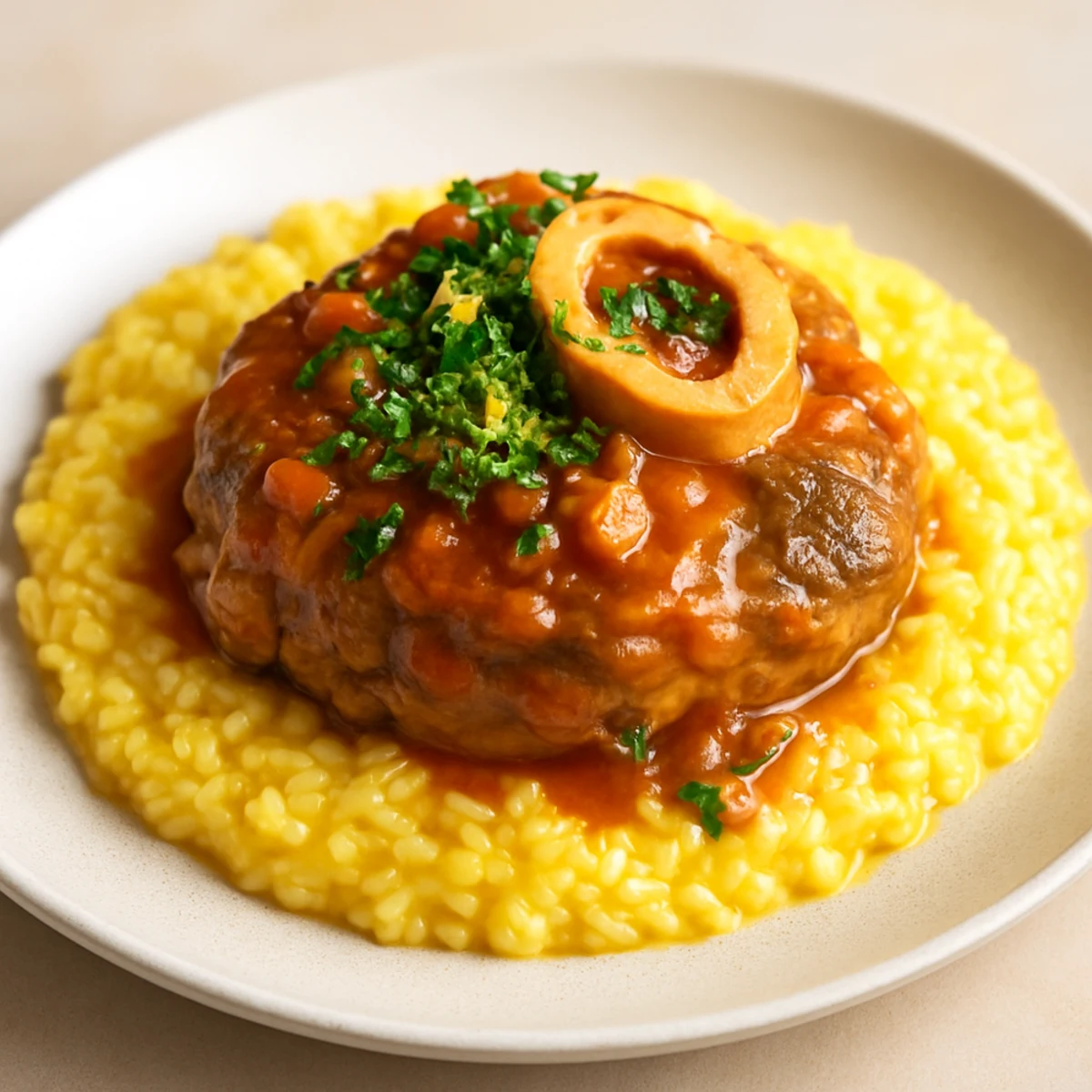
Ossobuco Milanese: The Ultimate Guide & Perfect Wine Pairings
Introduction
Few Italian dishes capture the imagination—and appetite—quite like ossobuco. This classic Milanese specialty, featuring tender veal shanks braised with aromatics and tomatoes, is a celebration of rich flavors and comforting tradition. But what truly elevates ossobuco from comforting to unforgettable is the perfect wine pairing. Whether you're a food enthusiast, home cook, or wine lover looking to impress at your next dinner party, mastering ossobuco Milanese and its ideal wine match is a delicious way to bring a taste of Italy into your home.
Picture this: the aroma of slow-cooked veal, vegetables, and saffron-infused risotto wafting through your kitchen, and a glass of expertly chosen wine in hand. The good news? With accessible ingredients and wines available at local shops like Total Wine, Trader Joe's, and neighborhood grocers, you can make this show-stopping meal a reality, no matter where you live in the United States.
About This Dish
Ossobuco—literally "bone with a hole" in Italian—is Milan’s answer to the ultimate comfort food. Traditionally known as osso buco alla milanese, this dish originated in the heart of Lombardy, where centuries-old culinary tradition meets the innovation of modern kitchens. It’s a celebration of simplicity and depth: cross-cut veal shanks, slow-braised until meltingly tender, releasing marrow into a rich, savory sauce that gets its brightness from a fresh gremolata (a mix of lemon, garlic, and parsley).
The dish’s roots date back to the 19th century, where it was often served as a festive meal for families gathering in the chilly winters of Northern Italy. Today, ossobuco alla milanese is a staple on both home and restaurant tables worldwide, prized for its combination of umami and acidity, and its ability to both comfort and impress. When paired with a creamy saffron risotto—another Milanese icon—the meal becomes a symphony of flavors and textures.
Ossobuco’s appeal lies not just in its taste but in its ritual: the anticipation as it braises, the joy of scooping out the marrow, the lively conversation it encourages around the table. For American cooks and wine lovers, it’s an ideal centerpiece for special occasions or when you want to treat yourself to genuine Italian hospitality—no passport required.
Key Ingredients & Their Role
What makes ossobuco so special? It’s the interplay of a handful of thoughtfully chosen ingredients that each lend their own character to the dish:
- Veal Shank: The star of ossobuco is the cross-cut veal shank, bone-in, which provides both tender meat and the prized bone marrow at the center. As the shank braises, the marrow melts into the sauce, enriching it with silky, savory depth.
- Soffritto (Carrot, Celery, Onion): This trio forms the aromatic backbone, infusing the dish with sweetness and balance. The finely chopped vegetables caramelize gently, layering in subtle flavors and providing a natural bridge to wine pairings with good acidity.
- Tomato: Adds a gentle acidity and umami punch, keeping the sauce vibrant and preventing it from becoming too heavy. This touch of acidity also opens up more possibilities for both white and red wine pairings.
- Dry White Wine: Used for deglazing the pot, the wine’s acidity helps tenderize the veal and adds complexity to the sauce. Choosing a wine for cooking that you’d also enjoy drinking is key—think crisp, food-friendly whites like Pinot Grigio or Sauvignon Blanc.
- Beef Stock: Deepens the sauce and provides the necessary liquid for slow braising.
- Gremolata: A fresh blend of parsley, garlic, and lemon zest, gremolata is always added at the end to brighten up the rich flavors and add a pop of color and aroma.
- Saffron Risotto: The classic accompaniment, risotto alla Milanese, features Arborio or Carnaroli rice gently cooked with saffron threads for a golden hue and delicate flavor. Its creamy texture is the perfect foil to the fork-tender veal.
Wine Pairing Considerations: The combination of umami-rich veal, aromatic soffritto, and acidity from tomatoes and wine calls for wines with good structure, freshness, and either moderate tannins (for reds) or lively acidity (for whites). The dish’s richness means the wine should be full enough to stand up to the flavors, but not so bold that it overwhelms the subtlety of the veal and gremolata.
Recipe
| Prep Time | 30 minutes |
|---|---|
| Cook Time | 150 minutes |
| Total Time | 180 minutes |
| Servings | 4 |
| Difficulty | Moderate |
Ingredients:
- 4 pieces, about 150-180g each Veal shanks (Veal Shank), cut into 4 pieces
- 3 tbsp Butter
- 1 medium (about 100g) Carrot, finely chopped
- 2 stalks Celery stalk, finely chopped
- 1 medium (about 100g) Onion, finely chopped
- 400g Tomato, peeled and chopped
- 1 cup Dry white wine (White Wine)
- 3 cups Beef stock (Meat Broth)
- 2 tbsp Olive oil
- to taste Salt
- to taste Black pepper, freshly ground
- 3 tbsp Gremolata (Fresh parsley, finely chopped)
- 1 tsp Gremolata (Garlic, minced)
- 1 tsp Gremolata (Lemon zest, finely grated)
- 1 1/4 cups Arborio or Carnaroli rice
- 1/4 tsp Saffron threads
- 1/2 cup Parmesan cheese, freshly grated
- 2 tbsp Butter for risotto finishing
- 1 small shallot Shallots, finely chopped
Instructions:
- Prepare the gremolata by finely chopping the fresh parsley, mincing the garlic, and zesting the lemon with a microplane or zester. Mix together and set aside.
- Finely chop the carrot, celery stalks, onion, and shallot separately. Peel and finely chop the tomatoes.
- Pat dry the veal shanks and season both sides generously with salt and freshly ground black pepper.
- In a large heavy-based pot or Dutch oven, heat 2 tablespoons olive oil and 2 tablespoons butter over medium-high heat. Sear the veal shanks on all sides until deeply browned, approximately 4 minutes per side. Remove and set aside.
- Lower the heat to medium. Add the chopped onion, carrot, celery, and shallot to the pot. Gently sauté until softened and fragrant, about 8 minutes.
- Add the chopped tomatoes to the pot and cook for another 5 minutes to release their juices.
- Deglaze the pot by pouring in 1 cup of dry white wine, scraping any browned bits from the bottom carefully. Allow the wine to reduce by half over medium heat, about 8 minutes.
- Return the veal shanks to the pot, nestling them into the tomato vegetable base. Add 3 cups of beef stock, making sure the shanks are partially submerged.
- Bring the liquid to a gentle simmer, cover with a lid, reduce heat to low, and let cook slowly for 2 to 2.5 hours. The meat should become very tender and nearly falling off the bone.
- While the meat is cooking, prepare the saffron risotto. In a saucepan, warm 4 cups of beef stock and keep hot.
- In a separate wide pan, melt 2 tablespoons butter over medium heat, add the finely chopped shallot and sauté until translucent, about 3 minutes.
- Add the Arborio rice and toast it gently for 2 minutes until slightly translucent around the edges.
- Dissolve the saffron in a small amount of hot stock and add to the rice.
- Add hot stock, about 1/2 cup at a time, stirring frequently and letting the liquid absorb before adding more, over about 18 minutes until the rice is creamy and al dente.
- Finish the risotto with 2 tablespoons unsalted butter and 1/2 cup finely grated Parmesan cheese, seasoning with salt to taste.
- Once the veal shanks are tender, remove them carefully from the pot. Increase heat to medium and reduce the sauce slightly if needed, seasoning with salt and pepper to taste.
- To serve, spread a ring of saffron risotto on each warm plate. Place one veal shank on top. Spoon the rich sauce over the meat and bone marrow.
- Garnish each portion generously with freshly prepared gremolata to brighten the flavors and add a fresh herbal scent.
- Serve immediately, ideally with a glass of the same dry white wine used in cooking.
Nutrition Facts (per serving):
- Calories: 650 kcal
- Protein: 50.0g
- Fat: 25.0g
- Carbohydrates: 50.0g
- Salt: 2.2g
Dietary Information: Gluten-free, Contains dairy, Nut-free
Perfect Wine Pairings
A legendary dish deserves an equally memorable wine. The right bottle not only elevates the flavors of ossobuco Milanese but also enhances your entire dining experience. Here’s how to find your perfect match:
What Makes a Great Wine Pairing for Ossobuco?
- Acidity: Balances the richness of the veal and cuts through the creamy risotto.
- Medium to Full Body: Enough weight to stand up to the sauce, but not so robust as to overpower the delicate veal.
- Moderate Tannins: For reds, moderate tannins complement the umami without clashing with the tomato's acidity.
- Aromatic Complexity: Whites with floral or herbal notes echo the gremolata and saffron.
Top Wine Recommendations
- Northern Italian Whites
- Pinot Grigio (Alto Adige or Friuli): Crisp, with citrus and green apple notes, it matches the gremolata and cuts through the sauce. Widely available at Total Wine and Trader Joe’s, typically $12–$20.
- Verdicchio: Medium-bodied, with herbal and almond notes, pairs beautifully with veal and saffron.
- California Chardonnay (Unoaked or Lightly Oaked)
- Sonoma or Mendocino: Look for unoaked or lightly oaked styles for their refreshing acidity and subtle fruit. These wines (like Sonoma-Cutrer or La Crema) balance richness and freshness—find them at BevMo or local wine shops for $15–$25.
- Oregon Pinot Noir
- Willamette Valley: Light to medium-bodied, bright red fruit, earthy undertones—an ideal partner for ossobuco when you want a red. The gentle tannins and acidity handle both the veal and tomato, while echoing the dish’s earthiness. Try A to Z, Elk Cove, or Underwood (widely stocked at Total Wine and Trader Joe’s, $18–$28).
- Barbera d’Asti or Barbera d’Alba (Italy)
- Vibrant acidity, juicy cherry/plum flavors, and low tannins—Barbera is a classic Italian match for osso buco alla milanese recipe. These are easy to find at most wine retailers in the $15–$25 range.
- Spanish Tempranillo (Rioja Crianza)
- For a slightly bolder, Old World red, Rioja Crianza offers red fruit, herbal, and savory notes with balanced acidity—perfect for the umami and tomato in the sauce.
Wine Shopping Tips:
- Look for deals and recommendations at Total Wine, Trader Joe’s, and BevMo—all offer top picks in the $15–$30 range.
- Don’t hesitate to ask your local wine shop for their best dry white or light red for ossobuco milanese recipe.
- For a seamless experience, use Vinomat to instantly find the perfect wine recommendations based on your local stores and personal taste preferences!
Cooking Tips & Techniques
Achieving restaurant-quality ossobuco at home is all about patience and a few pro moves:
- Choose the Right Cut: Select veal shanks about 1.5 inches thick, with plenty of marrow. The bone is what gives ossobuco its signature richness.
- Sear for Flavor: Take your time browning the veal on all sides—it builds deep, complex flavor in the finished sauce.
- Low and Slow: Braise gently at a low simmer. Rushing this step can leave the meat tough rather than meltingly tender.
- Don’t Skimp on Aromatics: The soffritto (onion, celery, carrot) is essential for a flavorful base.
- Deglaze Diligently: Scrape up all the browned bits after searing the meat—these are flavor gold.
- Monitor Liquid: Keep an eye on the braising liquid; add extra stock if needed to keep the shanks at least halfway submerged.
- Fresh Gremolata Only: Mix the gremolata just before serving for the brightest flavor.
- Risotto Timing: Start the risotto about 30 minutes before the veal is done so everything finishes together. Use hot stock and stir often for the creamiest result.
Common Mistakes to Avoid:
- Overcooking the risotto (mushy texture)
- Letting the pot go dry during braising
- Skipping the gremolata garnish—it’s essential for balance!
Serving Suggestions
Ossobuco Milanese is best served family-style, with the veal shank perched atop a golden ring of saffron risotto. Spoon plenty of the braising sauce and marrow over the top, then finish with a generous sprinkle of gremolata for color and aroma.
- Accompaniments: A simple green salad dressed with lemon vinaigrette, and rustic Italian bread for soaking up the sauce.
- Presentation: Use wide, shallow bowls or plates to showcase the veal and risotto. For a festive touch, serve the marrow bone upright and offer small spoons for guests to enjoy the marrow.
- Wine Service: Open your wine about 30 minutes before serving to let it breathe and come to the right temperature—slightly chilled for whites, just below room temp for reds.
- Atmosphere: Set the mood with Italian music, candles, and your favorite company. Ossobuco is all about savoring the moment.
Conclusion
If you’re ready to experience the magic of ossobuco at home, this authentic ossobuco alla milanese recipe is your gateway to a truly memorable meal. With a thoughtfully chosen wine pairing—whether a bright Pinot Grigio, an Oregon Pinot Noir, or a classic Barbera—you’ll discover new depths of flavor and enjoyment. Explore even more personalized wine matches with Vinomat, your guide to mastering food and wine pairing. Gather your ingredients, uncork a great bottle, and let the flavors of Milan transport you—one bite, and one sip, at a time.