


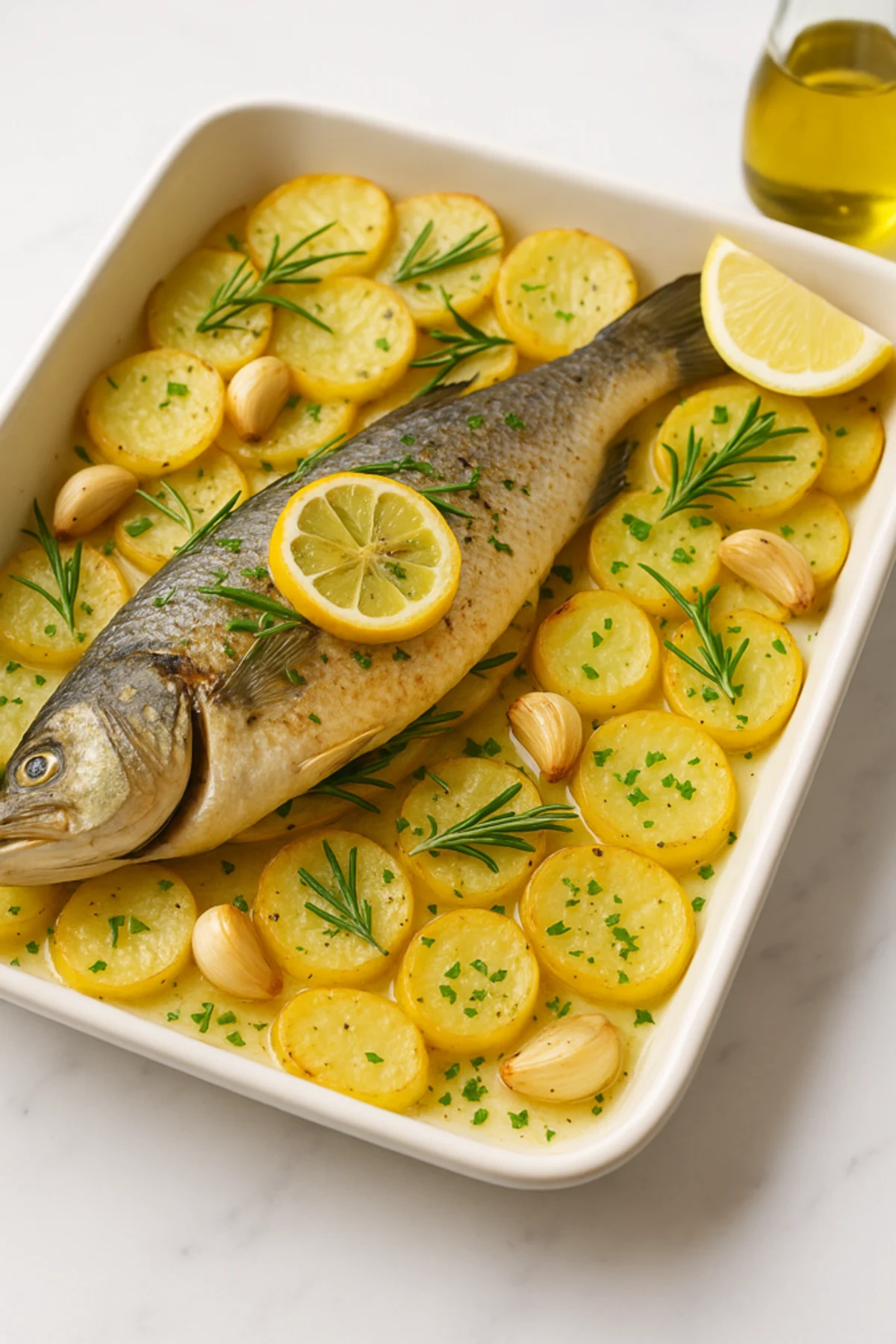
Oven-Baked Branzino with Potatoes and Aromatic Herbs: A Complete Guide
Oven-Baked Branzino with Potatoes and Aromatic Herbs: A Complete Guide
There's something undeniably magical about pulling a whole branzino from the oven—its skin glistening with olive oil, fresh herbs perfuming the air, and the promise of delicate, flaky white fish waiting inside. Branzino, also known as Mediterranean sea bass, has become a favorite among home cooks and restaurant chefs alike, and for good reason. This elegant fish requires minimal fuss but delivers maximum flavor, making it the perfect centerpiece for an impressive weeknight dinner or special occasion meal.
What makes branzino truly special is its versatility and accessibility. Unlike some seafood that demands complicated techniques or hard-to-find ingredients, branzino invites simplicity. Pair it with roasted potatoes and aromatic herbs, and you've created a complete, restaurant-quality dish that your guests will be talking about for weeks. And here's the best part: branzino is an absolute dream when it comes to wine pairing. Whether you're a seasoned wine enthusiast or just beginning to explore wine with food, the delicate nature of this fish opens doors to some truly exceptional pairings.
In this guide, we'll walk you through everything you need to know about preparing oven-baked branzino, from selecting the perfect fish to mastering the cooking technique. We'll also explore the wine pairings that will elevate your meal from simple to extraordinary, helping you discover combinations that make both the food and wine shine brighter together.
About This Dish: Understanding Branzino
Branzino holds a special place in Mediterranean cuisine, particularly in Italian and Greek cooking traditions. This delicate white fish has been a staple in coastal regions for centuries, prized for its mild, slightly sweet flavor and tender flesh. The name "branzino" comes from the Italian word "branzare," and the fish itself is also called Mediterranean sea bass, European sea bass, or simply "branzas."
What distinguishes branzino from other white fish is its texture and subtle flavor profile. The meat is lean yet moist, with a delicate quality that makes it perfect for simple preparations. When you roast a whole branzino, the skin crisps up beautifully while protecting the interior, keeping the flesh incredibly moist and tender. This is why cooking branzino whole—rather than filleted—is so rewarding; the bones add depth to the overall flavor, and the presentation is undeniably impressive.
In Mediterranean cooking, branzino is traditionally prepared with minimal intervention: perhaps some lemon, fresh herbs, quality olive oil, and maybe a few vegetables. This philosophy reflects the Italian and Greek belief that the best dishes let their primary ingredients shine. The beauty of oven-baked branzino lies in this simplicity. When you combine it with roasted potatoes and aromatic herbs like rosemary and oregano, you're creating a dish that's both deeply satisfying and elegantly restrained.
The cultural significance of branzino extends beyond just its flavor. In Mediterranean regions, fish dishes like this one represent a connection to the sea, to tradition, and to a way of eating that prioritizes quality ingredients prepared with respect and care. When you prepare oven-baked branzino at home, you're not just cooking dinner—you're participating in a culinary tradition that spans generations and continents.
Key Ingredients & Their Role: Building Flavor Harmony
The Star: Branzino Fish
The branzino itself is the foundation of this dish, and selecting quality fish is crucial. Look for whole branzino that's been properly cleaned and scaled, typically weighing between one and one-and-a-quarter pounds each. The flesh should be firm, not mushy, and the eyes should be clear and bright—a sign of freshness. When you run your finger along the skin, it should feel smooth and moist, never sticky or dry.
The delicate nature of branzino makes it particularly wine-friendly. Unlike oily fish like salmon or mackerel, branzino doesn't overpower delicate wines. Instead, it creates a canvas that allows lighter, more nuanced wines to express themselves fully. This is why branzino is considered one of the best fish for wine pairing.
Potatoes: The Earthiness Anchor
Roasted potatoes serve multiple purposes in this dish. They provide textural contrast to the tender fish, offer an earthy counterpoint to the branzino's delicate flavor, and create a satisfying, complete meal. The best potatoes for this recipe are Yukon Gold or small new potatoes. These varieties have a naturally buttery flavor and waxy texture that holds up well to roasting without becoming mealy.
When you toss potatoes with olive oil, salt, pepper, and herbs before roasting, they develop a golden, crispy exterior while remaining tender inside. This caramelization adds depth to the overall dish and creates interesting flavor layers that can actually complement wine pairings beautifully. The earthiness of roasted potatoes, for instance, can enhance wines with mineral or earthy notes.
Aromatic Herbs: The Flavor Multipliers
Fresh herbs are where this dish truly comes alive. Rosemary, oregano, parsley, and thyme are traditional choices that work beautifully with branzino. These herbs have several important roles: they perfume the fish as it roasts, they add subtle flavor notes to the overall dish, and they create an aromatic experience that engages multiple senses.
Rosemary, in particular, has a piney, slightly peppery quality that complements the delicate fish without overwhelming it. Oregano brings a Mediterranean warmth, while fresh parsley adds brightness. When these herbs are combined with the natural juices of the fish and the richness of olive oil, they create an aromatic profile that's both sophisticated and comforting.
From a wine perspective, herbs matter too. Dishes heavily seasoned with rosemary and oregano pair beautifully with wines that have herbal notes—think Sauvignon Blancs with grassy undertones or Vermentinos with herbaceous qualities.
Lemon and Garlic: The Flavor Bridges
Fresh lemon juice and sliced lemon rounds stuffed inside the fish cavity serve multiple purposes. Lemon's acidity brightens the branzino's delicate flavor, cuts through any richness from the olive oil, and adds a fresh, clean note to each bite. As the fish roasts, the lemon releases its oils and juice, essentially creating a light sauce that bastes the fish from within.
Garlic, when roasted whole or minced, becomes sweet and mellow. Unlike raw garlic's sharp bite, roasted garlic adds a subtle, savory depth that rounds out the flavors without dominating them. The combination of lemon and garlic is fundamental to Mediterranean cooking, and for good reason—they balance each other perfectly.
Olive Oil: The Binding Element
Quality extra virgin olive oil is non-negotiable in this dish. It's not just a cooking medium; it's an ingredient that contributes its own flavor. A good olive oil adds fruity, sometimes peppery notes that enhance the overall complexity of the dish. When you brush the branzino with olive oil before roasting, you're not only ensuring it cooks evenly and stays moist—you're adding another layer of flavor that will influence your wine pairing choices.
Recipe: Oven-Baked Branzino with Potatoes and Aromatic Herbs
Prep Time: 20 minutes Cook Time: 35-40 minutes Total Time: 55-60 minutes Servings: 2-4 people Difficulty Level: Easy to Intermediate
Ingredients
For the Branzino:
- 2 whole branzino (1 to 1¼ lbs. each), cleaned and scaled
- 4 tablespoons extra virgin olive oil, divided
- 1 teaspoon kosher salt, plus more to taste
- ½ teaspoon freshly ground black pepper, plus more to taste
- 2 lemons, divided
- 4 sprigs fresh rosemary, plus 2 teaspoons chopped
- 3-4 sprigs fresh thyme
- ½ cup fresh parsley, chopped
- 4 cloves garlic, minced or thinly sliced
- ½ teaspoon dried oregano
- ¼ teaspoon paprika
For the Roasted Potatoes:
- 1 pound small new potatoes or Yukon Gold potatoes
- 2 tablespoons extra virgin olive oil
- ½ teaspoon kosher salt
- ¼ teaspoon black pepper
- 1 teaspoon dried oregano
- 2 cloves garlic, crushed
- 2 sprigs fresh rosemary
For Serving:
- Fresh lemon wedges
- Additional fresh herbs for garnish
- Sea salt flakes (optional)
Step-by-Step Instructions
Preparation (15 minutes before cooking):
- Remove the branzino from the refrigerator 15-20 minutes before cooking to allow them to come closer to room temperature. This ensures more even cooking throughout the fish.
- Preheat your oven to 400°F. Line a large baking sheet with aluminum foil and lightly coat it with cooking spray or a thin layer of olive oil to prevent sticking.
- Wash the potatoes under cool running water and scrub them gently. If using larger potatoes, cut them into uniform ¼-inch thick slices or quarter them. Smaller new potatoes can be left whole or halved.
Preparing the Potatoes:
- Place the prepared potatoes in a large bowl. Drizzle with 2 tablespoons of olive oil and add salt, pepper, oregano, crushed garlic cloves, and rosemary sprigs. Toss well until all potatoes are evenly coated.
- Spread the potatoes in a single layer on the prepared baking sheet, allowing them to touch but not overlap too much. This helps them roast evenly and develop crispy edges.
- Place the baking sheet in the preheated 400°F oven and roast for 20 minutes while you prepare the fish.
Preparing the Branzino:
- Pat the branzino dry inside and out with paper towels. This helps the skin crisp up during roasting.
- Generously season the inside and outside of each fish with kosher salt and freshly ground black pepper.
- Thinly slice one of the lemons into rounds. Juice and zest the remaining lemon, setting the juice and zest aside for the finishing sauce.
- Stuff each fish cavity with: several lemon slices, 2 sprigs of fresh rosemary, 1-2 sprigs of fresh thyme, minced garlic, and some of the chopped parsley. Don't overstuff; you want the cavity to close comfortably.
- In a small bowl, combine the remaining 2 tablespoons of olive oil with the lemon juice, zest, chopped rosemary, remaining minced garlic, oregano, and paprika. Brush this mixture generously over both sides of each branzino.
Roasting:
- After the potatoes have roasted for 20 minutes, carefully remove the baking sheet from the oven. Arrange the prepared branzino on top of the potatoes, positioning them so they rest on the potatoes without direct contact with the hot pan.
- Return the baking sheet to the oven and roast for 15-20 minutes, until the branzino is cooked through. The fish is done when the flesh is opaque and flakes easily with a fork, or when an instant-read thermometer inserted into the thickest part of the fish (near the back) reads 145°F.
- The skin should be lightly crisped and golden, and the potatoes should be tender with golden-brown edges.
Finishing:
- Remove the baking sheet from the oven and let rest for 2-3 minutes. Drizzle any pan juices over the fish and potatoes.
- Garnish generously with fresh parsley, additional fresh herbs, and serve immediately with fresh lemon wedges and sea salt flakes if desired.
Nutrition Information (per serving, based on 2 servings)
- Calories: 520
- Protein: 42g
- Fat: 28g
- Carbohydrates: 22g
- Fiber: 3g
- Sodium: 680mg
Dietary Information
- Gluten-Free: Yes
- Dairy-Free: Yes
- Paleo-Friendly: Yes
- Whole30 Compliant: Yes
- Keto-Friendly: Yes (moderate carbs from potatoes)
Perfect Wine Pairings: Elevating Your Branzino Experience
One of the greatest pleasures of cooking oven-baked branzino is exploring the wine pairings that make this dish truly shine. The delicate nature of branzino fish means it plays beautifully with a wide range of wines, from crisp whites to light rosés. The key is understanding what characteristics in wine complement the branzino's subtle flavors and the herbs and potatoes that accompany it.
Understanding the Pairing Logic
When pairing wine with branzino, think about balance and complementarity. The fish is delicate and mild, so you want wines that won't overpower it. The herbs add aromatic qualities, the lemon brings acidity, and the olive oil adds richness—all of these elements influence which wines work best. Wines with good acidity will echo the lemon in the dish, while wines with herbal or mineral notes will complement the rosemary and oregano.
Recommended Wine Pairings
1. Sauvignon Blanc (California or French)
This is perhaps the most classic pairing for branzino. Look for Sauvignon Blancs from Napa Valley or the Loire Valley in France. These wines typically have bright acidity, grassy or herbaceous notes, and a crisp finish that perfectly complements the delicate fish. The acidity cuts through the richness of the olive oil, while the herbal qualities echo the rosemary and oregano in the dish. Try bottles from Total Wine or Trader Joe's in the $15-$25 range. The wine's citrus notes will also harmonize beautifully with the lemon in the recipe.
2. Vermentino (Italian, particularly from Sardinia)
Vermentino is a Mediterranean white wine that seems almost designed for branzino. It has a light, refreshing quality with subtle salinity—almost like a whisper of sea air in a glass. This wine has herbal notes and minerality that complement both the fish and the roasted potatoes. Vermentino is increasingly available at specialty wine shops and some locations of Total Wine, typically in the $18-$28 range. The wine's natural affinity for Mediterranean herbs and seafood makes it an exceptional choice.
3. Pinot Grigio (Italian or Oregon)
While Pinot Grigio sometimes gets dismissed as a casual wine, quality examples from Italy's northeastern regions (particularly Alto Adige) or from Oregon are sophisticated and food-friendly. These wines have good acidity, subtle stone fruit flavors, and a mineral quality that works wonderfully with branzino. Oregon Pinot Grigios, in particular, tend to have more complexity than their Italian counterparts. Look for bottles in the $16-$26 range at Total Wine or your local wine shop.
4. Albariño (Spanish)
If you want to venture slightly outside the typical white wine box, Albariño from Spain's Rías Baixas region is a revelation with branzino. This wine has a beautiful combination of citrus, stone fruit, and a slight saline quality that makes it feel like the perfect companion to Mediterranean seafood. Albariño has enough body to stand up to the roasted potatoes while remaining delicate enough not to overpower the fish. Expect to pay $18-$28 for a quality bottle, available at most Total Wine locations and specialty wine shops.
Alternative Pairing: Dry Rosé
For a lighter, more refreshing option, consider a dry rosé from Provence or California. Rosés have enough acidity and subtle fruit flavors to complement branzino beautifully, while their slight color suggests a wine with more substance than many whites. A quality dry rosé in the $15-$25 range from Trader Joe's or Total Wine can be an excellent choice for warm-weather entertaining.
Wine Pairing Tip
When selecting your wine, look for bottles labeled as "dry" rather than "off-dry" or "semi-sweet." The residual sugar in sweeter wines can clash with the savory herbs and the delicate nature of the branzino. Also, avoid heavily oaked whites, as oak can overpower the subtle flavors of the fish.
Cooking Tips & Techniques: Mastering Oven-Baked Branzino
Selecting and Storing Your Fish
The quality of your branzino starts at the fishmonger. Ask for fish that was caught recently and has been properly stored on ice. If you can't cook the branzino the same day you purchase it, store it in the coldest part of your refrigerator (usually the back of the bottom shelf) on a bed of ice, covered loosely with plastic wrap. Use it within 24 hours for best quality.
When you bring the branzino home, ask the fishmonger to clean and scale it for you. This saves you time and ensures the job is done properly. However, if you need to do it yourself, use the back of a knife or a fish scaler to remove scales by scraping from tail to head under running water.
The Room Temperature Factor
One of the most important techniques for cooking branzino successfully is allowing it to come to room temperature before cooking. Remove the fish from the refrigerator 15-20 minutes before you plan to cook it. This ensures that the interior and exterior cook at roughly the same rate, preventing the outside from overcooking while the inside remains undercooked. This technique makes a noticeable difference in the final texture and moistness of the fish.
Preventing Sticking and Ensuring Crispness
To achieve crispy skin on your branzino, make sure the fish is completely dry before it goes into the oven. Pat it thoroughly with paper towels. Additionally, ensure your baking sheet is properly prepared—either with foil and a light coating of oil, or with parchment paper. Some cooks prefer to place the branzino directly on a bed of roasted potatoes, which prevents sticking and allows the fish to absorb flavors from below.
Avoiding Overcooking
The most common mistake when cooking whole branzino is overcooking it. Unlike fillets, which cook quickly, whole branzino requires a bit more time, but it's easy to go too far. The fish is done when the flesh is opaque and flakes easily with gentle pressure from a fork. An instant-read thermometer should read 145°F at the thickest part of the fish. If you're unsure, err on the side of slightly underdone—the residual heat will continue to cook the fish as it rests.
Enhancing Flavor with Timing
Stuffing the fish cavity with fresh herbs and lemon 10-15 minutes before cooking (rather than immediately before) allows the flavors to begin infusing into the fish. Similarly, brushing the branzino with the herbed olive oil mixture and allowing it to sit for a few minutes before roasting helps the flavors penetrate the skin.
Scaling the Recipe
This recipe easily scales up or down. For a single serving, use one smaller branzino (about ¾ pound) and reduce the potato and herb quantities proportionally. For a dinner party, simply multiply the quantities and arrange multiple fish on a larger baking sheet, allowing space between them for even cooking.
Serving Suggestions: Creating the Complete Experience
Oven-baked branzino is a complete meal in itself, with the fish and roasted potatoes providing everything needed for a satisfying dinner. However, thoughtful serving and presentation can elevate the experience from simple to memorable.
Plating and Presentation
When plating your branzino, think about visual appeal. Arrange the roasted potatoes on a warm serving platter or individual plates, then carefully place the whole branzino on top or alongside. The golden skin of the fish and the caramelized potatoes create a beautiful color contrast. Garnish generously with fresh herbs—a sprinkle of chopped parsley or a few fresh rosemary sprigs add both color and aroma. Serve with fresh lemon wedges on the side, allowing guests to add as much brightness as they prefer.
Complementary Sides
While the branzino and potatoes form a complete meal, you might consider adding a simple green salad dressed with lemon vinaigrette, or a side of sautéed vegetables like zucchini or green beans. These additions provide textural variety without overwhelming the delicate flavors of the main dish. Keep any sides light and simply prepared—the branzino should remain the star.
The Wine Service
Serve your chosen wine in appropriate glasses—white wine glasses for your Sauvignon Blanc, Vermentino, or Pinot Grigio. Chill the wine to about 45-50°F for optimal flavor expression. Open the bottle just before serving and pour when guests are seated. The ritual of wine service adds to the dining experience and creates a moment to pause and appreciate both the food and wine together.
Setting the Mood
Branzino invites a Mediterranean dining experience. Consider serving this meal with simple table settings, perhaps some fresh herbs in a small vase as a centerpiece, and soft lighting. Mediterranean music playing softly in the background can enhance the atmosphere. The goal is to create an environment that allows guests to fully appreciate the flavors and aromas of the dish.
Timing Considerations
Branzino is best served immediately after cooking, while the fish is still warm and the skin is at its crispiest. Plan your timing so that the fish comes out of the oven just as guests are seated. The entire cooking process takes less than an hour, making this an excellent choice for weeknight entertaining or special occasions where you want to minimize last-minute stress.
Conclusion: Your Gateway to Mediterranean Dining
Oven-baked branzino with potatoes and aromatic herbs represents everything that's wonderful about Mediterranean cooking: simplicity, quality ingredients, and flavors that are greater than the sum of their parts. This branzino recipe proves that you don't need complicated techniques or exotic ingredients to create restaurant-quality meals at home. What you need is good fish, fresh herbs, quality olive oil, and the confidence to let those ingredients speak for themselves.
Beyond the cooking itself, this dish opens doors to exploring wine in meaningful ways. Pairing branzino with a crisp Sauvignon Blanc, a minerally Vermentino, or a refreshing Albariño isn't just about following rules—it's about discovering how food and wine can enhance each other, creating moments of genuine pleasure at the dinner table.
If you're new to wine pairing, branzino is an excellent starting point. The delicate nature of the fish and the Mediterranean herbs make it forgiving and food-friendly, pairing beautifully with a wide range of wines. Use an app like Vinomat to explore different wine options and discover pairings you might not have considered. The app's recommendations can help you navigate the wine shop with confidence, whether you're at Total Wine, Trader Joe's, or a local wine merchant.
The next time you're planning a special dinner—whether it's for two or for a gathering of friends—consider oven-baked branzino. It's a dish that impresses without demanding hours in the kitchen, that satisfies without being heavy, and that opens conversations about food, wine, and the simple pleasures of eating well. Your guests will leave the table happy, and you'll have proven to yourself that elevated home cooking is entirely within reach.