


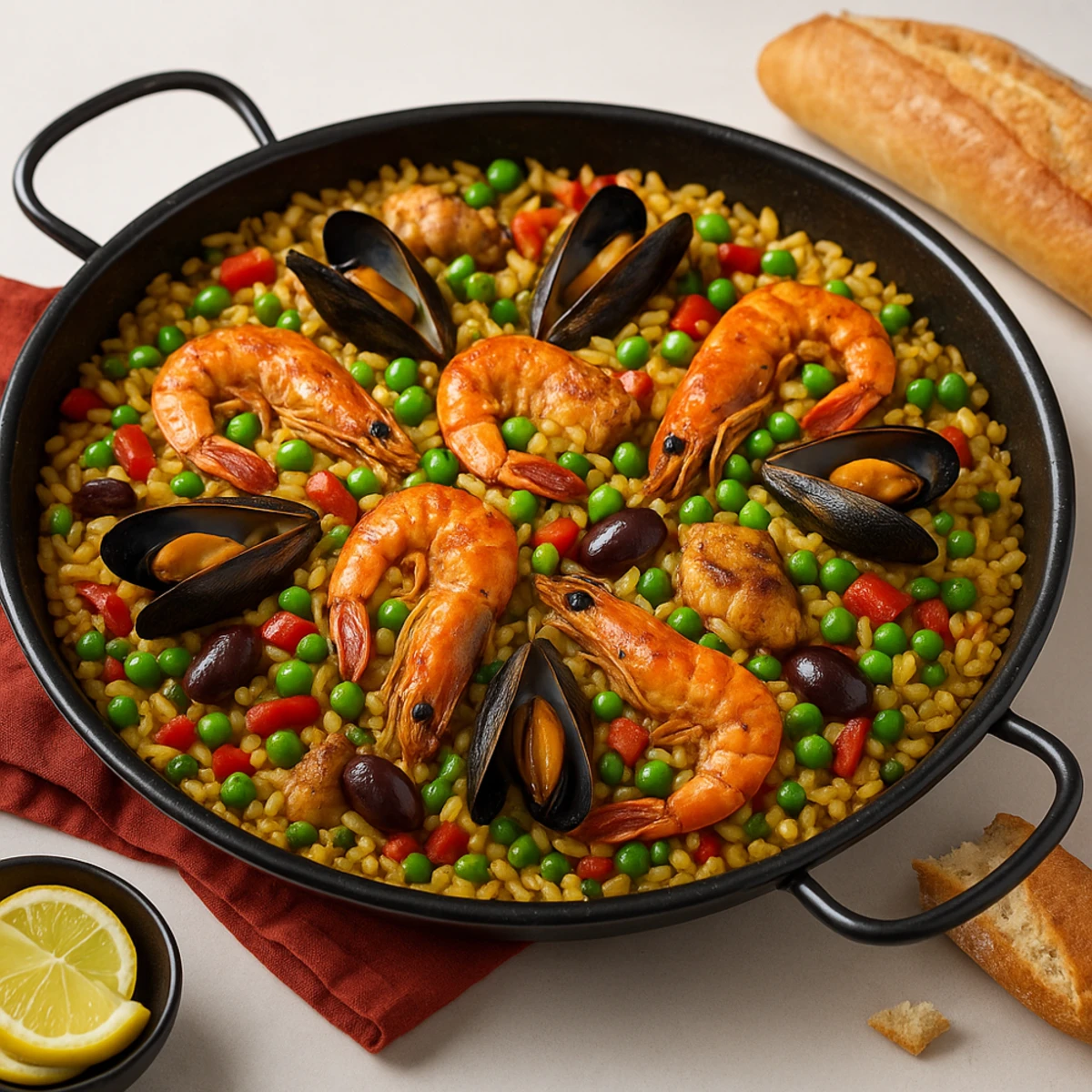
The Ultimate Vegan Paella Recipe with Perfect Wine Pairings
Introduction
If you’ve ever dreamed of bringing a sun-soaked Spanish plaza into your kitchen, this vegan paella recipe is your golden ticket. Saffron-stained rice, smoky aromatics, and a pan that goes straight to the table—it’s the kind of dish that turns a weeknight into an occasion. And because paella is all about sharing, it’s also a perfect canvas for exploring wine pairing and creating a full dining experience.
In this guide, we’ll walk through paella’s story, key ingredients, and the exact recipe step-by-step, then talk about pairing it with accessible bottles you can grab at Total Wine, Trader Joe’s, BevMo, or your local wine shop. Whether you’re a plant‑forward cook curious about a vegan paella recipe, or you’re also eyeing a classic chicken paella recipe for the future, you’ll come away with the confidence to build flavor in the pan and in your glass.
About This Dish
Paella is one of Spain’s most iconic dishes, born in the region of Valencia on the country’s eastern coast. Traditionally, it started as a rustic rice dish cooked outdoors over an open fire, using whatever was local and seasonal—rice from the nearby fields, vegetables, and meats like chicken and rabbit, sometimes snails, plus the distinctive aroma of saffron.
Today, paella recipes have evolved into countless variations: seafood paella loaded with mussels and shrimp, mixed paella with chicken and shellfish, and fully plant‑based versions rich with vegetables and legumes. What ties them together isn’t a strict list of ingredients, but a few core ideas:
- A wide, shallow pan to encourage even cooking and light caramelization on the bottom (the beloved socarrat).
- Short‑grain rice that absorbs broth and flavor without turning mushy.
- A fragrant base—garlic, peppers, tomatoes, paprika, and saffron.
In Spain, paella is social food. It’s brought to the table in the pan, everyone leans in, and the meal stretches out over conversation and wine. That spirit translates beautifully to an American table, where a big pan of paella feels both impressive and relaxed. A vegan paella recipe keeps that festive feeling while welcoming more guests—plant‑based eaters, flexitarians, and anyone who just loves vegetables.
In this article, we’re working with a seafood and chicken–style paella base so we can talk about structure and technique, but you can easily adapt it into an easy paella recipe that’s completely vegan. We’ll point out those simple swaps as we go.
Key Ingredients & Their Role
Whether you’re leaning plant‑forward with a vegan paella recipe or making a mixed seafood and chicken version, the building blocks stay pretty consistent.
Short‑grain rice
The star of paella is short‑grain rice, such as Bomba, Calasparra, or Arborio. These varieties absorb a large amount of liquid and flavor while maintaining a pleasant, slightly firm texture. Long‑grain rice won’t give you that classic paella bite. For wine pairing, this rice provides a neutral, starchy backdrop that lets both the savory flavors and your wine shine.
Saffron
Saffron threads bring paella its golden color and a subtle honeyed, floral aroma that’s unmistakable. This spice is delicate but powerful; blooming it in warm stock releases its color and perfume. Wines with good acidity and mineral notes (like Spanish whites) sit beautifully alongside saffron’s complexity.
Aromatics: garlic, bell pepper, paprika
Garlic and red bell pepper form the aromatic base, while smoked paprika adds depth and a gentle smokiness. This sweet‑smoky profile is why medium‑bodied, fruit‑driven wines with a bit of spice—think Tempranillo or Garnacha—are such classic partners.
Chicken, seafood, and a vegan angle
The provided recipe uses chicken thighs, shrimp, and mussels—a very familiar American take on paella that echoes many traditional Spanish versions. Chicken adds richness and savoriness, shrimp brings sweetness and a firm bite, and mussels contribute briny, marine depth.
To turn this into a vegan paella recipe while preserving that layered flavor, you can:
- Swap chicken for marinated tofu, tempeh, or roasted cauliflower florets.
- Replace shrimp and mussels with artichoke hearts, chickpeas, and mushrooms for umami.
- Use vegetable stock instead of chicken stock.
These swaps still give you plenty of texture and savoriness, which matters for wine pairing. Plant‑based paella tends to be slightly lighter, so wines with bright acidity and moderate body—Spanish Albariño, Oregon Pinot Noir, or a dry rosé—are ideal matches.
Green peas, olives, lemon, and herbs
Peas, Kalamata olives, fresh parsley, and lemon wedges bring color, freshness, and contrast. The olives add briny intensity, the peas a gentle sweetness, and lemon cuts through richness with refreshing acidity. Any wine you pour should have enough freshness to match that citrus lift.
Recipe
| Prep Time | 50 minutes |
|---|---|
| Cook Time | 15 minutes |
| Total Time | 65 minutes |
| Servings | 4 |
| Difficulty | Moderate |
Ingredients:
- 1 1/2 cups Short-grain rice (e.g. Bomba or Arborio)
- 12 pieces Raw peeled shrimps (with tails, preferably fresh)
- 16 pieces Fresh mussels (cleaned, debearded)
- 300 grams Chicken thighs (boneless, skin-on, cut into chunks)
- 1/2 tsp Saffron threads
- 1 cup Green peas (fresh or frozen)
- 1 medium Red bell pepper (deseeded and diced)
- 3 cloves Garlic cloves (finely chopped)
- 3 tbsp Olive oil
- 2 tbsp Unsalted butter
- 4 cups Chicken stock (low sodium)
- 1 tsp Smoked paprika (sweet)
- 1 1/2 tsp (adjust to taste) Salt
- 1/2 tsp Black pepper (freshly ground)
- 10 pieces Kalamata olives (pitted)
- 4 wedges Lemon wedges (for garnish)
- 2 tbsp Fresh flat-leaf parsley (finely chopped)
- 2 tbsp Parmesan cheese (for grating garnish)
Instructions:
- Mise-en-place: Finely chop the garlic and dice the red bell pepper. Rinse the rice under cold water until the water runs clear. Clean and debeard the mussels, discard any that do not close when tapped.
- In a small bowl, soak the saffron threads in 2 tbsp of warm chicken stock to release their color and aroma; set aside.
- Heat 2 tbsp olive oil and 2 tbsp unsalted butter in a large paella pan or wide skillet over medium heat.
- Add the chicken chunks to the pan, season with salt and freshly ground black pepper, and brown for about 5–7 minutes until golden on all sides and cooked through (internal temperature should reach 75°C or 165°F). Remove chicken and set aside.
- Add the remaining 1 tbsp olive oil to the pan. Sauté the garlic and diced red bell pepper for 2–3 minutes until softened but not browned.
- Add the rice to the pan and stir to coat the grains with the oil and vegetables, cooking for 2 minutes.
- Pour in the chicken stock along with the saffron-infused stock and smoked paprika. Stir well to combine and bring to a gentle simmer over medium-high heat.
- Reduce heat to medium-low and cook uncovered for 10 minutes without stirring.
- Arrange the browned chicken pieces evenly over the rice. Scatter the peas, shrimp, mussels (open side up), and Kalamata olives over the surface.
- Continue cooking for an additional 10–15 minutes on medium-low heat until the rice is tender and the seafood is cooked through. Mussels should open fully, and shrimp should be opaque and pink. Avoid stirring to allow a crust (socarrat) to form at the bottom.
- If the liquid is absorbed too quickly and rice is not yet tender, add splash of warm stock or water as needed.
- Remove from heat and cover the pan loosely with aluminum foil or a clean kitchen towel. Let rest for 5 minutes.
- Garnish by grating fresh Parmesan cheese finely over the top with a microplane, sprinkle chopped fresh parsley, and add lemon wedges around the pan edge.
- Serve the paella directly from the pan for an elegant presentation with crusty baguette on the side.
Nutrition Facts (per serving):
- Calories: 650 kcal
- Protein: 45.0g
- Fat: 20.0g
- Carbohydrates: 65.0g
- Salt: 2.2g
Dietary Information: Gluten-free, Contains dairy, Nut-free
Perfect Wine Pairings
Now to the fun part: finding the best wine for paella that matches both flavor and mood. Whether you stick with the mixed chicken and seafood version or lean into a vegan paella recipe, paella calls for wines with good acidity, moderate body, and plenty of character.
Here are some reliable guidelines:
- Acidity: You want enough freshness to cut through the olive oil, butter, and rich stock.
- Body: Medium‑bodied whites and reds tend to fit best—big, high‑tannin reds can overwhelm the delicate saffron and seafood.
- Oak: Light or no oak is usually better to keep the pairing bright and food‑friendly.
1. Spanish white wines (Albariño, Verdejo)
For a seafood‑leaning pan or a lighter vegan paella recipe, look first to Spain itself. Albariño from Rías Baixas and Verdejo from Rueda bring citrus, stone fruit, and a saline, mineral edge that echoes the sea and cuts richness beautifully.
- Look for labels from Rías Baixas (Albariño) or Rueda (Verdejo).
- Expect vibrant acidity, citrus and peach notes, and a clean finish.
- You can usually find solid options between $15–$22 at Total Wine or BevMo.
2. California and Washington Sauvignon Blanc
If you prefer domestic wine, Sauvignon Blanc from California or Washington State is a fantastic partner, especially for plant‑heavy or vegan paella recipes.
- Flavor profile: zesty citrus, green herbs, sometimes tropical fruit.
- Works beautifully with peas, bell peppers, and lemon in the dish.
- Look in the $12–$20 range at Trader Joe’s or your local grocery store.
3. Oregon Pinot Noir
For guests who love red wine, Oregon Pinot Noir is a go‑to pairing. Its bright red fruit, subtle earth, and silky tannins won’t overpower the rice or saffron, and it plays nicely with chicken, mushrooms, and smoky paprika.
- Choose bottles with moderate alcohol and subtle oak.
- Ideal for mixed paella or a mushroom‑forward vegan paella recipe.
- Expect good options around $20–$30 at Total Wine or quality local shops.
4. Spanish Garnacha or Rioja (Tempranillo)
If you tend to enjoy a chicken paella recipe or richer paella recipes with more umami, try a medium‑bodied Spanish red.
- Garnacha (Grenache): Juicy red fruit, gentle spice, soft tannins.
- Rioja (Tempranillo): Red and dark berries, vanilla and spice (especially in Crianza and Reserva styles).
- These wines love smoked paprika, roasted chicken, and caramelized socarrat.
- You’ll find plenty between $15–$25 at BevMo, Trader Joe’s, and independent shops.
When in doubt—or if you’re serving a big crowd with diverse preferences—use Vinomat to plug in your specific paella ingredients (vegan or not) and let it suggest tailored, store‑specific wine recommendations based on what’s near you.
Cooking Tips & Techniques
What separates an easy paella recipe that tastes good from a paella that tastes restaurant‑worthy is technique. Here are a few professional tips to help you nail it every time:
- Use the widest pan you have. A traditional paella pan is ideal, but a large, wide skillet works. A wide surface encourages even cooking and that prized bottom crust.
- Resist the urge to stir. After the initial mixing of rice and stock, let the rice cook undisturbed so it can absorb the liquid evenly and form socarrat.
- Manage heat carefully. Start hotter to bring the liquid to a simmer, then drop to medium‑low. If you smell scorching before the rice is cooked, lower the heat and add a splash of warm stock.
- Bloom your saffron. Always soak saffron in warm stock rather than adding threads directly to the pan—this maximizes both color and aroma.
- Layer ingredients by cook time. Chicken goes in early to brown, rice cooks in the middle, and quick‑cooking items like shrimp, mussels, or delicate vegetables go on last so they don’t overcook.
If you’re wondering, “**How do you make paella recipe** in the oven—anyone tried to cook paella in the oven recipe?” you’re not alone. Many home cooks finish paella in the oven for gentle, even heat. You can:
- Start the recipe on the stovetop through step 7.
- Once the liquid is simmering and rice is added, transfer the uncovered pan to a 375°F oven for about 15–20 minutes, until the rice is nearly tender.
- Add your final toppings (shrimp, vegetables, etc.), then bake 5–10 minutes more.
It’s a great hack if your burners have hot spots, and it works wonderfully for both classic and vegan paella recipes.
Serving Suggestions
Paella is a showstopper, so lean into the drama.
- Serve in the pan. Bring the whole pan to the table and let everyone admire the saffron‑gold rice, bright peas, jewel‑like olives, and lemon wedges.
- Casual elegance. Set out simple plates, cloth napkins, and one or two bottles of thoughtfully chosen wine. A chilled Albariño or a gently cool Oregon Pinot Noir instantly makes the meal feel special.
- Sides and starters. Keep them light so paella stays the star: marinated olives, blistered shishito peppers, a simple green salad with lemon vinaigrette, or a crusty baguette as the recipe suggests.
- For a vegan paella recipe version, add a garlicky romesco sauce on the side for dipping bread and drizzling over the rice.
Because paella is naturally a communal dish, it’s ideal for dinner parties or relaxed weekends. Use Vinomat to quickly check which wines in your rack (or at the closest shop) will best complement whether you’ve made a classic seafood‑and‑chicken pan or a fully plant‑based variation.
Conclusion
A great vegan paella recipe—or its seafood‑and‑chicken cousin—delivers everything you want in a home‑cooked feast: big flavor, a beautiful presentation, and a built‑in excuse to open something delicious. With a little attention to rice, saffron, and heat control, plus a thoughtful wine pairing, your kitchen can feel like your favorite Spanish restaurant.
When you’re ready to experiment beyond this easy paella recipe, play with different vegetables, proteins, and broths, and let Vinomat guide you to new wine pairings—from Oregon Pinot Noir to Spanish Albariño—tailored to what you’re cooking and where you shop. Whether you’re exploring plant‑based paella recipes or revisiting a classic chicken paella recipe, there’s always another delicious pairing waiting in the pan and in your glass.