


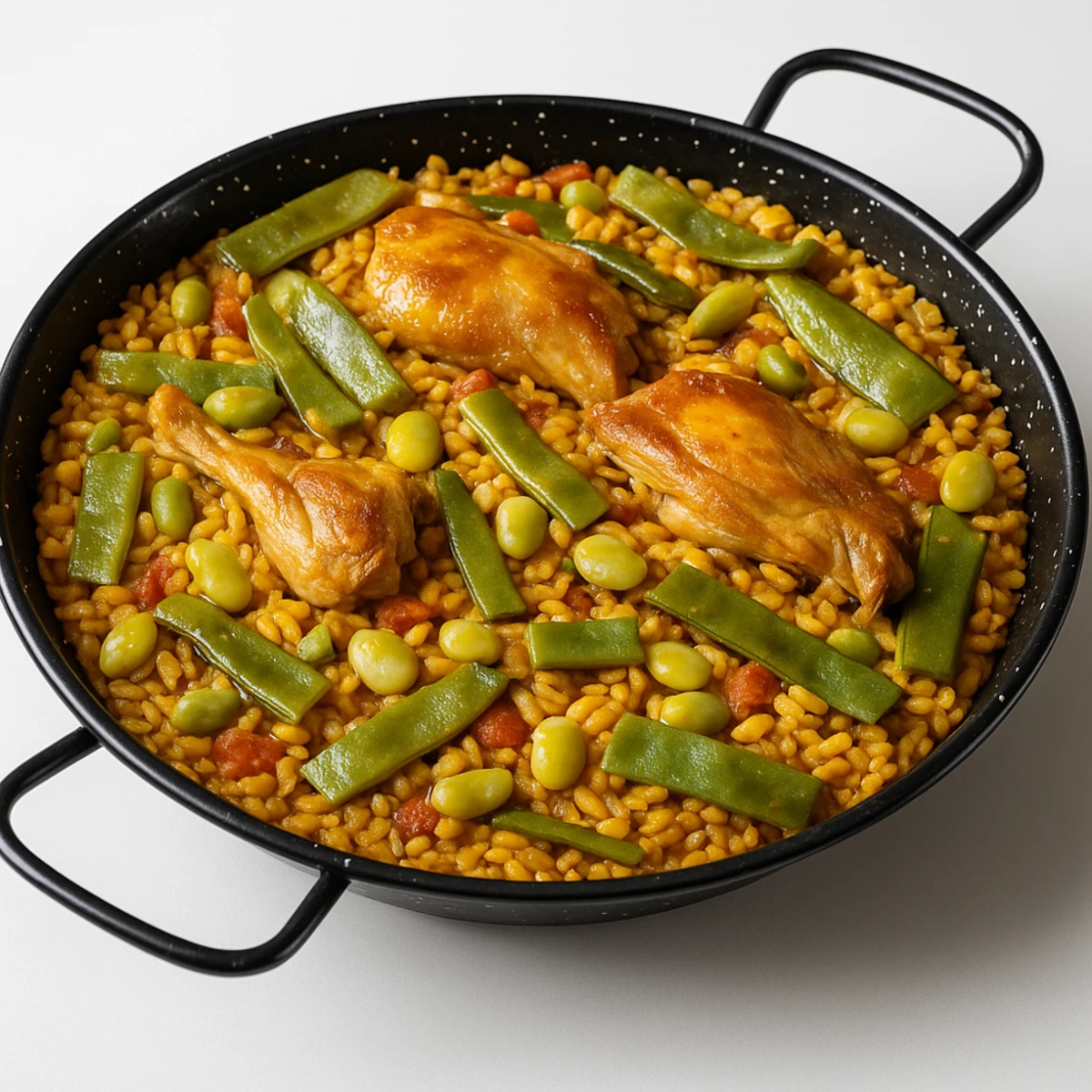
Paella Valenciana: The Ultimate Valenciana Recipe & Wine Pairing Guide
Introduction
Few dishes capture the spirit of Spanish cuisine like Paella Valenciana—a vibrant celebration of flavors, colors, and textures that instantly transports you to the sun-drenched coast of Valencia. For food and wine lovers in the United States seeking to elevate their home dining experience, this classic Valenciana recipe offers more than just a meal: it’s an invitation to explore old-world culinary tradition with a modern, accessible twist. Even better, paella’s savory, umami-rich profile is a dream canvas for wine pairing, making it a must-try for anyone curious about food and wine harmony.
Ready to discover the secrets of authentic Valenciana and unlock the perfect wine match? Let’s dive in!
About This Dish: The Story and Soul of Valenciana
Valenciana is more than just a recipe—it’s a symbol of Spanish heritage, born in the fields near Valencia and beloved across the globe. Unlike seafood paella, the classic paella Valenciana recipe is rooted in the agricultural traditions of the region, using simple yet flavorful ingredients: rice, chicken, rabbit, green beans, garrofón (large white beans), tomatoes, and a touch of saffron. Historically, this dish was prepared outdoors over an open fire, bringing family and friends together for Sunday gatherings and festive occasions.
What makes Valenciana special is its respect for local produce and its communal nature. Each ingredient tells a story—the rice fields of Albufera, the free-range chickens and rabbits of the Valencian countryside, and the vegetables harvested fresh from the land. Modern recipes still honor this legacy, making Valenciana a dish that bridges past and present, and unites people through the joy of shared meals.
In the US, recreating an authentic Valenciana recipe is both an achievable challenge and a culinary adventure. With specialty ingredients now widely available, and a growing appreciation for global flavors, American home cooks can experience the same rustic, savory delight enjoyed by generations in Spain. Most importantly, Valenciana’s depth of flavor makes it a perfect partner for wine—opening up endless pairing possibilities to satisfy every palate.
Key Ingredients & Their Role: Building Blocks of Valenciana Flavor
To craft the classic paella Valenciana recipe, each ingredient plays a vital role in shaping the dish’s signature character. Here’s how each component contributes to the experience—and what to consider when pairing with wine:
- Rice: The soul of Valenciana. Calasparra or Bomba rice is essential for its short, round grains that absorb flavor while remaining distinct and slightly firm. This rice creates the perfect texture and forms the coveted socarrat—the caramelized layer at the bottom of the pan.
- Chicken & Rabbit: These proteins provide a savory, rich backbone. Their slow browning in olive oil builds deep, meaty flavors and umami, balanced by the leaner texture of rabbit and the juicy succulence of chicken thighs and drumsticks.
- Green Beans & Garrofón Beans: The vegetables add brightness and earthiness, cutting through the richness of the meats. Garrofón or butter beans lend a creamy bite, while green beans bring vegetal freshness—a key contrast for both taste and wine pairing.
- Tomatoes: Grated fresh tomatoes create a sweet, tangy base, lending natural acidity that lifts the dish and keeps it from feeling heavy.
- Olive Oil: A generous pour of extra virgin olive oil is the foundation for sautéing and flavor, adding fruity, peppery notes.
- Paprika & Saffron: Sweet paprika brings mild warmth and a smoky-sweet aroma, while saffron infuses the rice with golden color and delicate floral notes. This duo creates the complex, layered taste that defines Valenciana—and invites creative wine matches.
- Salt & Water: Simple, but crucial. Using only water (not broth) is tradition—the simmering process extracts maximum flavor from the meats and vegetables, creating a natural, savory stock within the pan itself.
Wine Pairing Consideration: The interplay of savory, umami, and subtle spice in Valenciana calls for wines with moderate acidity, balanced fruit, and enough structure to hold up to both meat and vegetables. Avoid overly oaky or tannic reds, which can overpower the dish; instead, opt for versatile whites, rosés, or lighter reds that complement rather than compete.
Recipe
| Prep Time | 60 minutes |
|---|---|
| Cook Time | 20 minutes |
| Total Time | 80 minutes |
| Servings | 4 |
| Difficulty | Advanced |
Ingredients:
- 4 pieces Chicken (drumsticks and thighs)
- 200 g (boneless, chopped) Rabbit
- 2 cups Calasparra rice (or Bomba rice)
- 150 g Green beans (cut into strips)
- 150 g Garrofón beans (or butter beans)
- 2 medium-sized Tomatoes (grated)
- 6 tbsp Olive oil (extra virgin)
- 2 tsp Paprika (sweet)
- 1 pinch Saffron threads
- 5 cups Water
- to taste Salt
Instructions:
- Prepare all ingredients: Cut the chicken into pieces, chop the rabbit into medium-sized chunks, slice the green beans, and grate the tomatoes. Set all ingredients aside.
- Heat 6 tbsp of olive oil in a wide, deep paella pan over medium heat.
- Add the chicken and rabbit pieces. Sear for about 8-10 minutes, turning occasionally, until golden brown. Season with a pinch of salt.
- Push the meat to the sides of the pan and add the green beans. Sauté the beans for 3-4 minutes.
- In the center of the pan, add the grated tomatoes. Cook for another 5 minutes until reduced and thickened.
- Sprinkle 2 tsp of sweet paprika over the mixture and stir quickly to avoid burning.
- Pour in 5 cups of water, adding the garrofón beans. Season the liquid with a pinch of salt.
- Bring the mixture to a boil over high heat. Let it boil vigorously for 10 minutes.
- Reduce the heat to medium. Stir 2 cups of Calasparra or Bomba rice evenly into the pan. Ensure it is all submerged in the liquid.
- Sprinkle saffron threads on top. Do not stir the rice during cooking.
- Let the rice cook for 15-18 minutes. The liquid should absorb gradually. Adjust heat as necessary to avoid burning.
- Once all the liquid has been absorbed and the rice is tender, remove the pan from heat. Cover with a clean kitchen towel and let rest for 5 minutes.
- Plate elegantly by serving portions directly from the pan, ensuring each serving includes chicken, rabbit, rice, and vegetables. Serve warm.
Nutrition Facts (per serving):
- Calories: 490 kcal
- Protein: 36.0g
- Fat: 18.0g
- Carbohydrates: 58.0g
- Salt: 1.5g
Dietary Information: Contains gluten, Dairy-free, Nut-free
Perfect Wine Pairings for Valenciana
One of the greatest joys of making Valenciana is discovering just how well it pairs with a wide range of wines. With its balanced richness, savory intensity, and aromatic saffron and paprika, this dish calls for wines that are equally expressive yet harmonious.
What to Look For in a Wine Pairing
- Acidity: A moderate to high acidity will refresh the palate and balance the dish’s richness.
- Body: Medium-bodied wines are ideal—enough weight to match the meats, but not too heavy.
- Fruit & Spice: Subtle fruit, herbal, or mineral notes can echo the flavors in the Valenciana recipe.
- Tannins: Low to moderate tannins work best; high tannins can clash with the delicate saffron and vegetables.
Top Wine Recommendations
- Spanish White: Albariño (Rías Baixas)
- Crisp, citrusy, with a hint of salinity. The acidity and freshness cut through the oil and complement the saffron. Widely available at Total Wine, Trader Joe’s, and BevMo—look for options in the $15-25 range.
- California Chardonnay (Unoaked or Lightly Oaked)
- Choose a Sonoma Coast or Santa Barbara Chardonnay with restrained oak and bright fruit. Its roundness and subtle creaminess match the richness of the meats, without overpowering the dish. Expect bottles from $18-28 at local wine shops.
- Oregon Pinot Noir
- A classic for food pairing, Oregon Pinot offers cherry and earthy notes that harmonize with the rabbit and chicken, while its lively acidity keeps everything balanced. Try A to Z, Underwood, or Erath—commonly found at Total Wine and Trader Joe’s, usually $15-30.
- Spanish Garnacha (Grenache)
- Light-bodied, juicy, and versatile, Garnacha from Spain is an excellent red wine choice for Valenciana. Its soft tannins and red fruit flavors work beautifully with the sweet paprika and tomatoes. Look for Borsao or Las Rocas at BevMo or Total Wine ($12-18).
- Provence Rosé or California Rosé
- Dry, aromatic, and food-friendly, a good rosé brings out the subtle floral notes of saffron and keeps each bite lively. Look for options from Whispering Angel (France) or Bonterra (California) in the $15-20 range.
Local Market Tip: Most of these wines are available at Total Wine, Trader Joe’s, BevMo, and local grocery stores—making it easy to find a great bottle within the $15-30 sweet spot. Use Vinomat’s wine pairing feature to discover even more personalized matches for your Valenciana recipe, including new-world and old-world favorites.
Cooking Tips & Techniques: Mastering Valenciana at Home
- Use the Right Rice: Calasparra or Bomba rice is a must for that authentic texture. Avoid long-grain or risotto rice, which can turn mushy.
- Patience with Searing: Take time to brown the chicken and rabbit deeply—it creates the flavor foundation for the whole dish and helps develop the prized socarrat.
- Don’t Stir After Adding Rice: Once the rice goes in, resist the urge to stir. This allows the rice to cook evenly and the socarrat (crust) to form at the bottom.
- Saffron Infusion: Crush saffron threads gently and sprinkle over the rice for even color and flavor. If using powdered saffron, dissolve in warm water first.
- Balance the Liquid: Too much water makes the rice soggy; too little can burn it. If unsure, add a bit less and top off only if needed during cooking.
- Rest Before Serving: Cover with a clean towel and let the Valenciana rest for 5 minutes off-heat. This helps the flavors settle and the texture set.
- Common Mistakes to Avoid:
- Overcrowding the pan: Stick to a wide, shallow paella pan for even cooking.
- Using broth instead of water: Traditional Valenciana relies on water, allowing the ingredients to create their own rich stock.
- Overcooking the rice: Once liquid is absorbed, remove from heat to avoid mushy grains.
Serving Suggestions: Creating the Ultimate Valenciana Experience
- Serve Straight from the Pan: The best way to enjoy Valenciana is family-style, with everyone gathering around the paella pan. This preserves the beautiful presentation and the crispy socarrat at the bottom.
- Accompaniments: Offer lemon wedges for bright acidity, a simple green salad with sherry vinaigrette, and crusty bread for scooping up every bit of flavor.
- Setting the Scene: Pair your meal with Spanish guitar music, rustic tableware, and—of course—your chosen bottle of wine. For larger gatherings, consider doubling the Valenciana recipe and offering a wine flight, letting guests explore different pairings.
- Temperature: Serve warm, not piping hot, to best appreciate the aromas and flavors. If enjoying outdoors, keep the pan covered until ready to serve.
- Leftovers: Valenciana reheats beautifully; store in an airtight container and enjoy within two days.
Conclusion
With its deep roots, irresistible flavor, and stunning presentation, Valenciana is a perfect centerpiece for anyone looking to elevate their home cooking and wine pairing game. Whether you’re following this classic paella Valenciana recipe for the first time or perfecting your technique, the journey is as rewarding as the results. Let Vinomat guide you to the perfect wine match and create a dining experience worthy of Spain’s vibrant traditions. Gather your friends, uncork a great bottle, and savor the magic of Valenciana tonight.