


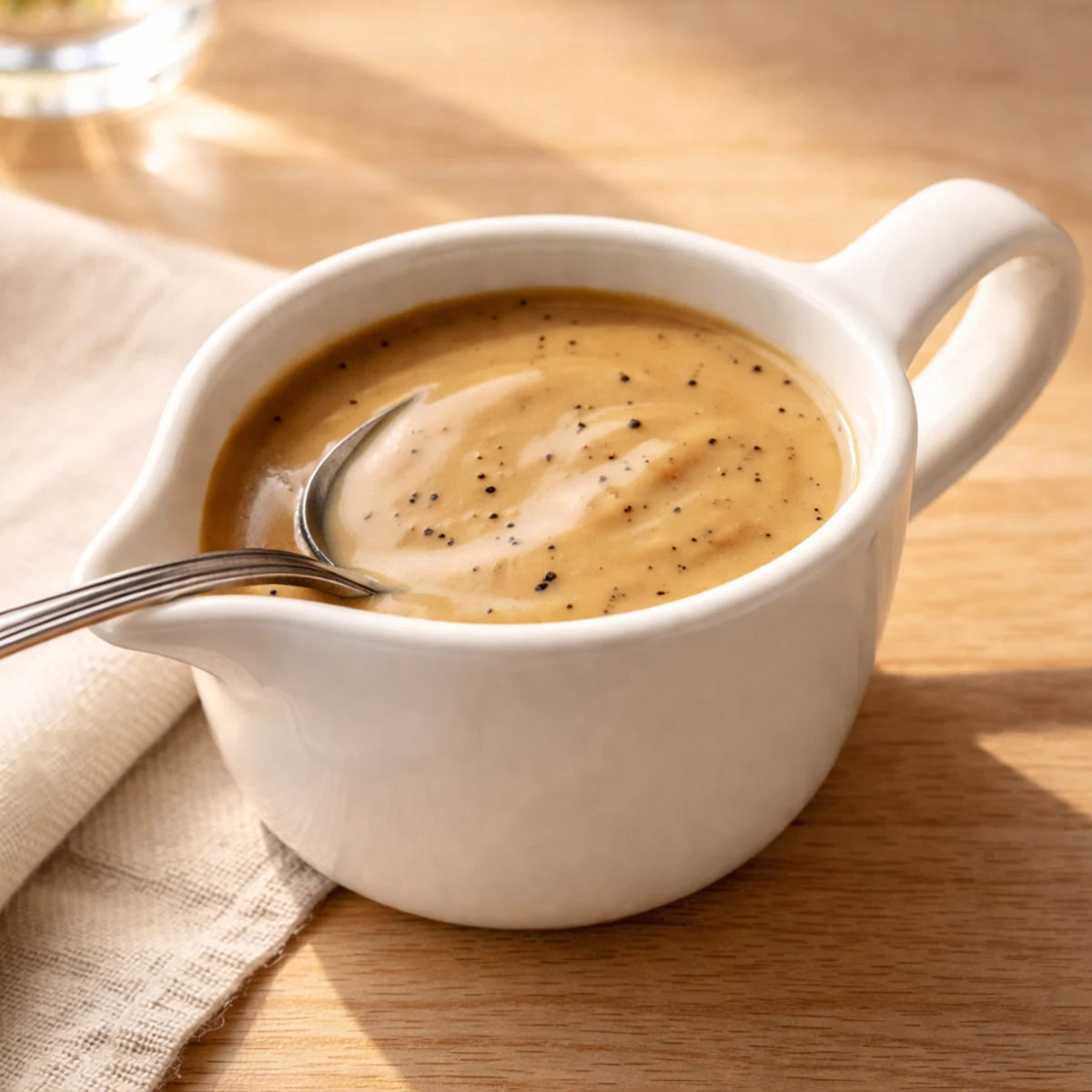
Peppercorn Sauce Wine Pairing: The Best Wines to Serve
Introduction
Peppercorn Sauce is one of those classic, restaurant-style finishes that can instantly make a simple steak dinner feel special. With its bold black pepper bite, silky creaminess, and savory depth from veal stock, it brings just enough richness to coat the palate without overwhelming the plate. If you’ve ever wondered what wine goes with Peppercorn Sauce, you’re in the right place—this is exactly the kind of dish that rewards thoughtful wine pairing. The sauce has enough spice to make wine feel more vibrant, enough fat to soften tannins, and enough umami to make every sip more interesting.
In American home cooking, Peppercorn Sauce has become a favorite for date nights, holiday dinners, and any meal where you want a little steakhouse drama without leaving the house. It’s elegant, but not fussy; comforting, but still impressive. Whether you’re serving it over filet mignon, ribeye, pork tenderloin, or even roasted mushrooms, the right wine recommendation can turn the whole plate into a perfect match. And with great bottles available at Total Wine, Trader Joe’s, BevMo, and local wine shops across the U.S., finding a delicious pairing is easier than ever.
About This Dish
Peppercorn Sauce is a beloved staple of modern steakhouse cooking, but its roots stretch back through French sauce-making traditions, where pan sauces and cream-based reductions have long been used to add richness and balance to roasted meats. In its most familiar form, this sauce blends cracked black pepper, cream, and a deeply savory stock—often veal stock—to create something luxurious, pungent, and deeply satisfying. It’s the kind of sauce that feels simultaneously classic and contemporary.
What makes Peppercorn Sauce so special is its balance. Black pepper brings heat and aromatic lift, but it’s not the fiery kind of spice that lingers aggressively; instead, it gives the sauce a warm, woody edge. Cream softens that intensity and gives the sauce its signature velvety texture. Veal stock contributes body, gelatin, and a meaty backbone that makes the whole thing taste more complete. The result is a sauce with enough personality to stand up to grilled steak, yet enough finesse to complement leaner cuts or even roasted vegetables.
In the United States, Peppercorn Sauce has earned its place in the home kitchen because it feels both accessible and elevated. It’s a great example of how a few quality ingredients can create a memorable dish. For wine lovers, it also opens the door to one of the most satisfying kinds of wine pairing: matching a rich, peppery sauce with wines that can refresh the palate while echoing the savory depth of the dish.
Key Ingredients & Their Role
At the heart of any great Peppercorn Sauce recipe are just a few essential ingredients, and each one plays an important role in shaping the final flavor.
Black pepper is the star. Freshly cracked peppercorns deliver pungency, warmth, and a subtle floral quality that pre-ground pepper simply can’t match. When lightly toasted or simmered in the sauce, pepper releases aromatic oils that make the whole dish feel more vibrant. This is also the ingredient that most strongly influences wine pairing, because pepper can make a wine taste fruitier, softer, or more structured depending on the style.
Cream gives the sauce its luxurious texture and rounds out the sharpness of the pepper. It also helps create a smooth mouthfeel that clings beautifully to steak, chicken, or potatoes. From a pairing perspective, cream tends to favor wines with good acidity, since acidity helps cut through richness and keeps the palate feeling fresh.
Veal stock adds savory depth, collagen-driven body, and a subtle meaty flavor that makes the sauce taste more refined. If you’ve ever had a sauce that seemed flat, it was probably missing this kind of foundation. Veal stock gives Peppercorn Sauce the kind of umami that makes wine taste more expressive, especially medium-bodied reds.
Together, these ingredients create a sauce that is peppery, creamy, and savory all at once. That combination is why the best wine for Peppercorn Sauce usually has enough acidity to refresh, enough fruit to soften the pepper, and enough structure to stand up to the richness. In other words, the sauce doesn’t just need a wine—it needs a perfect match.
Recipe
Peppercorn Sauce Recipe
Prep Time: 10 minutes Cook Time: 15 minutes Total Time: 25 minutes Servings: 4 Difficulty: Easy
Ingredients
- 2 tablespoons unsalted butter
- 1 tablespoon shallot, finely minced
- 2 teaspoons black peppercorns, coarsely crushed
- 1/4 cup brandy or cognac
- 1 cup veal stock
- 3/4 cup heavy cream
- 1 teaspoon Dijon mustard
- 1/2 teaspoon kosher salt, or to taste
- 1 teaspoon Worcestershire sauce, optional
Instructions
- Melt the butter. In a medium skillet over medium heat, melt the butter until foamy.
- Cook the shallot. Add the minced shallot and cook for 1 to 2 minutes, stirring often, until softened but not browned.
- Bloom the pepper. Stir in the crushed black peppercorns and cook for about 30 seconds to release their aroma.
- Deglaze the pan. Carefully add the brandy or cognac. Let it simmer for 1 to 2 minutes, scraping up any browned bits from the pan.
- Add the stock. Pour in the veal stock and simmer for 4 to 5 minutes, until slightly reduced.
- Stir in the cream. Reduce the heat to low and add the heavy cream, Dijon mustard, salt, and Worcestershire sauce if using.
- Finish the sauce. Simmer gently for 3 to 5 minutes, stirring occasionally, until the sauce thickens enough to coat the back of a spoon.
- Taste and serve. Adjust seasoning as needed and serve warm over steak or your favorite main dish.
Nutrition Facts
Approximate per serving
- Calories: 210
- Fat: 20g
- Saturated Fat: 12g
- Carbohydrates: 4g
- Protein: 2g
- Sodium: 420mg
- Sugar: 2g
Dietary Information
- Contains dairy
- Gluten-free if using a gluten-free Worcestershire sauce
- Not vegetarian if made with veal stock
- Can be adapted with mushroom stock for a vegetarian version
Perfect Wine Pairings
Peppercorn Sauce is one of the most rewarding dishes for wine pairing because it sits right at the intersection of spice, cream, and savory richness. The best wine for Peppercorn Sauce needs to do three things well: refresh the palate, complement the pepper, and stand up to the sauce’s creamy texture. That usually means medium-bodied reds with bright acidity, moderate tannins, and good fruit concentration. Too much tannin can clash with pepper, while too little structure can disappear next to the sauce.
1. Pinot Noir from Oregon
If you want a polished, food-friendly red, Oregon Pinot Noir is a standout wine recommendation. Its red cherry fruit, earthy undertones, and lively acidity make it a natural perfect match for Peppercorn Sauce, especially with filet mignon or pork tenderloin. The wine’s softer tannins won’t fight the pepper, and its freshness helps keep the cream from feeling heavy. Look for bottles in the $20–30 range at Total Wine, BevMo, or well-stocked local wine shops.
2. California Cabernet Sauvignon from Sonoma or Napa
For a richer steak dinner, California Cabernet Sauvignon can be excellent, especially if the sauce is served with ribeye or strip steak. Choose a style that leans toward ripe black fruit and balanced oak rather than heavily extracted tannins. Sonoma often offers a slightly more restrained, food-friendly profile, while Napa can bring plush fruit and polish. This is a classic wine pairing when you want the sauce and the wine to feel equally luxurious. Many strong options fall right in the $15–30 sweet spot at Trader Joe’s and Total Wine.
3. Washington State Syrah
Washington Syrah is one of the most underrated answers to what wine goes with Peppercorn Sauce. Syrah’s dark fruit, savory notes, and peppery edge echo the sauce beautifully without becoming too heavy. The wine’s natural spice can mirror the black pepper in the dish, creating a seamless flavor bridge. This is a great choice if you want something a little bolder than Pinot Noir but still elegant and balanced.
4. French or Spanish Red Blends
If you enjoy Old World style, look for a French Rhône-style blend or a Spanish red such as Tempranillo. These wines often bring savory depth, moderate tannins, and enough acidity to handle the cream. They’re especially good if you’re serving the sauce with roasted meats or mushrooms. Because they tend to be widely available, they’re also easy to find through grocery stores and local wine merchants.
In general, the best wine for Peppercorn Sauce is one that feels smooth, savory, and balanced—not overly tannic, not too oaky, and not overly sweet. If you’re using Vinomat, it can help narrow down the perfect match based on the exact cut of meat and your preferred wine style.
Cooking Tips & Techniques
A great Peppercorn Sauce recipe is all about control. First, use freshly cracked peppercorns rather than finely ground pepper. The larger pieces give you better aroma and a more refined texture. If you want a more intense pepper flavor, lightly crush the peppercorns with the flat side of a knife or a mortar and pestle rather than grinding them into dust.
Second, don’t let the shallots brown. You want sweetness and softness, not caramelization, because browned shallots can muddy the clean, peppery profile of the sauce. When you add the brandy or cognac, be careful and let it reduce fully so the alcohol doesn’t overpower the finished dish.
A common mistake is rushing the reduction. The veal stock should simmer long enough to concentrate, but not so long that it becomes salty or overly thick. Once the cream goes in, keep the heat low and stir gently. Boiling can cause the sauce to break or turn grainy. If it gets too thick, add a splash of stock or water to loosen it.
For the best flavor, make the sauce in the same pan you used to sear the meat. Those browned bits are pure gold and add depth that no store-bought shortcut can match. That’s one reason this recipe feels so restaurant-worthy: it builds flavor in layers, which also makes the wine pairing more exciting.
Serving Suggestions
Peppercorn Sauce is at its best when served hot and glossy over a well-rested steak, but it’s versatile enough to work in several elegant settings. Spoon it over filet mignon for a classic steakhouse presentation, or serve it with ribeye if you want a richer, more indulgent meal. It also pairs beautifully with pork tenderloin, grilled chicken, or roasted mushrooms for a lighter but still luxurious dinner.
For sides, think creamy mashed potatoes, roasted fingerlings, buttered green beans, or asparagus. These accompaniments help balance the sauce’s richness and create a complete plate. If you’re hosting, warm your plates before serving so the sauce stays silky longer.
Presentation matters, too. A generous spoonful over the protein, a few cracks of fresh black pepper on top, and a simple garnish of chopped parsley can make the dish feel polished without being fussy. For a dinner party, serve with a bottle of your chosen wine and let guests compare how the sauce changes the wine’s texture and flavor. That’s part of the fun of wine pairing: discovering how a single sauce can transform the whole meal.
Conclusion
Peppercorn Sauce is proof that a few well-chosen ingredients can create something truly memorable. Creamy, peppery, and deeply savory, it’s a dish that turns an ordinary dinner into a special occasion—and it gives you a delicious opportunity to explore wine pairing in a simple, approachable way. Whether you reach for Oregon Pinot Noir, Sonoma Cabernet Sauvignon, Washington Syrah, or a French or Spanish blend, the right bottle can make this sauce shine.
If you’re looking for the perfect match, Vinomat can help you discover the best wine for Peppercorn Sauce based on your ingredients, your meal, and your style. Try the recipe, pour something you love, and enjoy the kind of dinner that makes everyone linger a little longer at the table.