


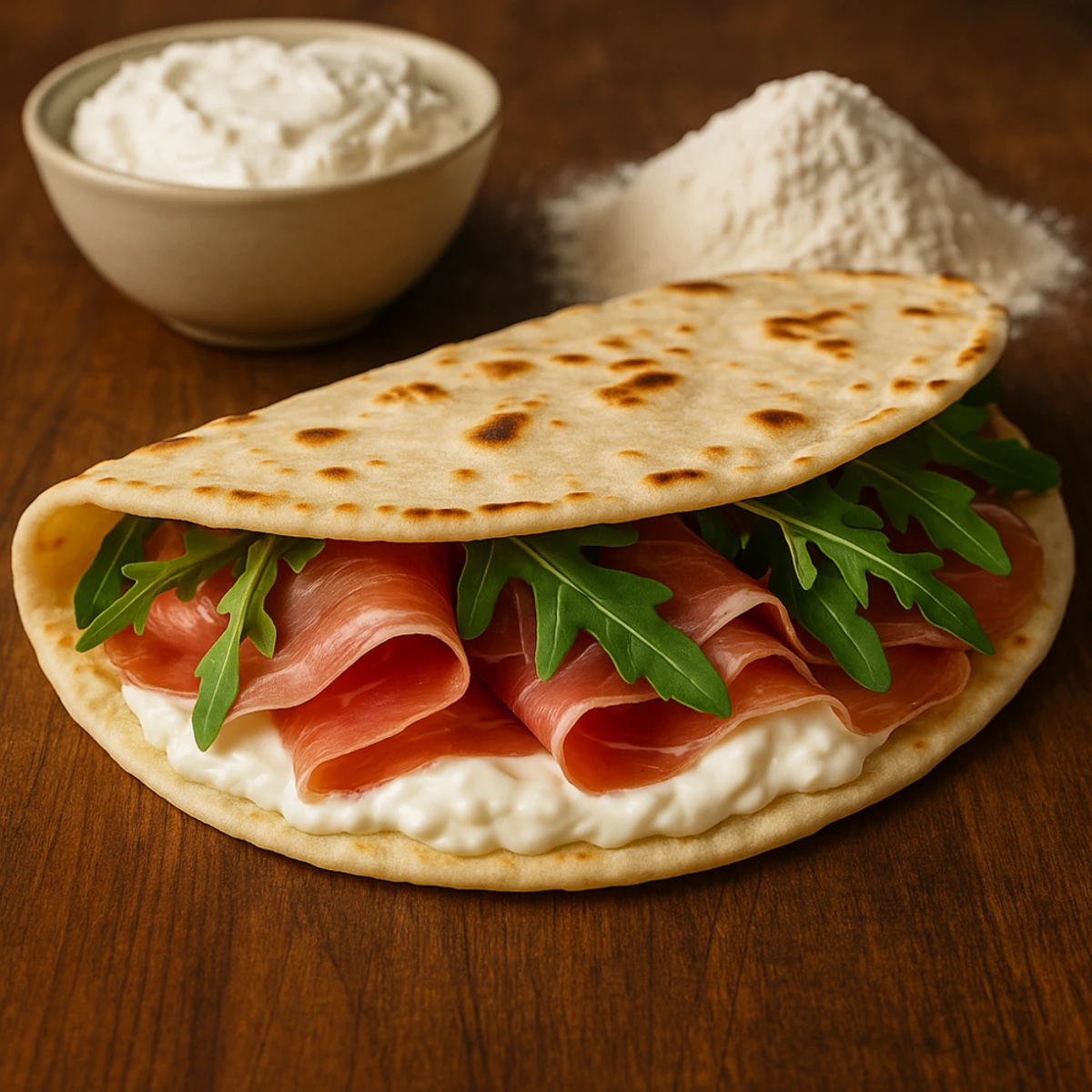
Piadina & Wine Pairing: The Ultimate Guide to Italy’s Beloved Flatbread
Introduction
If you’re a food enthusiast or wine lover searching for a fresh take on Italian classics, look no further than piadina. This beloved flatbread from Italy’s Emilia-Romagna region offers a satisfying balance of salty cured ham, creamy stracchino cheese, and peppery arugula—all wrapped in a warm, golden crust. But what truly elevates this simple pleasure into a gourmet experience? The perfect wine pairing. Whether you shop at Total Wine, Trader Joe’s, or your local wine shop, finding the right wine for piadina is easier than ever, and it adds a whole new dimension to your dining table. Let’s dive into the story, flavors, and the best wine recommendations for this Italian treasure.
About This Dish
Piadina has deep roots in Italian culinary history, tracing back centuries as a staple of Emilia-Romagna. Originally a humble peasant bread, piadina was traditionally baked on terracotta griddles ("testo") and used as a quick, portable meal for farmers and travelers.
What makes piadina so special is its adaptability. In Italy, it’s a cherished street food, often filled with local cheeses, cured meats, and fresh greens. The classic combination of stracchino cheese and prosciutto crudo delivers a delightful interplay of salty, creamy, and peppery notes, making each bite irresistibly satisfying. Piadina is typically enjoyed warm, folded in half and eaten by hand—a casual, convivial experience that brings people together.
In the United States, piadina is gaining popularity for its simplicity, versatility, and authentic flavor. It’s easy enough for a weeknight dinner yet impressive enough for entertaining. With the right wine pairing, you can turn piadina into a memorable meal that celebrates both Italian tradition and the vibrant wine culture flourishing across America.
Key Ingredients & Their Role
Every great piadina begins with flour, lard, water, and salt. This short list of pantry staples forms a dough that’s supple and flavorful, with just enough richness from the lard to yield a tender bite and distinctive taste. Here’s how each main ingredient shines:
- All-purpose flour: Forms the structure of the flatbread, offering a neutral base that lets the fillings and wine take center stage.
- Lard: The secret to authentic piadina texture. It adds flakiness, subtle richness, and a savory undertone. (Vegetarians can substitute olive oil, but lard delivers the classic taste.)
- Water & Salt: Essential for binding and seasoning; together, they create the perfect canvas for flavorful fillings.
The real magic happens with the fillings:
- Stracchino cheese: This soft, creamy cheese from Northern Italy offers a fresh, milky flavor and luscious texture. Its mild acidity and richness pair beautifully with a variety of wines, especially those with bright acidity or gentle bubbles.
- Prosciutto crudo: Italian dry-cured ham brings saltiness, umami, and a delicate sweetness. It’s a natural complement to both the cheese and the dough, as well as to wines with good acidity and moderate tannins.
- Arugula: Adds a peppery, green freshness that lifts the whole dish, balancing the richness of the cheese and the saltiness of the ham.
Wine pairing for piadina hinges on these flavors—creamy, salty, and peppery. Look for wines with enough acidity to cut through the cheese, a refreshing finish to balance the ham, and maybe a hint of fruit to echo the dough’s subtle sweetness. Whether you prefer red, white, or sparkling, there’s a wine for piadina that will create a perfect match at your table.
Recipe
| Prep Time | 60 minutes |
|---|---|
| Cook Time | 10 minutes |
| Total Time | 70 minutes |
| Servings | 4 |
| Difficulty | Moderate |
Ingredients:
- 400 g All-purpose flour
- 150 ml Water
- 50 g Lard
- 1 tsp Salt
- 200 g Stracchino cheese
- 150 g Prosciutto crudo
- 50 g Arugula
Instructions:
- In a large bowl, combine the all-purpose flour and salt. Gradually add the water and lard, mixing to form a dough.
- Knead the dough on a floured surface for about 8–10 minutes until it becomes smooth and elastic. Cover with a clean kitchen towel and let it rest for 30 minutes.
- Divide the dough into 4 equal portions. Roll each portion into a thin circle about 20 cm (8 inches) in diameter.
- Heat a non-stick skillet or flat griddle over medium heat. Cook each piadina for 1–2 minutes per side, until they develop golden brown spots.
- Spread an even layer of stracchino cheese on one side of the piadina.
- Layer the prosciutto crudo and arugula over the cheese.
- Fold the piadina in half and serve immediately while warm.
Nutrition Facts (per serving):
- Calories: 380 kcal
- Protein: 14.0g
- Fat: 17.0g
- Carbohydrates: 42.0g
- Salt: 1.8g
Dietary Information: Contains gluten, Contains dairy, Nut-free
Perfect Wine Pairings
Choosing the right wine for piadina brings every flavor in this Italian flatbread to life. The creamy cheese, salty prosciutto, and peppery arugula invite a range of pairings—whether you’re shopping for a bottle at Total Wine, Trader Joe’s, BevMo, or your favorite local shop. Here’s how to find the perfect match:
What to Look For
- Acidity: Essential for cutting through the richness of lard and cheese. Wines with bright acidity refresh the palate after every bite.
- Body: A light to medium-bodied wine won’t overpower the gentle flavors of the piadina, but it should have enough structure to stand up to the prosciutto’s saltiness.
- Fruit & Minerality: A touch of fruit or a clean mineral finish can echo the dough’s subtle sweetness and the freshness of arugula.
- Tannins: Moderate or low tannins work best, especially with the creamy cheese and salty ham. Too much tannin can clash with the salt and fat.
Top Wine Recommendations for Piadina
- Pinot Grigio (Italy/California/Oregon)
- Why it works: Crisp acidity, gentle fruit, and delicate body. It complements the creamy cheese and salty ham without overwhelming the dish.
- Where to buy: Widely available at Total Wine, Trader Joe’s ($10–$18), and most groceries. Look for top picks from Northern Italy, Sonoma, or Oregon.
- Lambrusco (Italy)
- Why it works: This lightly sparkling red from Emilia-Romagna is a classic pairing for piadina. Its gentle fizz and berry notes cut through the fat and salt, cleansing your palate after every bite.
- Where to buy: Total Wine, BevMo, and specialty shops; good bottles usually range from $15–$25.
- Sangiovese (Tuscany/California)
- Why it works: With bright cherry fruit, lively acidity, and moderate tannins, Sangiovese (the grape behind Chianti) is a natural partner for cured meats and creamy cheeses. It brings out the savory depth of the prosciutto and balances the richness of the cheese.
- Where to buy: Look for Chianti or domestic Sangiovese at Trader Joe’s, Total Wine, and many supermarkets ($12–$28).
- Chardonnay (Unoaked – California/Oregon/France)
- Why it works: A clean, unoaked Chardonnay delivers fresh apple and citrus notes with enough body to match the cheese, without the heaviness of oak. Its crisp finish keeps each bite lively.
- Where to buy: Excellent selections at Trader Joe’s, Total Wine, and BevMo ($12–$25).
- Rosé (Provence, California, Oregon)
- Why it works: Dry rosé offers bright acidity, subtle fruit, and a refreshing finish that pairs beautifully with the salt and creaminess of piadina. It’s especially perfect for warm-weather gatherings.
- Where to buy: Abundant choices at all local wine shops; expect to pay $10–$22.
For adventurous palates, try a sparkling wine like Prosecco or Cava. The bubbles are fantastic with salty ham and creamy cheese, and they add a touch of celebration to any meal.
Curious about new pairings? Vinomat is a fantastic tool for discovering the best wine for piadina and experimenting with styles that suit your preferences and budget.
Cooking Tips & Techniques
Crafting authentic piadina at home is simple, but a few professional tips can make all the difference:
- Dough matters: Knead the dough until smooth and elastic—about 8–10 minutes. This step ensures your piadina is tender, not tough.
- Let it rest: Always allow the dough to rest for 30 minutes. This relaxes the gluten, making it easier to roll out thinly and resulting in a lighter texture.
- Roll it thin: Aim for about 8 inches in diameter and less than ¼-inch thick. Too thick, and the piadina won’t fold easily or cook through; too thin, and it may tear with fillings.
- Cooking surface: Use a heavy non-stick skillet, flat griddle, or even a cast-iron pan for even browning. Preheat the pan well before cooking—look for golden spots, not burnt patches.
- Fillings: Add cheese and ham while the piadina is still warm, so the cheese gets slightly melty and luscious.
- Avoid overfilling: Less is more! Too many fillings make the piadina hard to fold and eat.
Common mistakes to avoid:
- Overworking the dough (makes it tough)
- Skipping the rest time
- Cooking on too high or too low heat (aim for medium)
Serving Suggestions
Presentation transforms piadina from a simple snack to a restaurant-worthy meal. Here’s how to serve it for maximum appeal:
- Slice and stack: After folding, cut each piadina into wedges for sharing. Arrange on a wooden board with extra arugula and a drizzle of good olive oil.
- Pair with sides: Serve alongside marinated olives, roasted peppers, or a simple tomato salad to add color and variety to the table.
- Wine service: Pour your chosen wine for piadina into proper glasses—crisp whites and rosés are best served chilled, reds slightly cool (about 60–65°F). Set a casual, welcoming table with friends or family-style platters.
- Alfresco option: Take advantage of piadina’s portability for a picnic or outdoor gathering. Wrap in parchment, pack a bottle of wine from Trader Joe’s or Total Wine, and you’re ready to go!
Conclusion
Piadina is more than just flatbread—it’s a celebration of Italian flavors, easy comfort, and the joy of sharing good food and wine. With a simple recipe and the right wine pairing, you can elevate your next meal and discover new favorites. Whether you’re exploring bottles from California, Italy, or beyond, Vinomat is your trusted companion for finding the perfect match. Bring the spirit of Italy to your table and savor the delicious connection between food, wine, and great company.