


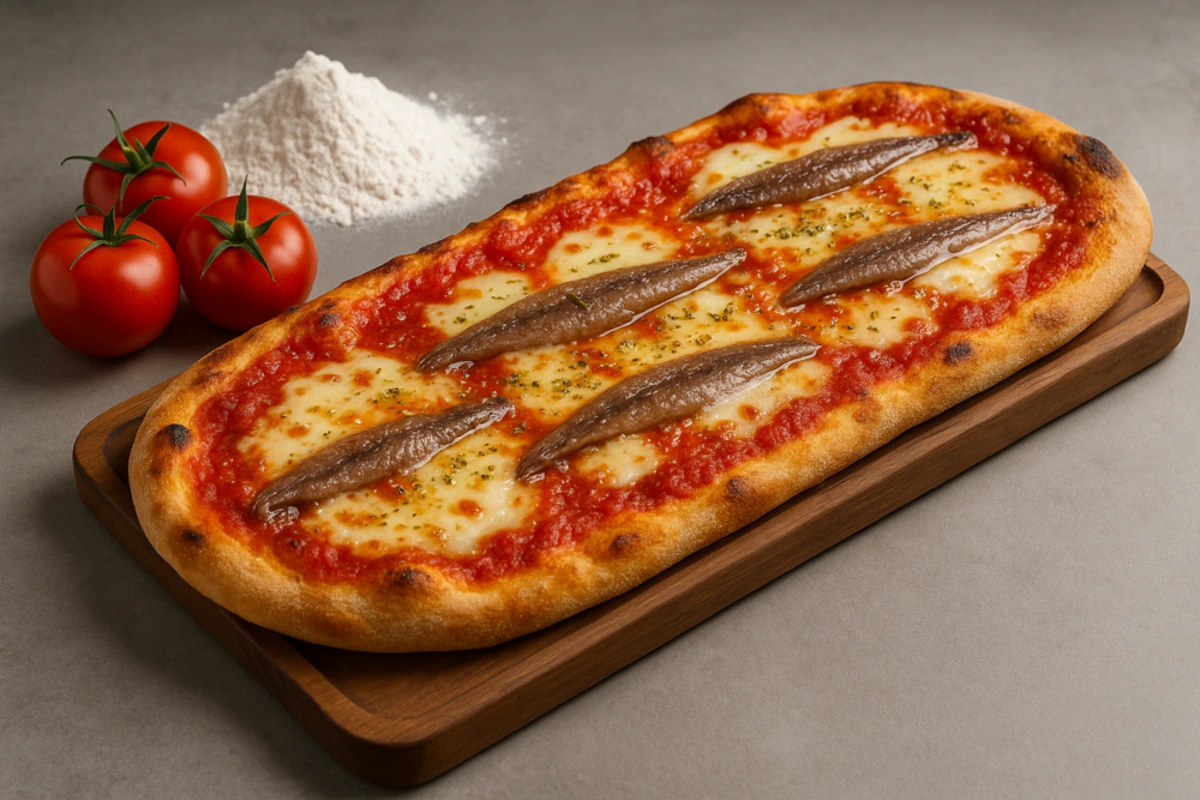
Pizza Romana Recipe & Wine Pairing Guide for Food Lovers
Pizza Romana: A Culinary Journey Through Rome's Most Iconic Dish
There's something magical about biting into a slice of authentic Pizza Romana—that perfect combination of crispy, thin crust, tangy tomato sauce, creamy mozzarella, and the unmistakable brininess of anchovies. Whether you're a seasoned home cook or someone looking to elevate your dinner parties, mastering this Roman classic opens the door to one of Italy's most celebrated culinary traditions. But here's the real secret to taking your Pizza Romana experience to the next level: pairing it with the right wine. The interplay between the salty, umami-rich flavors of this dish and a well-chosen wine creates a dining experience that rivals any trattoria in Rome itself. In this comprehensive guide, we'll walk you through creating authentic Pizza Romana from scratch and explore the wine recommendations that will transform your meal into something truly memorable.
About This Dish
Pizza Romana, also known as "pizza al taglio" (pizza by the slice), represents the heart of Roman food culture. Unlike its Neapolitan cousin with its puffy, yeast-forward crust, Pizza Romana features a thinner, crispier base that's equally satisfying and arguably more versatile for creative toppings. The dish emerged from the bustling streets of Rome, where vendors sold individual rectangular slices to hungry Romans grabbing lunch between errands.
What makes Pizza Romana truly distinctive is its approach to fermentation and technique. Roman pizzaiolos traditionally use a two-stage fermentation process that creates an incredibly light, digestible crust with remarkable flavor complexity. The dough develops character through time rather than aggressive kneading, resulting in a pizza that's both crispy on the outside and tender within.
The classic Roman topping combination—tomatoes, mozzarella, and anchovies—isn't arbitrary. These ingredients represent the essence of Mediterranean cuisine: the brightness of fresh tomatoes, the creamy richness of cheese, and the umami depth that anchovies provide. This flavor profile has made Pizza Romana a beloved staple not just in Rome, but throughout Italy and increasingly in the United States among food enthusiasts seeking authentic Italian experiences. The dish's popularity has grown significantly as Americans develop more sophisticated palates and seek out genuine regional Italian cuisine beyond the Americanized versions many grew up with.
Key Ingredients & Their Role
Understanding each ingredient in Pizza Romana is crucial to appreciating why this dish pairs so beautifully with certain wines. Let's break down the core components:
Flour forms the foundation of any great pizza. All-purpose flour works well for home cooks, though Italian 00 flour (doppio zero) produces an even more delicate crumb structure. The flour's protein content affects gluten development, which determines the crust's texture and chewiness. When you're selecting flour, you're essentially choosing the structural integrity of your pizza.
Fresh yeast (or active dry yeast as a substitute) drives the fermentation process. Unlike commercial yeast, fresh yeast ferments more slowly and gently, developing complex flavors in the dough over time. This slow fermentation is what gives Pizza Romana its distinctive taste—it's not just about rising, it's about flavor development. The yeast creates organic acids and compounds that make the crust more digestible and flavorful.
Tomatoes provide the acidic backbone of the pizza. Canned San Marzano tomatoes are ideal because they're naturally sweet with balanced acidity. This acidity is particularly important when considering wine pairings—the tomato's tartness will interact with your chosen wine's acidity and tannins.
Mozzarella brings creaminess and richness. Fresh mozzarella adds delicate flavor, while aged varieties contribute more complexity. The cheese's fat content coats your palate and creates a creamy texture that calls for wines with enough body to match its richness.
Anchovy fillets are the secret weapon of Pizza Romana. These small fish deliver intense umami—that savory, mouth-filling quality that makes food taste deeply satisfying. Umami is the fifth taste, and it's crucial when considering wine pairing. The saltiness and umami of anchovies demand wines with enough acidity and character to stand up to their boldness without being overwhelmed.
Extra virgin olive oil ties everything together, adding fruity, peppery notes that enhance the overall flavor profile. The quality of your olive oil directly impacts the final dish—use the best you can afford.
Oregano provides herbaceous notes that echo Mediterranean landscapes. Dried oregano works beautifully here, its concentrated flavor complementing the other ingredients without overpowering them.
When you understand how these ingredients work together—especially the salty, umami-forward combination of anchovies and tomatoes—you begin to see why certain wines elevate the entire experience rather than compete with it.
Recipe
Authentic Pizza Romana
| Prep Time | 120 minutes |
|---|---|
| Cook Time | 30 minutes |
| Total Time | 150 minutes |
| Servings | 4 |
| Difficulty | Moderate |
Ingredients
- 400g All-purpose flour
- 250ml Water
- 15g Fresh yeast
- 8g Salt
- 3 tbsp Extra virgin olive oil
- 300g Tomatoes (canned, peeled)
- 200g Mozzarella
- 10 fillets Anchovy fillets in olive oil
- 1 tsp Oregano (dried)
Instructions
- In a large mixing bowl, dissolve the fresh yeast in lukewarm water. Add the flour and salt, mixing until a dough starts to form.
- Knead the dough on a lightly floured surface for about 10 minutes until it is smooth and elastic. Drizzle 1 tbsp of olive oil over the dough and knead briefly to incorporate it.
- Place the dough in an oiled bowl, cover with a clean kitchen towel, and allow it to rise in a warm place for 1-1.5 hours, or until it doubles in size.
- Meanwhile, prepare the tomato sauce. Blend the canned tomatoes in a blender or crush them by hand. Season with 1 tbsp olive oil and a pinch of salt. Set aside.
- Preheat the oven to 250°C (480°F), and place a baking stone or heavy baking tray on the middle rack of the oven to preheat as well.
- Once the dough has risen, punch it down and divide it into 2 equal portions. Roll out each portion into an oval or rectangular shape, approximately 1 cm thick.
- Transfer the rolled-out dough to parchment paper for easy handling. Spread a thin layer of tomato sauce evenly over the dough, leaving a small border.
- Tear the mozzarella into small pieces and distribute them evenly over the tomato sauce.
- Place the anchovy fillets on top of the mozzarella, arranging them evenly across the pizza.
- Sprinkle the pizza with dried oregano and drizzle the remaining 1 tbsp of olive oil on top.
- Using a pizza peel or the parchment paper, transfer the pizza to the preheated baking stone or tray. Bake for 10-12 minutes or until the crust is golden and the cheese is bubbly and slightly browned.
- Remove the pizza from the oven, let it cool slightly, and serve warm with a drizzle of extra virgin olive oil if desired.
Nutrition Facts (per serving)
- Calories: 410 kcal
- Protein: 15.0g
- Fat: 12.0g
- Carbohydrates: 55.0g
- Salt: 2.3g
Dietary Information
Contains gluten, Contains dairy, Nut-free
Perfect Wine Pairings for Pizza Romana
Finding the perfect wine for Pizza Romana is an exciting opportunity to explore how acidity, body, and flavor profiles interact with food. The key to understanding this wine pairing lies in recognizing that Pizza Romana's salty, umami-rich character demands wines with enough acidity to cut through the richness of the cheese and the intensity of the anchovies.
Why Acidity Matters: The tomato sauce provides natural acidity, but the mozzarella and anchovy fillets add richness and saltiness that can coat your palate. You need a wine with enough acidity to refresh your mouth between bites, preparing your palate for the next slice. Think of acidity as the wine's ability to cleanse and reset your taste buds.
Crisp Italian White Wines: This is where Italian whites truly shine with Pizza Romana. A Vermentino or Pinot Grigio from northern Italy brings bright acidity and mineral notes that complement the dish beautifully. Look for wines from regions like Friuli-Venezia Giulia or Alto Adige, where cooler climates produce wines with excellent acidity. These wines won't overpower the pizza; instead, they'll enhance the flavors you've worked hard to develop. You'll find excellent options at Total Wine or Trader Joe's in the $12-18 range.
California Albariño and Sauvignon Blanc: If you want to stay closer to home, California producers are making increasingly sophisticated white wines that pair wonderfully with Pizza Romana. A crisp Sauvignon Blanc from Napa or Sonoma offers herbaceous notes and bright acidity that echo the oregano on your pizza while cutting through the richness of the cheese. Alternatively, seek out California Albariño—a Spanish varietal that's gaining popularity in American wine regions. These wines typically range from $14-22 and are readily available at most wine retailers.
Lighter Reds for the Adventurous: Don't dismiss red wine entirely. A chilled Pinot Noir from Oregon or a young, light-bodied Italian red like Barbera offers enough acidity and subtle tannins to work with Pizza Romana. The key is avoiding heavy, tannic wines that will clash with the anchovy's saltiness. Oregon Pinot Noirs are particularly excellent because they combine elegance with enough body to stand up to the pizza's flavors. Expect to spend $15-25 for quality Oregon Pinot Noir at BevMo or your local wine shop.
Spanish Verdicchio or Rosé: For something slightly different, consider a dry Spanish rosé or an Italian Verdicchio. These wines offer the best of both worlds—enough body to feel substantial alongside your meal, but with the refreshing acidity of white wine. A quality rosé from Spain or a Verdicchio from Marche region pairs beautifully with Pizza Romana's umami-forward profile. These typically cost $12-20 and are increasingly easy to find at major retailers.
The wine recommendation you choose should ultimately reflect your personal preferences, but remember that the goal is complementary interaction rather than dominance. Your wine should enhance the pizza experience, not compete with it.
Cooking Tips & Techniques
Mastering Pizza Romana requires attention to detail and understanding the science behind each step. Here are professional insights to elevate your results:
Temperature Control is Everything: Your oven temperature directly affects crust texture. A 250°C (480°F) oven creates that signature crispy exterior while keeping the interior tender. If your home oven doesn't reach this temperature, use the highest setting available, but be prepared for slightly longer baking times. Consider investing in an oven thermometer—many home ovens run cooler than their displays indicate.
Dough Hydration Matters: The water-to-flour ratio affects how your dough develops. If your dough feels too sticky, resist the urge to add flour immediately. Instead, wet your hands and continue working the dough. This technique, called "wet hands kneading," is a professional secret that prevents over-flouring while developing gluten properly.
Don't Rush the Rise: Patience is your greatest asset when making Pizza Romana. The long, slow fermentation develops flavor complexity that quick-rise methods cannot achieve. If you have time, let your dough rise in the refrigerator overnight—this cold fermentation actually improves flavor and makes the dough easier to shape.
Tomato Sauce Simplicity: Resist over-complicating your sauce. Fresh, quality tomatoes with minimal seasoning allow the tomato flavor to shine. If using canned tomatoes, San Marzano varieties are superior because they're naturally sweeter and less acidic than other canned options.
Anchovy Placement Strategy: Arrange anchovies before baking rather than after. This allows them to meld with the cheese and tomato sauce, distributing their umami throughout the pizza. Avoid clustering them in one area—spread them evenly for balanced flavor in every bite.
Common Mistakes to Avoid: The most frequent error is overloading toppings. Pizza Romana thrives on restraint—less is more. Too many toppings prevent proper crust crisping and create an unbalanced flavor profile. Another mistake is using cold mozzarella straight from the refrigerator. Let cheese sit at room temperature for 15 minutes before tearing it onto your pizza; this allows it to melt more evenly.
Serving Suggestions
Presentation elevates the entire dining experience. Serve your Pizza Romana hot from the oven, cut into generous rectangles or squares—this is the traditional Roman way. Arrange slices on a wooden board or ceramic platter, perhaps with a small bowl of finishing salt and high-quality olive oil on the side for those who want to customize their experience.
Consider serving your Pizza Romana as part of a casual Italian-inspired meal. Pair it with a simple arugula salad dressed with lemon vinaigrette—the peppery arugula and bright citrus provide textural contrast and additional acidity that complements both the pizza and your chosen wine. Fresh fruit for dessert, perhaps figs or berries, rounds out the meal beautifully.
The ambiance matters too. Set a casual, warm table with simple linens, perhaps some fresh herbs in a small vase, and of course, your carefully selected wine in appropriate glassware. Use the Vinomat app to confirm your wine choice before guests arrive, ensuring you've made the best pairing decision based on your specific pizza preparation.
Serve the pizza immediately after baking—the contrast between the warm, crispy crust and cool, melted cheese is part of the magic. Encourage guests to try their wine with the first bite, noticing how the acidity and flavor profile enhance the pizza's taste.
Conclusion
Mastering Pizza Romana opens a window into authentic Italian cooking and the joy of intentional food and wine pairing. This recipe gives you the foundation to create restaurant-quality pizza in your own kitchen, while understanding the wine pairing principles ensures every meal becomes a celebration of complementary flavors. Whether you choose a crisp Italian white, a California Sauvignon Blanc, or an Oregon Pinot Noir, the key is selecting wines that respect the pizza's bold, umami-forward character. The next time you're planning a dinner party or seeking to elevate a casual weeknight meal, remember that Pizza Romana paired with thoughtfully chosen wine transforms an ordinary evening into an extraordinary culinary experience. Use tools like Vinomat to explore wine pairing options and discover new favorites that perfectly match your homemade creations. Buon appetito!