


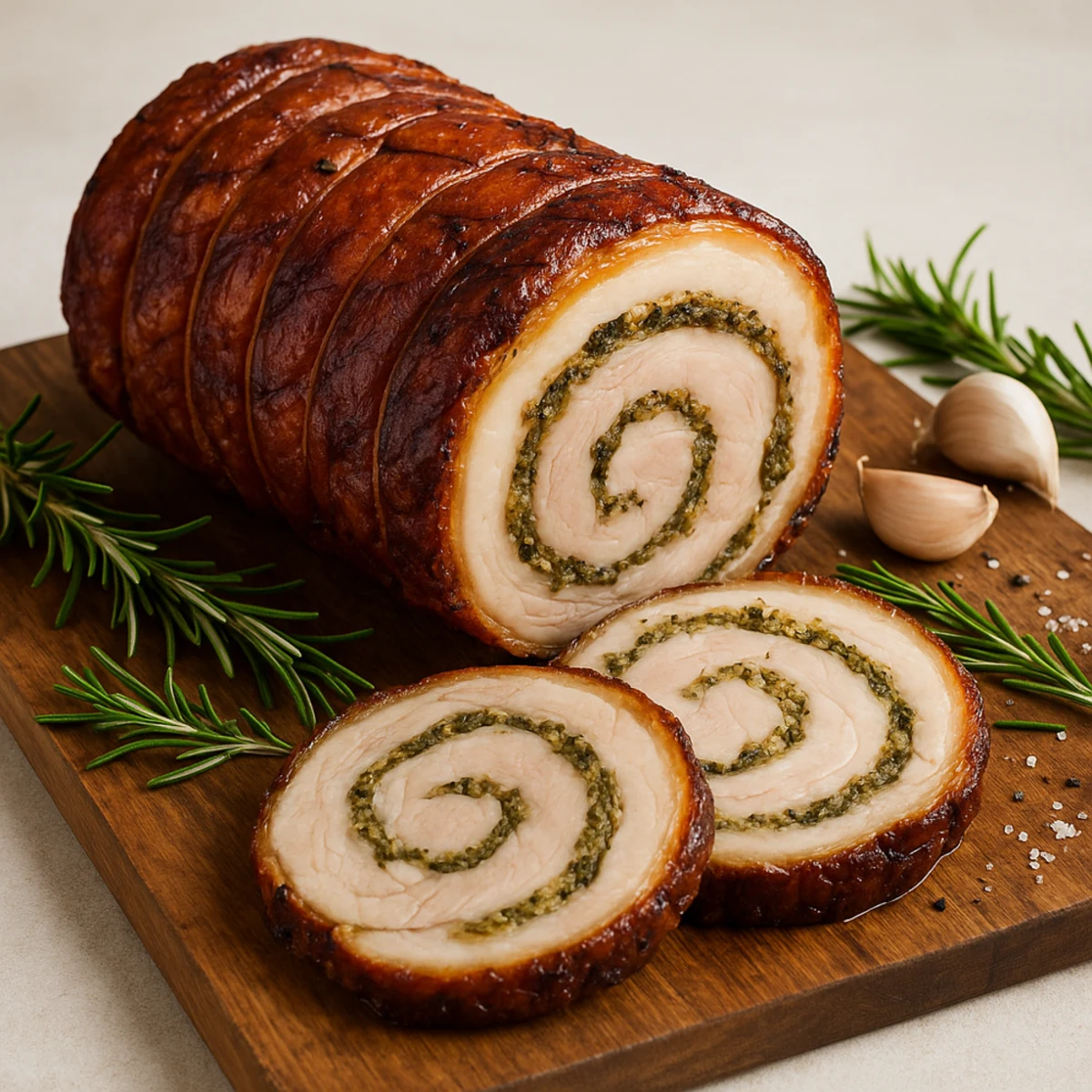
Porchetta Recipe & Wine Pairing Guide for Home Cooks
Master the Art of Porchetta: A Complete Recipe and Wine Pairing Guide
Introduction
There's something magical about the moment you pull a perfectly roasted porchetta from the oven—the crackling skin shatters under your knife, releasing an intoxicating aroma of rosemary, garlic, and caramelized pork that fills your entire kitchen. This Italian classic transforms a simple pork belly into something extraordinary, and it's far more approachable than you might think.
Whether you're planning an impressive dinner party or simply want to elevate your home cooking repertoire, porchetta deserves a place on your table. And here's the exciting part: this showstopping dish is an absolute dream when paired with the right wine. The combination of crispy skin, tender meat, and aromatic herbs creates endless possibilities for wine pairing that can take your dining experience from good to unforgettable.
In this guide, we'll walk you through everything you need to know about making authentic porchetta at home, plus our expert recommendations for finding the perfect wine pairing to complement your creation.
About This Dish
Porchetta hails from the Lazio region of Italy, particularly the area surrounding Rome, where it has been a culinary cornerstone for centuries. This traditional Italian dish represents the ultimate expression of nose-to-tail cooking—historically prepared with a whole deboned pig, stuffed with herbs and spices, then slow-roasted until the skin becomes impossibly crispy and the meat turns silky and tender.
What makes porchetta so special isn't just its incredible flavor, but the technique behind it. The slow roasting process allows the fat to render gradually, keeping the meat moist while the skin develops that signature crackle. The herb-infused interior means every bite carries layers of aromatic complexity that make it perfect for wine pairing.
While traditional porchetta uses the whole pig, modern home cooks typically work with a pork belly—a more manageable cut that delivers the same spectacular results. You'll find porchetta served two ways in Italy: as a standalone main course at special occasions, and as a sandwich filling in crusty Italian bread at street vendors and casual eateries.
What's truly remarkable is how porchetta has transcended its regional origins to become beloved throughout Italy and increasingly popular in the United States. Home cooks and professional chefs alike have embraced this dish because it's both impressive and, with proper guidance, entirely achievable in a home kitchen. The combination of bold flavors and stunning presentation makes it the kind of dish that impresses guests without requiring you to be a professional chef.
Key Ingredients & Their Role
The beauty of porchetta lies in how a relatively simple ingredient list creates profound flavor complexity. Let's break down what makes each component essential:
Pork Belly is the foundation of this dish, and it's the ideal cut for porchetta. Unlike leaner pork cuts, the belly contains the perfect ratio of meat to fat. This fat renders during the long, slow cooking process, keeping the meat incredibly moist while simultaneously creating the crispy, crackling skin that makes porchetta so irresistible. When selecting your pork belly, look for skin that's intact and relatively smooth—this is what will transform into that golden, shattered crackling.
Rosemary is the backbone of porchetta's aromatic profile. This woody, piney herb becomes increasingly fragrant when heated, infusing the entire roast with its distinctive Mediterranean character. Fresh rosemary is ideal because it releases more essential oils than dried varieties, but either will work. The herb's natural compounds pair beautifully with fatty pork, cutting through richness while adding complexity—a characteristic that also makes it wonderful for wine pairing considerations.
Garlic provides pungent, savory depth that balances the richness of the pork and the aromatic qualities of the rosemary. When garlic is slow-roasted with fat, it transforms into something almost sweet and mellow, adding umami-rich notes that make the dish more satisfying and memorable.
Fennel Seeds are the secret weapon that elevates porchetta from good to extraordinary. When toasted and crushed, fennel seeds release warm, slightly sweet, licorice-like notes that complement pork beautifully. This spice adds complexity and helps bridge the flavors between the meat and your wine pairing choices.
Salt and Black Pepper are the final essential elements. Salt seasons the meat deeply and helps draw out moisture to create that coveted crispy skin. Freshly ground black pepper adds subtle heat and complexity that enhances the overall flavor profile.
Olive Oil serves multiple purposes: it helps distribute the spices, adds richness to the herb paste, and contributes to skin crisping during the final roasting stages.
Together, these ingredients create a dish with bold, salty, aromatic characteristics that make it an exciting canvas for wine pairing exploration.
Recipe
| Prep Time | 30 minutes |
|---|---|
| Cook Time | 210 minutes |
| Total Time | 240 minutes |
| Servings | 4 |
| Difficulty | Advanced |
Ingredients
- 1.5 kg Pork belly (skin-on, boneless)
- 10 Garlic cloves
- 5 sprigs Fresh rosemary
- 2 tbsp Fennel seeds
- 2 tbsp Salt
- 2 tsp Black pepper (freshly ground)
- 1/4 cup Olive oil (extra virgin)
Instructions
- Preheat the oven to 150°C (300°F). Place the oven rack in the middle.
- Prepare the pork belly: Using a sharp knife, score the skin deeply in a crisscross pattern, being careful not to cut into the meat.
- Make the aromatic filling: Peel and finely chop the garlic. Strip the rosemary leaves from the stems and finely chop them. Toast the fennel seeds in a dry pan over medium heat until fragrant, then crush them lightly with a mortar and pestle or the back of a spoon.
- Combine the garlic, rosemary, fennel seeds, 1 tbsp of salt, 1 tsp of ground black pepper, and olive oil in a small bowl to create an aromatic paste.
- Flip the pork belly skin-side down. Spread the paste evenly over the meat.
- Roll the pork belly tightly, starting from the shorter end, to form a log. Use kitchen twine to tie the roll securely at 2–3 cm intervals.
- Season the outside of the pork generously with the remaining salt and black pepper.
- Place the pork on a wire rack set over a baking tray lined with foil. Roast in the oven at 150°C (300°F) for 3 hours.
- After 3 hours, increase the oven temperature to 220°C (430°F) to crisp the skin. Roast for another 30 minutes, or until the skin is golden and crispy.
- Remove the porchetta from the oven and let it rest for 15–20 minutes before slicing.
- To serve, slice the porchetta into 1.5–2 cm thick pieces. Arrange the slices on a wooden board or a serving platter garnished with fresh rosemary sprigs for an elegant presentation.
Nutrition Facts (per serving)
- Calories: 650 kcal
- Protein: 60.0g
- Fat: 55.0g
- Carbohydrates: 2.0g
- Salt: 2.5g
Dietary Information
Gluten-free, Dairy-free, Nut-free
Perfect Wine Pairings for Porchetta
Finding the ideal wine for porchetta requires understanding how the dish's key characteristics interact with wine. The salty, aromatic profile and rich, fatty meat create a complex puzzle that several wine styles solve beautifully.
Why Wine Pairing Matters with Porchetta
The crispy skin, tender meat, and herb-forward seasoning of porchetta demand wines with enough acidity to cut through fat, enough body to stand up to the dish's richness, and enough aromatic complexity to complement rather than compete with the rosemary and fennel. The wine pairing you choose can either enhance these elements or clash with them—getting it right transforms your meal into something memorable.
Top Wine Recommendations
Pinot Noir is arguably the most versatile wine pairing for porchetta. Look for examples from Oregon's Willamette Valley or California's Sonoma Coast—these regions produce Pinot Noir with bright cherry flavors, silky tannins, and enough acidity to complement the dish beautifully. The wine's earthy undertones echo the rosemary and fennel in your porchetta, while its medium body won't overwhelm the delicate meat. Try bottles in the $18-28 range from Total Wine or Trader Joe's for excellent value.
Barbera d'Alba from Italy's Piedmont region is a stunning wine pairing choice that honors porchetta's Italian heritage. This wine offers high acidity, dark fruit flavors, and subtle tannins that work wonderfully with the salty, aromatic characteristics of the dish. The wine's natural affinity for pork makes this pairing feel almost inevitable. Look for bottles around $15-25 at specialty wine shops or BevMo.
Côtes du Rhône or other southern Rhône blends provide an excellent wine pairing option with their medium body, spicy undertones, and bright acidity. These wines often feature Grenache, Syrah, and Mourvèdre—grapes that develop peppery, herbal notes that complement porchetta's aromatic profile. Prices typically range from $12-22, making this an accessible choice at most retailers.
Washington State Merlot offers a more full-bodied wine pairing alternative for those who prefer richer wines. The state's Merlots often feature plum and cherry notes with subtle herbal characteristics that work well with porchetta's fennel and rosemary. Look for bottles in the $15-30 range—many are available at Total Wine locations throughout the country.
When selecting your wine pairing, consider using a tool like Vinomat to explore these options based on your local availability and preferences. The app helps you discover perfect matches and find bottles at nearby retailers.
Cooking Tips & Techniques
Mastering porchetta requires understanding a few key techniques that separate good results from exceptional ones.
Scoring the Skin Properly is absolutely critical. Use a sharp knife and score the skin in a crisscross pattern, going deep enough to cut through the skin but not so deep that you penetrate the meat. This allows fat to render more evenly and creates more surface area for crisping. The deeper your scores, the more dramatic your crackling will be.
Don't Skip the Resting Period after roasting. Those 15-20 minutes allow the meat's juices to redistribute throughout the roast rather than running onto your cutting board. This step makes an enormous difference in the final texture and juiciness of your porchetta.
Temperature Control is Everything. The initial slow roast at 300°F renders fat gradually and keeps the meat tender. The final high-temperature blast crisps the skin without drying out the interior. Use a meat thermometer to ensure accuracy—you're aiming for 160-165°F internal temperature.
Prepare Your Pork Belly Properly by ensuring it's as dry as possible before cooking. Pat it thoroughly with paper towels. Some cooks even wrap it in towels and refrigerate it for an hour before roasting to maximize skin crisping.
Common Mistakes to Avoid: Don't skip the herb paste—it's what makes porchetta special. Don't rush the roasting process by increasing temperature too early. Don't slice before resting. And don't use ground fennel instead of fennel seeds; the flavor profile is entirely different.
Serving Suggestions
Presentation transforms porchetta from a delicious dish into a showstopping centerpiece. Slice your porchetta into 1.5-2 cm thick pieces and arrange them on a wooden board or ceramic platter. The contrast between the golden, crackling skin and the pink, tender meat is visually stunning—let it shine.
Garnish with fresh rosemary sprigs and perhaps a squeeze of fresh lemon juice to add brightness. Serve alongside crusty Italian bread for those who want to make sandwiches, or pair with simple sides like roasted vegetables or a fresh green salad dressed with lemon vinaigrette.
The dining experience matters as much as the food itself. Set your table with care, pour your chosen wine pairing into proper glasses, and take time to appreciate the aromas and flavors. Porchetta is the kind of dish that encourages conversation and lingering at the table—it's meant to be savored.
Consider serving porchetta at a relaxed dinner party where guests can enjoy multiple courses and wines. The dish pairs beautifully with antipasti beforehand and perhaps a simple dessert afterward. This structure allows your wine pairing choices to shine throughout the meal.
Conclusion
Mastering porchetta is an achievement worth celebrating. This authentic Italian classic delivers restaurant-quality results in your home kitchen, impressing guests and satisfying your own culinary ambitions. The combination of crispy skin, tender meat, and aromatic herbs creates something truly special—especially when you've selected the perfect wine pairing to accompany it.
The wine pairing possibilities are genuinely exciting. Whether you choose a silky Pinot Noir, an Italian Barbera, or a spicy Rhône blend, you'll discover how the right wine elevates every element of your porchetta. Don't be afraid to experiment and discover your personal favorite wine pairing.
As you embark on your porchetta journey, remember that tools like Vinomat can help you navigate wine selections and discover new pairings based on what's available near you. The app takes the guesswork out of wine pairing, helping you find bottles that will make your homemade porchetta even more memorable.
Now it's time to roll up your sleeves, gather your ingredients, and create something extraordinary. Your dinner guests—and your own palate—will thank you.