


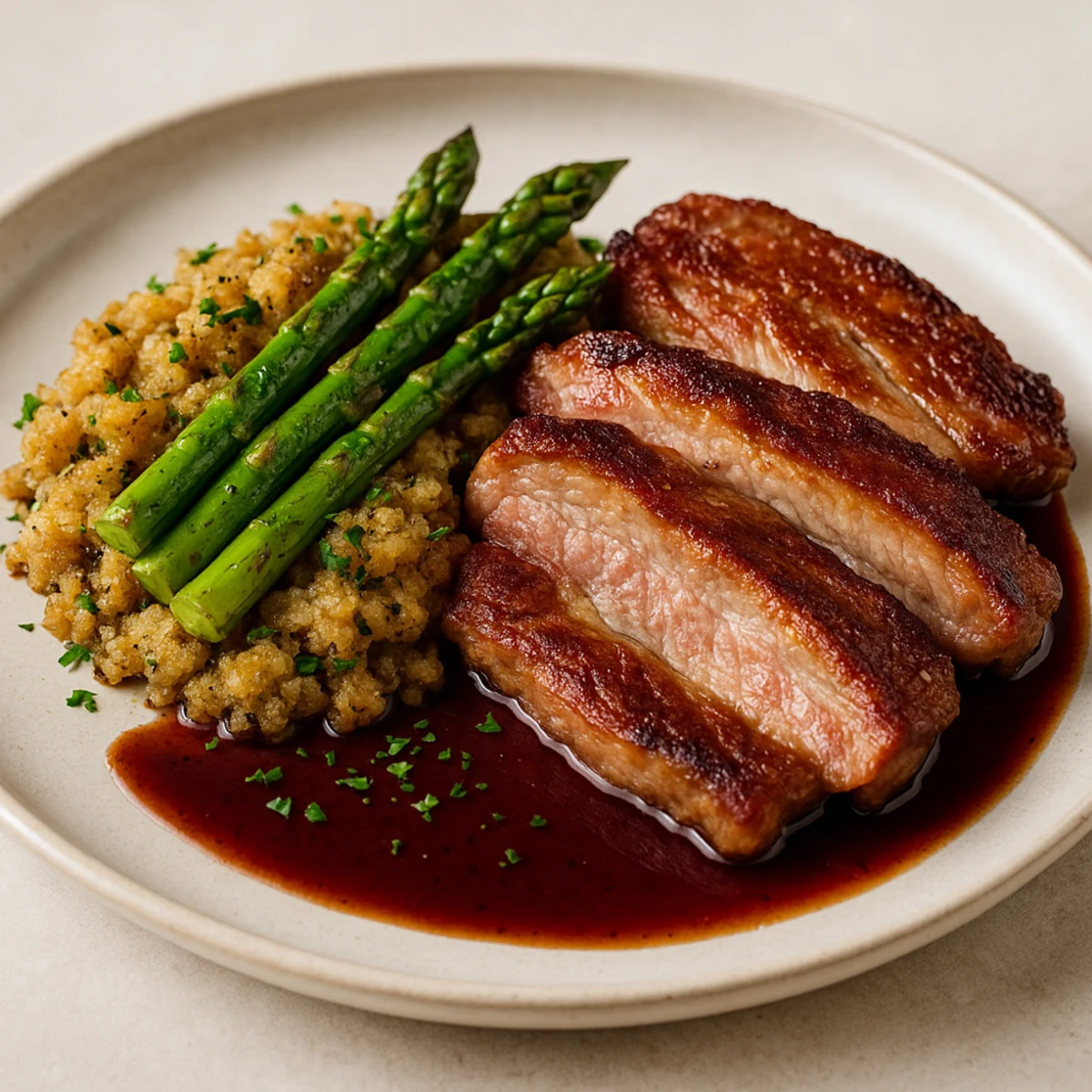
Porco Preto Porco Preto Recipe: Asparagus Migas & Red Wine Sauce
Porco Preto Porco Preto Recipe: Porco Preto with Asparagus Migas and Red Wine Sauce
Introduction
If you love dishes that feel rustic, refined, and deeply satisfying all at once, this porco preto porco preto recipe deserves a place at your table. Porky, savory, and layered with earthy asparagus migas and a glossy red wine sauce, it captures the kind of cooking that turns a simple dinner into a memorable meal. The flavors are bold but balanced: salty, umami-rich, and lifted by the bright green snap of asparagus and the gentle acidity of wine.
What makes this dish especially exciting for wine lovers is its natural pairing potential. The richness of porco preto invites wines with freshness and structure, while the red wine sauce echoes the flavors in the glass. That means you can build a pairing that feels seamless rather than forced. Whether you are hosting friends, planning a special date night, or just want to level up your home cooking, this porco preto recipe offers a delicious reason to open a great bottle. With the right wine recommendation, the whole plate comes alive.
About This Dish
Porco preto, or Iberian black pork, is one of those ingredients that instantly signals luxury without losing its rustic roots. Traditionally associated with the Iberian Peninsula, especially Portugal and Spain, this pork comes from black Iberian pigs known for their marbled meat and deep, nutty flavor. The result is a dish that feels both traditional and elevated, which is exactly why a porco preto porco preto recipe has such strong appeal for modern cooks.
In Portuguese and Spanish-inspired cooking, pork is often treated with respect and restraint. Rather than overwhelming the meat, chefs and home cooks tend to build layers around it: herbs, wine, vegetables, bread-based sides, and sauces that enhance the natural savoriness. That’s where asparagus migas come in. Migas, a classic bread-based preparation, absorb flavor beautifully and add a comforting, slightly crisp texture that contrasts with the tenderness of the pork. Asparagus brings freshness and a subtle bitterness that keeps the dish from feeling too heavy.
The red wine sauce ties everything together. It adds depth, sheen, and a gentle tang that cuts through the richness of the pork. In a broader sense, this dish reflects what so many American diners now love: food that is rooted in tradition but open to interpretation, built with real ingredients, and meant to be enjoyed with a thoughtful glass of wine. A well-made porco preto recipe is not just dinner; it is a conversation between land, flavor, and glass.
Key Ingredients & Their Role
The beauty of this porco preto porco preto recipe lies in how each ingredient contributes to the final balance of the plate. At the center is porco preto itself. Because Iberian black pork is naturally well marbled, it cooks up juicy and flavorful, with a richness that feels almost silky on the palate. That marbling is important for wine pairing too: it softens tannins and makes room for wines with bright acidity, savory notes, or moderate oak.
Asparagus brings a different kind of energy. Its grassy, slightly bitter character adds lift and freshness, which is essential in a dish built around pork and sauce. In migas, asparagus does more than add color. It gives the bread mixture a springlike snap and prevents the side from feeling dense. The bread itself is a quiet but crucial player. It soaks up pork juices and sauce, creating a satisfying texture that is crisp at the edges and tender in the middle.
Red wine is the bridge ingredient. In the sauce, it contributes dark fruit, acidity, and a subtle tannic grip. Reduced properly, it becomes glossy and concentrated, adding depth without overpowering the pork. Aromatics such as garlic, onion, thyme, or bay leaf often support the sauce, reinforcing the savory profile. Olive oil, salt, and black pepper round out the dish, while a touch of butter or stock can smooth the sauce and create a more polished finish.
From a wine pairing perspective, this combination points toward wines with medium body, lively acidity, and enough savory complexity to echo the umami in the dish. Too much tannin can feel heavy; too little structure can disappear. That is why this porco preto recipe is such a great example of balance on the plate and in the glass.
Recipe
Porco Preto with Asparagus Migas and Red Wine Sauce
Prep Time: 25 minutes Cook Time: 35 minutes Total Time: 1 hour Servings: 4 Difficulty: Intermediate
Ingredients
For the porco preto
- 1 1/2 lb porco preto pork loin or pork shoulder, cut into thick medallions or chunks
- 2 tbsp olive oil
- 3 cloves garlic, minced
- 1 tsp kosher salt
- 1/2 tsp freshly ground black pepper
- 1 tsp smoked paprika
- 1 tbsp chopped fresh thyme or 1 tsp dried thyme
For the asparagus migas
- 6 cups day-old rustic bread, torn into small pieces
- 1 bunch asparagus, trimmed and cut into 1-inch pieces
- 3 tbsp olive oil
- 2 cloves garlic, thinly sliced
- 1 small onion, finely chopped
- 1/2 tsp salt, plus more to taste
- 1/4 tsp black pepper
- 1/3 cup warm water or stock, as needed
For the red wine sauce
- 1 cup dry red wine
- 1/2 cup pork stock or low-sodium chicken stock
- 1 small shallot, minced
- 1 tbsp butter
- 1 tsp olive oil
- 1 sprig thyme or 1/2 tsp dried thyme
- Salt and pepper, to taste
Instructions
- Season the pork. Pat the porco preto dry. Season with salt, black pepper, smoked paprika, thyme, and minced garlic.
- Sear the pork. Heat olive oil in a large skillet over medium-high heat. Sear the pork until browned on all sides and cooked through, about 8-12 minutes depending on thickness. Transfer to a plate and keep warm.
- Start the sauce. In the same pan, add olive oil and shallot. Cook for 1-2 minutes until softened. Pour in the red wine and thyme, scraping up the browned bits from the pan.
- Reduce the sauce. Simmer until the wine is reduced by about half. Add stock and continue cooking until lightly thickened. Finish with butter. Season to taste and keep warm.
- Make the migas. In a separate large skillet, heat olive oil over medium heat. Add onion and garlic and cook until fragrant and softened.
- Cook the asparagus. Add asparagus pieces and sauté for 3-4 minutes until bright green and just tender.
- Add the bread. Stir in the torn bread and season with salt and pepper. Add a splash of warm water or stock if needed to help the bread soften slightly while staying textured.
- Finish the migas. Cook, stirring occasionally, until the bread is golden in spots and the mixture holds together loosely, about 5-7 minutes.
- Plate and serve. Spoon the asparagus migas onto plates, top with porco preto, and finish generously with red wine sauce.
Nutrition Facts
Per serving, approximate:
- Calories: 620
- Protein: 38g
- Fat: 30g
- Saturated Fat: 9g
- Carbohydrates: 38g
- Fiber: 4g
- Sugar: 5g
- Sodium: 780mg
Dietary Information
- Contains: Pork, gluten, dairy
- Dietary notes: Not vegetarian, not vegan, not gluten-free
- Best for: A hearty dinner, special occasion meal, or wine-pairing menu
Perfect Wine Pairings
A great porco preto porco preto recipe calls for wine that can handle richness, savoriness, and the sweet-sour lift of red wine sauce. The goal is not to overpower the pork, but to match its intensity while keeping the palate fresh from bite to bite. Look for medium body, bright acidity, and moderate tannins. Wines with earthy or savory notes are especially good because they echo the umami in the pork and the toasted bread in the migas.
1. Oregon Pinot Noir
This is one of the most reliable choices for a porco preto recipe. Oregon Pinot Noir brings red cherry, cranberry, mushroom, and forest-floor notes, all of which work beautifully with the dish’s earthy and savory elements. Its acidity lifts the pork, while its soft tannins won’t clash with the richness. In the U.S., you can find excellent bottles at Total Wine, BevMo, Trader Joe’s, and local wine shops for around $20-$30.
2. California Pinot Noir from Sonoma or Santa Barbara
If you want something a little riper and rounder, California Pinot Noir is a smart pick. Sonoma examples often balance bright fruit with spice and subtle oak, making them versatile with the red wine sauce. This style is especially appealing if you like a slightly more generous, plush texture in your glass. Expect solid options in the $15-$30 range at Total Wine and grocery stores.
3. Spanish Tempranillo
Because this dish has Iberian roots, Spanish Tempranillo feels especially natural. Choose a Crianza or Reserva with notes of plum, leather, tobacco, and dried herbs. The wine’s savory profile mirrors the pork and migas, while its structure stands up to the sauce. This is a particularly strong wine pairing if you want an Old World feel without stretching your budget. Many good bottles are available at Trader Joe’s and local wine shops for about $15-$25.
4. Washington State Merlot or Red Blend
For a softer, more fruit-forward option, a Washington Merlot or Bordeaux-style blend can work very well. These wines often offer dark fruit, cocoa, and gentle spice with enough acidity to keep the meal lively. They are a good choice if your guests prefer a smoother red that is easy to enjoy with food. Look for bottles in the $18-$30 range at Total Wine or BevMo.
If you want the best wine for this dish, think balance rather than power. Too much oak or tannin can flatten the asparagus and make the sauce taste harsh. A wine with freshness, savory depth, and moderate alcohol will bring out the best in this porco preto porco preto recipe. Vinomat can help you compare styles and find a wine recommendation that fits your taste and budget.
Cooking Tips & Techniques
The biggest secret to a successful porco preto porco preto recipe is respecting the pork. Because it is naturally rich, it does not need aggressive seasoning or overcooking. Sear it well for flavor, but keep the final texture juicy. If you are using pork shoulder, give it a little more time; if you are using loin, watch it closely so it stays tender.
For the migas, the bread texture matters. Day-old rustic bread is ideal because it absorbs flavor without turning mushy. If your bread is very dry, add the liquid gradually so the mixture softens just enough. You want the migas to feel cohesive but still have some bite. The asparagus should stay bright green and lightly crisp, not overcooked into softness.
When making the sauce, reduce the wine patiently. Rushing this step can leave the sauce tasting sharp or alcoholic. Let it simmer until the flavor becomes round and concentrated. A small amount of butter at the end gives the sauce shine and a smoother finish.
Common mistakes to avoid? Overcrowding the pan when searing, using bread that is too fresh, and over-salting too early. Taste as you go, especially because the sauce will concentrate as it reduces. This porco preto recipe rewards careful timing and a light hand.
Serving Suggestions
Serve this dish family-style or plated for a more elegant presentation. A bed of asparagus migas makes a beautiful base, especially if you let some golden edges show for texture. Arrange the porco preto on top or slightly beside the migas, then spoon the red wine sauce over the meat so it glistens without drowning the plate.
For accompaniments, keep things simple. A crisp green salad with lemon vinaigrette or roasted carrots can add freshness without competing with the main flavors. If you are planning a full dinner, crusty bread and a bottle of the same wine used in the sauce can make the meal feel cohesive and thoughtful.
This is a wonderful dish for a relaxed dinner party, especially when you want to impress without making the menu overly complicated. Candlelight, warm plates, and a well-chosen bottle turn this porco preto porco preto recipe into a restaurant-worthy experience at home.
Conclusion
This porco preto porco preto recipe brings together everything that makes great cooking so satisfying: rich flavor, contrasting textures, and a sauce that ties the whole plate together. The asparagus migas add freshness and comfort, while the red wine sauce gives the dish depth and polish. Best of all, it offers a natural path to a memorable wine pairing.
Whether you reach for Oregon Pinot Noir, Spanish Tempranillo, or a polished California red, the right bottle will make each bite more expressive. If you love discovering what wine goes with your favorite meals, Vinomat makes it easy to explore smart, delicious pairings with confidence. Try the recipe, pour something beautiful, and enjoy the kind of dinner that lingers in memory long after the last glass.