


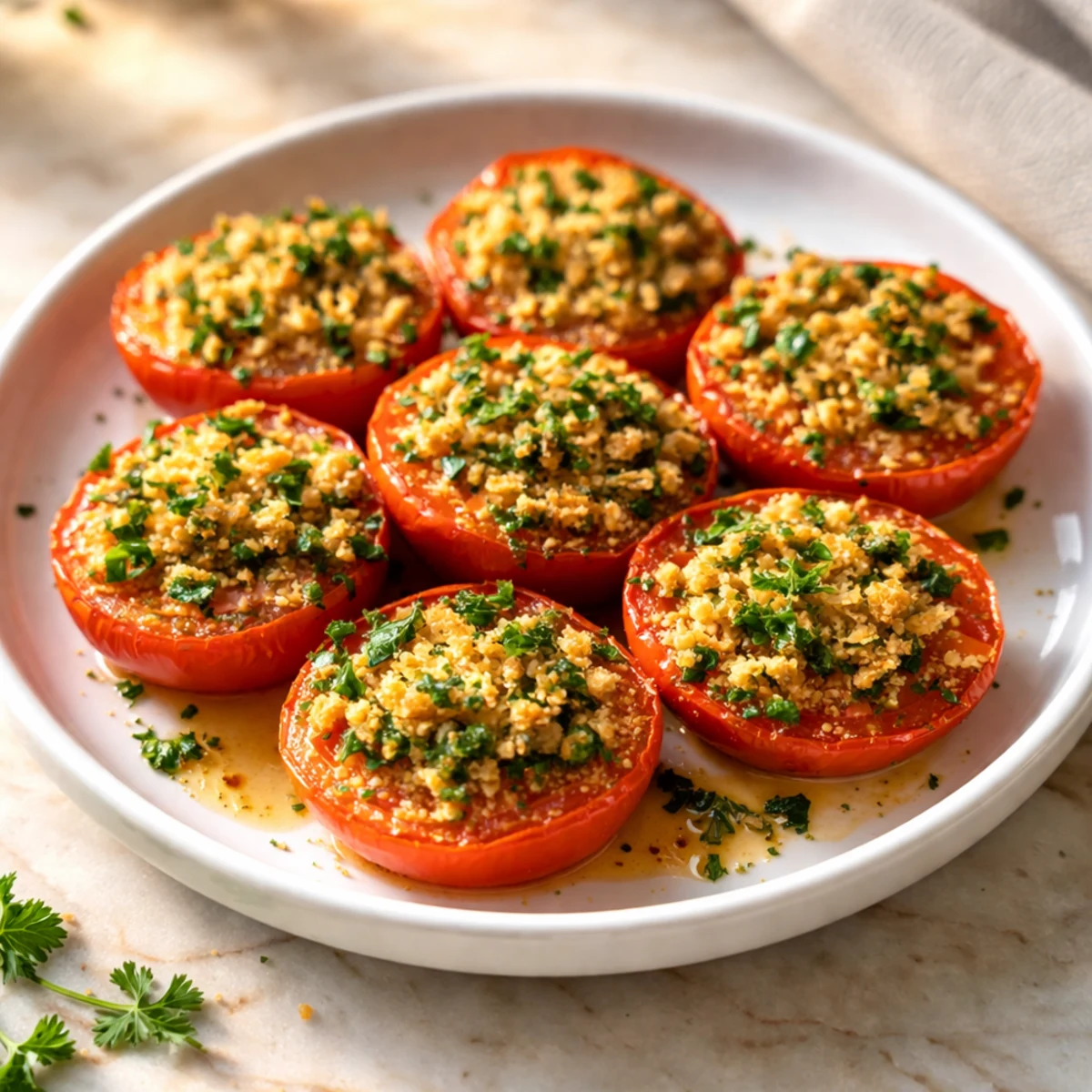
Provençal Tomatoes Wine Pairing: A Bright, Garlicky Recipe
Introduction
Provençal Tomatoes are the kind of dish that proves simple food can still feel luxurious. Juicy tomatoes, plenty of garlic, and a golden crumb topping come together in a way that smells like a warm kitchen in the South of France. It’s rustic, sun-soaked, and just a little bit irresistible. For home cooks in the United States, this is also the sort of recipe that fits beautifully into modern entertaining: easy enough for a weeknight, elegant enough for guests, and flexible enough to serve with almost anything from grilled fish to roast chicken.
What makes Provençal Tomatoes especially appealing is how naturally they invite a wine pairing conversation. The tomatoes bring brightness and acidity, the garlic adds savory depth, and the herbs create a fragrant, Mediterranean finish. That balance opens the door to crisp whites, light-bodied reds, and even a dry rosé. If you’ve ever wondered what wine goes with Provençal Tomatoes, this recipe and wine pairing guide will give you a confident place to start. With a little help from Vinomat, finding the perfect match becomes less guesswork and more pleasure.
About This Dish
Provençal Tomatoes are rooted in the cooking of Provence, the sun-drenched region of southeastern France known for olive oil, garlic, herbs, vegetables, and a relaxed approach to flavorful, seasonal food. In Provençal cooking, the goal is rarely complexity for its own sake. Instead, the emphasis is on coaxing out the best of a few good ingredients. That philosophy is exactly what makes this dish so enduring: ripe tomatoes are transformed with breadcrumbs, garlic, herbs, and often a drizzle of olive oil into something that tastes far greater than the sum of its parts.
This dish also reflects a very French kind of practicality. It’s a brilliant way to use peak-season tomatoes, especially when they are at their sweetest and most fragrant. In many homes, Provençal Tomatoes are served as a side dish, a vegetarian main, or part of a larger spread with grilled meats, seafood, or a simple salad. The texture contrast is part of the charm: tender, juicy tomatoes underneath a crisp, savory topping.
For American cooks, the appeal is immediate. It feels familiar enough to be approachable, but distinctive enough to feel special. It’s also a wonderful example of a wine-friendly dish, because the flavors are balanced rather than heavy. That makes Provençal Tomatoes a smart choice when you want a recipe that pairs well with a wide range of wines, from a mineral-driven French white to a bright California Chardonnay or a chilled red from Oregon.
Key Ingredients & Their Role
At the heart of Provençal Tomatoes are three essential ingredients: tomatoes, garlic, and breadcrumbs. Each plays a different role, and together they create a dish that is savory, aromatic, and deeply satisfying.
Tomatoes are the star, so quality matters. Look for ripe, firm tomatoes with good flavor and enough structure to hold up in the oven. Their natural acidity brings freshness, while their juices create a soft, almost jammy base as they roast. That acidity is also important for wine pairing, since it means the best wine for Provençal Tomatoes needs enough acidity to stay lively alongside the dish.
Garlic provides the backbone. When baked, it loses some of its raw sharpness and becomes mellow, sweet, and deeply savory. It threads through the tomatoes and breadcrumbs, giving the dish its unmistakable Provençal character. Garlic can be tricky with wine, though, because it amplifies bitterness in wines that are too tannic or too oaky. That’s one reason lighter, fresher styles often work better than big, heavy reds.
Breadcrumbs bring texture and absorb some of the tomato juices, helping create that irresistible contrast between soft and crisp. They also carry seasoning beautifully. A little olive oil helps the crumbs brown, while herbs such as thyme, parsley, oregano, or herbes de Provence add fragrance and lift. In many versions, Parmesan or another hard cheese adds saltiness and umami, making the dish even more wine-friendly.
For wine pairing, think about balance. You want a wine that can handle acidity, garlic, and herbs without overpowering the tomatoes. That usually means bright acidity, moderate body, and restrained tannins. In other words, Provençal Tomatoes are a perfect match for wines that are fresh, food-friendly, and not too heavy-handed.
Recipe
Provençal Tomatoes Recipe
Prep Time: 15 minutes Cook Time: 25 minutes Total Time: 40 minutes Servings: 4 Difficulty: Easy
Ingredients
- 4 medium ripe tomatoes, halved crosswise
- 3 cloves garlic, finely minced
- 3/4 cup fresh breadcrumbs
- 2 tablespoons olive oil, plus more for drizzling
- 2 tablespoons grated Parmesan cheese, optional
- 1 tablespoon chopped fresh parsley
- 1 teaspoon chopped fresh thyme, or 1/2 teaspoon dried thyme
- 1/2 teaspoon kosher salt
- 1/4 teaspoon black pepper
- 1 pinch crushed red pepper flakes, optional
Instructions
- Preheat the oven to 400°F (200°C). Lightly oil a baking dish large enough to hold the tomato halves in a single layer.
- Prepare the tomatoes. Place the tomato halves cut-side up in the baking dish. If needed, trim a thin slice from the bottom so they sit flat.
- Mix the topping. In a bowl, combine the breadcrumbs, garlic, olive oil, Parmesan if using, parsley, thyme, salt, black pepper, and red pepper flakes if desired. Stir until the mixture looks evenly moistened.
- Top the tomatoes. Spoon the breadcrumb mixture generously over each tomato half, pressing lightly so it adheres.
- Drizzle with olive oil. Add a light drizzle over the top to help the crumbs brown beautifully.
- Bake. Roast for 20 to 25 minutes, until the tomatoes are tender and the topping is golden brown.
- Serve warm. Let rest for 5 minutes before serving so the juices settle slightly.
Nutrition Facts
Estimated per serving
- Calories: 145
- Protein: 4 g
- Carbohydrates: 15 g
- Fat: 8 g
- Saturated Fat: 1.5 g
- Fiber: 3 g
- Sugar: 7 g
- Sodium: 310 mg
Dietary Information
- Vegetarian: Yes
- Vegan: Yes, if Parmesan is omitted
- Gluten-Free: No, but can be made gluten-free with gluten-free breadcrumbs
- Dairy-Free: Yes, if Parmesan is omitted
Perfect Wine Pairings
Finding the right wine pairing for Provençal Tomatoes is all about respecting the dish’s acidity, garlic, and herbal notes. Because tomatoes are naturally tart, a wine with crisp acidity tends to work best. Because garlic and herbs can make tannins taste harsher, it’s usually smart to avoid big, heavily oaked reds. The goal is freshness, balance, and enough flavor to stand up to the savory topping without bulldozing the tomatoes.
1. Dry Rosé from Provence or California
If you want the most classic wine for Provençal Tomatoes, dry rosé is a natural perfect match. Provence rosé brings pale color, bright red berry notes, citrus, and a clean, mineral finish that mirrors the dish’s Mediterranean character. In the U.S., you can easily find excellent bottles at Total Wine, Trader Joe’s, BevMo, and local wine shops, often in the $15–30 range. California rosé from Sonoma or the Central Coast can also be a great buy, especially if you want something a touch fruitier but still crisp.
2. Sauvignon Blanc from California or France
Sauvignon Blanc is another strong wine recommendation because its zippy acidity and herbal profile echo the tomatoes and herbs. Look for examples from Sonoma or Napa if you want a ripe, citrus-driven style, or try a Loire Valley Sauvignon Blanc for a more mineral, grassy expression. This style works especially well if your Provençal Tomatoes lean heavily herbal or include extra garlic. It’s refreshing, easy to find, and often one of the best values on the shelf.
3. Unoaked Chardonnay from Oregon or California
If you prefer white wine with a little more texture, an unoaked Chardonnay can be a smart choice. Oregon Chardonnay and cooler-climate California versions often bring green apple, lemon, and subtle stone fruit without heavy oak or butter. That restraint makes them a good wine pairing for the dish’s savory topping. At around $15–30, they’re widely available and offer plenty of versatility for the American table.
4. Light Red Wine: Pinot Noir from Oregon or Sonoma
For red wine lovers, Pinot Noir is the safest and most satisfying route. Choose a lighter-bodied style with bright acidity and soft tannins. Oregon Pinot Noir is especially appealing here because it tends to be earthy, elegant, and food-friendly. A cool-climate Sonoma Pinot can also work beautifully. This is a wine for Provençal Tomatoes when you want something a little more structured but still gentle enough not to clash with the tomatoes.
When shopping, keep an eye out for wines labeled fresh, crisp, mineral, or unoaked. Those cues usually point you toward a better pairing. And if you’re standing in front of the shelves at Trader Joe’s or Total Wine wondering what wine goes with Provençal Tomatoes, Vinomat can help narrow the field fast and point you toward the perfect match.
Cooking Tips & Techniques
The biggest secret to great Provençal Tomatoes is choosing tomatoes with real flavor. Out-of-season tomatoes can taste watery and flat, which makes the dish less satisfying and harder to pair with wine. If possible, use ripe summer tomatoes or the best vine-ripened tomatoes you can find. Heirloom tomatoes are lovely, but standard medium tomatoes work well too as long as they are firm and flavorful.
Don’t overdo the breadcrumbs. You want a topping that browns and crisps, not a dry blanket that buries the tomatoes. The mixture should be lightly moistened with olive oil so it toasts rather than burns. If you like extra crunch, add a little more breadcrumb mixture during the last few minutes of baking.
Garlic should be finely minced so it distributes evenly and cooks through. Large pieces can taste harsh. Likewise, be careful with salt if you’re using Parmesan, since the cheese adds plenty of seasoning on its own. A light hand keeps the dish balanced and makes the wine pairing easier.
One more tip: let the tomatoes rest briefly after baking. This helps the juices settle, making the texture more appealing and preventing the topping from sliding off. If you’re serving this as part of a larger meal, you can bake it just before dinner and serve it warm, which is when the aromas are at their best.
Serving Suggestions
Provençal Tomatoes are wonderfully versatile, which is part of their charm. Serve them as a side dish alongside grilled chicken, roasted salmon, lamb chops, or a simple frittata. They also make a beautiful addition to a summer spread with olives, crusty bread, green salad, and cheese. If you want to lean into the Mediterranean mood, pair them with grilled zucchini, ratatouille, or a platter of marinated vegetables.
For presentation, arrange the tomatoes in a shallow serving dish and spoon any flavorful juices from the pan over the top. A final sprinkle of fresh herbs makes the colors pop and adds a fresh aroma right at the table. If you’re pouring wine, chill a bottle of rosé or Sauvignon Blanc slightly so it feels especially refreshing with the warm, savory tomatoes.
This is also a dish that works well for casual entertaining. It looks elegant without requiring much fuss, which makes it ideal for a relaxed dinner party or a weeknight meal that still feels polished. The combination of color, aroma, and texture makes it a natural centerpiece for a wine-friendly table.
Conclusion
Provençal Tomatoes are proof that the simplest dishes can deliver the biggest payoff. With ripe tomatoes, garlic, herbs, and a crisp golden topping, this recipe brings a little French sunshine to the American table. It’s easy to make, deeply satisfying, and full of wine pairing potential.
Whether you reach for a dry rosé, Sauvignon Blanc, unoaked Chardonnay, or a light Pinot Noir, the right wine can turn this humble dish into something memorable. If you’ve been searching for the best wine for Provençal Tomatoes, let Vinomat help you discover the perfect match and make every meal feel a little more special.