


Pulpo a la Gallega: The Ultimate Guide to Galicia’s Octopus & Wine Pairing
Introduction
Few dishes evoke the magic of coastal Spain quite like pulpo a la gallega. This classic Galician octopus recipe—also known as pulpo a feira—brings together tender octopus, silky potatoes, and a bold hit of paprika. But what truly elevates this culinary masterpiece is the art of wine pairing: the right glass transforms a simple meal into an unforgettable experience. For home cooks and wine lovers in the United States, mastering pulpo a la gallega means exploring new flavors while discovering perfect wine matches from local favorites like Total Wine, Trader Joe's, and BevMo. Whether you’re a seasoned enthusiast or just discovering Spanish cuisine, this guide will help you cook, serve, and pair pulpo a la gallega with confidence.
About This Dish
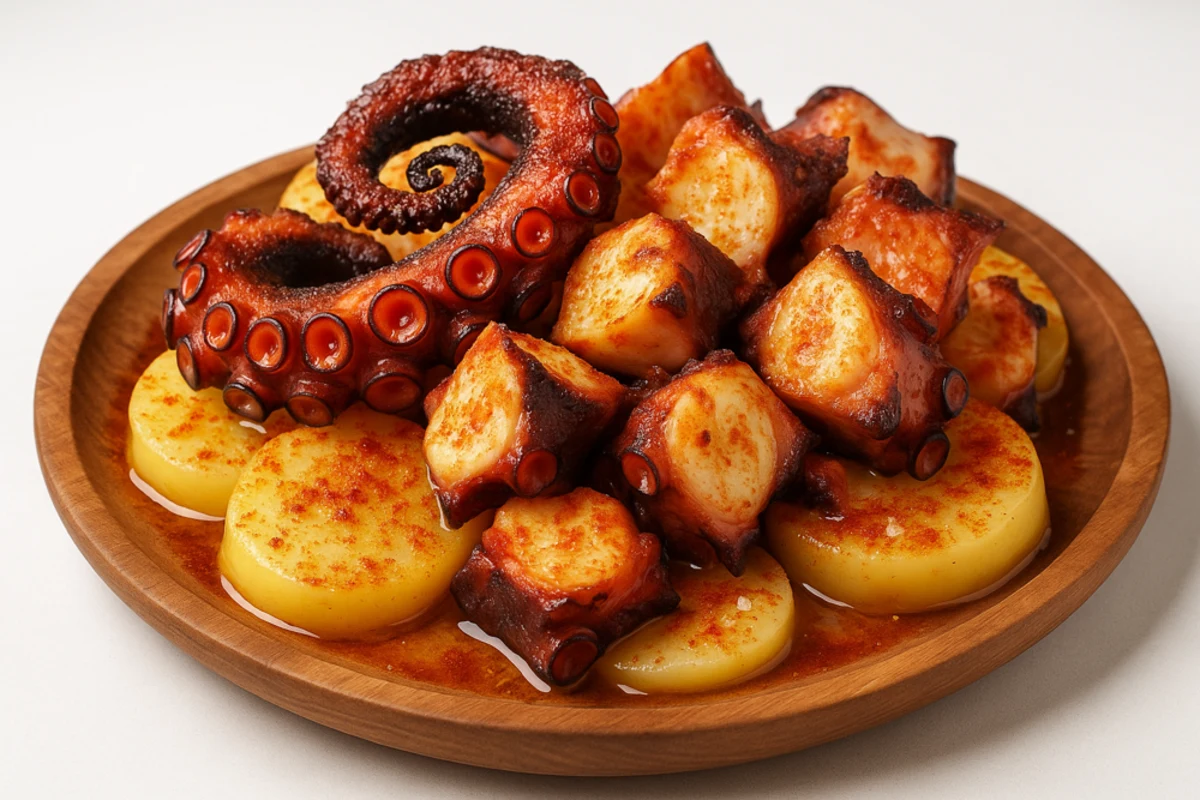
Pulpo a la gallega originates from Galicia, a lush region in northwest Spain famous for its rugged coastline and seafood traditions. Known locally as pulpo a feira—meaning "fair-style octopus"—this dish is a centerpiece at festivals, family gatherings, and local fairs, especially in the city of Lugo during patron saint celebrations. Its simplicity is deceptive: the delicate balance of flavors and textures makes pulpo a la gallega a true culinary icon. Octopus is revered for its tender bite and subtle sweetness, potatoes add earthiness and comfort, and paprika brings a smoky, spicy edge. Traditionally, pulpo gallego is served on wooden plates, a nod to its rustic roots, and drizzled with extra virgin olive oil for richness.
In Galicia, the recipe has been passed down through generations, celebrated for its ability to showcase the freshness of local seafood with minimal fuss. Today, pulpo a la gallega is enjoyed far beyond Spain, making its way to American tables thanks to the growing interest in global cuisine and adventurous wine pairings. For those wondering what is pulpo a la gallega, it’s more than octopus—it’s a celebration of Spanish hospitality, simplicity, and the joy of sharing food and wine with friends.
Key Ingredients & Their Role
The beauty of pulpo a la gallega lies in its short ingredient list, each component playing a vital role in the dish’s harmony. Let’s break down what makes this recipe unique—and how each element influences your wine pairing choices:
- Octopus: The star ingredient, prized for its firm yet tender texture and subtle, oceanic flavor. Freezing the octopus before cooking is a modern trick that helps tenderize the meat, ensuring a melt-in-your-mouth result. Octopus is rich in protein and omega-3s, making it a healthy centerpiece for any meal.
- Potatoes: Waxy potatoes like Yukon Gold are essential—they soak up olive oil and paprika, providing a creamy, earthy base that balances the dish’s briny intensity. Their mild sweetness and starchy texture act as a canvas for both the octopus and the wine.
- Extra Virgin Olive Oil: Adds richness and a silky mouthfeel, binding all the flavors together. A good olive oil elevates the dish, enhancing both the seafood and the spice.
- Paprika (Pimentón Dulce & Picante): This Spanish staple lends depth and warmth. Sweet paprika imparts a gentle smokiness, while a touch of hot paprika provides a subtle kick. The spice level should be balanced to avoid overpowering the octopus or clashing with your wine.
- Coarse Sea Salt: Essential for seasoning and texture, sea salt highlights the natural flavors of both octopus and potatoes without masking them.
The interplay of salty, smoky, and earthy notes makes pulpo a la gallega a dream for wine lovers. When selecting a pairing, consider how the dish’s mild sweetness, briny undertones, and gentle heat will interact with acidity, minerality, and fruitiness in your wine.
Recipe
| Prep Time | 50 minutes |
|---|---|
| Cook Time | 10 minutes |
| Total Time | 60 minutes |
| Servings | 4 |
| Difficulty | Moderate |
Ingredients:
- 1.5 kg Octopus (cleaned and fresh or frozen)
- 4 medium Potatoes (waxy variety, e.g. Yukon Gold)
- 1/4 cup Extra Virgin Olive Oil
- 1 tsp Sweet Paprika (Pimentón Dulce)
- 1/2 tsp Hot Paprika (Pimentón Picante)
- 1 tbsp Coarse Sea Salt
- 2 liters Water
Instructions:
- Prepare the octopus by rinsing it well under cold water. If frozen, allow it to thaw completely before cooking.
- In a large pot, bring 2 liters of water to a boil. Do not add salt at this stage as it can make the octopus tough.
- Using tongs, dip the octopus into the boiling water three times, each time for about 2 seconds. This helps curl the tentacles for better presentation. Then fully submerge the octopus and simmer gently over medium-low heat for 40 minutes or until tender.
- While the octopus is cooking, peel the potatoes and cut them into 1/2-inch slices. Place the slices in a separate pot, cover with water, and add a generous pinch of sea salt. Bring to a boil and cook for 15-20 minutes, or until tender but not falling apart. Drain and set aside.
- Once the octopus is tender, remove it from the pot and let it cool slightly. Using a sharp knife, cut the tentacles into bite-sized pieces and retain one tentacle whole for garnish if desired.
- Arrange the cooked potato slices on a wooden serving plate or tray. Top with the chopped octopus pieces and the reserved whole tentacle.
- Drizzle the olive oil evenly over the octopus and potatoes. Generously sprinkle sweet paprika and a touch of hot paprika over the top. Finish with a sprinkle of coarse sea salt for added flavor.
- Serve immediately while warm, garnished simply for an elegant and authentic presentation.
Nutrition Facts (per serving):
- Calories: 285 kcal
- Protein: 18.0g
- Fat: 15.0g
- Carbohydrates: 25.0g
- Salt: 2.5g
Dietary Information: Gluten-free, Dairy-free, Nut-free
Perfect Wine Pairings
The right wine can transform pulpo a la gallega into a restaurant-worthy experience at home. The dish’s salty, smoky, and earthy profile calls for wines that offer freshness, balanced acidity, and subtle fruit—without overpowering the octopus’s delicate flavor. Here’s how to choose your perfect pairing:
Wine Characteristics to Look For
- Body: Medium-bodied whites and elegant reds work best. Avoid heavy, tannic reds that can dominate the octopus.
- Acidity: Crisp acidity cuts through the richness of olive oil and the starch of potatoes, refreshing the palate.
- Minerality: Wines with a mineral edge echo the dish’s oceanic roots and enhance its briny notes.
- Low Tannins: Too much tannin can make the octopus taste metallic or tough.
Top Wine Recommendations
- Albariño (Rías Baixas, Spain)
- The classic Galician match. Albariño is bright, citrusy, and mineral-driven, echoing the region’s coastal terroir. It lifts the octopus’s sweetness and balances the paprika’s smokiness.
- Look for Spanish imports at Total Wine or BevMo ($15-25).
- California Sauvignon Blanc (Napa, Sonoma)
- Zesty, herbaceous, and loaded with fresh acidity, Sauvignon Blanc cuts through olive oil and salt while complementing potatoes.
- Available widely at Trader Joe's, BevMo, and local shops ($12-25).
- Oregon Pinot Noir
- For red wine lovers, a light, silky Pinot Noir (think Willamette Valley) offers cherry and earthy notes that harmonize with the octopus and paprika without overwhelming the dish.
- Find Oregon Pinot Noir at Total Wine or local stores ($18-30).
- French Rosé (Provence)
- Dry rosé is a versatile, crowd-pleasing option. Its crisp acidity and subtle berry flavors complement both the octopus and potatoes, making it ideal for groups.
- Widely stocked at Trader Joe’s and BevMo ($12-22).
- Spanish Godello or Italian Vermentino
- For adventurous palates, these mineral-driven whites offer freshness and subtle floral notes that pair beautifully with seafood.
- Check Total Wine and specialty shops ($15-28).
Shopping Notes
- Total Wine, Trader Joe’s, and BevMo offer excellent selections of both domestic and imported wines in the $15-30 range.
- Look for wines with "seafood pairing" or "crisp acidity" on the label.
- Vinomat can help you match your dish with the perfect bottle based on these profiles.
Cooking Tips & Techniques
Mastering pulpo a la gallega at home is easier than you think, but a few key techniques make all the difference:
- Tenderizing the Octopus: If you buy fresh octopus, freeze it for at least two weeks before cooking to break down tough fibers. If you buy frozen, thaw in the fridge for two days for best texture.
- Dipping for Presentation: The traditional triple "dip" into boiling water helps curl the tentacles for striking presentation. Use tongs for safety and control.
- Cooking Time: Simmer gently—avoid boiling vigorously, which can toughen the meat. Test tenderness with a fork; it should pierce easily without resistance.
- Potato Choice: Waxy potatoes (Yukon Gold, Red Bliss) hold their shape and absorb flavors. Avoid russet potatoes, which can become mushy.
- Paprika Balance: Use Spanish pimentón for authentic flavor. Adjust hot paprika to taste, but don’t overpower the octopus.
- Avoid Over-Salting: Salt is added only at the end to preserve the octopus’s tenderness.
- Presentation: A wooden plate is traditional, but any platter works. Slice tentacles evenly for a professional look.
Serving Suggestions
Pulpo a la gallega is best served warm, immediately after assembly. For authentic flair, use a wooden plate or rustic tray—this not only pays homage to Galician tradition but also keeps the dish visually striking. Garnish with a reserved whole tentacle and a sprinkle of fresh parsley or cilantro if desired.
Pair with crusty bread to mop up the olive oil and paprika, and offer a simple green salad dressed with lemon and olive oil to balance the richness. For the ultimate experience, set the table with wine glasses and a chilled bottle of your chosen pairing. Spanish folk music or a playlist inspired by the coast of Galicia adds atmosphere, making the meal an occasion. Invite friends to share, and let everyone build their own plate. For a full Spanish tapas spread, serve pulpo gallego alongside marinated olives, manchego cheese, and grilled vegetables.
Conclusion
Bringing pulpo a la gallega to your table is more than cooking—it’s an invitation to savor the best of Spanish tradition and wine culture. With just a few ingredients and a great bottle from Total Wine, Trader Joe’s, or BevMo, you can create a memorable meal that’s both elegant and approachable. Whether you’re a curious cook or a wine enthusiast, pulpo a la gallega and its perfect pairings are just a tap away with Vinomat. Explore, experiment, and enjoy the journey—your next dinner party starts here.