


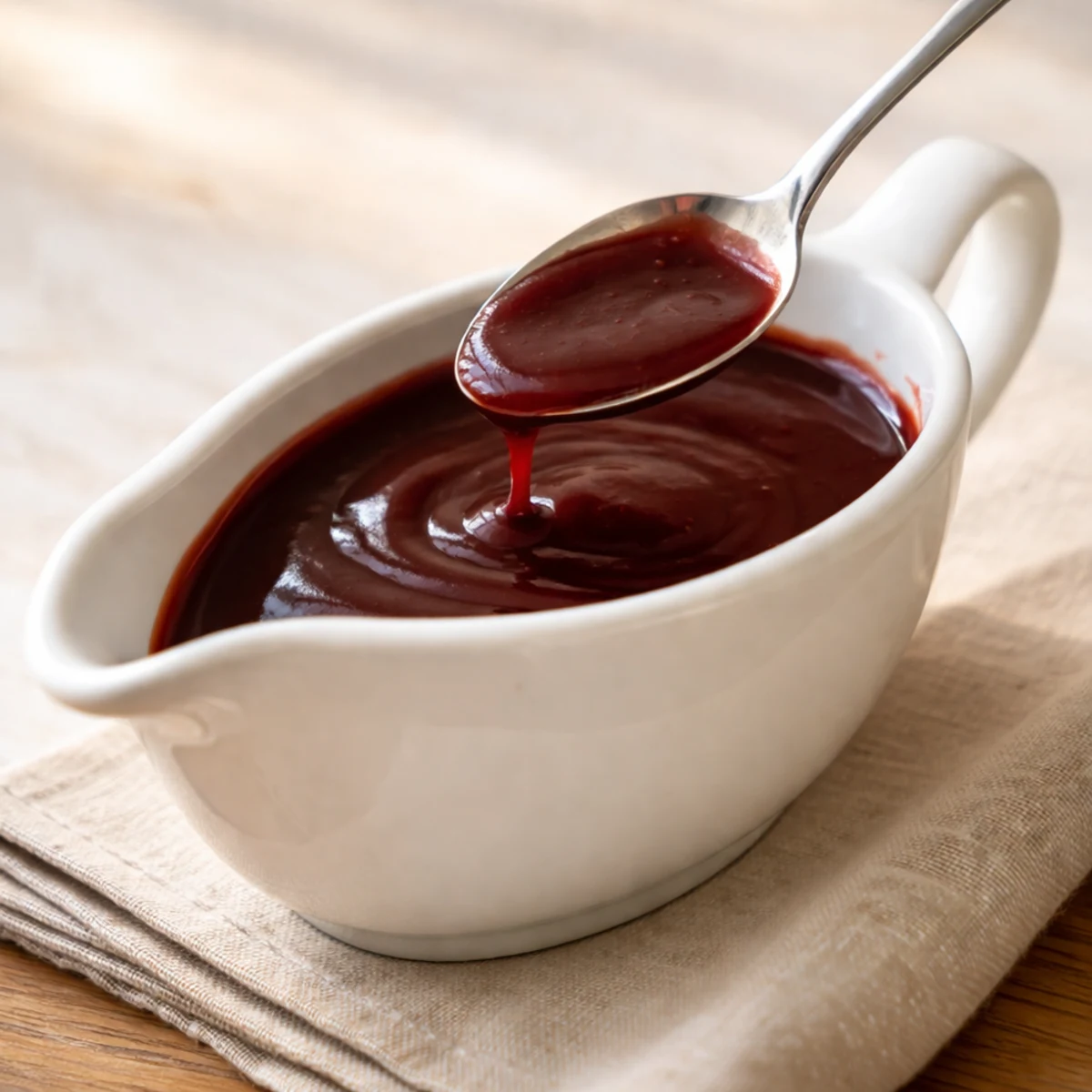
Red Wine Sauce Recipe and Wine Pairing Tips for Any Table
Introduction
Red wine sauce is one of those quietly luxurious kitchen staples that can make an ordinary meal feel restaurant-worthy. With its glossy texture, deep savory aroma, and bright tang from good wine, it has a way of turning roasted meats, mushrooms, and even simple vegetables into something memorable. If you’ve ever wondered what wine goes with a sauce that already uses wine as an ingredient, you’re in the right place. The answer is all about balance: the right bottle can echo the sauce’s fruit, soften its acidity, and make every bite taste more complete. This red wine sauce recipe is approachable enough for a weeknight, yet elegant enough for a dinner party. Whether you’re cooking for a special occasion or simply want to level up your home cooking, this is a classic worth mastering. And because great food deserves great wine pairing, we’ll also walk through the best wine for Red Wine Sauce, with accessible wine recommendation ideas you can actually find at Total Wine, Trader Joe’s, BevMo, and local wine shops.
About This Dish
Red wine sauce has long been a cornerstone of French-inspired cooking, where reductions and pan sauces are used to build depth from a few humble ingredients. At its core, it reflects a classic culinary idea: transform everyday pantry items into something refined through patience, heat, and balance. In French kitchens, sauces like this often begin with shallots, wine, and stock, then simmer until the flavors concentrate into a silky, aromatic finish. That tradition has traveled beautifully into American home cooking, where cooks value both elegance and practicality.
What makes red wine sauce special is the way it bridges richness and brightness. The brown stock brings body and savory depth, the shallots add sweetness and a gentle bite, and the red wine delivers acidity, fruit, and complexity. The result is a sauce that feels rich without being heavy, tangy without being sharp. It’s versatile, too. Spoon it over steak, roast chicken, pork tenderloin, or mushroom dishes, and it instantly adds polish.
For wine lovers, this sauce is especially fun because it invites a thoughtful wine pairing conversation. Since the sauce already carries wine flavor, the bottle you choose can either mirror that profile or create a pleasing contrast. That makes red wine sauce a perfect match for curious cooks who love experimenting with food and wine at home.
Key Ingredients & Their Role
Great red wine sauce starts with just a few ingredients, so each one matters. The red wine is the backbone of the dish, contributing acidity, fruit, and subtle tannin. When reduced, it becomes more concentrated, giving the sauce its signature depth and that savory-sweet edge that lingers on the palate. For the best results, choose a wine you would happily drink on its own; the sauce will only be as good as the bottle you put into it.
Brown stock is the other major building block. It adds richness, structure, and a meaty foundation that keeps the sauce from tasting thin or overly sharp. A good stock rounds out the wine’s acidity and gives the sauce its glossy, restaurant-style finish. If you’re making the sauce for beef, beef stock is a natural choice. For poultry or mushrooms, a lighter brown stock can work beautifully as well.
Shallots bring a gentle allium sweetness that feels more refined than onion. They soften into the sauce, adding nuance without overpowering the wine. Their mild flavor helps bridge the gap between the bright acidity of the wine and the savory depth of the stock.
From a wine pairing perspective, these ingredients point toward wines with medium body, lively acidity, and moderate tannins. You want a bottle that can stand up to the sauce’s richness but won’t overwhelm it. That’s why Pinot Noir, Merlot, Cabernet Sauvignon in a balanced style, and certain French or Italian reds often work so well. The sauce’s tangy profile also means a wine with freshness will usually be the perfect match.
Recipe
Red Wine Sauce Recipe
Prep Time: 10 minutes Cook Time: 25 minutes Total Time: 35 minutes Servings: 4 Difficulty: Easy Dietary Information: Gluten-free if using gluten-free stock; dairy-free; vegetarian only if using vegetable stock instead of brown stock
Ingredients
- 2 tablespoons unsalted butter
- 2 shallots, finely minced
- 1 cup dry red wine
- 1 1/2 cups brown stock
- 1 teaspoon fresh thyme leaves
- 1 small bay leaf
- 1 tablespoon cold unsalted butter, for finishing
- Salt, to taste
- Freshly ground black pepper, to taste
Instructions
- Sweat the shallots. In a small saucepan over medium heat, melt the butter. Add the minced shallots and cook for 2 to 3 minutes, stirring often, until softened but not browned.
- Add the wine. Pour in the red wine and bring it to a gentle simmer. Cook for 8 to 10 minutes, or until the wine has reduced by about half and the sharp alcohol aroma has mellowed.
- Add stock and aromatics. Stir in the brown stock, thyme, and bay leaf. Bring the sauce back to a simmer.
- Reduce. Continue cooking for 10 to 12 minutes, stirring occasionally, until the sauce is slightly thickened and coats the back of a spoon.
- Strain if desired. For a smoother finish, strain out the shallots, thyme, and bay leaf. Return the sauce to the pan.
- Finish the sauce. Remove from heat and whisk in the cold butter for shine and a silky texture. Season with salt and black pepper to taste.
- Serve immediately. Spoon over your main dish while warm.
Nutrition Facts, per serving
- Calories: 85
- Fat: 4g
- Saturated Fat: 2.5g
- Carbohydrates: 5g
- Sugars: 2g
- Protein: 1g
- Sodium: 320mg
Perfect Wine Pairings
When it comes to wine pairing with red wine sauce, the key is harmony. Because the sauce is rich, tangy, and savory, the best wines have enough acidity to stay lively, enough fruit to echo the sauce, and enough structure to stand up without becoming harsh. You do not want an overly tannic wine that tastes bitter next to the sauce. Instead, look for balance, moderate oak, and a smooth finish.
1. Oregon Pinot Noir
Pinot Noir is often the first wine recommendation for red wine sauce, and for good reason. Oregon Pinot Noir, especially from the Willamette Valley, brings bright cherry fruit, earthy notes, and refreshing acidity that complement the sauce’s tangy edge. It’s a perfect match for roast chicken, duck, pork tenderloin, and mushroom-based dishes. Look for bottles in the $20-30 range at Total Wine or local wine shops.
2. Sonoma County Merlot
A well-made Sonoma Merlot offers soft plum fruit, medium body, and a plush texture that pairs beautifully with the sauce’s savory depth. It’s a smart wine for Red Wine Sauce when you want something smooth and crowd-pleasing. This style works especially well with beef tenderloin or short ribs. Trader Joe’s and BevMo often carry affordable options around $15-25.
3. Napa Valley Cabernet Sauvignon
For heartier dishes, a Napa Cabernet Sauvignon can be an excellent wine pairing, provided it is not too tannic or heavily oaked. Choose a more balanced style with ripe black fruit and enough acidity to keep the pairing fresh. This is a strong choice for steak with red wine sauce, and it’s widely available at Total Wine and higher-end grocery stores, usually from about $25-30 and up.
4. French Bordeaux or Italian Chianti Classico
If you want an Old World wine recommendation, try a French Bordeaux blend or an Italian Chianti Classico. Bordeaux brings structure, cassis, and earthy complexity, while Chianti Classico offers cherry fruit, savory herbs, and lively acidity. Both are excellent with the sauce’s rich, tangy profile and pair naturally with classic meat dishes. These imports are easy to find in the U.S. at Total Wine, BevMo, and many neighborhood wine shops.
The best rule of thumb: choose a bottle you’d enjoy drinking with the meal, not just in the sauce. That way, the wine pairing feels seamless from first sip to final bite.
Cooking Tips & Techniques
A great red wine sauce depends on reduction and restraint. The biggest mistake home cooks make is rushing the process. If you boil the wine too aggressively, the flavors can turn harsh instead of smooth. Keep the simmer gentle so the alcohol cooks off and the fruit concentrates naturally. The same goes for the stock: let it reduce slowly until the sauce has body and sheen.
Use a dry red wine rather than a sweet one. Sweetness can make the sauce taste cloying, while a dry wine keeps the flavor clean and savory. If you’re unsure what to buy, pick a bottle in the middle of the price range rather than the cheapest option on the shelf. For a sauce, quality matters, but you do not need to overspend.
Another pro tip: finish with cold butter off the heat. This classic technique, known as mounting with butter, gives the sauce a silky texture and a polished look. If you strain the sauce, you’ll get a more refined restaurant-style result. If you leave the shallots in, the sauce will feel a little more rustic and homey. Both are good; it depends on the dish you’re serving.
Finally, taste at the end. Because stock brands vary in saltiness, seasoning should always be adjusted last. A well-seasoned sauce should taste rich, balanced, and just bright enough to wake up the palate.
Serving Suggestions
Red wine sauce shines when it’s served warm and freshly finished. Spoon it over seared steak, roast beef, pork medallions, duck breast, or even a hearty mushroom tart. For a more casual dinner, it can elevate mashed potatoes, roasted carrots, or pan-seared chicken thighs with almost no extra effort. The sauce should look glossy and fragrant, pooling lightly around the main ingredient rather than drowning it.
For plating, keep things simple and elegant. A neutral plate lets the sauce’s deep color stand out beautifully. Add a green vegetable, such as haricots verts, broccolini, or sautéed spinach, to bring freshness and visual contrast. A crusty baguette or creamy potatoes also make excellent companions, especially if you want to soak up every last bit.
If you’re building a full dining experience, serve the same wine you used as the pairing alongside the meal, or choose a related style with similar body and acidity. A relaxed candlelit dinner, a holiday roast, or a weekend date night all feel a little more special with this sauce on the table. Vinomat can help you fine-tune the wine pairing so the whole meal feels intentional and polished.
Conclusion
Red wine sauce is proof that simple ingredients can create something deeply satisfying. With its rich, tangy flavor and elegant finish, it’s an easy way to bring restaurant-style polish to your home table. The best part is how flexible it is: once you know the basics, you can pair it with everything from steak to mushrooms and find a wine pairing that feels just right. If you’ve been searching for the best wine for Red Wine Sauce, start with balanced Pinot Noir, Merlot, Cabernet Sauvignon, or a classic French or Italian red. Then let Vinomat guide you toward your perfect match and make every meal a little more memorable.