


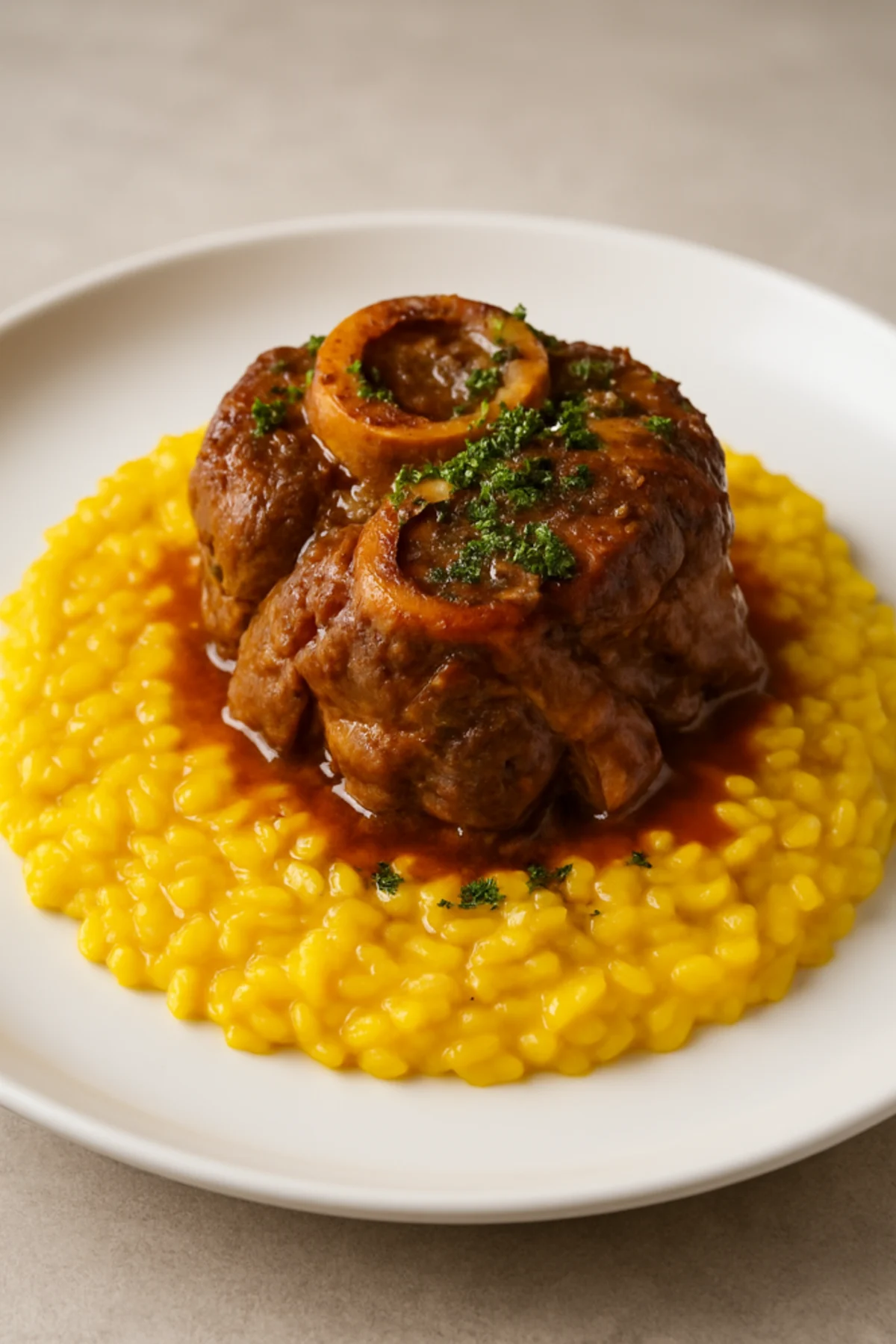
Risotto alla Milanese with Ossobuco: The Ultimate Wine Pairing Guide
Risotto alla Milanese with Ossobuco: A Classic Dish Meets Perfect Wine Pairing
If you’re searching for an unforgettable meal that combines culinary tradition and modern wine pairing, look no further than risotto alla milanese with ossobuco. This iconic dish from Northern Italy marries creamy, saffron-infused rice with fall-off-the-bone braised veal shanks, creating a rich, savory masterpiece begging for the right glass of wine. Whether you’re a home cook exploring new recipes or a wine lover eager to elevate your next dinner, this guide will walk you through the best recipe for risotto milanese, its storied history, and how to choose the perfect wine match—using tips from the Vinomat app to make it all seamless.
About This Dish: The Legacy of Risotto alla Milanese with Ossobuco
Risotto alla milanese is the pride of Milanese cuisine—a dish as radiant as the city’s golden Duomo. It consists of creamy rice, enriched with saffron for both color and aromatic depth, usually paired with ossobuco, braised veal shanks cooked until fork-tender. The combination is more than just a meal; it’s a celebration of heritage and a symbol of Milan’s rich culinary history.
The origins of this dish date back to the 16th century, with saffron making its way into risotto thanks to Milan’s status as a crossroads of trade. The luxurious ingredient was initially reserved for the wealthy, but it quickly became a defining feature of the city’s cuisine. Ossobuco, with its marrow-filled bone and slow-cooked flavor, was traditionally served with risotto alla milanese at family gatherings and festive occasions. Together, they showcase the Italian philosophy of la cucina povera—elevating humble ingredients through technique and time.
Today, this pairing remains a favorite in Milanese trattorias and is often cited as the best risotto alla milanese in New York by Italian food aficionados. Its appeal has crossed the Atlantic, becoming a beloved dinner party centerpiece in American homes and top restaurants alike. The dish’s creamy, savory character makes it a dream candidate for thoughtful wine pairing, offering endless opportunities to delight your palate.
Key Ingredients & Their Role
Crafting the perfect risotto milanese with ossobuco starts with carefully selected ingredients. Each element contributes to the dish’s signature aroma, taste, and texture—and influences how well it matches with wine.
- Carnaroli Rice: Known as the "king of risotto rice," Carnaroli offers the ideal balance of starch and firmness. Its high amylose content ensures a creamy, yet al dente texture that holds up to slow cooking and absorbs the golden hue of saffron beautifully.
- Saffron: The soul of risotto alla milanese, saffron imparts a floral, slightly earthy aroma and an unmistakable yellow tint. This rare spice brings a subtle bitterness and complexity that calls for wines with aromatic intensity and balanced acidity.
- Veal Ossobuco: Cross-cut veal shanks are braised gently, often with onions, carrots, celery, white wine, and broth, until meltingly tender. The marrow adds richness, while the gremolada—an herby garnish of lemon zest, garlic, and parsley—adds freshness and brightness. The savory, umami notes pair especially well with medium to full-bodied wines.
- Beef Broth: Used to cook both the risotto and ossobuco, a flavorful broth is essential for depth and savoriness.
- Butter & Parmigiano Reggiano: These add creaminess and a nutty finish to the risotto, making it lush and decadent.
- White Wine: Used to deglaze the pan, it adds acidity and complexity, setting the stage for a harmonious wine pairing at the table.
- Gremolada: A final touch of lemon zest, garlic, and parsley sprinkled over the ossobuco, giving the dish a pop of color and an aromatic lift that invites both citrusy whites and bright reds.
When pairing wine, consider the richness of the marrow, the aromatic saffron, and the savory veal. These elements call for wines with structure, freshness, and enough personality to complement—but not overpower—the dish.
Risotto alla Milanese with Ossobuco: Authentic Recipe
Prep & Cook Times
- Prep Time: 30 minutes
- Cook Time: 2 hours
- Total Time: 2 hours 30 minutes
- Servings: 4
- Difficulty: Intermediate
Ingredients
For the Ossobuco:
- 4 veal shanks (ossobuco), about 1.5-inch thick
- All-purpose flour, for dredging
- 2 tablespoons unsalted butter
- 2 tablespoons olive oil
- 1 onion, finely chopped
- 1 carrot, diced
- 1 celery stalk, diced
- 1 cup dry white wine
- 2 cups beef or veal broth (plus more as needed)
- 1 tablespoon tomato paste
- Salt and freshly ground black pepper
For the Risotto alla Milanese:
- 1 1/2 cups (300g) Carnaroli rice
- 2 tablespoons unsalted butter (plus 2 more for finishing)
- 1 small onion, finely chopped
- 1/2 cup dry white wine
- 5 cups hot beef broth
- 1/4 cup (30g) beef marrow (from the bone, if possible)
- 1/2 teaspoon saffron threads, steeped in 2 tablespoons hot broth
- 1/2 cup grated Parmigiano Reggiano
- Salt, to taste
For the Gremolada:
- Zest of 1 lemon (preferably organic)
- 2 tablespoons finely chopped flat-leaf parsley
- 1 small garlic clove, minced
Nutrition & Dietary Info
- Calories per serving: ~750
- Protein: 45g
- Fat: 38g
- Carbs: 60g
- Contains dairy and gluten; not suitable for vegetarians
Step-by-Step Instructions
1. Prepare the Ossobuco
- Pat the veal shanks dry and make small cuts around the edges to prevent curling. Season with salt and pepper, then dredge lightly in flour.
- In a large Dutch oven or heavy pot, heat butter and olive oil over medium-high. Sear the shanks on both sides until golden, about 3-4 minutes per side. Remove and set aside.
- Lower to medium; add onion, carrot, and celery. Sauté until softened, about 5 minutes.
- Stir in tomato paste and cook 1 minute. Return shanks to the pot, pour in wine, and let it reduce by half.
- Add 2 cups broth. Cover and simmer gently for 1.5–2 hours, turning shanks occasionally and adding more broth as needed, until meat is tender but not falling apart.
2. Make the Risotto alla Milanese
- In a wide saucepan, melt half the butter with the beef marrow (if using). Add onion and cook gently until translucent.
- Add Carnaroli rice and toast, stirring, for 2 minutes.
- Pour in wine; stir until absorbed. Begin adding hot broth, a ladle at a time, stirring constantly and letting each addition absorb before the next.
- Halfway through, add saffron threads with their soaking liquid. Continue adding broth and stirring until rice is creamy and al dente (about 18–20 minutes).
- Off the heat, stir in remaining butter and grated Parmigiano. Adjust salt to taste. Let rest, covered, for 2 minutes.
3. Prepare the Gremolada
- Mix lemon zest, parsley, and minced garlic in a small bowl.
4. To Serve
- Plate a mound of risotto alla milanese. Top with a veal shank and some braising juices. Sprinkle gremolada over the ossobuco. Serve immediately.
Perfect Wine Pairings for Risotto alla Milanese with Ossobuco
The beauty of risotto milanese is how it welcomes both red and white wines, depending on your taste and the intensity of the ossobuco. Here’s your sommelier-approved wine recommendation guide, tailored for US wine lovers shopping at Total Wine, Trader Joe’s, BevMo, and local wine shops.
What Makes a Great Wine Pairing?
- Body & Texture: The richness of the risotto and ossobuco calls for wines with enough body to stand up to the dish, but not so bold as to overpower it.
- Acidity: Acidity helps cut through the creamy risotto, refreshing your palate between bites.
- Tannins: Moderate tannins work well with veal—think smooth, not astringent. Avoid overly tannic reds, which can clash with the delicate saffron.
- Aromatic Intensity: Saffron’s floral aroma shines with wines that have their own aromatic complexity.
Top 4 Wine Style Recommendations
- Barbera d’Asti (Italy)
- Why it works: Bright acidity, soft tannins, and notes of cherry and herbs. Cuts through the richness of the ossobuco and complements saffron’s earthiness.
- Where to buy: Widely available at Total Wine and local wine shops; bottles start at around $15.
- California Chardonnay (Sonoma or Napa, unoaked or lightly oaked)
- Why it works: A creamy, well-balanced Chardonnay mirrors the luscious risotto texture, while its citrus and apple notes play nicely with gremolada.
- Where to buy: Total Wine, Trader Joe’s ($12–$30 range), BevMo.
- Pinot Noir (Oregon or California)
- Why it works: Silky tannins, red fruit, and earthy undertones make Pinot Noir a versatile partner to both saffron and tender veal.
- Where to buy: Look for Willamette Valley (Oregon) or Russian River Valley (California) at Total Wine or BevMo (prices typically $18–$30).
- White Rioja (Spain) or Vermentino (Italy/Sonoma)
- Why it works: White Rioja offers nutty, herbal notes and good acidity; Vermentino is crisp with subtle floral qualities, echoing the risotto’s aromatics.
- Where to buy: White Rioja available at Total Wine; Vermentino at specialty shops and Trader Joe’s.
Quick Wine Pairing Table
| Wine Style | Body | Acidity | Best For | Price Range ($) |
|---|---|---|---|---|
| Barbera d’Asti | Medium | High | Full dish | 15-25 |
| California Chardonnay | Medium-Full | Medium | Creamy risotto | 15-30 |
| Oregon Pinot Noir | Medium | Medium | Veal & saffron | 18-30 |
| White Rioja | Medium | Medium | Aromatic risotto | 16-25 |
Pro tip: Use Vinomat to scan the risotto milanese recipe and get instant, personalized wine recommendations based on your local shop’s inventory and your taste preferences.
Cooking Tips & Techniques
- Sear for Flavor: Take time to brown the ossobuco on all sides. This caramelizes the meat and develops a richer sauce.
- Control Your Heat: Risotto alla milanese demands patience. Keep the heat low and add broth gradually, stirring constantly to coax out its signature creaminess.
- Saffron Soak: Always bloom saffron in a little hot broth before adding to the rice; this releases maximum color and aroma.
- Marrow Matters: If you can find beef marrow (often inside the veal shank), scoop it into the risotto for authentic flavor and unmatched silkiness.
- Gremolada Magic: Don’t skip the gremolada! Its zesty freshness brightens the entire dish and creates a bridge to aromatic wines.
- Don’t Overcook: Risotto should be creamy but not mushy—aim for a texture that softly spreads on the plate but holds its shape.
Serving Suggestions
Serve risotto alla milanese with ossobuco on wide, shallow plates so the saffron rice forms a golden bed for the braised veal. Spoon some of the luscious pan sauce over the shank and finish with a generous sprinkle of gremolada.
For a true Italian experience, pair with a simple arugula salad dressed in lemon and olive oil, and a basket of rustic bread to soak up the sauce. Dress your table with vibrant linens and set out your wine glasses—this is a meal worth celebrating. For gatherings, decant your chosen wine and let guests savor the aroma before diving in. Dim the lights, cue up some jazz or Italian classics, and enjoy a restaurant-worthy evening at home.
Conclusion
Risotto alla milanese with ossobuco is more than a recipe—it’s a gateway to Italian tradition and the joy of great wine pairing. Whether you’re aiming for the best risotto alla milanese in New York or creating a memorable meal in your own kitchen, this dish invites you to slow down, savor, and explore new flavors. Use Vinomat to discover the perfect bottle, and let your next dinner become a celebration of taste, texture, and togetherness.