


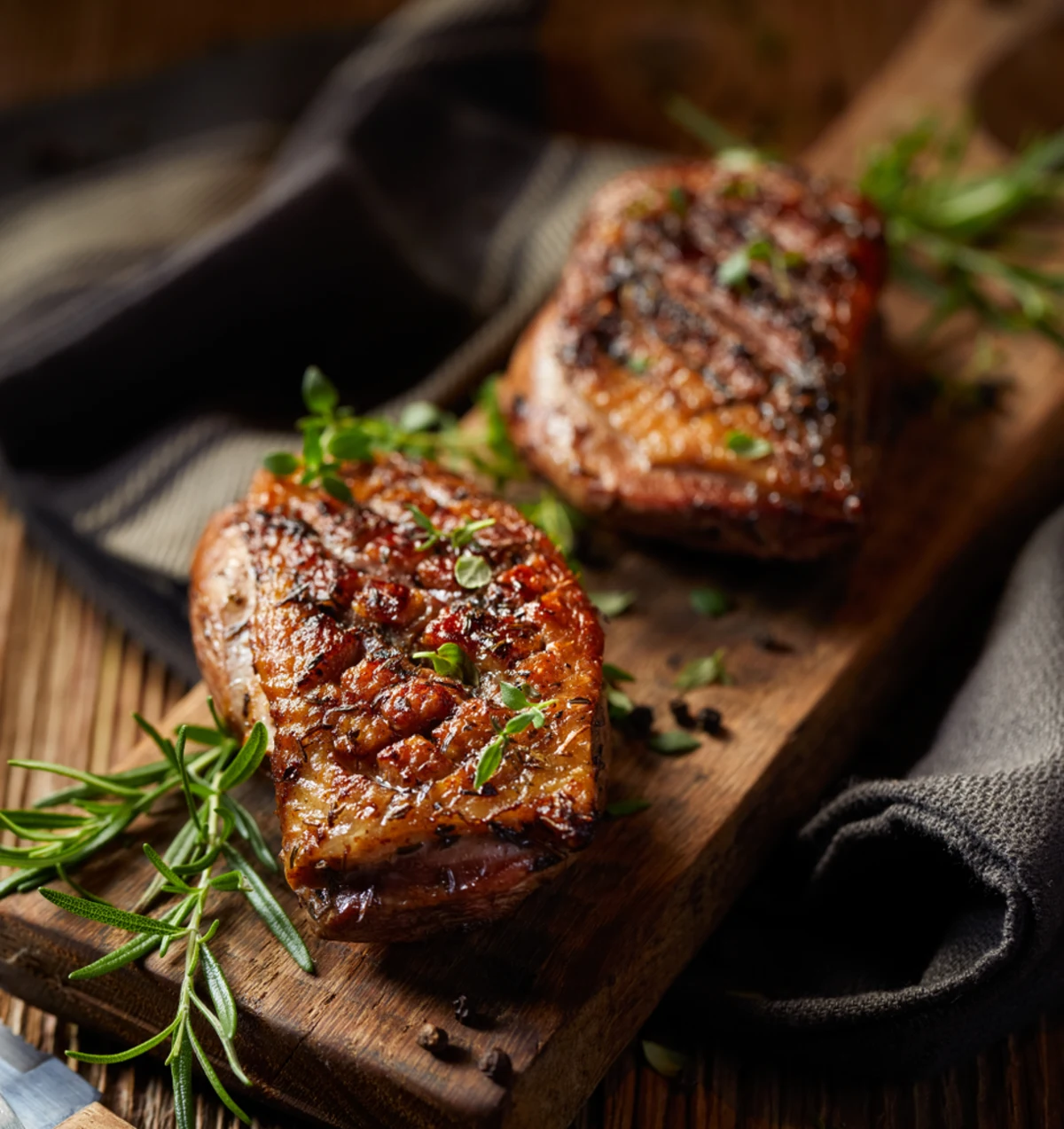
Roast Duck Recipe & Wine Pairing Guide for Home Cooks
The Art of Roast Duck: A Complete Guide to Cooking and Wine Pairing
There's something undeniably elegant about serving roast duck at your dinner table. The crackling skin, the tender meat, and those rich, savory juices create a dining experience that feels both special and sophisticated—yet it's entirely achievable in your home kitchen. If you've been intimidated by the idea of cooking duck, this roast duck recipe will change your mind. Combined with the right wine pairing, roast duck transforms into a restaurant-quality meal that will impress even your most discerning guests.
The beauty of this dish lies in its balance of flavors and textures. The umami-rich duck meat pairs beautifully with bright citrus notes and a hint of sweetness from honey and orange. When you add the perfect wine for roast duck into the equation, you're creating a harmonious dining experience that elevates every element on the plate. Whether you're planning an intimate dinner for four or hosting a special celebration, this guide will walk you through everything you need to know about preparing roast duck and selecting the ideal wine recommendation to accompany it.
About This Dish
Roast duck holds a special place in culinary traditions across the globe. From the refined French "Canard à l'Orange" to Chinese Peking duck and European preparations, this dish has been celebrated for centuries as a mark of culinary sophistication. The reason is simple: duck meat is exceptionally flavorful, with a deeper, richer taste than chicken, thanks to its higher fat content and denser muscle structure.
What makes roast duck particularly appealing to home cooks is how the cooking process transforms the bird. The skin renders down into a crispy, golden exterior while the meat remains juicy and tender inside. This textural contrast is one of the hallmarks of excellent roast duck preparation.
In American cooking, roast duck has experienced a renaissance in recent years. Home cooks are discovering that duck isn't reserved exclusively for fancy restaurants—it's accessible, manageable, and incredibly rewarding to prepare. The rich, savory profile of duck meat makes it naturally suited to wine pairing, which is why it's become a favorite among food enthusiasts and wine lovers looking to explore more sophisticated flavor combinations.
The beauty of this particular roast duck recipe lies in its simplicity. By focusing on quality ingredients and proper technique, you allow the duck's natural flavors to shine while the orange glaze adds brightness and complexity. This approach respects the ingredient while remaining approachable for home cooks of all skill levels.
Key Ingredients & Their Role
Every element in this roast duck recipe serves a specific purpose in creating a balanced, memorable dish. Understanding how these ingredients work together will help you appreciate the final result and make informed decisions if you ever want to adapt the recipe.
Duck Breasts: The star of this dish, duck breasts offer a wonderful balance of meat and fat. The skin is where much of the flavor develops—when properly rendered, it becomes crispy and golden. Duck meat is significantly richer than chicken, with a deeper, more complex flavor profile that benefits from bold seasonings and complementary wine pairings. The fat content also means the meat stays moist and tender even with relatively brief cooking times.
Orange Zest and Fresh Orange Juice: Citrus is the perfect foil to duck's richness. The brightness and acidity of orange cuts through the fat and cleanses the palate between bites. Orange zest adds an aromatic quality that elevates the dish beyond simple roasted meat. The acidity in orange juice also helps create a balanced sauce that won't feel heavy or cloying. This citrus element is particularly important when considering wine for roast duck—it creates a bridge between the richness of the meat and the characteristics you want in your wine recommendation.
Honey: A touch of honey adds subtle sweetness that balances the savory elements and helps create a glossy, caramelized exterior. The honey also aids in the sauce-making process, helping it achieve the perfect consistency and adding depth to the overall flavor profile.
Soy Sauce: This umami powerhouse amplifies the savory qualities already present in the duck. Just a tablespoon adds tremendous depth without making the dish taste Asian-inspired—it simply enhances the natural richness of the meat.
Fresh Thyme and Rosemary: These Mediterranean herbs complement duck beautifully. Thyme adds a subtle earthiness, while rosemary brings a slightly piney, aromatic quality. Both herbs are classic partners for duck in European cuisine and add sophistication to the final presentation.
Sea Salt and Black Pepper: Proper seasoning is crucial. These basics allow the duck's natural flavors to emerge while enhancing all the other ingredients. Don't skimp on seasoning—duck can handle generous amounts of both salt and pepper.
Recipe
Roast Duck with Orange Glaze
| Prep Time | 50 minutes |
|---|---|
| Cook Time | 20 minutes |
| Total Time | 70 minutes |
| Servings | 4 |
| Difficulty | Moderate |
Ingredients
- 4 pieces Duck breasts (with skin)
- 1 tbsp Orange zest (zest only)
- 1/4 cup Fresh orange juice
- 2 tbsp Honey
- 1 tbsp Soy sauce (light)
- 1/2 tsp Ground black pepper
- 1 tsp Sea salt
- 4 sprigs Fresh thyme sprigs
- 4 sprigs Fresh rosemary sprigs
Instructions
- Preheat the oven to 200°C (390°F), and position the rack in the middle of the oven.
- Score the skin of the duck breasts in a criss-cross pattern, avoiding cutting into the meat. Pat dry with kitchen paper.
- Season the duck breasts generously with sea salt and ground black pepper on both sides.
- Heat a skillet over medium heat. Place the duck breasts skin-side down in the dry skillet (no oil needed). Sear for about 5-7 minutes until the skin is golden and crispy. Flip and cook for an additional 1-2 minutes.
- Transfer the duck breasts to a baking dish, skin-side up, and arrange thyme and rosemary sprigs around the meat. Roast in the oven for 8-10 minutes for medium-rare or 10-12 minutes for medium.
- In the same skillet, combine orange juice, honey, soy sauce, and orange zest. Simmer over medium heat for 3-4 minutes until the sauce slightly thickens.
- Remove the duck breasts from the oven and let them rest for 5 minutes on a cutting board, tented loosely with foil.
- Slice the duck breasts thinly and arrange on a serving plate. Spoon the orange sauce over the slices and garnish with additional thyme. Serve immediately.
Nutrition Facts (per serving)
- Calories: 350 kcal
- Protein: 36.0g
- Fat: 28.0g
- Carbohydrates: 8.0g
- Salt: 1.2g
Dietary Information
Gluten-free, Dairy-free, Nut-free
Perfect Wine Pairings for Roast Duck
Selecting the right wine pairing for roast duck is one of the most rewarding aspects of this culinary journey. The key to finding the perfect match lies in understanding how wine components interact with duck's rich, savory flavors and the brightness of the orange glaze.
Why Wine Matters with Duck
Duck's high fat content and deep, umami-forward flavor profile demands wines with sufficient body and acidity to stand up to the meat without being overwhelmed. The orange glaze adds brightness and subtle sweetness, which opens up exciting pairing possibilities. You want wines that can cut through the richness while complementing the citrus notes and aromatic herbs.
Recommended Wine Styles
Pinot Noir (Oregon or California): This is perhaps the most versatile wine recommendation for roast duck. Pinot Noir's moderate tannins, bright acidity, and red fruit flavors create an almost magical pairing with duck. The wine's silky texture complements the tender meat, while its acidity cleanses the palate between bites. Look for Oregon Pinot Noirs from regions like Willamette Valley—they often offer excellent value at $20-30 and pair beautifully with this dish. Many Total Wine locations carry excellent selections, and Trader Joe's frequently offers solid Oregon Pinot Noir options at $15-20.
Côtes du Rhône or Grenache-based blends: These French wines bring medium body, earthy undertones, and enough acidity to complement duck's richness. The slight spice notes in these wines echo the thyme and rosemary in your roast duck recipe, creating a cohesive flavor experience. These wines typically range from $12-25 and are widely available at wine shops and specialty grocers.
Washington State Red Blends: Don't overlook wines from Washington's Columbia Valley and Walla Walla regions. These blends, often featuring Cabernet Sauvignon with Merlot or Syrah, offer the structure and depth needed for duck. They're increasingly available at Total Wine and BevMo, typically priced $18-35, and represent excellent value for the quality.
Spanish Tempranillo or Garnacha: These Spanish wines bring a Mediterranean elegance to your wine for roast duck. Tempranillo offers structured tannins and dark fruit flavors that complement the umami in soy sauce, while Garnacha brings a lighter touch with red fruit and spice. Look for wines from Rioja or Campo de Borja, priced $15-28, available at most quality wine retailers.
The Science Behind the Pairing
What makes these wines work so well with roast duck? First, the acidity in all these recommendations cuts through the fat in the duck meat, preventing palate fatigue and making each bite taste as fresh as the first. Second, the moderate to medium body of these wines matches the substance of the dish without overwhelming it. Third, the tannin structure (particularly in Pinot Noir and Tempranillo) provides grip and complexity that elevates the entire dining experience.
The orange glaze adds another dimension to your wine pairing decision. The citrus brightness suggests wines with good acidity and red fruit notes rather than heavily oaked or overly tannic selections. This is why lighter, more elegant reds work better here than full-bodied Cabernet Sauvignons or Syrahs, which might feel too heavy.
Cooking Tips & Techniques
Mastering roast duck comes down to understanding a few key techniques that ensure success every time you prepare this dish.
The Importance of Scoring and Drying: Before cooking, score the duck skin in a crosshatch pattern without cutting into the meat. This allows fat to render more effectively, resulting in that coveted crispy exterior. Equally important is patting the duck completely dry with paper towels—moisture is the enemy of crispy skin. Don't rush this step; take your time to ensure the surface is truly dry.
Start Skin-Side Down: The technique of starting the duck skin-side down in a cold skillet without any oil is crucial. As the skillet heats, the duck's own fat renders out, creating a self-basting environment. This method gives you maximum control over the crisping process and ensures even browning. Listen for the gentle sizzle—it's music to a cook's ears.
Temperature Control is Everything: The oven temperature of 200°C (390°F) is intentional. This moderate temperature allows the meat to cook through gently while the exterior continues to develop color. Avoid the temptation to increase the heat—high temperatures can result in overcooked, dry meat. Use an instant-read thermometer to check doneness: 63°C (145°F) for medium-rare, 71°C (160°F) for medium.
Don't Skip the Rest: After removing the duck from the oven, resting for five minutes is non-negotiable. During this time, residual heat continues cooking the meat while the juices redistribute throughout. Cutting into duck immediately after cooking results in lost juices and drier meat. Tent loosely with foil to keep it warm without trapping steam.
Common Mistakes to Avoid: The most frequent error is overcooking. Duck meat is best served medium to medium-rare—it remains juicy and tender at these temperatures. Overcooked duck becomes dry and loses its appeal. Another mistake is insufficient seasoning. Duck can handle bold flavors; don't be shy with salt and pepper. Finally, avoid opening the oven door repeatedly during cooking, which disrupts temperature consistency.
Serving Suggestions
Presentation and accompaniments transform roast duck from a simple meal into a memorable dining experience.
Plating and Presentation: Slice the duck breasts thinly against the grain, which ensures maximum tenderness with each bite. Arrange the slices slightly overlapping on warm plates—this creates visual interest and helps the duck retain heat. Drizzle the orange glaze over and around the meat, allowing it to pool slightly on the plate. A garnish of fresh thyme or microgreens adds elegance and signals quality to your guests.
Ideal Accompaniments: Roast duck pairs beautifully with earthy sides like creamed spinach, mushroom risotto, or roasted root vegetables. These sides complement the rich meat without competing for attention. A simple arugula salad with lemon vinaigrette provides freshness and acidity that echoes the orange glaze. Roasted potatoes, either classic or with herbs, are always welcome and help balance the richness of the duck.
Setting the Scene: Serve roast duck on warm plates with your selected wine already poured. The combination of aromatic herbs, the visual appeal of perfectly cooked duck, and the anticipation of that first sip creates an experience greater than the sum of its parts. Soft lighting, fresh flowers, and unhurried pacing transform dinner into an occasion.
Wine Service Tips: Open your wine for roast duck about 15-20 minutes before serving to allow it to breathe. Serve at slightly cool room temperature (around 60-65°F for Pinot Noir and similar wines) rather than ice-cold, which mutes the flavors. Use proper wine glasses that allow the aromas to develop—this enhances your appreciation of both the wine and the food pairing.
Conclusion
Roast duck is no longer the exclusive domain of fancy restaurants. With this straightforward roast duck recipe and a thoughtful wine pairing, you have everything needed to create an impressive, restaurant-quality meal in your own kitchen. The combination of tender, flavorful duck meat with bright citrus notes and aromatic herbs creates a dish that's both satisfying and sophisticated.
The wine pairing aspect elevates the entire experience. Whether you choose an elegant Oregon Pinot Noir, a structured Spanish Tempranillo, or a nuanced Côtes du Rhône, the right wine recommendation transforms dinner into a celebration of flavors. If you're ever uncertain about which wine for roast duck would work best with your specific preparation or the sides you're serving, tools like Vinomat can help you explore options and discover new favorites based on your taste preferences and the specific characteristics of your dish.
The next time you want to impress guests or simply treat yourself to something special, remember that roast duck is entirely within your reach. Start with this recipe, experiment with different wine pairings, and soon you'll develop your own preferences and techniques. The beauty of cooking is that every meal is an opportunity to learn, refine, and create moments of joy around the table. Roast duck, paired thoughtfully with wine, is one of life's great pleasures—and now it's yours to master.