


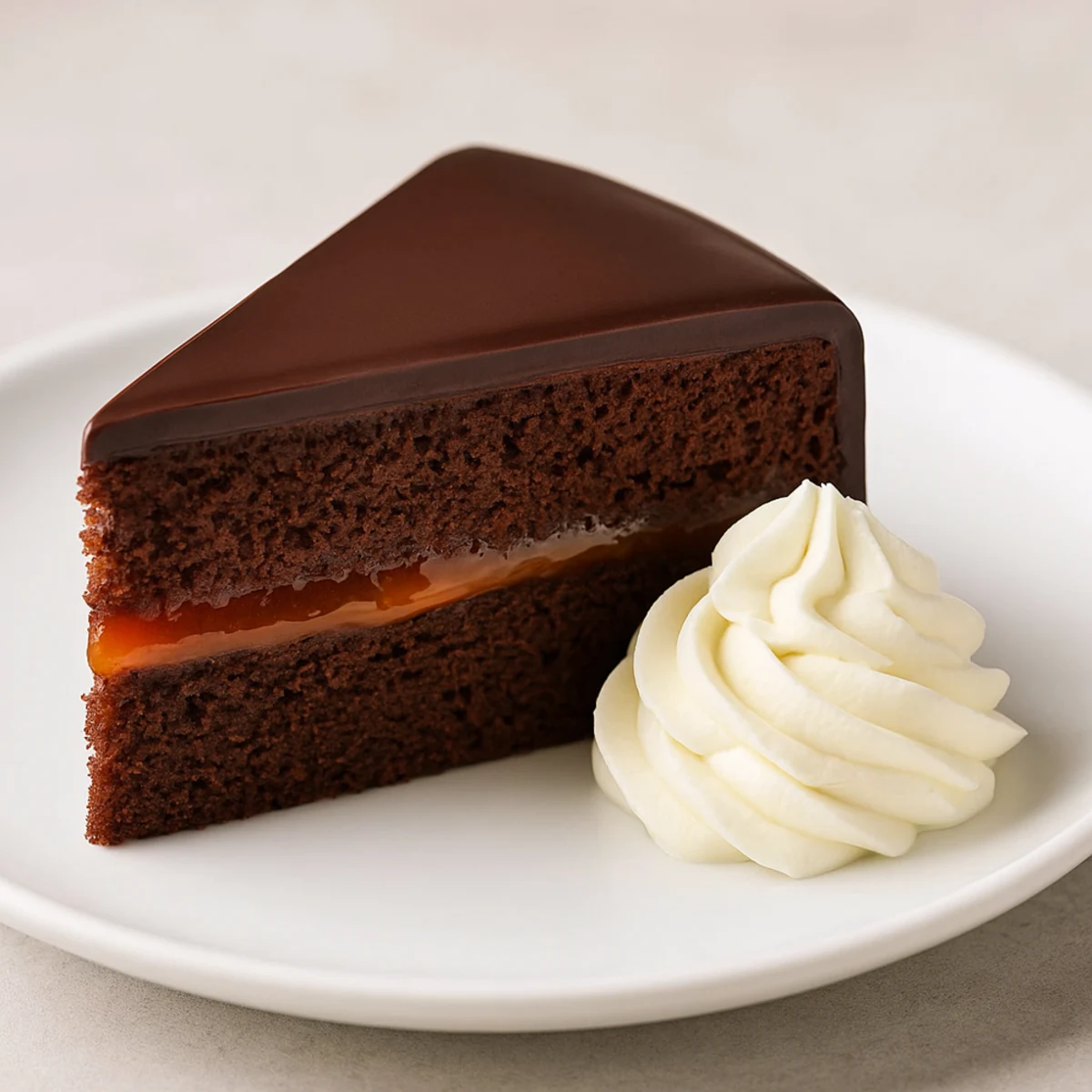
Sachertorte & Wine Pairing: The Ultimate Guide to Austria's Iconic Chocolate Cake
The Art of Sachertorte: A Timeless Dessert Deserving the Perfect Wine Pairing
Imagine slicing into a slice of velvety chocolate cake, its dark exterior giving way to a moist, tender crumb infused with the subtle essence of chocolate and vanilla. Now imagine pairing that moment with a glass of wine that amplifies every flavor, turning a simple dessert into an unforgettable experience. That's the magic of Sachertorte—Austria's most celebrated chocolate cake—and the transformative power of thoughtful wine pairing.
Sachertorte isn't just any chocolate dessert. It's a masterpiece of balance and restraint, combining rich dark chocolate with the bright, delicate notes of apricot jam and a glossy chocolate glaze. For home cooks and food enthusiasts in the United States looking to elevate their dining experience, mastering this recipe and understanding its wine for Sachertorte potential opens doors to sophisticated entertaining. Whether you're planning an intimate dinner party or simply want to impress yourself with a restaurant-quality dessert, this guide will walk you through everything you need to know about creating and serving this iconic cake.
About This Dish: A Viennese Legend with a Story
Sachertorte carries the weight of history on its elegant shoulders. Created in 1832 by Franz Sacher, a young pastry chef at the Hotel Sacher in Vienna, this cake has become synonymous with Austrian culinary excellence. The original recipe was composed with what Sacher called "clever minimalism"—just butter, sugar, eggs, chocolate, flour, and apricot jam. No unnecessary flourishes, no complicated techniques, just pure, unadulterated flavor.
What makes Sachertorte truly special is its philosophy. Unlike many modern desserts that rely on excessive sweetness or elaborate decorations, Sachertorte achieves elegance through balance. The bitterness of high-quality dark chocolate plays against the sweetness of granulated sugar and the fruity tartness of apricot jam. This harmonious interplay of flavors is precisely why Sachertorte pairs so beautifully with wine—the cake's complexity demands an equally sophisticated beverage companion.
The cake has earned its place in the history books as one of Europe's best desserts, and for good reason. It's a Viennese specialty that defines elegance, representing centuries of Austrian pastry-making tradition. When you make Sachertorte at home, you're not just baking a cake; you're participating in a culinary heritage that spans nearly two centuries. This makes the wine recommendation aspect even more meaningful—you're honoring tradition by treating the dessert with the respect it deserves.
Key Ingredients & Their Role: Understanding the Foundation
Every element in Sachertorte serves a purpose, and understanding these ingredients helps you appreciate why this cake is so special—and why certain wines complement it so perfectly.
Dark Chocolate (70% Cocoa): The soul of Sachertorte, dark chocolate at 70% cocoa provides deep, complex flavor with subtle bitterness. This high cocoa content creates a more sophisticated taste profile than milk chocolate, offering earthy undertones and a slight astringency that prevents the cake from becoming cloying. When considering wine for Sachertorte, this bitterness is crucial—it's what allows the cake to pair with wines that might otherwise be too dry or acidic.
Butter: Beyond adding richness, butter creates the tender crumb structure that makes Sachertorte so distinctive. The emulsification of butter with egg yolks creates a stable base that holds the whipped egg whites without deflating them. This technique results in a moist, almost velvet-like texture that lingers on the palate—a quality that influences your perfect match in wine selection.
Apricot Jam: This is where brightness enters the picture. The apricot jam provides tartness and fruity sweetness that cuts through the chocolate's richness and prevents flavor fatigue. It's the bridge between the cake's heaviness and its elegance. From a wine pairing perspective, apricot's stone fruit character creates natural affinities with certain wine styles, particularly those with similar fruit-forward profiles.
Eggs: The six egg yolks and six egg whites serve different functions. Yolks add richness and help emulsify the butter and chocolate, while whites, when whipped to stiff peaks, create the cake's signature light, airy crumb. This textural contrast—dense yet delicate—is what makes Sachertorte so craveable and why it demands a wine pairing that respects its complexity.
Flour and Vanilla: These supporting players add structure and subtle flavor depth. The sifted all-purpose flour ensures a tender crumb without toughness, while vanilla extract provides a whisper of floral sweetness that harmonizes all components. Together, they create a canvas that allows the chocolate and apricot to shine.
Recipe
Sachertorte: Classic Austrian Chocolate Cake
| Prep Time | 90 minutes |
|---|---|
| Cook Time | 30 minutes |
| Total Time | 120 minutes |
| Servings | 4 |
| Difficulty | Advanced |
Ingredients
- 140g Dark chocolate (70% cocoa)
- 120g (plus extra for greasing) Unsalted butter
- 150g Granulated sugar
- 6 Egg yolks
- 6 Egg whites
- 100g (sifted) All-purpose flour
- 1 tsp Vanilla extract
- 200g Apricot jam
- 200ml Heavy cream
- 200g Dark chocolate (for glaze)
- 150g Granulated sugar (for glaze)
- 4 tbsp Water
Instructions
- Preheat the oven to 180°C (350°F) and grease a 23cm (9-inch) springform pan with butter, then line the base with parchment paper.
- Melt the 140g of dark chocolate in a heatproof bowl over a pot of simmering water, stirring until smooth. Allow it to cool to room temperature.
- Cream the butter and 100g of sugar in a large bowl until light and fluffy. Beat in the egg yolks one at a time, followed by the cooled melted chocolate and vanilla extract.
- In a separate clean bowl, whisk the egg whites until soft peaks form. Gradually add the remaining 50g of sugar, whisking until stiff peaks form.
- Gently fold one-third of the whipped egg whites into the chocolate mixture to lighten it. Then, fold in the remaining whites alternately with the sifted flour until fully incorporated.
- Pour the batter into the prepared pan, smoothing the top. Bake in the middle of the oven for 40–50 minutes, or until a skewer inserted into the center comes out clean.
- Cool the cake in the pan for 10 minutes before loosening the sides and transferring it to a wire rack. Let it cool completely.
- Warm the apricot jam in a small saucepan until smooth, then strain it to remove any lumps. Spread a thin layer of jam over the top and sides of the cake.
- To prepare the chocolate glaze, combine the 200g of dark chocolate, sugar, and water in a small saucepan. Heat gently, stirring until smooth and glossy. Let it cool slightly.
- Pour the glaze over the cake, using a spatula to help coat the sides evenly. Allow the glaze to set at room temperature.
- Serve the Sachertorte with a dollop of freshly whipped heavy cream on the side, using a piping bag for a decorative presentation.
Nutrition Facts (per serving)
- Calories: 490 kcal
- Protein: 6.0g
- Fat: 35.0g
- Carbohydrates: 55.0g
- Salt: 0.4g
Dietary Information
Contains gluten, Contains dairy, Nut-free
Perfect Wine Pairings: Finding Your Ideal Match
Selecting the right wine for Sachertorte elevates the entire experience. The cake's combination of bitter chocolate, fruity apricot, and rich butter demands wines with specific characteristics. Here's what to look for in your wine recommendation: moderate to full body, balanced acidity to cut through richness, and either fruit-forward profiles or subtle tannins that won't clash with chocolate.
Ruby Port or Tawny Port
Start with fortified wines, which are naturals with chocolate desserts. A quality Ruby Port ($18-28 at Total Wine or BevMo) offers dark berry flavors, moderate sweetness, and enough body to stand up to Sachertorte's richness. The wine's slight tannins provide structure without overwhelming the delicate apricot layer. Tawny Port ($20-32), with its oxidative aging and nutty complexity, creates an even more sophisticated pairing, adding layers of caramel and dried fruit that echo the cake's toasted chocolate notes.
California Zinfandel
Don't overlook California Zinfandels as a wine for Sachertorte. Look for Old Vine Zinfandels from Sonoma or Paso Robles ($16-26 at Trader Joe's or local wine shops) with alcohol levels around 14-15%. The wine's jammy fruit character mirrors the apricot filling while its peppery spice adds complexity. The slight residual sugar in many Zinfandels complements the cake without creating excessive sweetness. This is an underrated wine recommendation that works beautifully and offers excellent value.
Oregon Pinot Noir
For those preferring dry wines, a chilled Oregon Pinot Noir ($18-30) provides an elegant solution. The wine's bright acidity cuts through the chocolate glaze while its silky tannins and red fruit notes create harmony with the apricot jam. The wine's earthiness adds sophistication without competing with the cake's flavors. Look for Willamette Valley producers at Total Wine—these offer exceptional quality at reasonable prices and represent one of America's premier wine regions.
Moscato d'Asti
If you prefer something lighter and more playful, an Italian Moscato d'Asti ($12-18 at most grocery stores) offers delicate sweetness, low alcohol (around 5-6%), and effervescence that provides textural contrast. The wine's floral aromatics and stone fruit flavors complement the apricot beautifully, while its slight fizz refreshes the palate between bites. This is an excellent wine recommendation for those who find heavier pairings overwhelming.
Cooking Tips & Techniques: Mastering the Craft
Sachertorte's reputation for difficulty is somewhat exaggerated, but precision matters. Here are professional insights to ensure success.
Temperature Control: Room temperature ingredients are non-negotiable. Cold eggs and butter won't emulsify properly, resulting in a dense, heavy cake. Remove all ingredients from the refrigerator at least 30 minutes before beginning. Similarly, melt chocolate over gentle heat—overheating causes it to seize and become grainy.
The Folding Technique: This is where most home bakers struggle. When folding egg whites into the chocolate mixture, use a rubber spatula and move from bottom to top, rotating the bowl as you go. The goal is to maintain as much volume as possible while ensuring no white streaks remain. Fold gently but deliberately—timidity leaves lumps, aggression deflates the whites.
Baking Temperature: Use an oven thermometer. Many home ovens run hot or cool, and Sachertorte requires precision. If your cake rises too much and domes, your oven is too hot. The cake should rise slightly but remain relatively flat, developing a thin crust while staying moist inside.
The Apricot Layer: Straining the jam removes large fruit pieces that can interfere with the glaze's smooth finish. Warm jam spreads more easily and creates a thinner, more elegant layer. Don't skip this step—it's what separates homemade Sachertorte from authentic Viennese versions.
Glaze Consistency: The chocolate glaze should be pourable but not too thin. If it's too hot, it'll slide off; too cool, it'll be lumpy. The perfect temperature is around 90-95°F. A quick dip of your finger should feel warm but not hot. Allow the glaze to set completely before serving—this creates that signature glossy finish.
Serving Suggestions: Creating the Complete Experience
Sachertorte deserves a moment of ceremony. Serve it on a white or cream-colored plate to showcase the chocolate glaze's shine. A generous dollop of freshly whipped heavy cream—unsweetened or lightly sweetened with a touch of vanilla—is the traditional accompaniment. The cream's coolness and neutral flavor provide textural contrast and help moisten each bite, a technique that reveals why Sachertorte is best enjoyed slowly.
Presentation matters. Use a sharp, thin-bladed knife dipped in hot water between cuts for clean slices. The cake's interior should reveal distinct layers: the dark chocolate sponge, the thin apricot layer, and the glossy chocolate exterior. This visual appeal sets the stage for the tasting experience.
Serve Sachertorte slightly cool—around 60-65°F—rather than at room temperature. This temperature allows the chocolate glaze to maintain its structure while the cake's flavors remain vibrant. Pair each slice with your chosen wine, allowing 3-4 minutes between bites for the flavors to develop and interact. This isn't a dessert to rush through; it's meant for lingering conversation and savoring.
Consider the setting. Sachertorte pairs beautifully with afternoon tea or as the finale to an elegant dinner party. The cake's sophistication demands an equally refined environment. Soft lighting, quality tableware, and unhurried pacing transform a simple dessert into a memorable occasion.
Elevate Your Dessert Experience with Vinomat
Mastering Sachertorte and discovering the perfect wine pairing is just the beginning of your culinary journey. Food and wine pairing isn't about rigid rules—it's about understanding flavor interactions and exploring what resonates with your palate. That's where tools like Vinomat become invaluable. Whether you're seeking a wine recommendation for tonight's dessert or exploring new pairings for your favorite dishes, Vinomat helps you discover perfect matches based on your specific ingredients and preferences.
This classic Austrian chocolate cake represents everything beautiful about traditional cuisine: simplicity elevated through technique, flavors balanced with precision, and an appreciation for quality ingredients. By taking time to make Sachertorte from scratch and thoughtfully selecting a wine for Sachertorte, you're honoring that tradition while creating moments of genuine pleasure. The combination of rich chocolate, bright apricot, and a perfectly chosen wine transforms a simple dessert into an experience worth savoring. Try this recipe, explore the wine pairing suggestions, and discover why Sachertorte has remained a beloved classic for nearly two centuries.