


Lyonnaise Salad Recipe and the Best Wine Pairing Ideas
Introduction
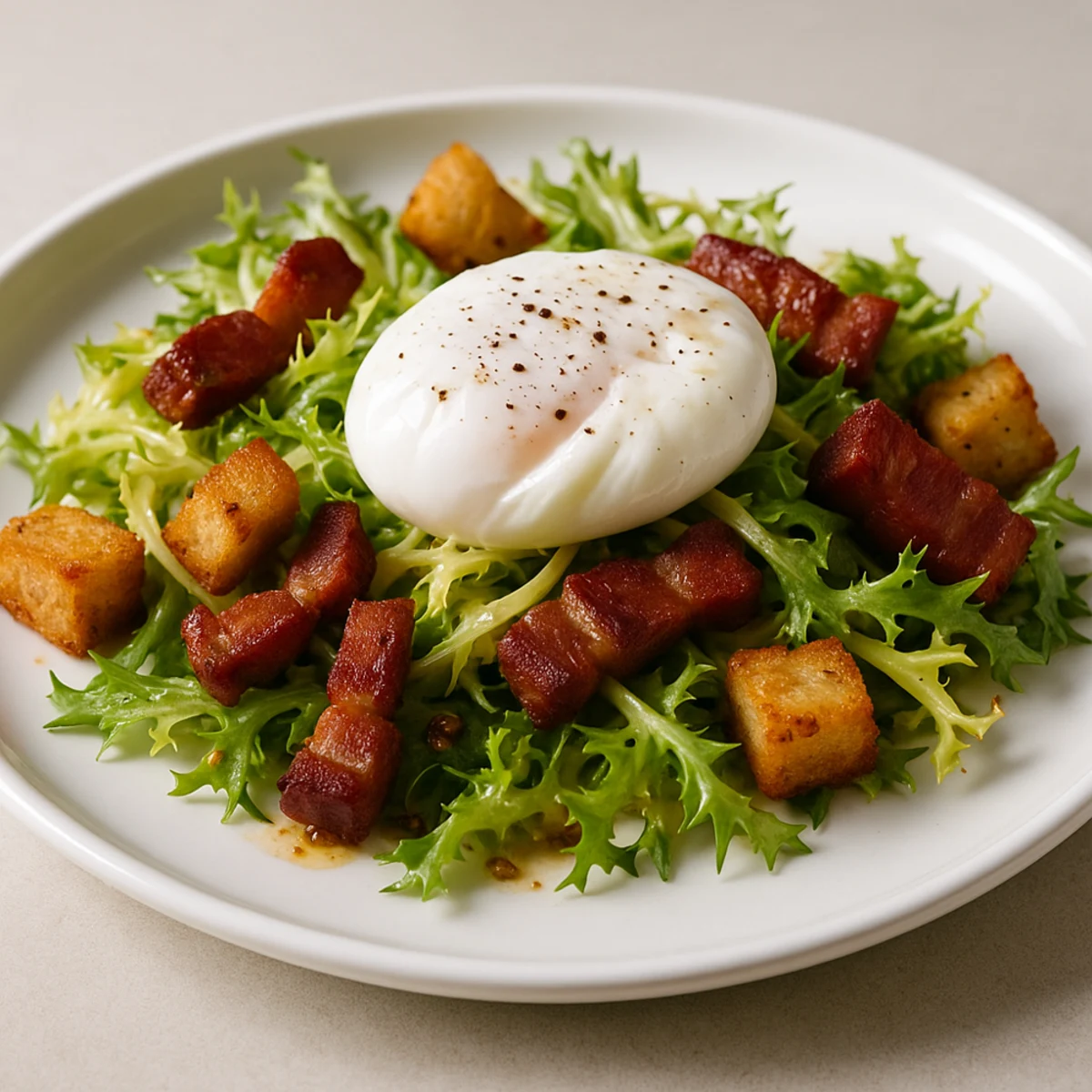
If you love salads that eat like a meal, lyonnaise salad is one of the best places to start. This classic French dish brings together crisp curly endive, smoky bacon lardons, and a silky poached egg for a combination that feels both rustic and refined. It’s the kind of plate that looks simple at first glance, then surprises you with layer after layer of flavor: bitter greens, salty richness, and a warm yolk that turns into its own dressing.
For home cooks in the United States, lyonnaise salad is also a fantastic entry point into French-inspired cooking because it uses ingredients that are easy to find at stores like Total Wine, Trader Joe’s, BevMo, and most well-stocked grocery chains. Even better, it opens the door to a very approachable wine pairing conversation. The dish has enough acidity, salt, and fat to make wine taste brighter and more expressive, which means you can have a lot of fun exploring Pinot Noir, dry white wines, and crisp sparkling options. If you’ve ever wondered what wine goes with a salad that isn’t really “just a salad,” this lyonnaise salad guide is for you.
About This Dish
Lyonnaise salad comes from Lyon, France, a city famous for its deeply satisfying food culture and its reputation as one of the great culinary capitals of the country. Lyon’s cooking is often built around honest ingredients, careful technique, and bold flavor. That spirit is exactly what makes lyonnaise salad so memorable. It’s not a delicate side salad meant to sit quietly on the plate. Instead, it’s a composed dish with real presence.
Traditionally, the salad is made with curly endive or frisée, which brings a pleasantly bitter crunch. Bacon lardons add smokiness and salt, while a poached egg adds richness and a luxurious texture. A sharp vinaigrette ties everything together. The result is a dish that feels balanced and complete: bitter, salty, tangy, creamy, and crisp all at once.
In American food culture, lyonnaise salad fits beautifully into the growing appreciation for dishes that are both elegant and unfussy. It works as a starter for a dinner party, a light lunch with a glass of wine, or even a weekend brunch when you want something a little more interesting than the usual eggs-and-toast routine. It also appeals to wine lovers because it naturally invites pairing. The salty bacon and creamy egg love wines with freshness, while the bitter greens reward bottles with enough acidity and lift to keep every bite lively. That’s part of the charm of lyonnaise salad: it feels classic, but it never feels boring.
Key Ingredients & Their Role
At the heart of lyonnaise salad is a smart mix of ingredients that each play a distinct role. Once you understand what each one contributes, it becomes much easier to cook the dish well and choose the right wine.
Curly Endive or Frisée
Curly endive, often sold as frisée in the United States, is the leafy backbone of the salad. Its texture is airy and curly, with a gentle bitterness that keeps the dish from feeling heavy. That bitterness is important because it balances the richness of the bacon and egg. It also influences wine pairing: wines with crisp acidity and bright fruit tend to work best because they refresh the palate instead of fighting the greens.
Bacon Lardons
The bacon is what gives lyonnaise salad its savory depth. Lardons are small strips or cubes of bacon that are cooked until crisp on the outside but still tender inside. They add smoke, salt, and umami, which is why the dish feels so satisfying. In wine terms, bacon calls for something with enough flavor intensity to stand up to it. Light reds, juicy Pinot Noir, and even some dry sparkling wines can be excellent because they complement the salt and fat without overwhelming the salad.
Poached Eggs
The poached egg is the luxurious finishing touch. When the yolk runs into the greens and vinaigrette, it creates a naturally creamy sauce that coats every bite. That richness is why lyonnaise salad can support a broader range of wines than many people expect. You want a bottle with freshness, but also enough texture to play well with the egg. Whites with a little body, especially Chardonnay or white Burgundy styles, can be a smart choice.
Vinaigrette
A good vinaigrette is essential. The acidity cuts through the bacon fat and egg yolk, while mustard or shallot adds a little extra bite. From a pairing standpoint, acidity is your friend. A wine that feels crisp and lively will echo the dressing and keep the whole dish feeling clean.
Together, these ingredients create the magic of lyonnaise salad: a dish that is salty, umami-rich, and beautifully balanced. That balance is also what makes the wine pairing so rewarding.
Recipe
Lyonnaise Salad Recipe
Prep Time: 15 minutes Cook Time: 10 minutes Total Time: 25 minutes Servings: 2 as a main, 4 as a starter Difficulty: Easy
Ingredients
- 1 large head frisée or curly endive, washed, dried, and torn into bite-size pieces
- 6 slices thick-cut bacon, cut into lardons
- 2 large eggs
- 1 small shallot, finely minced
- 2 tablespoons red wine vinegar
- 1 teaspoon Dijon mustard
- 1/4 cup extra-virgin olive oil
- 1 tablespoon neutral oil, if needed for cooking bacon
- Salt and freshly ground black pepper, to taste
- 1 tablespoon chopped chives or parsley, optional garnish
- 1 slice crusty bread per serving, optional
Instructions
- Cook the bacon. Place the bacon lardons in a skillet over medium heat. Cook until crisp and browned, about 6 to 8 minutes. Remove with a slotted spoon and set aside on paper towels. Reserve 1 to 2 tablespoons of the bacon fat in the pan.
- Make the vinaigrette. In a small bowl, whisk together the shallot, red wine vinegar, Dijon mustard, and a pinch of salt. Slowly whisk in the olive oil and, if desired, a teaspoon or two of warm bacon fat for extra depth.
- Poach the eggs. Bring a saucepan of water to a gentle simmer. Add a splash of vinegar if you like. Crack each egg into a small cup, then slide it into the water. Poach for 3 to 4 minutes for a soft yolk. Remove with a slotted spoon and drain briefly.
- Assemble the salad. Place the frisée in a large bowl. Add the bacon lardons and toss gently with enough vinaigrette to lightly coat the leaves.
- Plate and finish. Divide the salad between plates. Top each serving with a poached egg and season with black pepper, a little salt if needed, and chopped herbs.
- Serve immediately. If using bread, serve alongside for soaking up the yolk and dressing.
Nutrition Facts
Approximate per serving, based on 2 main-course servings
- Calories: 420
- Protein: 18g
- Fat: 34g
- Carbohydrates: 7g
- Fiber: 3g
- Sugar: 3g
- Sodium: 780mg
Dietary Information
- Contains eggs
- Contains pork
- Gluten-free if served without bread
- Not vegetarian
- Not vegan
- Naturally low in carbohydrates
Perfect Wine Pairings
When it comes to lyonnaise salad, the best wine pairing is all about balance. You’re working with bitter greens, smoky bacon, tangy vinaigrette, and a rich egg yolk, so the wine needs freshness, enough flavor, and just enough texture to keep up. The good news is that this dish is incredibly flexible, which makes it a great choice for both casual wine drinkers and serious enthusiasts.
1. Pinot Noir from Oregon or Sonoma
A light- to medium-bodied Pinot Noir is one of the safest and most delicious choices. Look for wines with bright cherry, cranberry, and earthy notes, plus moderate tannins. Oregon Pinot Noir is especially good with lyonnaise salad because its acidity lifts the vinaigrette and its red-fruit profile plays nicely with the bacon. Sonoma Pinot Noir can also be excellent, especially if you want a slightly riper, silkier style. At Total Wine, Trader Joe’s, and BevMo, you can often find solid bottles in the $15 to $30 range.
2. White Burgundy or California Chardonnay
If you prefer white wine, a Chardonnay with moderate oak or a white Burgundy-style bottle can be a beautiful match. The creamy texture mirrors the egg yolk, while the acidity keeps the salad from feeling too rich. California Chardonnay from Sonoma or cooler parts of Napa can work very well, especially if it leans fresh rather than overly buttery. This is a smart wine recommendation if you want something round but still food-friendly.
3. Loire Valley Sauvignon Blanc
For a sharper, more refreshing pairing, Sauvignon Blanc from the Loire Valley is a standout. Its citrus, herbal notes, and brisk acidity complement the bitter greens and vinaigrette beautifully. This style is especially nice if your version of lyonnaise salad uses extra shallot or a more assertive dressing. It’s widely available and often offers excellent value at grocery wine sections and larger retailers.
4. Sparkling Wine: Crémant, Cava, or California Sparkling
Sparkling wine is an underrated answer to the question of what wine goes with lyonnaise salad. The bubbles cleanse the palate, the acidity handles the vinaigrette, and the texture feels festive without being fussy. Crémant from France, Spanish Cava, or a California sparkling wine can all be excellent choices. If you’re serving this for brunch or as a starter for guests, sparkling wine adds instant polish.
What to Look For
For the best lyonnaise salad wine pairing, focus on these traits:
- Bright acidity
- Light to medium body
- Low to moderate tannins
- Fresh fruit or herbal character
- Enough structure to handle bacon and egg
Avoid wines that are too tannic, too oaky, or too heavy, since they can overpower the salad. If you’re shopping at Total Wine, Trader Joe’s, or BevMo, ask for a Pinot Noir, dry sparkling wine, or a fresh Chardonnay in the $15 to $30 range and you’ll usually be in great shape. Vinomat can also help narrow down the best wine for your taste, your budget, and the exact style of lyonnaise salad you’re making.
Cooking Tips & Techniques
The difference between a good lyonnaise salad and a great one often comes down to technique. First, dry the greens very well. Frisée holds onto water, and excess moisture can dilute the vinaigrette and make the salad taste flat. A salad spinner helps, but a clean kitchen towel works too.
Second, don’t overcook the bacon. You want crisp edges and rendered fat, but not brittle, burnt pieces. The bacon should bring savoriness, not bitterness. If you want a deeper flavor, add just a teaspoon of warm bacon fat to the vinaigrette, not so much that it overwhelms the dish.
Third, poach the eggs gently. A rolling boil will break them apart. Keep the water at a bare simmer, and make sure the eggs are fresh for the best shape. If poached eggs make you nervous, you can practice ahead of time or use a poaching method you already trust.
Another tip: dress the greens lightly. The salad should taste bright and balanced, not soggy. You can always add more vinaigrette, but you can’t take it away. Finally, season at the end. The bacon already brings salt, so taste before adding more. These small details make lyonnaise salad feel polished and restaurant-worthy.
Serving Suggestions
Lyonnaise salad shines when served on warm plates so the poached egg stays silky and the bacon stays fragrant. For a more complete meal, pair it with crusty baguette, a simple potato soup, or roasted chicken. If you’re serving it as a starter, keep the rest of the menu light and elegant so the salad remains the star.
This dish is especially good for brunch, lunch entertaining, or a relaxed dinner where you want something special without spending hours in the kitchen. A chilled white wine or sparkling wine makes the table feel celebratory, while a Pinot Noir adds a cozy, dinner-party feel. For presentation, mound the greens loosely in the center of the plate, scatter the bacon evenly, and place the poached egg right on top so the yolk becomes part of the sauce. A few herbs or a final crack of black pepper makes the whole dish look finished and inviting.
Conclusion
If you’ve been looking for a salad that feels both classic and satisfying, lyonnaise salad is a wonderful choice. It’s simple enough for a weeknight, elegant enough for guests, and flexible enough to pair with a wide range of wines. Whether you choose Oregon Pinot Noir, a crisp Sauvignon Blanc, or a sparkling wine from France or California, this dish gives you plenty of room to explore. For more personalized wine pairing ideas, Vinomat can help you find the perfect bottle for lyonnaise salad and every meal after it.