


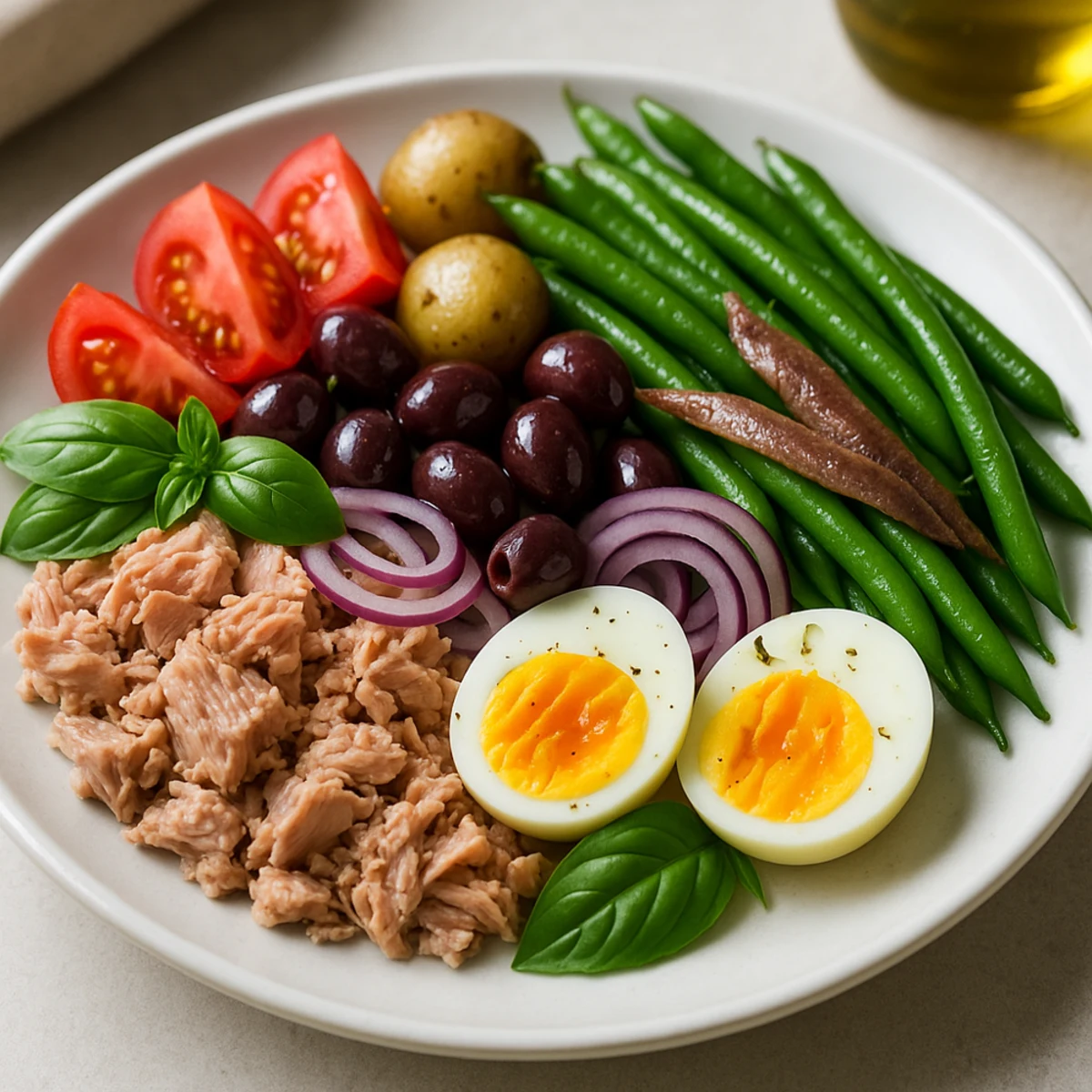
Salade Niçoise: Classic Recipe & Smart Wine Pairing Guide
Introduction
If you’re craving a meal that tastes like a summer afternoon on the French Riviera, salade niçoise is your answer. This iconic French salad is briny, bright, and deeply satisfying, built on tuna, crisp green beans, tender potatoes, juicy tomatoes, and jammy eggs, all glossed in a punchy vinaigrette. It’s simple enough for a weeknight yet elegant enough for guests—and it just happens to be a wine lover’s dream.
In this salade niçoise guide, you’ll get a fully tested, home-cook-friendly salade niçoise recipe plus a clear, approachable rundown of the best wine pairings. From California Sauvignon Blanc to Provençal rosé, we’ll match the salty, fresh flavors of the salad with bottles you can easily find at Total Wine, Trader Joe’s, BevMo, or your favorite local shop. And if you’d like to go even deeper, Vinomat can help you explore pairings tailored to your exact ingredients and taste.
About This Dish
Salade niçoise hails from Nice, on France’s sun-drenched Mediterranean coast. It began as a humble market salad, built from whatever was fresh and local: tomatoes, olives, anchovies, and other Provençal staples. Over time, it evolved into the composed salad many of us know today, with tuna, hard‑boiled eggs, and crisp vegetables arranged artfully over tender lettuce.
Purists from Nice will tell you that a traditional salade niçoise should never include cooked vegetables like potatoes or green beans. Classic local versions lean on raw ingredients—tomatoes, peppers, radishes, fava beans, artichokes, olives, anchovies, and sometimes canned tuna. But outside of Nice, especially in American and broader French home cooking, the now-famous style includes boiled potatoes and blanched green beans for a more substantial, meal-worthy salad.
What makes salade niçoise special is its balance of flavors and textures:
- Salty: briny olives, capers, and tuna
- Fresh: crisp green beans, lettuce, tomatoes
- Rich: creamy egg yolks, olive oil, sometimes seared tuna
- Bright: lemony, mustardy vinaigrette
That contrast is exactly what makes it so rewarding to pair with wine. The salad has enough structure and protein to stand in as a main course, but it still feels light and vibrant—perfect for warm evenings, leisurely lunches, or any time you want food that feels both healthy and indulgent.
Key Ingredients & Their Role
There are many variations, but this salade niçoise recipe follows the classic modern style popular in the U.S. and contemporary French kitchens.
Tuna
Tuna is the protein backbone of salade niçoise. Traditionally, high-quality canned tuna in olive oil is used. It brings a savory, meaty richness with a gentle seafood character that plays beautifully with olives and eggs. Some modern recipes call for seared fresh tuna steaks for a more restaurant-style presentation.
Wine note: Tuna calls for wines with good acidity to cut the richness and no aggressive tannins, which can clash with fish oils. That’s why crisp whites, rosés, and lighter reds tend to shine.
Green Beans
Tender-crisp green beans (haricots verts) add snap, freshness, and a subtle green flavor. Lightly blanched and shocked in ice water, they should stay bright and crunchy.
Wine note: Green beans lean "green" in flavor, so wines with a touch of herbal character (like Sauvignon Blanc) or bright acidity make a natural match.
Potatoes
Baby or red potatoes make the salad feel like a full meal, soaking up vinaigrette and seasoning while adding satisfying creaminess. They’re delicious served slightly warm or at room temperature.
Wine note: Potatoes soften acidity and can handle a bit more body in the wine—think fuller-bodied whites or structured rosés.
Hard-Boiled Eggs
Eggs bring velvety texture and a subtle richness. Aim for slightly jammy yolks, not chalky.
Wine note: Egg yolks like wines with good freshness; overly oaky, buttery whites can feel heavy here.
Tomatoes & Lettuce
Tomatoes add juicy sweetness and acidity, while soft lettuces like Bibb, Boston, or romaine give a tender, fresh base.
Wine note: Tomatoes can make tannic reds taste metallic, so stick to low-tannin reds, rosés, or whites with crisp acidity.
Olives & Capers
These are your salt bombs—Niçoise or small black olives and sometimes capers. They provide intense savoriness and brine.
Wine note: Salty ingredients make wines taste fruitier and softer, so you can safely pour wines with a bit more acidity or mineral character.
Vinaigrette
Most salade niçoise recipes feature a mustard or herb vinaigrette with olive oil, vinegar or lemon, Dijon mustard, garlic, and plenty of salt and pepper. This is the thread that ties every ingredient together.
Wine note: Acidity in the vinaigrette is key: choose wines with equal or higher acidity so the wine doesn’t taste flat next to the dressing.
Salade Niçoise Recipe
At a Glance
- Servings: 4 (main course)
- Prep Time: 25 minutes
- Cook Time: 20 minutes
- Total Time: 45 minutes
- Difficulty: Easy–Moderate (mostly simple prep and timing)
Ingredients
For the Salad
- 1 lb baby potatoes, halved
- 1 lb fresh green beans, trimmed
- 4 large eggs
- 1 small head Bibb, Boston, or romaine lettuce, torn or chopped
- 1 cup cherry tomatoes, halved
- 1/2 small red onion, thinly sliced
- 1/2 cup pitted black or Niçoise-style olives
- 3–4 tbsp capers, drained (optional but recommended)
- 7–10 oz high-quality canned tuna in olive oil, drained and flaked (or 2 small fresh tuna steaks, seared and sliced)
- Kosher salt and freshly ground black pepper, to taste
For the Dijon Vinaigrette
- 4 tbsp extra-virgin olive oil
- 2 tbsp white wine vinegar or champagne vinegar
- Juice of 1/2 lemon
- 1 tsp Dijon mustard
- 1 small garlic clove, finely minced or grated
- 1/2 tsp honey or sugar (optional, to soften acidity)
- 1–2 tbsp chopped fresh herbs (parsley, basil, or chives), optional
- Salt and freshly ground black pepper, to taste
Step-by-Step Instructions
1. Cook the Potatoes
- Place the halved baby potatoes in a saucepan and cover with cold, salted water.
- Bring to a boil, then reduce to a gentle simmer.
- Cook until just tender when pierced with a knife, about 10–12 minutes.
- Drain and let steam-dry in the colander for a few minutes. While still warm, season lightly with salt and pepper.
2. Blanch the Green Beans
- Bring a pot of salted water to a boil.
- Add the green beans and cook until crisp-tender and bright green, about 3–4 minutes.
- Immediately transfer beans to a bowl of ice water to stop the cooking.
- Drain well and pat dry.
3. Cook the Eggs
- Place eggs in a small pot, cover with cold water by 1 inch.
- Bring to a boil over medium-high heat.
- Once boiling, cover, turn off the heat, and let stand 9–10 minutes for firm but not chalky yolks.
- Transfer eggs to ice water until cool, then peel and cut into halves or quarters.
4. Make the Vinaigrette
- In a small bowl or jar, combine olive oil, vinegar, lemon juice, Dijon, garlic, and honey (if using).
- Whisk or shake until emulsified.
- Stir in herbs, if using, and season generously with salt and pepper.
5. Prep the Salad Base
- Arrange lettuce on a large platter or individual plates.
- Drizzle lightly with some of the vinaigrette and toss gently so the leaves are just coated.
6. Compose the Salade Niçoise
- Arrange the cooked potatoes, green beans, cherry tomatoes, red onion, olives, and eggs over the lettuce in neat sections or clusters.
- Flake the tuna over the top, or lay sliced seared tuna steaks across the center.
- Scatter capers over everything (if using).
- Drizzle with more vinaigrette, reserving a little to serve on the side.
- Finish with a final grind of black pepper and a pinch of flaky salt, if desired.
Nutrition & Dietary Notes (Approximate per Serving)
- Calories: ~550–650 (varies with tuna type and vinaigrette amount)
- Protein: ~30–35 g
- Carbohydrates: ~35–40 g
- Fat: ~30–40 g (mostly from olive oil and tuna)
- Fiber: ~6–8 g
This salade niçoise is:
- High in protein and healthy fats
- Gluten-free (as long as all ingredients are certified gluten-free)
- Pescatarian-friendly
To make it dairy-free, simply ensure no ingredients (like some mustards or canned tunas) contain added dairy.
Perfect Wine Pairings for Salade Niçoise
Salade niçoise might be the ultimate salad for wine pairing. You’ve got fish, eggs, salty olives, bright vinaigrette, and tender veggies—all calling for wines with vibrant acidity, moderate alcohol, and minimal tannin.
Here’s how to think about what wine goes with salade niçoise, plus specific style recommendations you can find across the U.S.
What to Look For
- Acidity: Medium to high, to stand up to vinaigrette and tomatoes
- Body: Light to medium, matching the salad’s freshness but handling tuna and potatoes
- Tannins: Low, especially with fish and eggs
- Aromatics: Citrus, herbs, and stone fruit work beautifully with the salad’s Mediterranean flavors
1. Dry Rosé (Provence & U.S. Rosé)
If you remember just one wine pairing, make it dry rosé. Classic Provençal rosé has crisp acidity, delicate berry notes, and a subtle herbal edge that feels made for salade niçoise.
- Flavor match: Berries, citrus, and herbs echo the salad’s brightness.
- Where to buy: Look for Côtes de Provence or Bandol rosé at Total Wine, Trader Joe’s, or BevMo, typically around $12–25.
- U.S. option: California and Oregon rosés (especially from Pinot Noir) offer similar freshness with a slightly riper fruit profile.
2. Sauvignon Blanc (California, Loire, New Zealand)
Sauvignon Blanc is another standout wine recommendation for salade niçoise.
- Why it works: Zippy acidity, citrus, and herbal notes complement green beans, tomatoes, tuna, and the vinaigrette.
- Where from:
- California: Sonoma or Napa Sauvignon Blancs with bright lemon and grapefruit.
- Loire Valley (France): Sancerre or Pouilly-Fumé offers mineral-driven elegance.
- Washington State: Crisp, orchard-fruited styles that stay lively.
- Availability: Widely stocked at grocery stores, Total Wine, and BevMo in the $15–30 range.
3. Light, Chillable Reds (Pinot Noir, Gamay)
If you prefer red, you’re not out of luck—just reach for light, low-tannin reds and serve them slightly chilled.
- Oregon Pinot Noir: A fantastic salade niçoise wine pairing when lightly chilled (about 55°F). Look for bright red fruit, gentle earthiness, and soft tannins.
- Beaujolais or other Gamay-based reds: Juicy, low-tannin, and food-friendly.
These wines work because they won’t clash with fish or eggs and can handle potatoes and olives.
- Where to buy: Look for entry-level Oregon Pinot Noir or Beaujolais at Trader Joe’s, Total Wine, or your local shop, starting around $18–30.
4. Other Great Options: Albariño & Vermentino
- Albariño (Spain): High acid, stone fruit, and lemon peel—great with seafood and salty olives.
- Vermentino (Italy or Corsica): Citrusy, slightly saline, and Mediterranean at heart.
Both are widely available in better grocery stores and chain retailers and usually fall in the $15–25 sweet spot.
If you’d like to geek out even more, open Vinomat and plug in your exact ingredients (canned vs. fresh tuna, extra anchovies, different vinaigrette). The app can fine-tune the best wine for your specific salade niçoise wine pairing based on your preferences.
Cooking Tips & Techniques
A few simple techniques will turn a good salade niçoise into a restaurant-worthy one.
Season as You Go
Instead of salting only at the end, season each component lightly:
- Warm potatoes with salt and pepper so they soak up flavor.
- Green beans with a pinch of salt and a drizzle of vinaigrette.
- Lettuce with just enough dressing to coat before composing.
This layering builds depth and prevents bland bites.
Don’t Overcook the Veg or Eggs
- Green beans should be bright and crisp-tender, not dull or mushy.
- Eggs are best with set whites and jammy yolks—overcooked eggs turn gray around the yolk and taste sulfurous.
Use ice baths to quickly stop cooking and preserve color and texture.
Use the Best Tuna You Can
Because tuna is a star ingredient, quality matters. Choose solid or chunk tuna in olive oil rather than water-packed whenever possible; it’s richer, silkier, and more flavorful.
If you go the fresh tuna route, sear it briefly in a hot pan with olive oil, just 1–2 minutes per side, leaving the center rare to medium-rare.
Balance the Vinaigrette
Taste your vinaigrette before dressing the salad:
- If it’s too sharp, add a bit more oil or a touch of honey.
- If it feels flat, add a pinch of salt or a squeeze more lemon.
Remember it should taste slightly more intense than you’d eat on its own, because it’s meant to season a whole platter of vegetables and tuna.
Serving Suggestions
Salade niçoise is versatile: it can be a light lunch, a main course, or the centerpiece of a relaxed dinner party.
- As a main course: Serve generous portions on wide, shallow bowls or plates so every bite includes a bit of everything—potato, tuna, egg, and vegetables.
- Family-style: Arrange the salad beautifully on a large platter and let everyone help themselves. This is especially striking when the ingredients are grouped by color and texture.
- With bread: Offer a warm baguette or crusty sourdough to soak up leftover vinaigrette.
- With sides: Keep it simple—maybe a chilled soup (like gazpacho) or a light cheese plate to start.
For the wine service, chill whites and rosés well (around 45–50°F) and lightly chill lighter reds (around 55°F). Set the table with simple white plates to show off the colors of the salade niçoise, and pour wine in medium-sized glasses that work for both white and rosé.
This is casual, sun-drenched food; think relaxed elegance, not formality.
Conclusion
Salade niçoise is more than just a salad—it’s a complete, sun-soaked meal that feels as at home on a Tuesday night as it does at a summer dinner party. With hearty tuna, crisp green beans, tender potatoes, and a bright vinaigrette, this salade niçoise recipe delivers big flavor with surprisingly little effort.
Paired with the right bottle—whether a Provençal rosé, zesty Sauvignon Blanc, or chillable Oregon Pinot Noir—you get a dining experience that’s greater than the sum of its parts. When you’re ready to explore beyond these suggestions, open Vinomat to discover personalized wine pairing ideas for your own spin on salade niçoise and other favorite dishes.
Your next glass of wine and plate of salade niçoise might just become your new go-to ritual.