


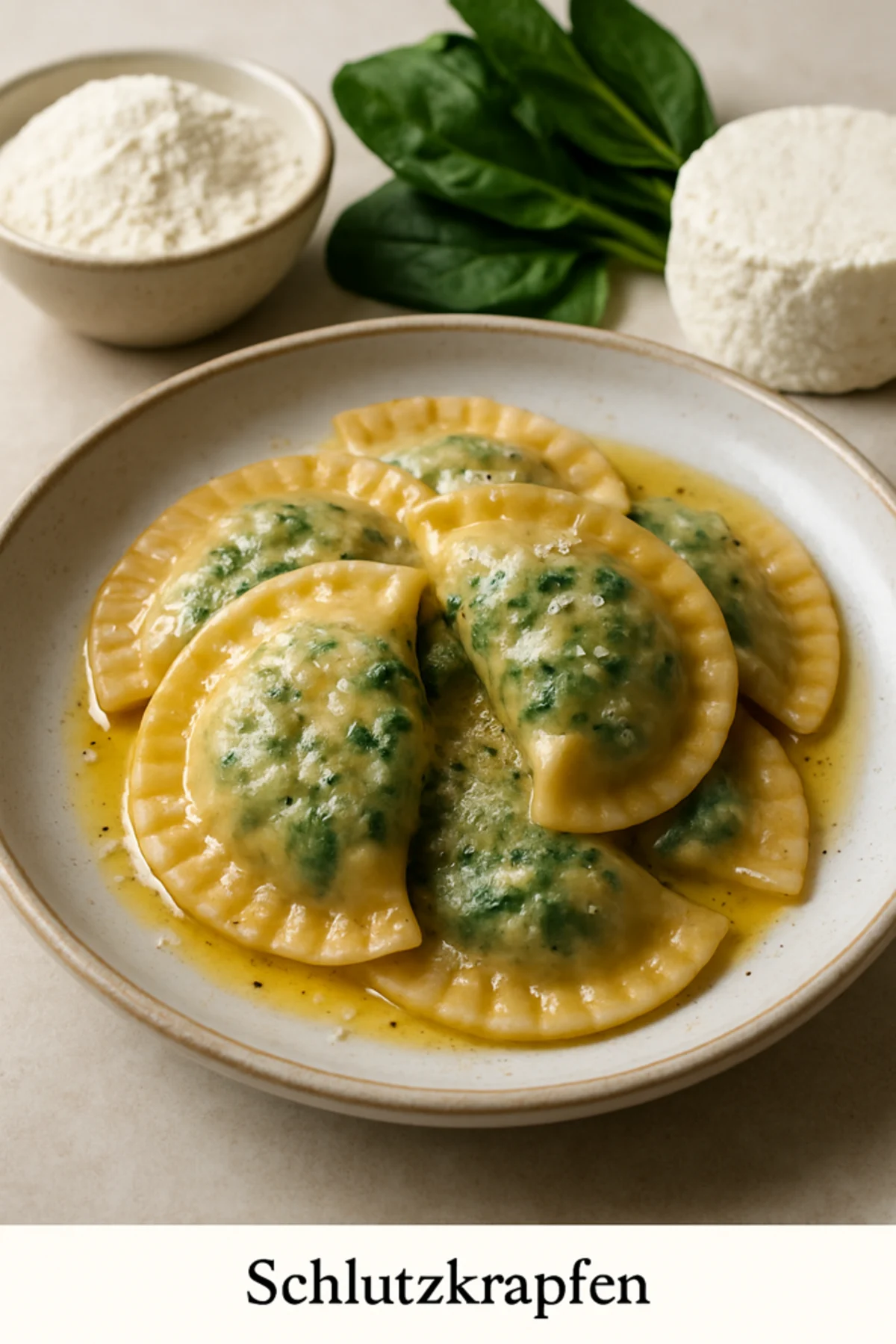
Schlutzkrapfen Recipe: Spinach Ricotta Dumplings & Wine Pairings
Schlutzkrapfen Recipe: Spinach Ricotta Dumplings & Wine Pairings
Imagine biting into a tender, handmade pasta pocket that bursts with the earthy freshness of spinach and creamy ricotta, all drizzled in nutty browned butter. That's schlutzkrapfen, a cherished Tyrolean specialty from South Tyrol, now ready for your American kitchen. This schlutzkrapfen recipe transforms simple ingredients into an advanced yet rewarding dish that's perfect for impressing wine-loving friends. Hailing from the Alps straddling Italy and Austria, schlutzkrapfen offers a mild, savory profile that begs for thoughtful wine pairings—think crisp whites or light reds that cut through the richness. Whether you're a home cook exploring European flavors or a food enthusiast seeking the best wine for schlutzkrapfen, this guide has you covered. We'll walk you through the schlutzkrapfen recipe, share pro tips, and recommend accessible wines from Total Wine or Trader Joe's in the $15-30 range. Pair it perfectly with Vinomat, our premium app for spot-on wine matches. Ready to bring Alpine elegance to your table? Let's dive in.
About This Dish
Schlutzkrapfen are more than just dumplings—they're a taste of South Tyrolean heritage, where Italian and Austrian influences blend in the Dolomites. Originating from regions like Merano and Innsbruck, this dish dates back centuries, with roots in peasant cuisine that maximized local ingredients like fresh spinach and ricotta. The name "schlutzkrapfen" evokes the "crack" or "slap" sound of sealing the dough, a nod to its handmade tradition.
What makes schlutzkrapfen special? Its delicate, half-moon shape encases a subtle filling of blanched spinach, sautéed onion, and seasoned ricotta, creating a mild, savory harmony. Unlike hearty ravioli, schlutzkrapfen shines in simplicity: no heavy sauces, just browned butter and Parmesan to enhance the earthy greens and creamy cheese. In South Tyrol, it's a staple in mountain inns, often served as a primo piatto before meat courses. For American palates accustomed to diverse multicultural eats—from Italian-American pasta nights to fusion twists—this dish fits seamlessly, offering comfort with an exotic edge.
Culturally, schlutzkrapfen embodies Alpine resourcefulness: spinach from summer gardens, ricotta from local dairies, and flour for resilient pasta. Today, it's celebrated in Tyrolean festivals and modern recipes, sometimes varied with pumpkin (think pumpkins schlutzkrapfen recipe) or herbs, but the spinach-ricotta classic reigns supreme. Its mild flavors—nutty, vegetal, with a whisper of nutmeg—make it incredibly versatile for wine pairing. Light acidity in wines refreshes the palate against the buttery finish, while subtle tannins complement the cheese. In the US, with our booming wine culture, schlutzkrapfen bridges Old World tradition and New World accessibility, perfect for date nights or dinner parties. Exploring this schlutzkrapfen guide will not only teach you the dish but elevate your pairing game.
Key Ingredients & Their Role
The beauty of schlutzkrapfen lies in its minimalist ingredients, each playing a pivotal role in flavor, texture, and wine pairing synergy. Let's break them down.
All-purpose flour (200g) forms the pasta dough's backbone. Mixed with eggs, it creates a supple, thin sheet (about 1mm) that's sturdy enough to hold filling yet delicate when boiled. This neutral base lets fillings shine, pairing well with wines of medium body.
Eggs (2) bind the dough, adding richness and golden hue. They ensure elasticity for folding without tearing—key for advanced home cooks.
Fresh spinach (250g) is the star of this schlutzkrapfen recipe. Blanched and chopped, it brings earthy, mineral notes with a slight bitterness that balances ricotta's creaminess. Its vibrancy cuts through butter, demanding wines with bright acidity to match.
Ricotta cheese (200g) provides velvety texture and mild tang. Draining it prevents watery filling, while its subtle sweetness harmonizes with nutmeg for depth. This dairy element loves Chardonnay's buttery oak or Pinot Noir's earthiness.
Onion (1 small, finely chopped) adds savory allium sweetness when sautéed, building umami without overpowering the mild profile.
Butter (50g + 2 tbsp) is transformative: the initial pat for sautéing, the rest browned for a hazelnut aroma that ties everything together. Its fat calls for acidic wines to cleanse the palate.
Parmesan (30g grated) and nutmeg (1/4 tsp) finish with salty, umami punch and warm spice. Nutmeg's piney note echoes Alpine herbs, enhancing food-wine harmony.
Salt and black pepper season to taste, amplifying flavors.
Together, these create a savory, mild dish where greens temper dairy, and butter unifies. For wine recommendations, seek acidity to slice through ricotta and butter, fruitiness for spinach, and low tannins to avoid clashing with the gentle savoriness. Variations like kurbis schlutzkrapfen recipe (pumpkin) or butternut squash schlutzkrapfen recipe swap spinach for squash sweetness, shifting pairings toward off-dry Rieslings—but stick to spinach for authenticity. These ingredients are everyday finds at US grocery stores, making schlutzkrapfen approachable yet sophisticated.
Recipe
| Prep Time | 70 minutes |
|---|---|
| Cook Time | 20 minutes |
| Total Time | 90 minutes |
| Servings | 4 |
| Difficulty | Advanced |
Ingredients:
- 200 g All-purpose flour
- 2 Eggs
- 250 g Spinach (fresh)
- 200 g Ricotta cheese
- 1 (small, finely chopped) Onion
- 50 g + 2 tbsp (for garnish) Butter
- 30 g (finely grated) Parmesan cheese
- 1/4 tsp (freshly grated) Nutmeg
- To taste Salt
- To taste Black pepper
Instructions:
- Prepare the pasta dough: In a bowl, mix the flour and a pinch of salt. Add the eggs and knead into a smooth dough. Wrap the dough in cling film and let it rest for 30 minutes.
- Prepare the filling: Wash and blanch the spinach in boiling water for 1 minute. Drain, cool under cold water, and squeeze out excess water. Finely chop the spinach.
- Heat 1 tbsp butter in a pan over medium heat. Sauté the finely chopped onion until translucent. Add the spinach and cook for 2 minutes. Let it cool.
- In a bowl, mix the ricotta cheese with the spinach-onion mixture. Season with salt, black pepper, and nutmeg. Set the filling aside.
- Roll out the pasta dough on a floured surface until very thin (about 1 mm). Use a circular cutter (8 cm diameter) to cut out discs of dough.
- Place a small spoonful of filling in the center of each dough disc. Fold the dough over the filling to form semicircles. Press the edges together firmly, then seal using a fork.
- Bring a large pot of salted water to a boil. Reduce the heat to a simmer and cook the Schlutzkrapfen in batches for 3-4 minutes or until they float to the surface. Remove with a slotted spoon and set aside.
- In a small pan, melt 2 tbsp butter over low heat until it begins to brown slightly. Remove from heat.
- Plate the Schlutzkrapfen: Arrange the cooked Schlutzkrapfen neatly on a plate. Drizzle with the browned butter and sprinkle finely grated Parmesan on top.
- Serve immediately while warm and enjoy your homemade Schlutzkrapfen.
Nutrition Facts (per serving):
- Calories: 450 kcal
- Protein: 18.0g
- Fat: 25.0g
- Carbohydrates: 50.0g
- Salt: 2.5g
Dietary Information: Contains gluten, Contains dairy, Nut-free
Perfect Wine Pairings
Pairing schlutzkrapfen elevates its mild, savory essence—spinach's earthiness, ricotta's cream, browned butter's nuttiness. Focus on wines with high acidity to cut richness, medium body to match delicacy, low tannins to avoid bitterness, and herbal or fruity notes echoing spinach and nutmeg. Vinomat app scans your schlutzkrapfen profile for instant wine recommendations.
1. Oregon or California Pinot Noir ($18-28)
Lightly chilled Pinot Noir from Oregon's Willamette Valley or Sonoma shines here. Its bright cherry, earth, and mushroom notes mirror spinach, while silky texture hugs ricotta. Acidity refreshes buttery bites. Try A to Z Wineworks Oregon Pinot Noir (~$20 at Trader Joe's) or Napa's La Crema (~$25 at Total Wine). Best wine for schlutzkrapfen for red lovers.
2. Napa or Sonoma Chardonnay ($15-25)
Unoaked or lightly oaked Chardonnay from California complements dairy-forward dishes. Crisp apple and citrus cut through cheese, with subtle oak echoing browned butter. acidity balances salt. Grab Kendall-Jackson Vintner's Reserve (~$18, BevMo) or Sonoma-Cutrer (~$22, Total Wine). Perfect wine pairing for creamy textures.
3. Alsace-Style Riesling or Washington Riesling ($15-22)
Off-dry Riesling's petrol, green apple, and slight sweetness tame spinach's minerals, while acidity zips through fat. Washington State's Chateau Ste. Michelle (~$12-18, grocery stores) or imports like Pierre Sparr Alsace (~$20, Total Wine) work wonders.
4. Italian Soave or French Chablis ($16-30)
Crisp, mineral-driven whites like Garganega-based Soave (Pieropan ~$25, Trader Joe's) or unoaked Chablis offer green herb notes matching the filling. High acidity cleanses, making each bite pop.
These $15-30 picks are widely available at Total Wine, Trader Joe's, or BevMo, blending New World value with Old World finesse. Use Vinomat for personalized matches—input "schlutzkrapfen" and get tailored suggestions. Experiment: chill reds slightly for summer dinners.
Cooking Tips & Techniques
Mastering this schlutzkrapfen recipe rewards patience, especially at advanced difficulty. Start with dough: knead vigorously 10 minutes for gluten development—smooth, non-sticky texture is key. Resting 30 minutes relaxes gluten, easing rolling. No pasta machine? Use a floured rolling pin; aim for translucent thinness to avoid gummy pasta.
Filling pitfalls: Over-wet spinach leads to leaks—blanch briefly, squeeze aggressively (use cheesecloth). Cool fully before mixing with ricotta to prevent melting. Taste and adjust seasoning; nutmeg should whisper, not shout. Don't overfill (1 tsp max per 8cm disc) or edges won't seal.
Sealing technique: Moisten edges lightly with water, press firmly, then fork-crimp for pretty, airtight pockets. Test one in boiling water—if it bursts, refine pressure.
Boil gently (simmer, not rage) in ample salted water; overcrowding drops temperature, causing sticking. Cook until floating +1 minute for al dente. Reserve pasta water to thin butter if needed.
Brown butter pro move: Low heat, swirl pan for even toasting—stop at amber for nutty aroma without bitterness. Fresh Parmesan, grated tableside, melts luxuriously.
Make-ahead: Assemble and freeze uncooked schlutzkrapfen on trays, then bag; boil from frozen, adding 1-2 minutes. For pumpkins schlutzkrapfen recipe twists, roast squash first for caramel notes. Practice yields perfection—your first batch builds skills for flawless future feasts.
Serving Suggestions
Present schlutzkrapfen simply to honor its purity: nestle 8-10 per plate in a warm shallow bowl, drizzle generously with browned butter so it pools invitingly. Dust with microplaned Parmesan for snowy melt, and garnish with cracked pepper or chives for pop.
Elevate the experience: Pair with a crisp arugula salad dressed in lemon vinaigrette to echo acidity. Add crusty sourdough for sopping butter. For multicultural US flair, serve family-style alongside grilled sausages or roasted veggies, channeling Alpine hut vibes.
Set the scene: Dim lights, fresh candles, soft folk tunes. Pour your wine recommendation into stemware—chill whites to 50°F, reds to 55°F. This intimate primo sets up heartier mains like osso buco. For parties, appetizer-size them. Vinomat ensures every sip syncs perfectly.
Conclusion
You've got the ultimate schlutzkrapfen recipe—now craft this Tyrolean gem and pair it with our suggested wines for an unforgettable meal. From spinach-ricotta filling to browned butter bliss, schlutzkrapfen delivers mild savoriness that's endlessly pairable. Head to Total Wine or Trader Joe's, fire up Vinomat for precise matches, and taste the Alps at home. What's your favorite wine pairing? Share in comments and tag your creations—happy cooking!