


Seafood Chowder: The Ultimate Guide to Creamy Comfort & Wine Pairings
Seafood Chowder: The Ultimate Guide to Creamy Comfort & Wine Pairings
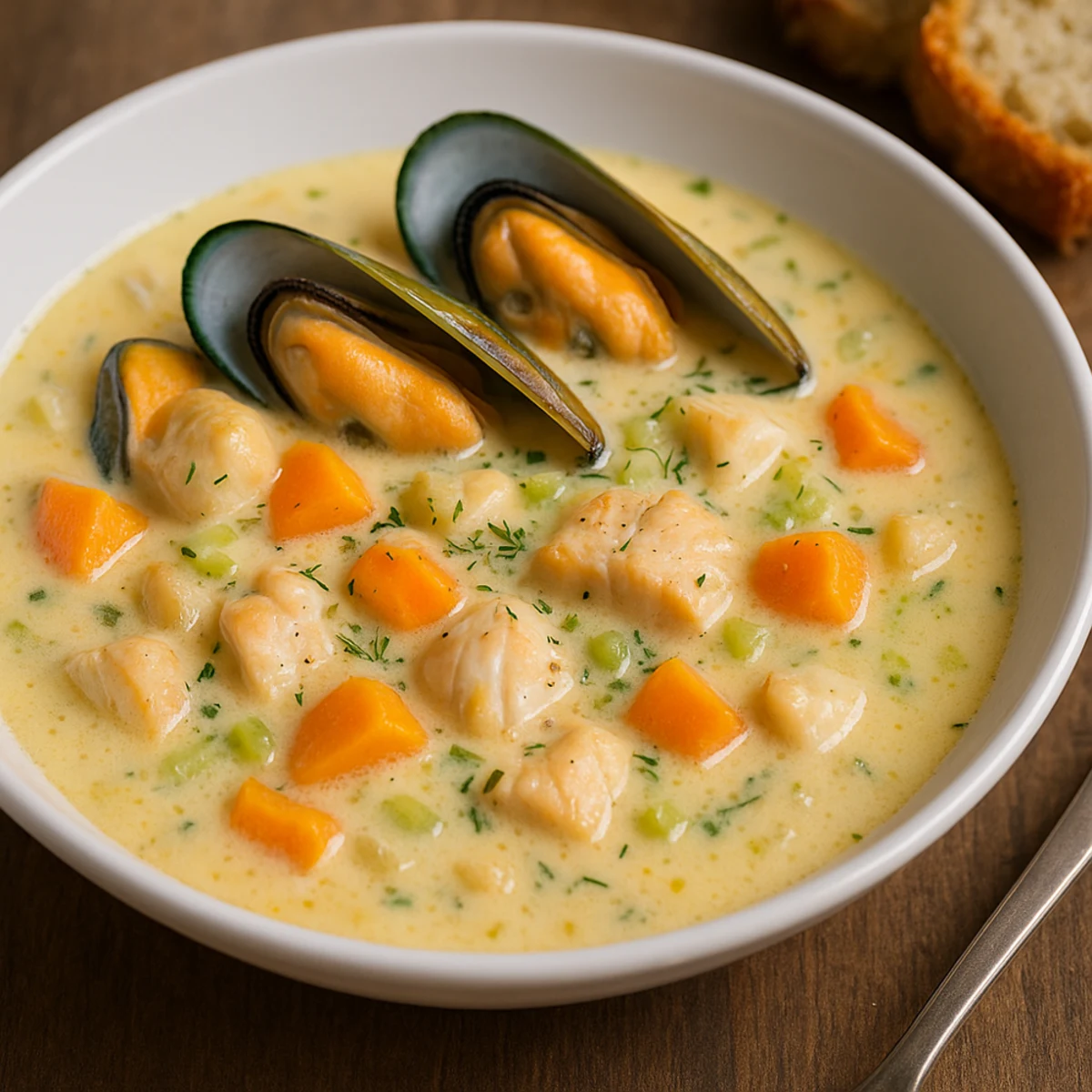
Few dishes capture the spirit of coastal comfort like seafood chowder. Imagine a steaming bowl brimming with tender fish, luscious green-lipped mussels, and vibrant kumara, all swimming in a thick, creamy broth that’s both hearty and refined. For foodies and wine lovers across the United States, this classic dish offers the perfect canvas for creative cooking—and a beautiful opportunity to explore wine pairings that elevate every spoonful. Whether you’re after a weeknight treat or a showstopper for your next dinner party, this seafood chowder recipe will transform your table into a celebration of flavor.
But the magic doesn’t stop at the bowl. The interplay between the chowder’s umami-rich ingredients and carefully chosen wines can turn a simple meal into an unforgettable dining experience. With Vinomat as your guide, you’ll not only master this thick creamy seafood chowder recipe—you’ll also discover the perfect bottle to match. Ready to dive in?
About This Dish: Origins and Culinary Appeal
Seafood chowder has deep roots in both American and international food culture. Traditionally, chowders emerged as a way for coastal communities to make the most of their local catch—stretching precious seafood with comforting potatoes, onions, and cream. From the iconic clam chowder of New England to the tomato-based Manhattan style, this dish has morphed and adapted, reflecting the diversity of American palates and ingredients.
Our gourmet seafood chowder recipe draws inspiration from both classic and contemporary influences. The use of green-lipped mussels, a prized ingredient from New Zealand, adds a touch of luxury and an unmistakable oceanic sweetness. Sweet potatoes (kumara) and Yukon Gold potatoes lend creamy body and subtle earthiness, balancing the briny punch of seafood with natural sweetness. The result? A chowder that’s thick, creamy, and utterly satisfying—a true showcase for premium ingredients and thoughtful technique.
In the United States, chowder is more than just a meal; it’s a symbol of warmth, hospitality, and coastal living. Whether you grew up by the Atlantic or are simply drawn to the flavors of the sea, making this dish at home is a way to connect with culinary tradition while putting your own spin on a beloved classic.
Key Ingredients & Their Role in Perfect Seafood Chowder
The beauty of seafood chowder lies in the harmony of its ingredients. Each component plays a crucial role in building depth, texture, and flavor:
- Green-Lipped Mussels: These vibrant shellfish are known for their sweet, clean taste and meaty texture. Mussels infuse the broth with delicate brininess and provide a dramatic visual touch when served in-shell.
- Fresh Fish Fillets: Choose firm, white fish like snapper or cod. Their mild flavor and tender flakes absorb the nuances of the broth, providing protein and subtle sea-salt notes.
- Kumara (Sweet Potato) & Yukon Gold Potatoes: These bring both body and natural creaminess. Kumara adds a gentle sweetness that beautifully offsets the chowder’s savory base, while Yukon Gold potatoes break down slightly to thicken the soup naturally.
- Onion, Celery, and Garlic: This aromatic trio forms the flavor backbone, infusing the chowder with savory depth and a hint of herbal brightness.
- Fish Stock: The quality of your stock can make or break your chowder. Look for seafood or fish stock at your local grocery store, or dissolve quality fish stock cubes in water for a reliable, umami-packed base.
- Fresh Cream: Essential for creating that signature thick, creamy seafood chowder. Cream smooths the edges of the broth and carries the flavors of the sea, vegetables, and herbs.
- Dill: This fresh herb adds a pop of color and a subtle, grassy note that lifts the richness of the dish.
Pairing these ingredients with the right wine is about balancing richness and freshness. Creamy chowders crave wines with bright acidity to cut through the fat, while the delicate flavors of seafood are best complemented by whites and light rosés with lively citrus, stone fruit, or mineral notes. Even a light-bodied red can work, provided it’s low in tannins and high in freshness.
Recipe
| Prep Time | 40 minutes |
|---|---|
| Cook Time | 10 minutes |
| Total Time | 50 minutes |
| Servings | 4 |
| Difficulty | Moderate |
Ingredients:
- 12 Green-Lipped Mussels
- 300g Fresh fish fillets (e.g. snapper, cod or similar white fish)
- 200g Kumara (sweet potato)
- 200g Potatoes (e.g. Yukon Gold or Russet, peeled)
- 1 medium Onion
- 2 stalks Celery
- 2 Garlic cloves
- 4 cups Fish stock (or 2 fish stock cubes, dissolved in 4 cups of water)
- 1 cup Fresh cream
- 2 tbsp Butter (unsalted)
- 3 tbsp Fresh dill (chopped)
- to taste Salt
- to taste Black pepper (freshly ground)
Instructions:
- Prepare all your ingredients. Peel and cube the kumara and potatoes into bite-sized pieces. Finely chop the onion, celery, and garlic. Rinse the mussels under cold water. Remove any beards from the mussels and discard any mussels that do not close when tapped. Cut the fresh fish fillets into 2-inch pieces.
- In a large pot or Dutch oven, melt the butter over medium heat. Add the chopped onion, celery, and garlic. Sauté for 3–4 minutes until the vegetables are softened but not browned.
- Add the cubed kumara and potatoes to the pot. Stir well to coat with butter and aromatics. Cook for 2–3 minutes to slightly soften the root vegetables.
- Pour in the fish stock. Bring the mixture to a simmer over medium heat. Cook for 15 minutes or until the kumara and potatoes are tender but not falling apart.
- Add the fresh fish fillets and green-lipped mussels to the pot. Cover with a lid and cook for 5–7 minutes, or until the mussels have opened and the fish is cooked through. Discard any mussels that do not open.
- Reduce the heat to low and stir in the fresh cream. Let the chowder gently heat for 2–3 minutes, but do not let it boil. Season the chowder generously with salt and freshly ground black pepper to taste.
- Stir in half the chopped dill, reserving the other half for garnishing.
- Ladle the seafood chowder into bowls. Garnish with the remaining dill and freshly ground black pepper. Serve hot with crusty bread or on its own for a luxurious meal.
Nutrition Facts (per serving):
- Calories: 420 kcal
- Protein: 35.0g
- Fat: 25.0g
- Carbohydrates: 28.0g
- Salt: 2.5g
Dietary Information: Gluten-free, Contains dairy, Nut-free
Perfect Wine Pairings: The Best Bottles for Seafood Chowder
The creamy, umami-rich base of seafood chowder begs for wines that refresh the palate and complement the ocean flavors. Here’s how to master the perfect wine match:
What to Look For in Your Wine Pairing
- Bright Acidity: Cuts through the cream and enhances seafood’s natural sweetness.
- Medium Body: Enough structure to stand up to the richness, but not so heavy as to overwhelm.
- Low to Moderate Tannins: Especially if exploring lighter reds.
- Aromatic and Mineral Notes: Citrus, apple, stone fruit, or saline minerality elevate the chowder’s flavors.
Classic Wine Recommendations
- California Chardonnay (Unoaked or Lightly Oaked)
- Why: The citrus and apple notes pair beautifully with creamy chowder without masking the delicate seafood. Avoid heavily oaked or buttery styles, which can compete with the soup’s richness.
- Where to Buy: Look for Sonoma Coast or Santa Barbara Chardonnays at Total Wine or BevMo ($18–$28).
- Oregon Pinot Gris
- Why: This wine offers bright acidity, subtle pear and stone fruit, and a clean finish—perfect for balancing the chowder’s creamy texture and sweet kumara.
- Where to Buy: Trader Joe’s and local wine shops often carry excellent examples from Willamette Valley ($15–$24).
- French Sauvignon Blanc (Loire Valley or Bordeaux Blanc)
- Why: The crispness, grassy notes, and piercing citrus flavors bring out the dill and freshness in the chowder.
- Where to Buy: Available at most US wine retailers, including Total Wine and Trader Joe’s ($14–$25).
- Spanish Albariño or Italian Vermentino
- Why: Both offer saline minerality, floral aromas, and lively acidity. They’re tailor-made for seafood and cut through rich cream with ease.
- Where to Buy: Look for Rías Baixas Albariño or Sardinian Vermentino at BevMo or your local shop ($16–$28).
- Bonus: Light-Bodied Pinot Noir
- Why: If you prefer red, a chilled Oregon Pinot Noir or a French Burgundy with low tannins can complement the creamy base and seafood without overpowering.
- Where to Buy: Total Wine and specialty shops ($22–$30).
Pro tip: Vinomat’s food and wine pairing app makes it easy to match your favorite chowder with wines available in your area, complete with price filters for every budget.
Cooking Tips & Techniques for the Best Seafood Chowder
- Use Fresh, Quality Seafood: The flavor of your chowder hinges on the freshness of your mussels and fish. Only cook mussels that close when tapped; discard any that remain open after cooking.
- Don’t Overcook the Seafood: Add fish and mussels at the end, simmering just until cooked through. Overcooked seafood turns rubbery and loses its delicate flavor.
- Layer Flavors: Sauté aromatics (onion, celery, garlic) in butter first. This builds depth and sweetness before adding liquids.
- Cream Last: Stir in cream off the heat or on low to prevent splitting. Never let the chowder boil after cream is added.
- Season Generously: Taste and adjust salt, pepper, and dill at the end. Chowders need a bit more seasoning to balance the richness.
- Texture Matters: Cut root vegetables into even, bite-sized cubes for uniform cooking. Yukon Gold potatoes and kumara provide a creamy, thick consistency without needing flour or cornstarch.
- Make Ahead: Chowder can be made ahead and gently reheated on the stovetop. Add extra cream or a splash of stock if thickened overnight.
- Garnish for Freshness: Finish with chopped dill and freshly ground black pepper for a burst of aroma and color.
Serving Suggestions: Creating a Restaurant-Worthy Experience at Home
- Crusty Bread: Serve hot seafood chowder with toasted sourdough, baguette, or even a classic oyster cracker for texture and sopping up every drop.
- Garnishes: A flourish of fresh dill or chives and a crack of black pepper instantly elevates the bowl. For a citrusy lift, offer lemon wedges on the side.
- Presentation: Ladle chowder into warm, wide bowls to showcase the seafood and vibrant vegetables. If serving for a dinner party, place a few mussels in the shell atop each bowl for visual impact.
- Wine Service: Chill your chosen white or rosé to 45–50°F. Serve in medium-sized glasses to encourage swirling and release of aromas.
- Atmosphere: Set the table with coastal-inspired linens, simple white dishes, and a centerpiece of fresh herbs or seashells for a relaxed yet elegant vibe.
Conclusion
There’s nothing quite like a homemade seafood chowder to bring people together and delight the senses. With its creamy, umami-packed base and bright, fresh seafood, this dish shines even brighter when paired with the right wine. Thanks to Vinomat, finding your perfect pairing—whether it’s a crisp Oregon Pinot Gris or a mineral-driven Albariño—has never been easier. Gather your favorite people, uncork a bottle, and let the magic of food and wine transform your next meal at home.